

Bali With Kids: A Family Holiday Guide From Singapore
In this article
- Getting there from Singapore
- Passports and Indonesia entry basics
- Where to base yourself, by area
- Things to do in Bali with kids
- Getting around: drivers, ride-hailing and car seats
- Health and safety: Bali belly, heat and mozzies
- Money, villas and what to pack
- When is the best time to go?
- Frequently asked questions
Bali is the trip a lot of Singapore families take first, and for good reason. It is a short hop from Changi, there is no jet lag to wrangle, and the island has been hosting little ones for decades, so resorts, restaurants and drivers all know the drill. This guide is for parents weighing up Bali with kids from Singapore, whether you are travelling with a baby, a toddler who naps hard, or school-age swimmers who want a water slide and a monkey sighting. We will cover getting there, entry rules, where to base yourself, what to actually do, and the practical parent stuff (Bali belly, drivers, heat) that makes or breaks the trip.
Getting there from Singapore
Several airlines fly direct from Changi to Ngurah Rai International Airport in Denpasar (often called DPS), and the hop is short by long-haul standards, commonly cited at roughly 2.5 to 3 hours. Because schedules, fares and the exact flight time shift with the season and your airline, check current flights directly on the airline or your booking platform rather than treating any single number as gospel.
Bali keeps the same clock as Singapore, so there is no jet lag, which is a gift when small kids' body clocks rule the day. A morning departure tends to suit families best: you land with daylight to spare, clear arrivals, reach your base, and still have time for a settle-in swim before bedtime. Between a cheap red-eye and a sensible daytime flight, the daytime flight usually wins once you factor in overtired children.
One reality check on distances: Bali looks compact on a map but traffic is slow and winding, and a transfer that reads as 30km can eat well over an hour. Pick one or two bases rather than chasing the whole island, and you will spend far less of the holiday with restless kids in the back seat.
Passports and Indonesia entry basics
Every traveller needs their own valid passport, including each child and baby. The common rule of thumb is at least six months of validity from your arrival date, plus proof of a return or onward flight, so check the whole family's passport expiry dates early. New child passports and that six-month rule trip up more families last-minute than almost anything else.
On visas, the rules depend on your nationality, so do not rely on what a friend with a different passport tells you. Many nationalities enter Indonesia for tourism using a visa-on-arrival or an electronic visa-on-arrival (e-VOA) arranged online before you fly, and some passport holders enter visa-free. Indonesia has also moved much of the arrival paperwork online, covering immigration, customs and health declarations. Because fees, eligibility and the forms genuinely do change, confirm the current requirements for each family member's passport on official channels rather than guessing.
Verify entry rules on the Indonesian immigration website and cross-check travel advice on Singapore's Ministry of Foreign Affairs site before booking non-refundable flights.
Where to base yourself, by area
This is the single biggest decision of the trip, and it matters more than which resort you pick. Bali is not one beach town; each area has a different personality, and the right one depends on the ages of your kids and the holiday you want.
Sanur and Nusa Dua: calm beaches and kids' clubs
If you want gentle, manageable beach days, start here. Sanur is a relaxed, low-rise town on the east coast with a long, flat seafront promenade that is brilliant for prams, balance bikes and toddler legs; an offshore reef keeps the water calm. Nusa Dua is a tidy, gated resort enclave in the south with gently sloping beaches and large family resorts that lean hard into kids' clubs, shallow pools, babysitting and family suites. Both suit first-timers, babies and younger swimmers, and Nusa Dua is the low-fuss pick if you mostly want to park yourself at a resort.
Seminyak and Jimbaran: beach plus dining
Seminyak trades quiet for a livelier scene: stylish beach clubs, a strong cafe culture and famous sunsets, with a wider, busier beach where the surf can pick up, so watch smaller children in the water. Jimbaran, near the airport, is known for its sweep of beachfront seafood grills where dinner happens with your toes near the sand. These areas suit families with slightly older, confident kids, or parents who want better food and a bit of buzz alongside the bucket-and-spade time.
Ubud: culture, rice terraces and green, but no beach
Ubud sits inland among rice terraces and forest. It is the place for greenery, cooler evenings, gentle culture and nature walks, but it has no beach, so do not make it your only base if your kids live for the sea. The classic move is to pair two or three nights in Ubud with the rest of your trip at the coast for a real change of scene. Our Da Nang family guide shows the same split-your-stay logic on another short-haul favourite.
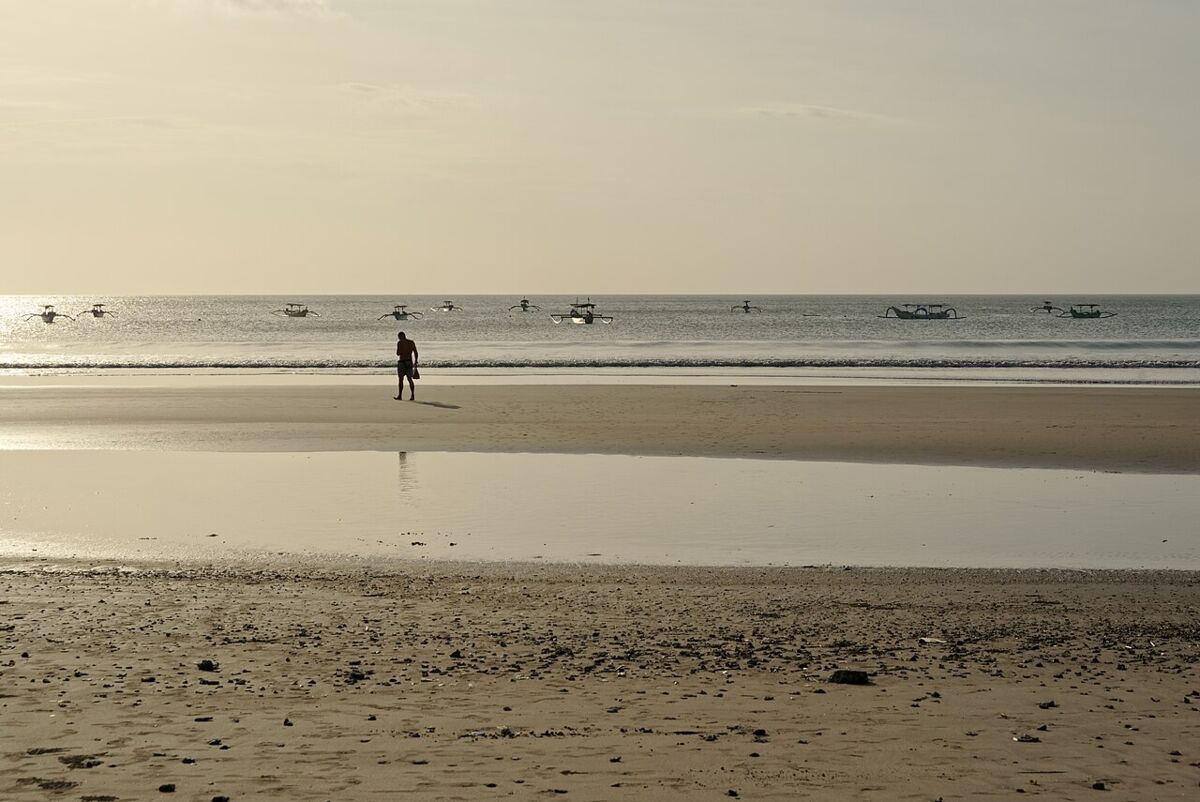
Surf-heavy spots such as Kuta and the cliff beaches around Uluwatu are scenic but the sea is often rough, so they are less ideal with small swimmers. Browse our wider family travel guides if you are still comparing destinations.
Things to do in Bali with kids
You will not run short of options, even on a lazy trip. The trick is one main outing a day, then pool or beach time, rather than a packed itinerary that ends in tears.
Animals, water parks and big-ticket days
- Waterbom Bali in Kuta is one of the region's best-known water parks. The official site highlights a large kids area with no height minimum alongside its 26 slides and attractions, so there is something for thrill-seekers and cautious little ones alike; confirm current hours and tickets on the official Waterbom Bali website.
- Bali Safari and Marine Park runs a safari tram through recreated habitats, plus animal encounters and water-play zones; check details and any timed shows on the official park website.
- Bali Bird Park packs hundreds of birds into walk-through aviaries, an easy shaded half-day for younger children, and resort kids' clubs run craft sessions, pizza-making and supervised play that buy parents a genuine break.
Nature, walks and waterfalls
- Rice-terrace and ridge walks. Easy, photogenic strolls such as the Campuhan ridge walk near Ubud, or a wander through the rice terraces, work best early before the heat; pack water and start near sunrise for happier kids.
- Waterfalls. Bali has plenty, from easy-access ones to those down many steps. Pick a shorter, gentler one with younger children, bring grippy water shoes, and remember the climb back up is the hard part with a tired toddler.
- Ubud Monkey Forest. A forest sanctuary full of bold long-tailed macaques. It is memorable, but hold little hands, keep food, sunglasses and loose items zipped away, and do not let small children approach or feed them. Some families with toddlers find it more stressful than fun, so judge it against your own kids.
Culture and a bit of adventure
- Balinese dance and culture. Short evening dance performances around Ubud are colourful and brief enough to hold a child's attention; a temple visit (dressed respectfully, sarongs usually provided) rounds out the cultural side.
- White-water rafting. A favourite for older, confident kids on gentler river sections. Operators set minimum ages and weights, so confirm yours qualifies and that life jackets and helmets are provided before booking.
- Beach clubs with kids' pools. Several family-friendly beach clubs pair shallow kid pools with loungers for parents; book ahead in peak season.
Keep expectations gentle and your days light. For what to look for in resort kids' facilities, our best family hotels in Singapore guide is a useful primer.
Getting around: drivers, ride-hailing and car seats
Transport is where Bali differs most from a Singapore outing.
- Private driver. The most popular family option is a trusted private driver with an air-conditioned car for the day: door-to-door comfort, the flexibility to bail when the kids flag, and a local who knows the back routes around traffic. Book through your hotel or a reputable operator and agree the route and timing in advance.
- Ride-hailing (Grab and Gojek). These apps work in many areas and are handy for short hops, but pick-ups are restricted or discouraged in some neighbourhoods and around certain beaches and markets, where local drivers hold the turf. Keep a backup plan rather than relying on ride-hailing alone.
- Car seats are not standard. Taxis, private drivers and ride-hail cars rarely carry child car seats, and roads can be busy and chaotic. If car-seat safety matters to you, request a seat in writing when booking a driver, hire one locally, or bring a compact travel seat.
- Roads and traffic. Expect scooters everywhere, narrow lanes and slow going at peak times. Another argument for fewer bases and shorter transfers.
Health and safety: Bali belly, heat and mozzies
None of this should put you off; a little preparation handles almost all of it.
- Bali belly. The classic holiday-ruiner is an upset stomach from water or food hygiene. Drink only bottled or filtered water (and brush teeth with it), be cautious with ice in basic spots, peel fruit yourself, wash hands often, and favour busy eateries with high turnover. Pack children's oral rehydration sachets, and know where the nearest clinic is.
- Heat and sun. It is hot and humid year-round. Plan outings for the morning, build in shade and pool breaks, hydrate constantly and reapply sunscreen. Child-friendly sunscreen can be pricey or patchy on the island, so bring your own.
- Mosquitoes and dengue. Dengue exists in Bali, so use repellent on the kids (especially at dusk), dress them in light long sleeves in the evenings, and choose accommodation with screens or air-conditioning. Check with your doctor or a travel clinic before you go if you have concerns.
- Travel insurance. Take out family cover that includes children's medical care and emergency evacuation, and keep the policy number and emergency line saved offline; private clinics often expect proof of insurance or payment up front.
Pack a small parent kit you would hate to need: oral rehydration sachets, children's paracetamol, plasters, antiseptic, regular medications in their original boxes, sunscreen and repellent. Replacing familiar children's medicines abroad is fiddly.
Money, villas and what to pack
The local currency is the Indonesian rupiah (IDR). Cards work at larger hotels, restaurants and shops, but carry cash for small vendors, local eateries, drivers, tips and markets, and use ATMs at reputable spots. A few extras make family life easier.
- Family villas with a pool. For larger or multi-gen trips, a private villa with its own pool and on-site staff (often a cook and housekeeper) can work brilliantly. Confirm the pool is fenced or gated if you have toddlers, and ask what baby gear is included.
- Baby and toddler gear. Bring your own pram and carrier; the carrier earns its keep on uneven paths, temple steps and waterfall trails where wheels struggle. Cots and high chairs are widely available, but confirm before arrival.
- Supplies. Nappies, wipes and snacks are easy to find in supermarkets, but pack a starter stash plus any specific formula or brands your child insists on.
- Everything else. Reef-safe sunscreen, repellent, sun hats, water shoes for waterfalls, light layers for cool Ubud evenings, and a universal adapter.
If you are still costing out the holiday, our family tools and planners can help you sanity-check the budget before you commit.
When is the best time to go?
Bali's drier months, broadly around April to October, tend to be the most reliable for sunny beach days, with June to August the busiest as it lines up with school holidays and brings higher prices and fuller resorts. The shoulder months either side often mean thinner crowds, easier bookings and better value, with only a slightly higher chance of a passing shower. Whenever you go, expect warm, humid weather and pack for the odd downpour rather than assuming non-stop sun.
Frequently asked questions
How long is the flight from Singapore to Bali?
Direct flights are commonly quoted at roughly 2.5 to 3 hours, with no time-zone change, which makes it very manageable with young children. Exact times vary by airline and conditions, so check your specific flight when you book.
Is Bali good for toddlers and babies?
Yes. The short, jet-lag-free flight, calm-water areas like Sanur and Nusa Dua, and family resorts with shallow pools, kids' clubs, cots and babysitting make it baby- and toddler-friendly. Bring your own pram, carrier, sunscreen and any specific supplies you rely on, and keep the daily plan gentle.
Do my children need their own passports and visas?
Each child needs their own valid passport, typically with at least six months' validity from arrival. Visa requirements depend on your nationality (visa-free, visa-on-arrival or e-VOA), so confirm the current rules for each family member on official sources before travel. Bali's tourist levy generally applies to children as well, so budget for it per person.
How do we get around Bali with kids?
Most families hire a trusted private driver with an air-conditioned car for day trips, and use Grab or Gojek for short hops, bearing in mind that pick-ups are restricted in some areas. Child car seats are not standard, so request one when booking or bring a compact travel seat.
How do we avoid Bali belly with children?
Stick to bottled or filtered water (including for brushing teeth), be wary of ice in basic places, wash hands often, peel fruit yourselves and eat at busy, reputable spots. Pack children's oral rehydration sachets, and see a clinic promptly if symptoms are severe or persistent.
With one calm base, a couple of standout outings and a little planning around entry rules, heat and hygiene, Bali is one of the easiest big trips a Singapore family can take. If you are weighing it against closer options first, compare our guides to a Bintan family getaway or a Desaru family getaway, then explore the rest of our family travel blog.

Babymoon Singapore: when to go, where to stay and how to travel safely
Planning a babymoon Singapore mums-to-be will love? See the best trimester to travel, staycation vs short-haul ideas, an...
9 min read
Batam With Kids: A Family Getaway Just a Ferry Ride From Singapore
Planning Batam with kids? Our family guide covers the short ferry from Singapore, resorts with pools, things to do, mone...
11 min read
Best Family Hotels in Singapore: How to Choose for a Staycation or Visiting Relatives
How to choose the best family hotels in Singapore for a staycation or visiting relatives: rooms, pools, kids' clubs, are...
10 min read