

The MediSave Maternity Package in Singapore: What It Covers for Delivery and Pregnancy Care
In this article
- What the MediSave Maternity Package actually is
- What it covers, and the current limits
- Normal vs caesarean: why the delivery limit differs
- How to claim, and who handles it
- Whose MediSave can be used
- Public vs private, and how insurance fits in
- What the package does NOT cover
- How it sits alongside Baby Bonus, the CDA and the MediSave grant for newborns
- Practical tips for parents-to-be
- Frequently asked questions
After the test shows two lines, the calculator usually comes out. One of the first money questions Singapore parents ask is how much of the hospital bill they can pay from CPF instead of cash, and that is what the MediSave Maternity Package is for. It lets you tap your MediSave savings for the birth, the days in the ward, and the antenatal care leading up to it. This guide is for parents-to-be who want a clear picture of what the package covers, the current limits, how the hospital handles the claim, and where it stops and your cash or insurance takes over. Because these are official figures that get reviewed over time, treat every dollar amount below as a guide and confirm the latest numbers on cpf.gov.sg and madeforfamilies.gov.sg before you budget.
What the MediSave Maternity Package actually is
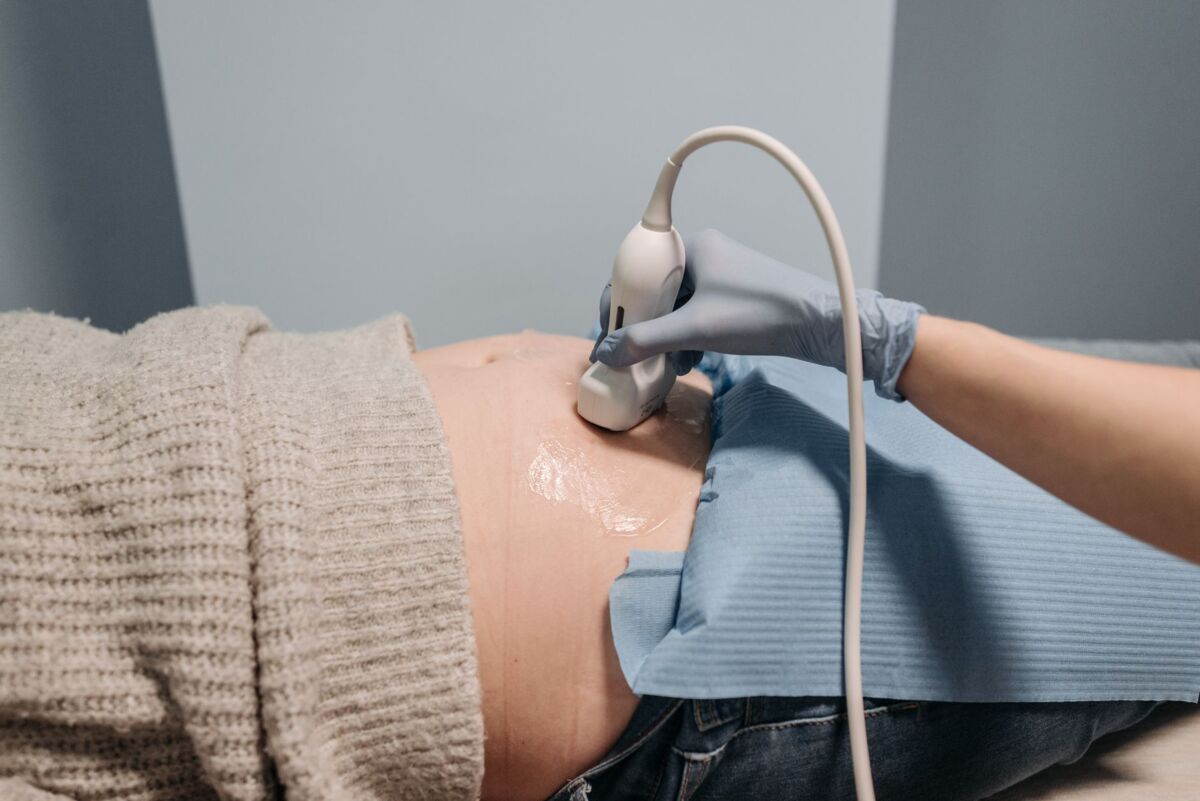
The MediSave Maternity Package lets Singapore Citizens and Permanent Residents use MediSave, the part of CPF set aside for healthcare, to pay for having a baby. It covers three buckets of cost. The first is the delivery procedure, whether a vaginal birth or a caesarean. The second is the daily hospital and ward charges for the days you are admitted. The third is your pre-delivery medical care, meaning the antenatal expenses you build up across the pregnancy, including doctor visits, ultrasound scans, lab tests and prescribed medication.
One detail surprises a lot of first-time parents. Even though you pay for antenatal care month after month, the MediSave withdrawal for it does not happen as you go. It is processed after you deliver, when your hospital submits the antenatal bills together with the delivery bill as one claim. So from the very first scan, start a folder and keep every antenatal receipt in one place.
What it covers, and the current limits
Rather than one flat cap, the package stacks three components, and what you can withdraw is the sum of them. The figures below reflect the limits that took effect on 1 April 2025. They are current limits, not permanent guarantees, so check cpf.gov.sg as they are revised over time.
- Pre-delivery medical expenses: up to around $900 (current limit, check cpf.gov.sg). This covers your antenatal consultations, scans, tests and medications, claimed after the birth.
- Delivery procedure: a surgical withdrawal limit that depends on the type of delivery, in the region of up to around $1,120 to $2,770 (current limit, check cpf.gov.sg). A normal vaginal birth sits at the lower end and a caesarean at the higher end.
- Daily ward and hospital charges: up to around $1,130 per day for the first two days, then up to around $400 per day from the third day onward (current limit, check cpf.gov.sg).
Put together, the headline change in 2025 was that a typical delivery episode, a two-day stay in a subsidised B2 or C-class ward plus related pre-delivery care, can now draw a higher combined amount: up to around $4,280 from 1 April 2025 (up from around $2,750 before). Your own total depends on your procedure, ward class and length of stay, so treat this as a ceiling for a typical case rather than a number to bank on.
Normal vs caesarean: why the delivery limit differs
The delivery procedure limit scales with how clinically involved the birth is, which is why CPF's withdrawal-limits table lists different amounts for different procedure types. As a guide to the structure, and again with the live figures to be confirmed on cpf.gov.sg, the limits layer roughly like this:
- Vaginal delivery, normal: the lowest delivery-procedure limit, around the $1,120 mark, with the daily ward and pre-delivery components added on top.
- Vaginal delivery, assisted (for example with forceps or vacuum): a higher procedure limit than a straightforward vaginal birth.
- Caesarean section: a notably higher limit, reflecting that it is a surgical procedure, reaching up to around the $2,770 mark.
- Caesarean with additional procedures (such as a tubal ligation done at the same time): the highest limits in the table.
Here is the trap. A caesarean lets you withdraw more from MediSave, but it usually costs more in absolute terms too, so a higher limit does not mean a smaller cash top-up. A longer recovery brings more ward days into play, alongside a bigger bill. Plan for the procedure your gynae recommends, not the one with the biggest limit.
How to claim, and who handles it
The good news is that you do not file a claim with CPF yourself. The hospital where you deliver handles the MediSave Maternity Package claim and submits it on your behalf. Your job is mostly to keep paperwork and tell the hospital what you want before discharge. The practical flow looks like this:
- Keep every antenatal bill and receipt, including those from clinics outside the delivery hospital, from the start of your pregnancy.
- Tell the hospital's business office in advance whose MediSave you want to draw from and the ward class you are booking.
- After the birth, submit your pre-delivery (antenatal) bills to the hospital, often through an online claims portal, so they can be added to the delivery claim.
- The hospital combines the pre-delivery, delivery and daily ward charges into one MediSave claim, applies the limits, and bills you the balance.
- Pay any amount above the limits in cash.
Public hospitals like KK Women's and Children's Hospital and Singapore General Hospital run dedicated maternity MediSave claim processes with online portals for antenatal bills, so ask their business office for the exact steps and any submission deadline. Sorting out leave around this time is its own project, and our guide to maternity and paternity leave in Singapore walks through the entitlements so the admin does not catch you off guard.
Whose MediSave can be used
You can use your own MediSave for your maternity expenses, and you can also use your spouse's MediSave, within the same limits. This matters when the mother's own balance is on the low side, for example if she is younger, self-employed with smaller contributions, or has already used MediSave for other healthcare. The hospital can draw from both accounts up to the applicable limits, so a husband's MediSave is a common backstop. Beyond a spouse, using someone else's MediSave generally follows CPF's family rules, so check with the hospital and CPF before assuming a parent's or sibling's account can be tapped.
Public vs private, and how insurance fits in
The package works at both public (restructured) and private hospitals, with the same limits in either setting. What differs sharply is the total bill. A private delivery is usually far more expensive, so a larger share falls outside MediSave and is payable in cash. In a subsidised public-hospital ward, a B2 or C-class delivery often sits fully or largely within the limits, which is why many subsidised deliveries end up with little or no out-of-pocket payment. Your choice of hospital and ward class is the single biggest lever on the cash you will need on top of MediSave.
It is also worth knowing where MediShield Life sits. MediShield Life does not cover routine childbirth, so a normal delivery or a routine caesarean and their charges are not claimable under it. That is the job of the MediSave Maternity Package. MediShield Life steps in for serious pregnancy and delivery-related complications needing inpatient treatment. Many parents also carry a private maternity rider for complications and congenital conditions, separate from both government schemes. None of these cover everything, so plan for some out-of-pocket cost.
What the package does NOT cover
Being clear on the gaps saves surprises at discharge. The package does not stretch to:
- Any part of the bill above the component limits, which is paid in cash.
- Routine delivery via MediShield Life, since MediShield Life does not cover normal childbirth.
- Most non-medical extras such as a room upgrade beyond the ward limit or hotel-style add-ons.
- Your baby's own costs after birth, which are a separate matter (see the schemes below).
How it sits alongside Baby Bonus, the CDA and the MediSave grant for newborns
The Maternity Package is just one piece of the new-parent money picture, and it is easy to mix up with the other schemes, so here is the clean distinction. The MediSave Maternity Package pays your maternity bills from MediSave. That is different from the Baby Bonus Cash Gift and the Child Development Account (CDA), which are cash and co-saving for your child after birth, and different again from the MediSave Grant for Newborns, which credits a sum into your baby's own MediSave (this grant was raised for Singaporean newborns born on or after 1 April 2025). These are separate schemes with their own figures, so check each on madeforfamilies.gov.sg and cpf.gov.sg rather than relying on numbers quoted elsewhere.
If you are mapping out the full cost of a newborn, our guide to budgeting for a baby in Singapore puts these schemes in context, and our explainer on Baby Bonus and government support covers the cash and CDA side. You can also browse all our parenthood and planning guides on the blog.
Practical tips for parents-to-be
- Check your MediSave balance early. Log in to CPF in the first trimester so you know whether you will need to lean on your spouse's account.
- Ask the hospital for a written cost estimate based on your ward class and expected procedure, so you can see how much will fall outside the limits.
- Keep one folder for every antenatal receipt and the delivery bill, because the pre-delivery claim depends on those documents.
- Decide in advance whose MediSave to draw from and tell the business office before discharge.
- Confirm the current limits on cpf.gov.sg close to your due date, since the figures are reviewed and can change.
- Set aside a cash buffer for the portion MediSave will not cover, especially if you are going private.
Frequently asked questions
Can I use MediSave for antenatal scans and checkups before the baby arrives?
Yes. Pre-delivery care such as consultations, ultrasound scans, tests and prescribed medications is covered, up to around $900 (current limit, check cpf.gov.sg). The catch is timing: the withdrawal is processed after you deliver, when your delivery hospital submits the antenatal bills together with the delivery bill. So keep every receipt from the start of the pregnancy.
How much MediSave can I actually withdraw for the whole delivery?
For a typical episode (a two-day subsidised ward stay plus related pre-delivery care) the figure commonly cited is up to around $4,280 from 1 April 2025 (current limit, check cpf.gov.sg). It is built up from the delivery limit (about $1,120 to $2,770), the daily ward limit (about $1,130 a day for the first two days, then about $400 a day) and the pre-delivery limit (about $900). Your own total depends on procedure, ward class and length of stay.
Does MediShield Life pay for my normal or caesarean delivery?
No. MediShield Life does not cover routine deliveries, including a normal caesarean, or their related charges. The MediSave Maternity Package is the scheme for the birth. MediShield Life only steps in for serious inpatient pregnancy and delivery-related complications. Confirm the details on cpf.gov.sg.
Will the package cover my whole hospital bill?
Not always. In a subsidised public-hospital ward it often covers most or all of the bill, but there are component limits and anything above them is paid in cash. Private-hospital bills are typically well above the limits, so expect a larger cash portion. Ask your hospital for an estimate based on your ward class and expected procedure.
Can my husband's MediSave pay for the delivery if mine is low?
Yes. Both your own and your spouse's MediSave can be used for your maternity expenses, up to the applicable limits. Tell the hospital's business office in advance which accounts you want drawn from. For other family members' MediSave, check the rules with CPF and the hospital first.
Is the MediSave Maternity Package the same as Baby Bonus or the CDA?
No. The Maternity Package pays your maternity bills from MediSave. Baby Bonus and the Child Development Account are separate cash and co-saving schemes for your child, and the MediSave Grant for Newborns credits your baby's own MediSave. They are different schemes with their own figures, so check each on madeforfamilies.gov.sg and cpf.gov.sg.
Where can I check the exact current dollar limits?
Go straight to CPF's How much MediSave can I use for my maternity expenses page and its linked withdrawal-limits document, plus madeforfamilies.gov.sg. These are updated when limits are revised, so they always reflect the figures that apply on your delivery date. When in doubt, confirm with your hospital's business office too.
- CPF Board - How much MediSave can I use for my maternity expenses
- CPF Board - MediSave Withdrawal Limits (effective 1 April 2025, PDF)
- MadeForFamilies - MediSave Maternity Package
- Ministry of Health - Reviewing MediSave Limits for Delivery Expenses
- KK Women's and Children's Hospital - MediSave Maternity Package (MMP) Claims

Baby Bonus and Parenthood Support in Singapore
A clear parent guide to Singapore's Baby Bonus: Cash Gift by birth order, CDA grant and dollar-for-dollar matching, Medi...
11 min read
Baby Bonus Payout Schedule in Singapore: When Each Scheme Actually Pays Out
When does Baby Bonus pay out? A clear guide to the Singapore payout schedule: Cash Gift instalments, CDA First Step and ...
9 min read