

Bonding with baby through play: a Singapore guide
In this article
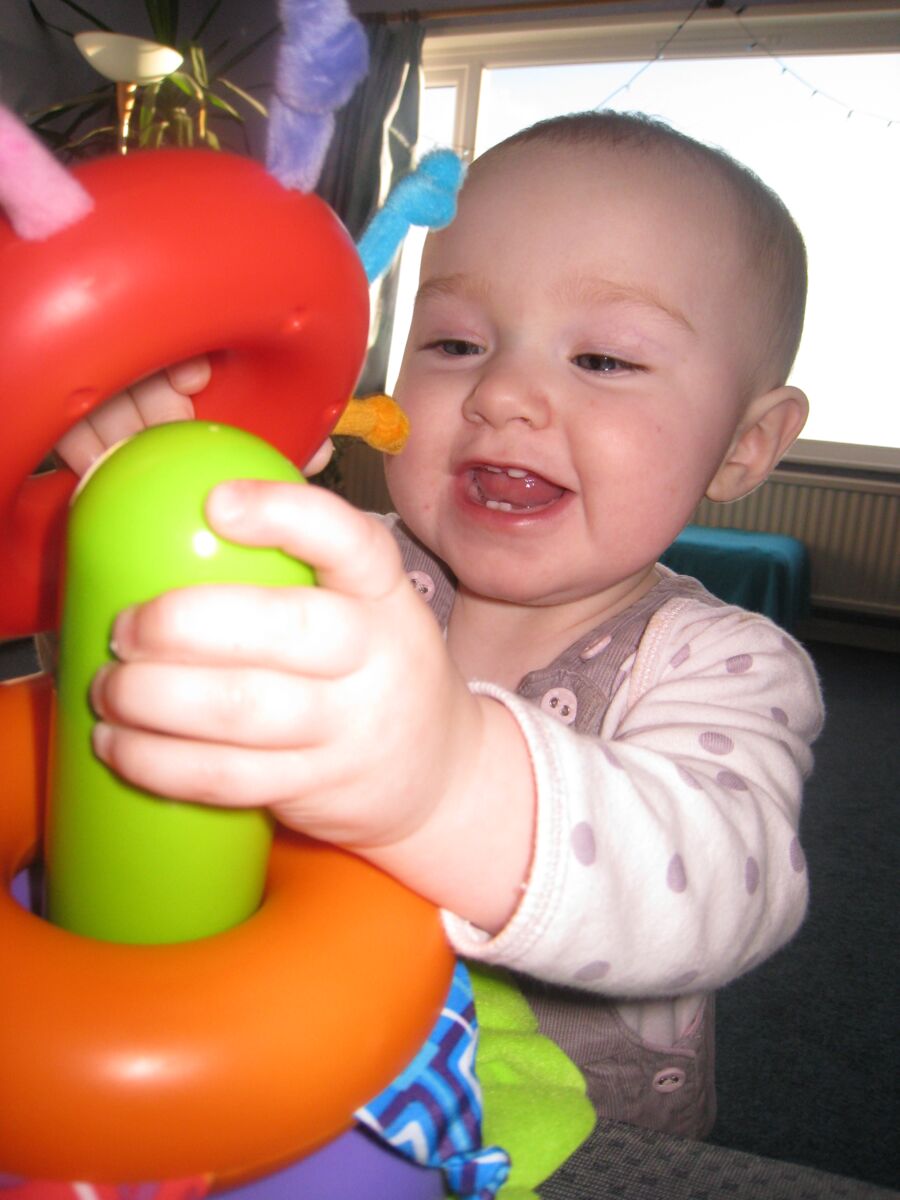
Bonding with baby through play is one of the simplest and most powerful things you can do in the first year, and the good news is that play itself IS the bonding. When you smile back, copy a coo, or wiggle a toy and watch your baby react, you are not just passing time. You are wiring a brain. Every warm, back-and-forth moment of play helps lay the foundations for language, emotional security and learning. You do not need a playroom full of gadgets or a parenting degree. You mostly need your face, your voice and a willingness to follow your little one's lead.
In Singapore, where many parents juggle work, helpers and grandparents, it can feel like play has to be scheduled or 'productive'. It does not. Ten minutes of focused, phone-down attention on the play mat does more for bonding than an hour of expensive classes. This guide walks through what play looks like from the newborn weeks to the first birthday, why everyday moments count just as much as toys, and how to read the cues your baby is already sending you.
Why play is how babies bond and learn
Researchers describe early bonding through a simple idea called 'serve and return'. Your baby serves: a babble, a gaze, a reaching hand, a giggle. You return: you respond with words, a smile, a touch, or by naming what they are looking at. This loop, repeated thousands of times, is the core of healthy brain development. It tells your baby that the world is responsive and safe, and it builds the neural connections behind speech and self-control.
Play is the natural setting for serve and return because it is relaxed, repetitive and joyful. When you play peekaboo, sing the same silly song for the hundredth time, or pause for your baby to 'reply' before you talk again, you are practising exactly the kind of responsive interaction that experts at organisations like Zero to Three and the American Academy of Pediatrics point to as the bedrock of development. The connection you feel during these moments is the bond forming in real time.
- Bonding is built through repetition, not grand gestures, so the boring-feeling games matter most.
- Responding to cues teaches your baby that their signals work, which builds trust and confidence.
- Face-to-face play supports early language long before your baby can say a single word.
- Your calm, attentive presence is the 'toy' that matters more than anything you can buy.
Simple play by age, from newborn to first birthday
Play changes a lot across the first year as your baby's vision, hands and mobility develop. You do not need to rush ahead. Offer what suits the stage your baby is in now, watch how they respond, and adjust. The table below maps each age band to a few easy ideas and what each one helps build. Keep sessions short and stop when your baby looks away, turns red, arches or fusses, because those are cues for a break.
| Age band | Simple play ideas | What it builds |
|---|---|---|
| 0-3 months | Face-to-face gazing, slow talking and singing, gentle tummy time on your chest, high-contrast black-and-white cards held close | Eye contact, early visual focus, neck and shoulder strength, sense of security |
| 3-6 months | Reaching for a light rattle, copying coos and 'conversations', floor tummy time, gentle bicycle legs during nappy changes | Hand-eye coordination, turn-taking, core strength, early speech sounds |
| 6-9 months | Peekaboo, dropping and retrieving toys, banging safe household items, sitting play with stacking cups | Object permanence, cause and effect, sitting balance, fine motor skills |
| 9-12 months | Rolling a ball back and forth, simple board books, point-and-name games, hiding a toy under a cloth | Social turn-taking, early words, memory, problem-solving |
Notice the pattern: as your baby grows, play moves from simply gazing at you, to grabbing and exploring, to back-and-forth games with you. For a fuller picture of what to expect month by month, see our guide to baby milestones month by month in Singapore, and remember that ranges are wide and your baby's own pace is normal.
Tummy time without the tears
Tummy time is play, not a chore. It builds the neck, shoulder and back strength your baby needs to roll, sit and crawl, and it gives a fresh view of the world. Start with a minute or two a few times a day from the newborn weeks, ideally after a nappy change rather than after a feed. Get down on the floor at eye level, put a mirror or high-contrast toy in front, and chat or sing. If your baby protests, try it on your chest while you recline. The bonding happens because you are right there, encouraging.
Everyday moments are bonding too
Some of the richest bonding does not happen during 'play' at all. It happens at the changing table, in the bath, and during feeds. These daily routines repeat many times a day, which makes them perfect for serve and return. Narrate what you are doing, make eye contact, sing the same bath song, blow a raspberry on a tummy, or pause to let your baby coo back. Your baby learns that they are safe, loved and worth talking to, every single time you respond warmly.
- Nappy changes: name body parts, do gentle leg bicycles, and keep a steady, sing-song voice going.
- Bath time: pour water, let your baby splash, describe the warm water and the bubbles.
- Feeding: gaze, stroke a hand, and keep the moment calm and unhurried rather than screen-distracted.
- Carrying and babywearing: narrate your day at the market or void deck so your baby hears language in context.
Reading aloud counts here too, and it is never too early. Even a newborn benefits from your voice, the rhythm of a story and the closeness of your lap. Chunky board books with big, simple pictures are ideal once your baby can focus and grab. You can read the same book daily; repetition is comforting and helps language stick.
What you do not need, and what to watch out for
It is easy to feel pressure in Singapore to buy flashcards, light-up toys and enrichment classes. You do not need any of them to raise a securely attached, well-stimulated baby. The most engaging toy your baby has is your responsive face. Simple, open-ended objects beat battery-powered ones, because they invite your baby to explore rather than just watch. A few safe household items, a ball, some stacking cups and books will carry you a long way.
Watch your baby's cues rather than the clock. Engaged babies make eye contact, reach out, coo and have relaxed hands and faces. A baby who needs a break may turn away, arch the back, splay the fingers, yawn, hiccup, go glassy-eyed or fuss. None of this means you are doing play 'wrong'. It simply means it is time to slow down, soothe and try again later. Following these signals is itself a powerful form of bonding, because it shows your baby that you understand them.
If you want to think more about the balance between letting your baby explore freely and guiding play, see our piece on free play vs structured play in Singapore. For the wider context of those early weeks, our newborn care basics guide covers feeding, soothing and settling, all of which weave into bonding too.
Frequently asked questions
How much should I play with my baby each day?
There is no magic number. Aim for several short bursts of focused, face-to-face play spread through the day, woven around feeds, naps and routines, rather than one long session. A few minutes of genuine, phone-down attention is worth more than an hour of distracted play. Let your baby's cues guide when to start and when to stop, and remember that everyday moments like nappy changes and baths count as bonding too.
Is screen time really a problem for bonding?
For babies under about 18-24 months, paediatric guidance recommends avoiding screen media apart from video chatting with loved ones. The reason is simple: babies bond and learn language through real, responsive interaction with people, and screens cannot return a serve. Video calls with grandparents can be lovely if you stay involved, talking and pointing together, but a tablet left running on its own does not support bonding the way you do.
What if my baby cries or turns away during play?
That is normal and useful information, not a sign of failure. Turning away, arching, splayed fingers, yawning or fussing are cues that your baby has had enough stimulation for now. Slow down, cuddle, dim the lights or move somewhere quieter, and try again when your baby is calm and alert. Responding gently to these signals teaches your baby that you understand and respect their limits, which strengthens the bond rather than weakening it.
Do I need to buy special toys or join classes?
No. The single most important resource for bonding and brain development is your warm, responsive attention, and that is free. Simple, open-ended items such as a ball, stacking cups, board books and a few safe household objects are plenty in the first year. Classes can be enjoyable for parents who want the routine or community, but they are optional extras, not a requirement for a securely attached, well-stimulated baby.

Baby Bonus and Parenthood Support in Singapore
A clear parent guide to Singapore's Baby Bonus: Cash Gift by birth order, CDA grant and dollar-for-dollar matching, Medi...
11 min read
Baby Bonus Payout Schedule in Singapore: When Each Scheme Actually Pays Out
When does Baby Bonus pay out? A clear guide to the Singapore payout schedule: Cash Gift instalments, CDA First Step and ...
9 min read