

Cruise from Singapore: A Family Guide to Sailing with Kids
In this article
- Where cruises leave from in Singapore
- The kinds of cruises you can take
- What makes a cruise genuinely good for families
- Choosing the right cabin
- What a fare includes, and what it does not
- Practical prep before you sail
- Getting to the terminal and embarkation day
- Beating the crowds and the weather
- Frequently asked questions
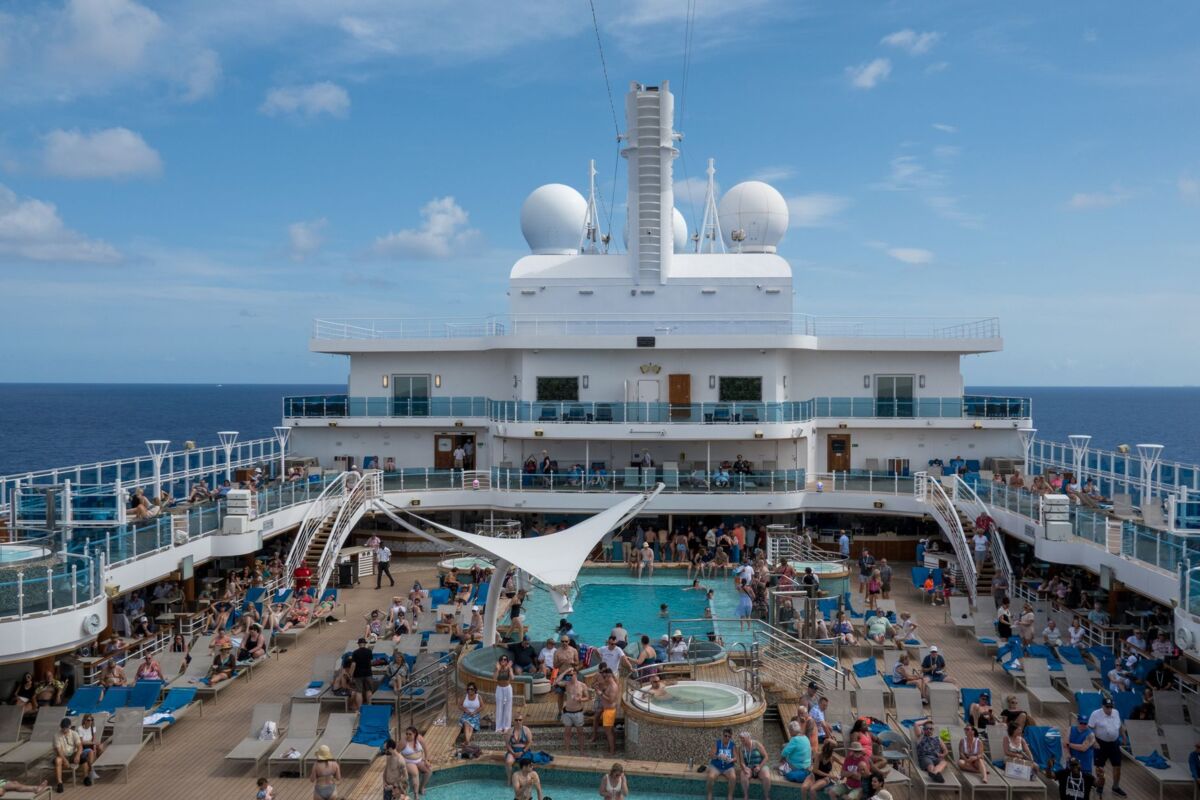
A cruise might be the easiest family holiday you ever book. You unpack once, the kids have a club to disappear into, meals are sorted, and the view changes while everyone sleeps. For Singapore families the best part is how close it all is: ships sail straight out of the city, so there is no long-haul flight or jet lag to survive first. This guide is for parents weighing up a first cruise from Singapore with kids, especially anyone travelling with a baby, a fussy toddler or a mixed-age crew. We will cover what makes a sailing genuinely family-friendly, how to choose the right ship and cabin, what a fare really includes, and the practical bits to sort before you board.
Where cruises leave from in Singapore
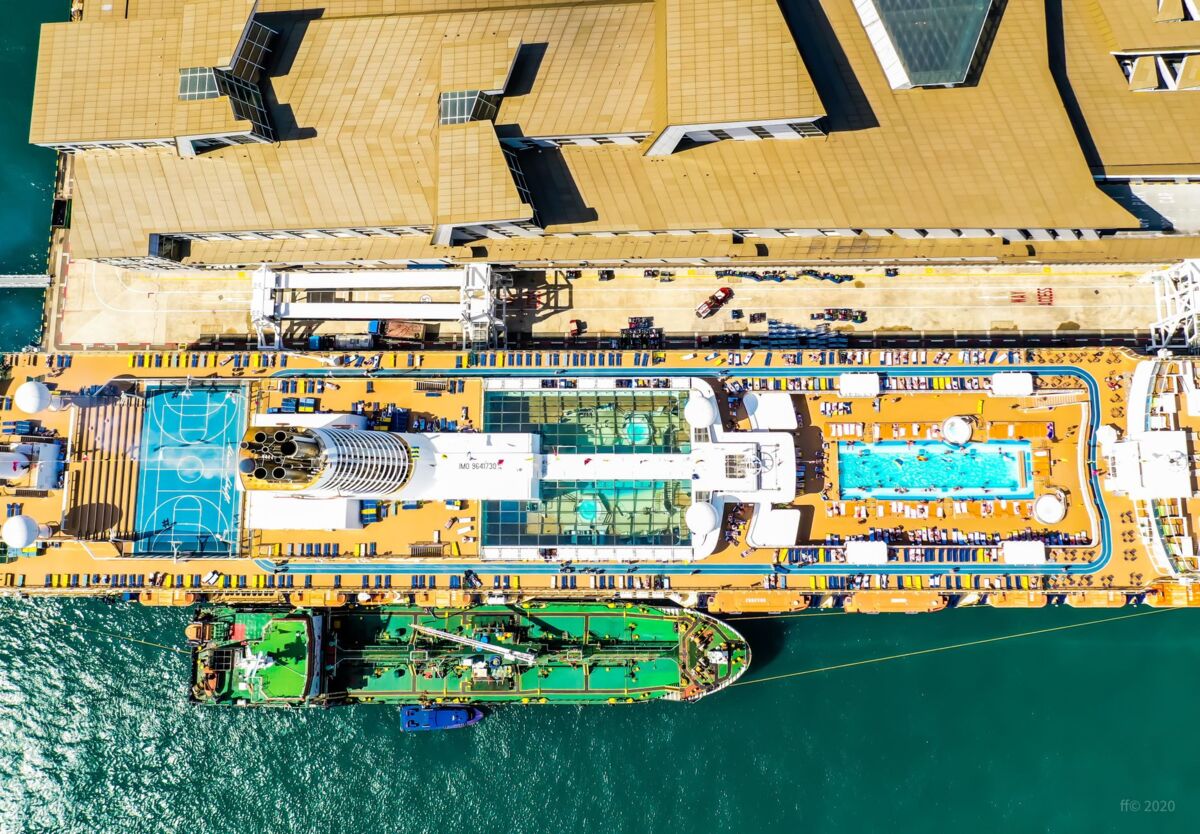
Almost all the big family ships sail from the Marina Bay Cruise Centre Singapore (MBCCS) near Marina South Pier, the larger, newer terminal where both Royal Caribbean and Resorts World Cruises (Genting Dream) home-port their Singapore sailings. The older Singapore Cruise Centre at HarbourFront, next to VivoCity and Sentosa, handles smaller ships and some regional routes. The two sit on opposite sides of the island, so the single most useful thing you can do is check the exact terminal on your booking before you leave home. One quirk: MBCCS only opens on days when a ship is at berth.
The kinds of cruises you can take
Sailings from Singapore broadly split into two shapes, and the right one depends almost entirely on your kids' ages and how they handle new routines.
- Short getaways (2 to 4 nights). Quick round-trips, sometimes a sea-day hop where the ship is the destination, sometimes a single port call. These are the gentlest way to test cruising with young children, fit a holiday into a long weekend, and learn whether your toddler loves or loathes life at sea before committing to anything longer.
- Regional itineraries (4 nights and up). These call at nearby ports such as Penang, Phuket, Port Klang (for Kuala Lumpur) or islands around Batam and Bintan, mixing sea days with shore excursions. They suit older kids who like exploring a new place then retreating to a familiar cabin.
Ships and itineraries rotate by season, so treat any specific route or sail date you read anywhere (including here) as a starting point and confirm current sailings and prices on the cruise line's own website. If you would rather keep a first family trip on dry land, our guides to a Bintan family getaway and a Batam family getaway cover the same island region by ferry.
What makes a cruise genuinely good for families
Not every ship is built with children in mind, and the difference between a great family sailing and a long, fractious one comes down to a handful of features. When you compare options, look for these.
- Kids' clubs split by age. The best ships run free, supervised, age-banded clubs with proper daily programming. Royal Caribbean's Adventure Ocean splits into Aquanauts (ages 3 to 5), Explorers (6 to 8) and Voyagers (9 to 12), with separate teen spaces on top. Age bands matter because a five-year-old and an eleven-year-old want completely different things.
- A nursery for under-threes. If you have a baby or toddler, check whether the ship has a supervised nursery. Royal Caribbean's Royal Babies and Tots Nursery, for example, takes children from 6 to 36 months for drop-off sessions, usually for an hourly fee. The main clubs typically need children to be at least 3 and toilet-trained, so the nursery bridges the gap.
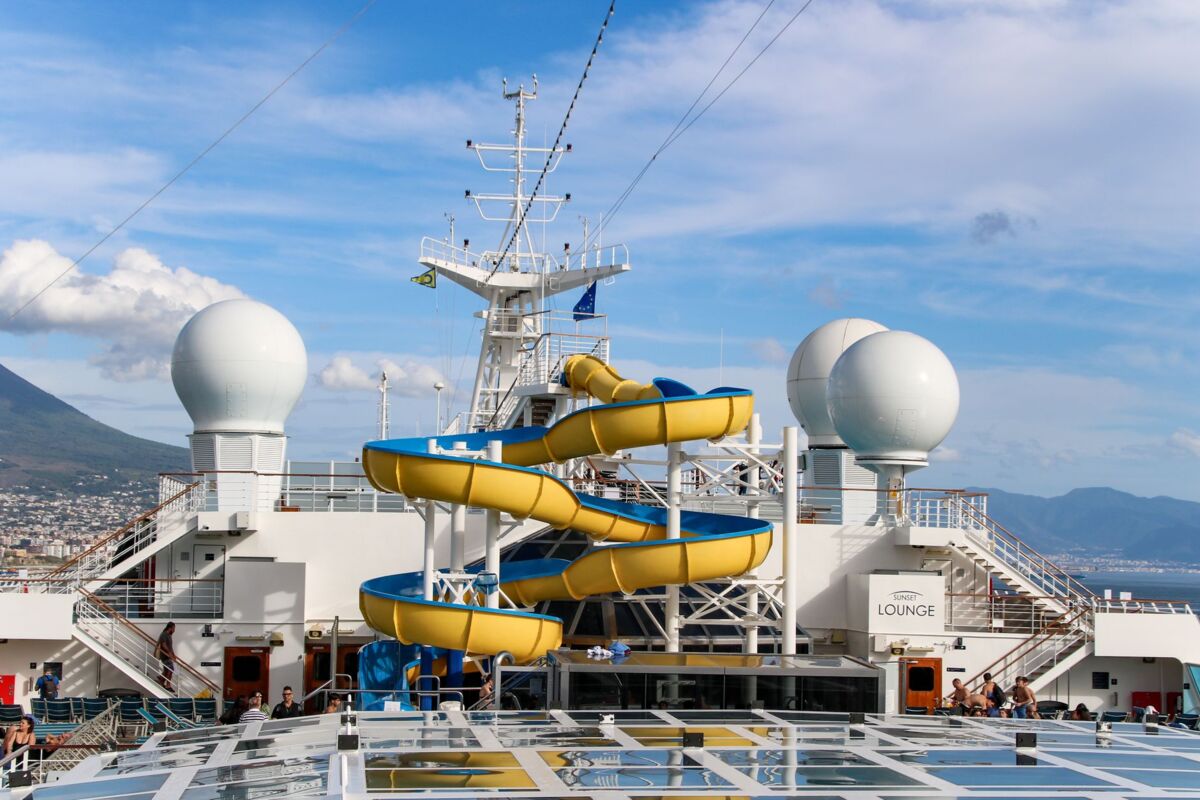
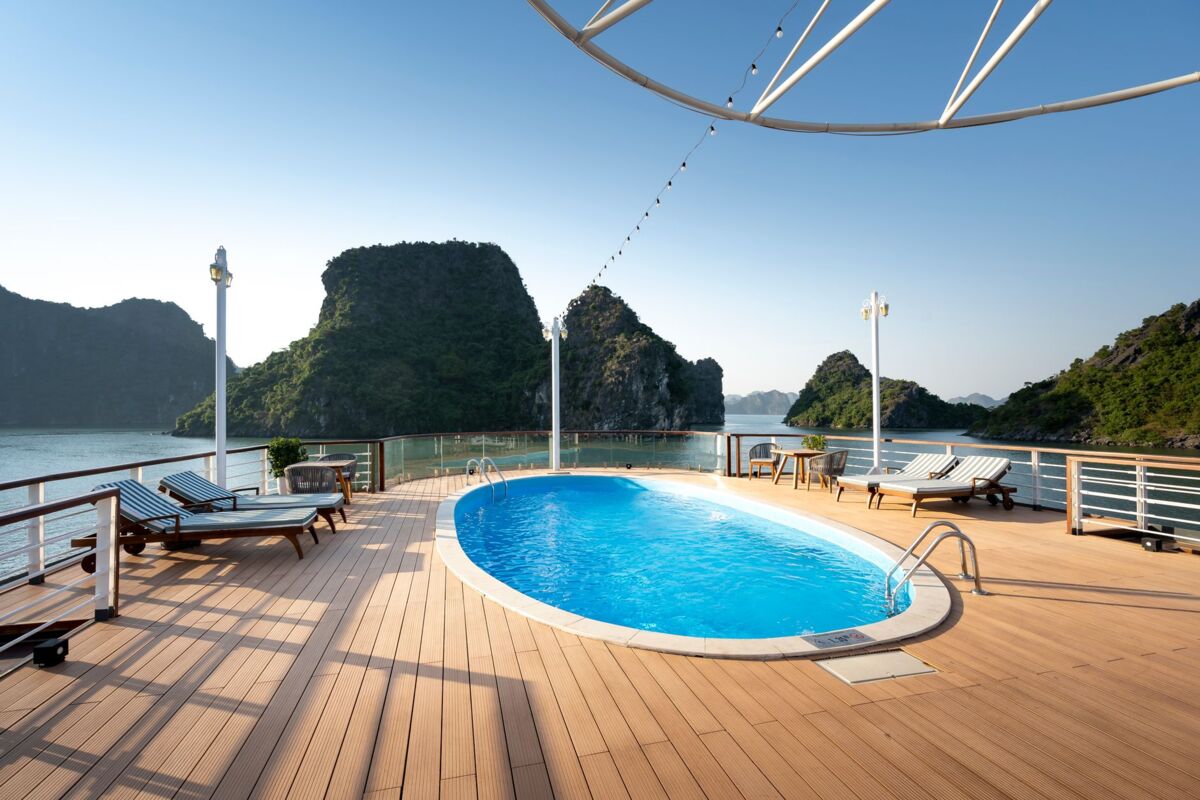
- Water play for every size. Splash zones and shallow pools for toddlers, plus slides and bigger pools for older kids. On a hot sea day this is where families lose entire afternoons happily.
- Family-sized cabins. Connecting rooms, or staterooms that genuinely sleep four or more with a sofa bed and storage for the gear (more on these below).
- Flexible dining. Buffets for fuss-free meals, proper kids' menus, and early or anytime seatings that work around a toddler's bedtime.
- Shows and characters. Deck parties, stage productions and character meet-and-greets fill the evenings without a single screen, which is half the appeal of a cruise.
Choosing the right cabin
Your cabin is where the family decompresses, so it deserves more thought than a click on the cheapest option. The main types, roughly from cheapest up, are interior (no window, budget-friendly and dark for naps), oceanview (a window, no outdoor space), balcony (a private sliver, lovely but means watching the railing with small kids), and family staterooms that sleep four to six.
- Interior vs balcony. An interior cabin keeps costs down and stays pitch-dark for naps; a balcony buys light, air and a place to sit once the kids are asleep - just never leave young children out there unsupervised.
- Connecting cabins. For families of five or more, two connecting cabins can be cheaper and roomier than one big suite, and give older kids a little independence.
- Position on the ship. A mid-ship cabin on a lower or middle deck feels steadier in any swell, and being near a lift or close to the kids' club and pool saves carrying tired toddlers around the ship.
What a fare includes, and what it does not
This is where first-time cruising families get a surprise on the final bill. The headline fare is generous - it normally covers your cabin, most main dining and the buffet, the kids' clubs, the pools and slides, and the stage shows. But a long list of extras is not included, and they add up fast with a family. Budget for these, and decide which you actually want before you sail.
- Gratuities. Most lines add a daily service charge per guest to your onboard account, children included, so factor it in across the family.
- Drinks and Wi-Fi. Soft drinks, specialty coffees, alcohol and internet usually cost extra unless you buy a package; tap water, plain tea and basic juice at the buffet are typically free.
- Specialty dining. The main dining room and buffet are included, but the nicer restaurants carry a cover charge.
- Shore excursions. Organised tours at each port are an add-on. You can sometimes explore independently for less, but never miss the all-aboard time - the ship leaves without you.
- Nursery and signature activities. Drop-off nursery sessions, arcade games and a few headline activities carry their own fees.
Practical prep before you sail
Passports and visas for port calls
Every traveller needs their own valid passport, babies included - there is no sharing on a parent's document. As a working rule, keep each passport valid for at least six months beyond your travel dates, since many countries require this for entry, and renew early. The Immigration and Checkpoints Authority (ICA) is the official source for Singapore passport rules and processing times, and consistently advises applying well ahead of travel. If your itinerary calls at ports in Malaysia, Thailand or Indonesia, check each country's current entry rules for your nationality, as visa requirements differ and can change.
Infant and age minimums
This trips up a lot of new parents. Major lines such as Royal Caribbean generally require infants to be at least 6 months old as of the first day of the cruise, rising to 12 months for longer voyages or any sailing with three or more consecutive days at sea. A baby below the minimum age is denied boarding with no refund for the family, so confirm the exact rule on your specific sailing before you pay. The same goes for nursery and kids' club age cut-offs.
Sea legs and seasickness
Most short regional sailings out of Singapore are smooth, but some children and adults still feel queasy on a first trip. Pick a lower, mid-ship cabin, keep dry snacks and water handy, and pack whatever remedy your doctor or pharmacist recommends for your child's age - do not improvise adult medication for little ones. Acupressure wristbands suit families who prefer to avoid medicine, and a shorter first cruise is the kinder test for anyone genuinely prone to motion sickness.
Babies, toddlers, nappies and strollers
Cruising with a baby is very doable, but plan around two realities. The main kids' clubs usually need children to be 3 and out of nappies, so under-threes rely on the paid nursery or on you; and ships are not always deeply stocked on baby essentials, which are priced for a captive audience. Bring more nappies, wipes and formula than you think you need, a familiar comfort item, and a thin travel changing mat for the compact cabin bathroom - the nursery and family bathrooms have changing facilities, and many ships will warm a bottle if you ask. A lightweight foldable stroller earns its keep on long walks, but some shore excursions and tender ports (where you transfer to land by small boat) are not stroller-friendly, so pack a soft carrier as backup.
Getting to the terminal and embarkation day
Reaching Marina Bay Cruise Centre is straightforward: take the North-South (Red) Line to Marina South Pier MRT, then it is roughly a five-minute walk, and on cruise days a looped shuttle runs between the station and the terminal. If you would rather drive, MBCCS offers advance carpark reservation through its official site, worth doing in peak periods. For HarbourFront, the North-East and Circle Lines stop right at HarbourFront MRT, connected to VivoCity.
- Check in online and download the cruise app first. The app usually holds your boarding pass, daily schedule, deck maps and dining bookings in one place.
- Book activities early. Slots for the nursery, specialty restaurants, character meets and headline shows fill up fast - reserve through the app the moment booking opens, not when you board.
- Arrive in your assigned window. Turning up in your slot with documents and booking reference ready beats queueing for an hour with restless kids.
- Use the family lanes. Most terminals have dedicated lanes for families with young children and prams - look for them.
Beating the crowds and the weather
The November to February school-holiday window is the busiest, priciest time to sail, so family and connecting cabins go early - book months ahead if those dates are fixed, or sail just outside peak periods for cheaper, quieter ships if your kids are not yet school-age. Onboard, the pools and slides are calmest first thing in the morning and during dinner sittings. A wet-weather plan rarely worries you either: a good family ship has plenty of indoor backup - kids' clubs, indoor pools, arcades and theatres - so a sudden downpour does not sink the day.
If you arrive early or have hours to fill after disembarking, both terminals sit near family-friendly spots: HarbourFront puts you minutes from Sentosa and VivoCity, while Marina Bay is a short ride from Gardens by the Bay. For food with the kids near either terminal see our eat picks, and for more ways to fill a half-day browse play.
Frequently asked questions
How young can my baby be to cruise?
Major family lines such as Royal Caribbean set a minimum of 6 months as of the first day of the cruise, rising to 12 months for longer voyages or any sailing with three or more consecutive sea days. Confirm the exact rule on your specific sailing, because boarding is refused for an underage infant with no refund.
Do my kids need their own passports?
Yes. Every traveller, including a baby, needs their own valid passport, ideally with at least six months' validity beyond your travel dates. Apply or renew early through ICA so you are not caught short close to sailing, and check entry rules for each port country.
Is there childcare for babies and toddlers onboard?
Often, yes, but usually a separate paid nursery rather than the free kids' club. Royal Caribbean's nursery, for example, takes children from 6 to 36 months for drop-off sessions for an hourly fee, while the main Adventure Ocean clubs start at age 3 and need children to be toilet-trained. Always confirm the ages and fees for your ship.
What is the best age to take kids on a cruise?
Cruising works at almost any age, but the sweet spot for most families is roughly 4 to 12, when children can enjoy the kids' club and pools fairly independently. Babies and toddlers are doable on a short sailing if you plan around nappies and the nursery, and teens get their own dedicated spaces.
How much does a family cruise from Singapore cost?
It varies enormously by line, cabin type, length and season, so we will not quote a figure that could mislead you. Budget the fare plus the extras above - gratuities, drinks, Wi-Fi, specialty dining and shore excursions - and pull live prices and current sailings from the cruise line's official website, confirming the departure terminal on the booking.
A cruise from Singapore is one of the simplest ways to give the whole family a change of scene without a single airport queue. Pick a short sailing to start, match the ship and cabin to your kids' ages, sort passports and infant rules early, and budget for the extras. For more easy trips close to home, see our guide to a Desaru family getaway or browse the wider travel section.
- Royal Caribbean Singapore (official) - cruises from Singapore
- Royal Caribbean - International Age Policy (infant minimum age)
- Royal Caribbean - Adventure Ocean kids and teens program
- Marina Bay Cruise Centre Singapore (MBCCS) official site
- ICA Singapore - advice for travelling abroad and passport validity
- ICA Singapore - apply for a passport

Babymoon Singapore: when to go, where to stay and how to travel safely
Planning a babymoon Singapore mums-to-be will love? See the best trimester to travel, staycation vs short-haul ideas, an...
9 min read
Bali With Kids: A Family Holiday Guide From Singapore
Planning Bali with kids from Singapore? The short flight, entry rules, best family areas, things to do, and real parent ...
11 min read
Batam With Kids: A Family Getaway Just a Ferry Ride From Singapore
Planning Batam with kids? Our family guide covers the short ferry from Singapore, resorts with pools, things to do, mone...
11 min read