

Glamping Singapore: A Family Guide to Glamorous Camping
In this article
- What glamping is (and how it differs from DIY camping)
- Where to go glamping in Singapore
- Pitching your own tent: the NParks permit rules
- What is usually included, and what to bring
- Keeping kids safe and comfortable
- Toddlers versus older kids: what suits which age
- Booking tips and timing
- Frequently Asked Questions
If the dream is a night under the stars but the reality of hauling a tent, an air pump and a cooler box fills you with dread, glamping is the happy middle ground. Short for glamorous camping, it hands you the outdoorsy bits (sea breeze, fairy lights, the thrill of sleeping somewhere new) while someone else does the heavy lifting. This guide is for Singapore families who want a real outdoor adventure without roughing it: nervous first-time campers, toddlers who still nap, and older kids itching for a beach bonfire vibe. We will cover what glamping is, where to go, what you get versus what you bring, the permit rules for pitching your own tent, and how to keep little ones safe.
What glamping is (and how it differs from DIY camping)
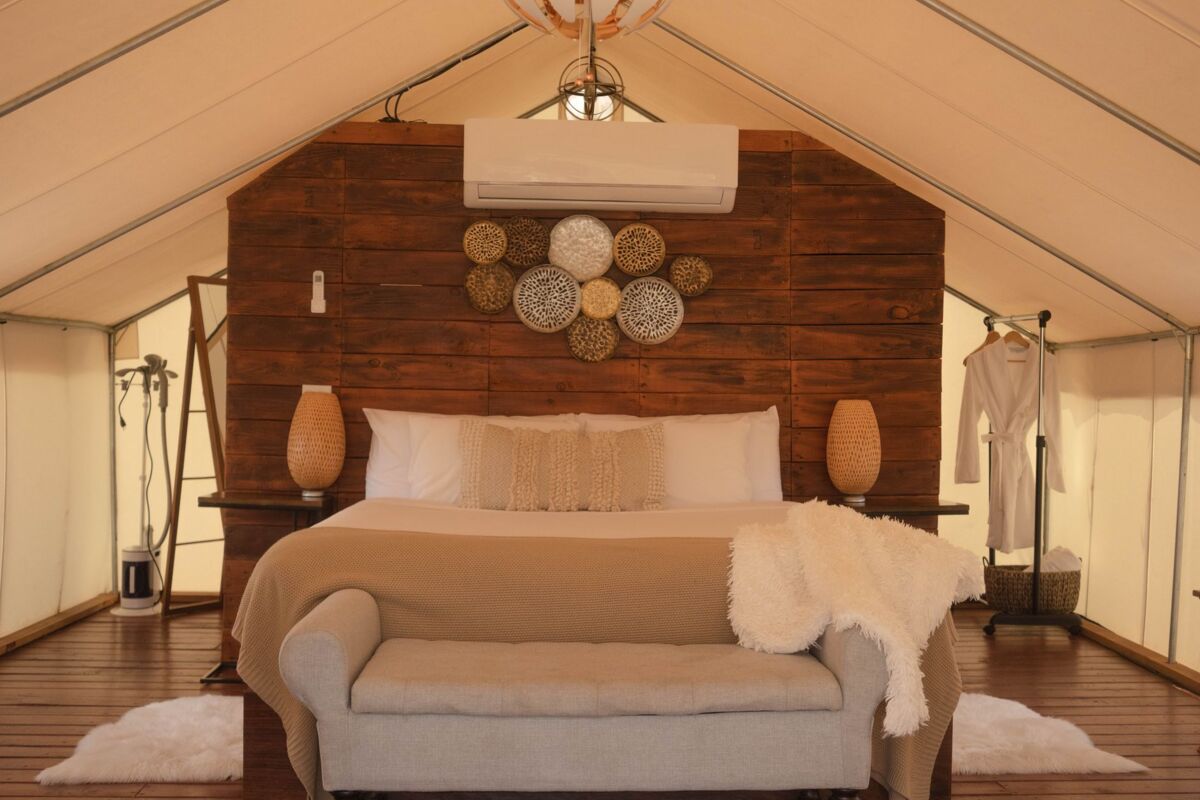
At its simplest, glamping means walking into a tent that is already pitched and furnished, so you can drop your bag and flop onto a proper bed. Across Singapore operators that usually means a pre-set bell or canvas tent with a real mattress (often a queen or a couple of singles), fresh linen, pillows, towels and warm lighting. Many add fans or air-conditioning, which genuinely matters in our heat, plus extras like picnic mats, a welcome drink or board games. Some sit beside shared toilets and showers; others bundle in a barbecue pit. Inclusions vary a lot, so read the listing line by line before you pay.
Glamping is not the same as classic camping, where you bring and pitch your own tent. DIY camping is cheaper and more rugged, but you handle everything: the tent, sleeping mats, lighting, and a free NParks permit if you pitch at a designated public beach area. Glamping operators typically take care of the setup, gear and any permit paperwork for you, which is why it suits families short on time, storage space or patience. Think of it as the gateway: a comfortable first taste of the outdoors you can graduate from later.
Where to go glamping in Singapore
Family glamping here tends to cluster in a few areas: the beaches at our coastal parks, the offshore islands, and Sentosa. Operators open and close fairly often and leases change hands, so before you set your heart on a spot, confirm it is still running and check current prices and availability on its official site. Packages are usually priced per tent per night and vary widely by location and inclusions, so compare the whole package, not just the headline rate.
Beach and park glamping (East Coast, West Coast, Pasir Ris)
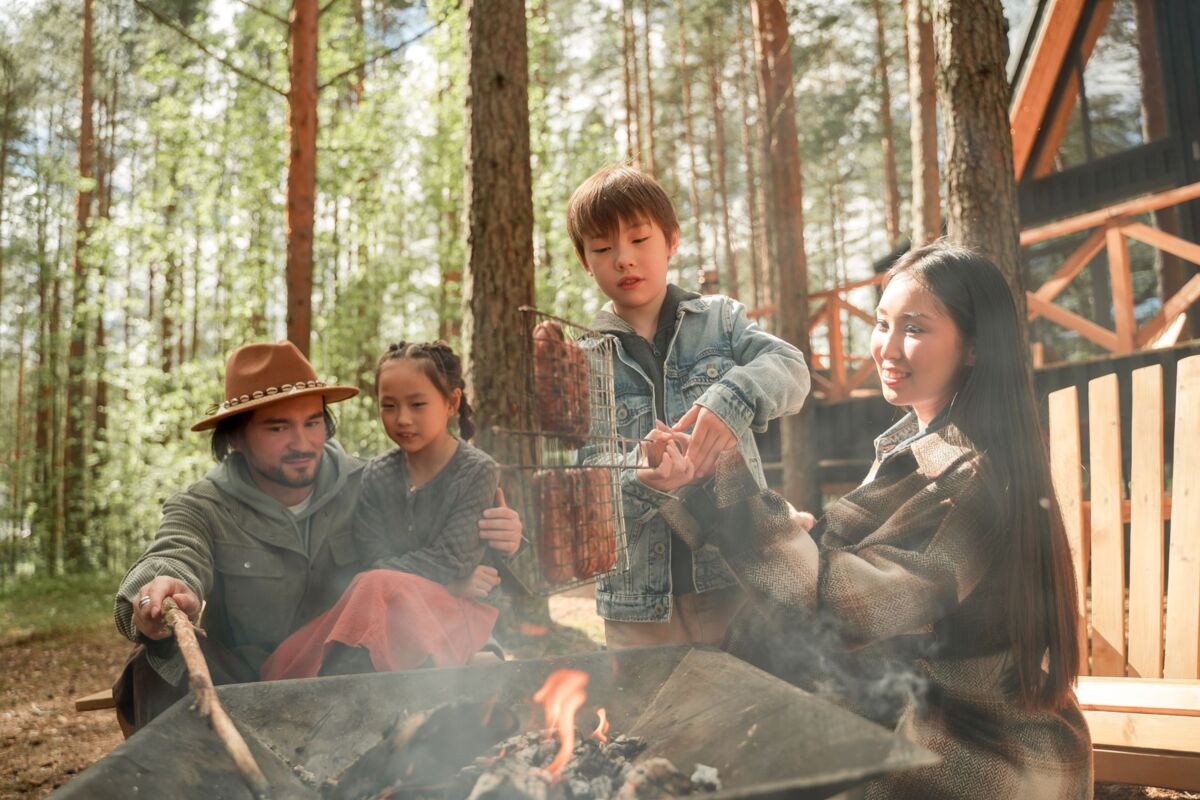
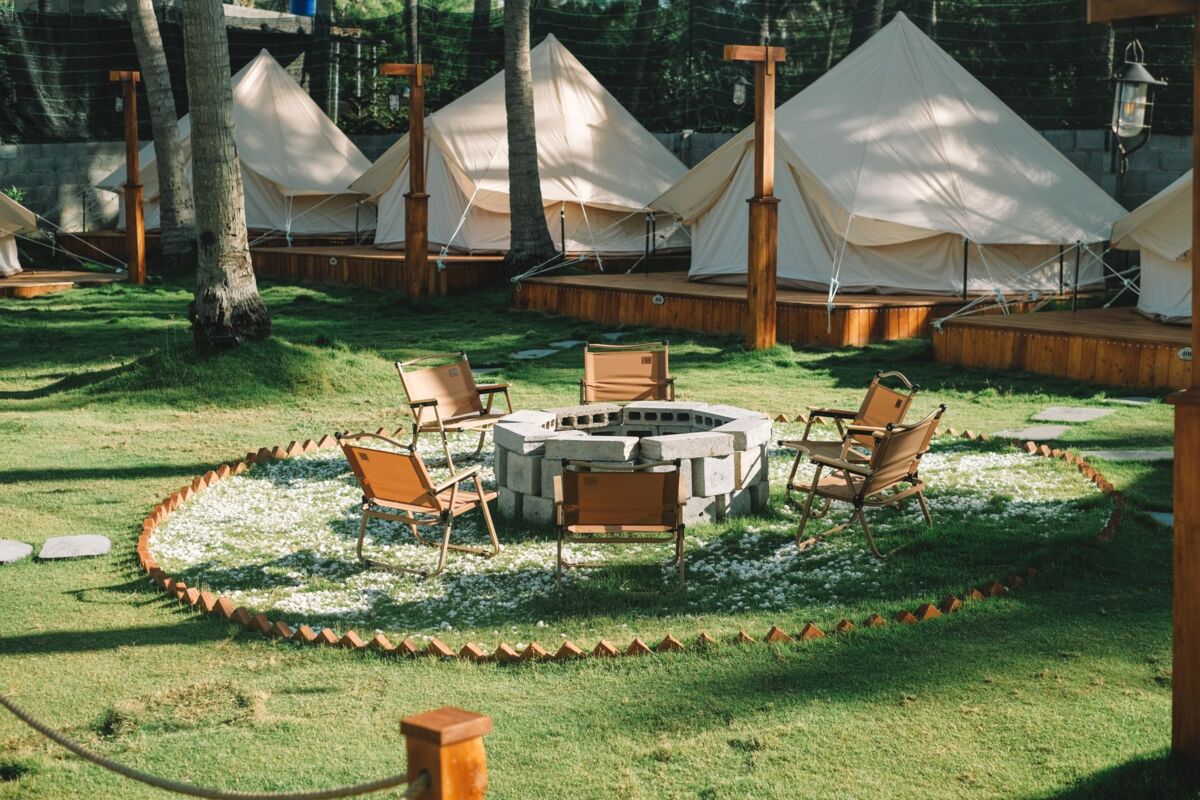
The most popular family option is a furnished tent on the sand at a coastal park. East Coast Park is the busiest hub, with operators such as Go Glamping SG and The Glamp Camp setting up decorated tents, often on weekends. You will also find tents at West Coast Park and Pasir Ris Park. Expect a styled tent with a bed, linen and lighting, frequently bundled with a picnic spread. These pitches are brilliant for first-timers and younger kids because you are never far from toilets, food stalls, cycling paths and playgrounds. One thing to confirm: at some locations the operator handles the NParks permit for you, while at others you may need to apply yourself, so check the booking instructions.
The offshore islands: Lazarus Island and beyond
For a getaway that feels properly removed from the city, island glamping is hard to beat. Lazarus Island, a short ferry ride from the mainland, is the best-known spot, home to boutique glampsites such as Into the Woods with quiet beaches and a slower pace. Air-conditioned tents, calm swimming spots and the novelty of a boat ride make islands a memorable choice for older children who can handle the extra travel. Our Lazarus Island family guide covers the ferry, the beaches and what to pack.
Sentosa and one-of-a-kind experiences
Sentosa hosts occasional premium glamping and overnight experiences, sometimes tied to its attractions, which tend to run on select dates rather than any weekend you fancy. These are pricier and book out fast, so they suit a special-occasion trip. Always confirm whether a Sentosa experience is currently offered, plus its dates and inclusions, on the official operator page.
Backyard and indoor glamping at home
Do not overlook the easiest option of all, especially with toddlers and preschoolers: glamping at home. A bell tent in the living room or a teepee on the balcony, strung with fairy lights and stuffed with cushions, delivers a huge chunk of the magic with none of the logistics, and some operators will even set up a themed indoor tent for a birthday. There is no travel, no mosquitoes, the real bathroom is down the hall, and you can abort to actual beds the moment a meltdown hits. It is also a perfect dress rehearsal before the real thing outdoors.
Pitching your own tent: the NParks permit rules
If you want to go the DIY route and pitch your own tent, the rules are worth getting right. In Singapore, camping with your own tent is only allowed in designated areas on permitted days, and you need a free camping permit from NParks. Designated beach camping areas at parks such as East Coast Park and Pasir Ris Park are the usual spots. You apply online through NParks, the permit costs nothing, and camping is generally restricted to certain days, so you cannot simply turn up any night and set up. Check the current designated areas, permitted dates and how to apply on the official NParks website before you plan a DIY trip; rules and sites do change. The good news for glamping families is that operators usually sort the permit and setup for you, so you can skip this step if you book a package.
What is usually included, and what to bring
The beauty of glamping is that shelter and bedding are handled, so you can pack light. What a furnished setup typically includes, and what tends to be left to you, looks roughly like this. Always verify the exact inclusions with your operator.
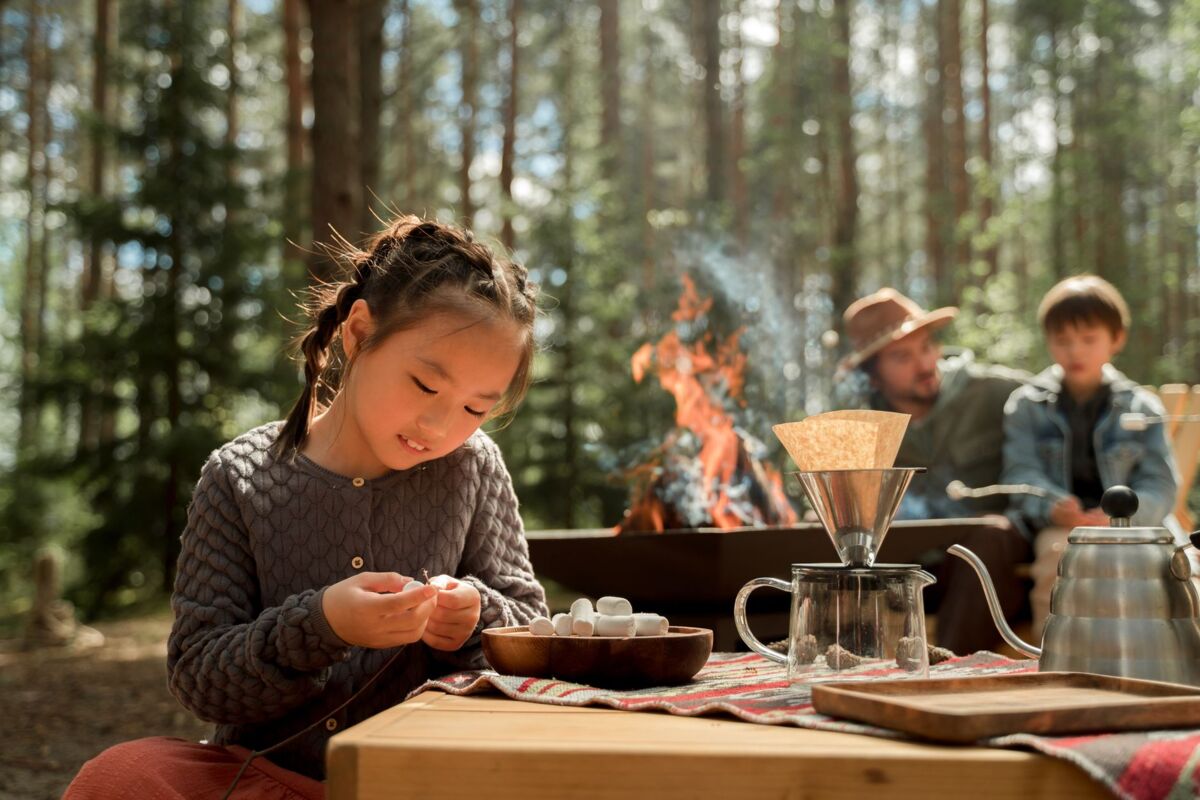
Commonly included: the tent, a real bed with linen and pillows, lighting (often fairy lights), and frequently a fan or air-con. Sometimes included: towels, a picnic or barbecue setup, snacks or a welcome drink, board games, and access to nearby toilets and showers. Usually not included: your own food and drinks beyond any welcome treat, charcoal or cooking gear unless stated, and any NParks permit if you are pitching independently.
A short family packing list to smooth the night:
- Swimwear, a change of clothes, and a light layer for the evening breeze
- Reef-safe sunscreen, hats and insect repellent (mosquitoes love the coast at dusk)
- A small torch or head-lamp for night-time toilet runs
- Refillable water bottles and familiar snacks for fussy eaters
- Wet wipes, a quick-dry towel and a bag for sandy or wet clothes
- A comfort item that helps your child sleep: a soft toy, a night-light, their own pillow
- Phone chargers and a power bank, as not all tents have outlets
- Basic medication, plasters and a first-aid kit
- For babies: diapers, a changing mat and a familiar sleep setup
Keeping kids safe and comfortable
Most family glamping is low-risk, but the outdoor setting adds a few things to watch: water, fire, sun and heat. Near the beach or a swimming lagoon, supervise children closely at all times, even strong swimmers, and agree on boundaries before they run off. If your tent has a barbecue pit, keep little hands clear of hot coals and never leave a lit fire unattended. During the day the sun is fierce, so reapply sunscreen, push fluids and build in shade and quiet time so nobody gets heat-grumpy by mid-afternoon. At night, a torch by each bed prevents trips to the toilet, and a quick mosquito sweep before lights-out makes for calmer sleep.
It also helps to manage expectations. Tents are warmer and noisier than a hotel room, and a fan-only setup can feel sticky on a humid night, so an air-conditioned tent is worth the premium with young children. If you are torn between a glamping night and the comfort of four walls and a pool, our roundups of family chalets in Singapore and family staycations in Singapore lay out the gentler alternatives.
Toddlers versus older kids: what suits which age
The right trip depends a lot on how old your children are. For babies and toddlers, prioritise temperature control, a safe sleep arrangement and being close to toilets and a changing spot. An air-conditioned beach tent near facilities beats a remote fan-only island pitch every time, and a backyard or indoor tent is often the smartest starting point. Keep the schedule loose around naps and do not be precious about bailing early.
For older kids and tweens, the adventure factor is the whole point. They will relish a ferry ride to an island, a beach bonfire vibe where allowed, stargazing and cycling along the park connectors. They cope better with fan-only tents, longer travel and a later bedtime, so islands and rustic setups open up. A mixed-age family can usually compromise at a coastal park, where facilities keep the little ones content and the beach keeps the big kids busy.
Booking tips and timing
You can glamp here all year, but some months are kinder. February to April is generally drier with more sunshine, while the wettest, stormiest stretch is usually November to January during the northeast monsoon. If you book in those wetter months, choose a venue with air-con and a clear rain policy. Weekends and school holidays are busiest, and popular tents and island ferries fill up quickly, so reserve early and check the cancellation terms. When you compare options, look past the nightly rate to what is included, how many the tent sleeps, whether it is fan-cooled or air-conditioned, the toilet access at that spot, and the check-in and ferry times. If you are planning a wider stretch of family travel, our Desaru family getaway guide pairs nicely with a local glamping night.
Frequently Asked Questions
Is glamping suitable for babies and toddlers?
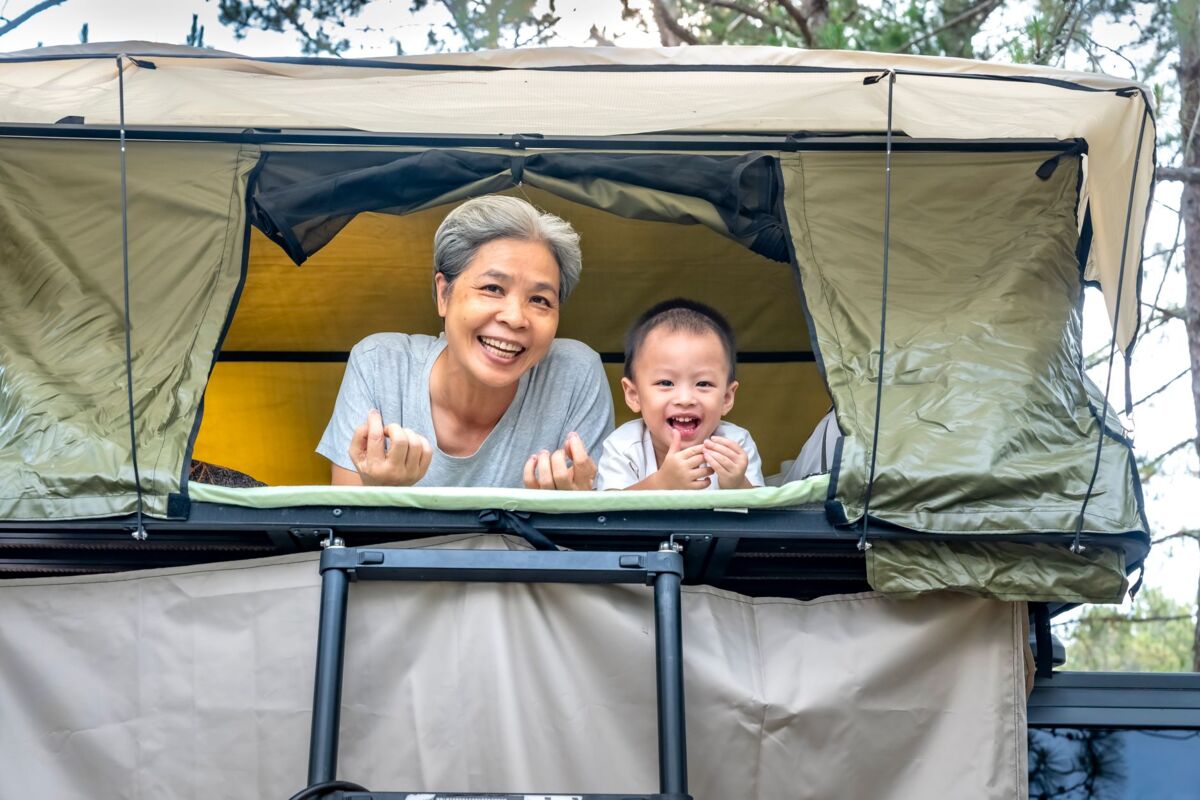
It can be, with the right setup. Think about temperature control, safe sleep and how close you are to facilities. An air-conditioned tent near toilets is far easier with little ones than a fan-only beach pitch, and a backyard or indoor tent is the gentlest introduction. Bring familiar sleep items and keep the night flexible around naps.
Do I need a camping permit to go glamping?
If you book a glamping package, the operator usually handles any permit and setup, so you do not need to apply yourself. You only need a permit if you are pitching your own tent, in which case you must apply for a free NParks camping permit and stick to designated areas on permitted days. Check the official NParks website for the current DIY rules.
Is glamping cheaper than a hotel staycation?
Not necessarily. Packages are priced per tent per night and vary widely by location and inclusions; basic beach tents can be affordable, but premium or island glamping can match or exceed a hotel night. You are paying for the experience as much as the bed, so weigh it against a chalet or staycation.
What happens if it rains?
Sudden downpours are common here, so this matters. Ask the operator about their wet-weather and cancellation policy before you pay, and favour an air-conditioned tent if you are booking during the wetter November to January months. Pack a backup plan for indoor entertainment, and keep your itinerary loose so a stormy evening does not derail the whole trip.
How do I get to island glamping spots?
Island glamping such as the sites on Lazarus Island is reached by a short ferry from the mainland, with ferry arrangements usually set out in your booking. Coastal park glamping at East Coast, West Coast or Pasir Ris is reachable by bus or MRT and a short walk or cycle. Check the latest access and ferry timings on the operator's site.
Glamping is one of the easiest ways to give kids a genuine outdoor adventure without anyone assembling a tent in the dark. From an air-conditioned beach tent for the toddler years to a ferry-ride island night for older kids, there is a version that fits most families. Confirm current prices, availability and inclusions (and that the venue is still open) with each operator before you commit, sort any permit if you are going DIY, and enjoy.
Babymoon Singapore: when to go, where to stay and how to travel safely
Planning a babymoon Singapore mums-to-be will love? See the best trimester to travel, staycation vs short-haul ideas, an...
9 min read
Bali With Kids: A Family Holiday Guide From Singapore
Planning Bali with kids from Singapore? The short flight, entry rules, best family areas, things to do, and real parent ...
11 min read
Batam With Kids: A Family Getaway Just a Ferry Ride From Singapore
Planning Batam with kids? Our family guide covers the short ferry from Singapore, resorts with pools, things to do, mone...
11 min read