

Farms in Singapore: A Family Guide to the Kranji Countryside
In this article
Singapore is mostly glass towers and aircon, but there is a corner in the northwest where the pace slows right down, the air smells like soil instead of mall food court, and your kids can watch a goat get milked before lunch. The farms in Singapore are clustered in the Kranji countryside and the neighbouring Lim Chu Kang and Sungei Tengah stretch, and most of them cost little or nothing to walk into. This guide is for parents who want a real outdoor morning with toddlers, preschoolers or primary-aged kids - the kind of trip that teaches them where food comes from without feeling like a lesson. Because several Kranji farms have changed hands, closed or relocated in recent years, we focus on the types of farms you will find and what to expect, and we link each farm's official channel so you can confirm the day's opening before you load everyone into the car.
Why families love the Kranji farms
A farm morning is hands-on learning that does not feel like learning. Little ones get to feed animals, smell the hay, see vegetables growing in the ground rather than shrink-wrapped on a shelf, and run around in the open instead of a play area. For parents it is a genuine change of scene, easy on the wallet, and it pairs neatly with a nature walk or a casual farm-to-table meal. The trade-off is that this is rural by Singapore standards: gravel paths, uneven ground, patchy phone signal and very little shade. Go in expecting that and the whole thing is a delight. For more open-air ideas across the island, browse our play hub.
The types of farms you will find
Rather than a fixed list of must-visits, it helps to think in categories, because the line-up shifts from year to year. Knowing the type tells you roughly what your kids will get to do.
Goat farm (the toddler favourite)
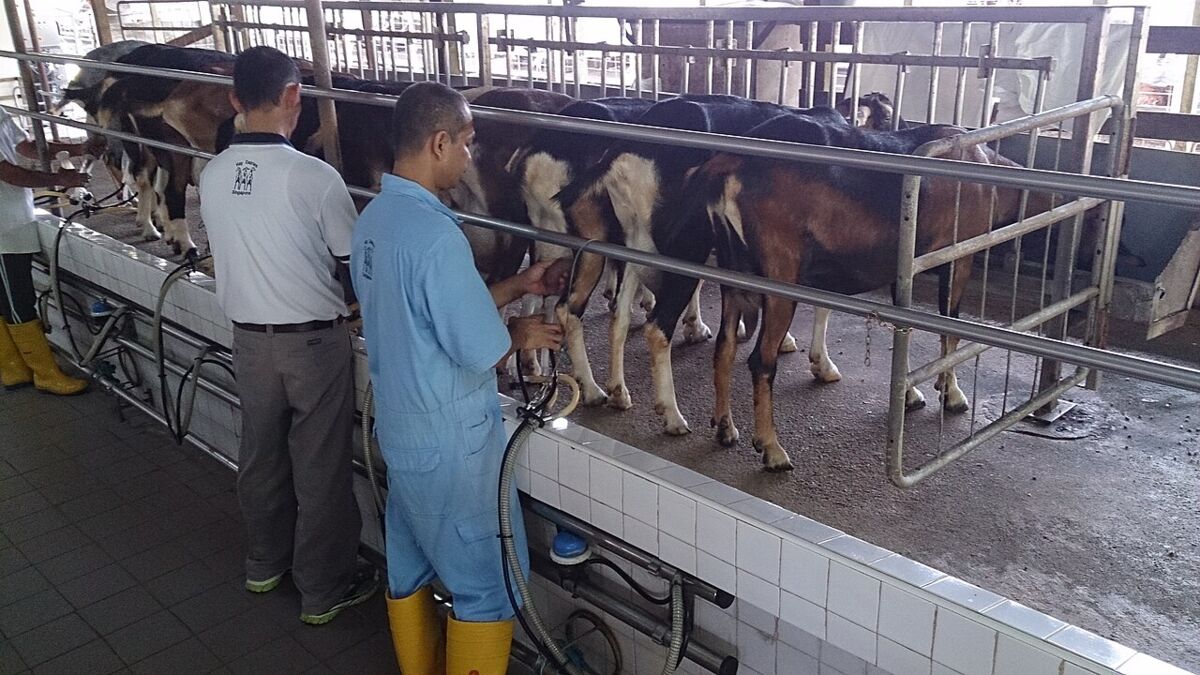
Hay Dairies is Singapore's only goat farm and the easiest win for the youngest children. Hundreds of goats live here, and the simple thrill of holding out a handful of feed while a goat nibbles it is a guaranteed hit. The morning milking session is the highlight, so arrive early. At the time of writing the official site lists opening from 9am to 4pm and closure every Tuesday, with no entrance fee for individuals and families (small groups), and a small charge for a packet of feed. Hours, open days, milking times and feed prices do change, and the farm has relocated within the northwest, so confirm everything on the official Hay Dairies site first. Best for: babies in carriers through to about age eight.
Dairy and cow farms
Singapore still has a small dairy scene, and some family-run cow farms let you meet the animals and take home fresh milk, usually as part of a paid family visit or booked tour rather than a free walk-in. These tend to be quieter and more intimate than the goat farm, which suits children who find big crowds overwhelming. Because availability and booking arrangements for cow and dairy visits change often, treat any such trip as bookable in advance and confirm directly with the farm before going.
Vegetable and produce farms
Kok Fah Technology Farm is a long-running, family-owned vegetable farm on Sungei Tengah Road, and its official site currently lists a weekend market open to the public from 9am to 5pm on Saturdays and Sundays, with weekdays reserved for booked guided tours (no walk-ins). Families can wander among leafy greens, browse the plant nursery and take home fresh produce. Bollywood Farms, still widely known by its former name Bollywood Veggies, is a leafy, walkable farm with labelled plots of fruit, vegetables and flowers, a sit-down bistro on site, and the occasional monitor lizard to spot. These farms suit kids who enjoy a gentle garden stroll and a meal or market stop more than a petting-zoo rush. Confirm open days, tour bookings, admission and dining on each official site before visiting. Best for: preschoolers and up who can walk a loop without a stroller.
Fish, shrimp, bee and other specialty farms
Beyond animals and vegetables, the northwest and the wider island have hosted aquaculture and prawn farms, an inland shrimp farm with guided tours and tastings, bee and honey operations, and ornamental fish nurseries. Many of these run on a booked-tour model rather than casual walk-ins, and several have a minimum age or are better for school-aged children who can follow a guide. They make a great change of pace for older kids, but always book ahead and confirm the experience is still running, as specialty farms come and go.
Costs: what to actually budget
This is one of the cheapest outings in Singapore, which is half the appeal. The pattern across most farms is that entry is free or low-cost, and you pay small amounts for the add-ons:
- Entry: Often free for families and individuals at the goat farm and the weekend vegetable market. Some farms or booked tours charge a per-family or per-person fee. Confirm on the official site, as policies change.
- Animal feed: A packet to feed the goats is a small cash sum, and kids will usually want more than one.
- Guided tours and workshops: Paddy planting, terrarium making and similar hands-on sessions are paid and usually need booking.
- Food and produce: Budget for a bistro meal or a market haul of fresh greens, eggs or herbs to take home.
- Transport: A private-hire ride to the gate is the biggest single cost if you are not driving.
Getting there and around the Kranji area
The farm belt is spread out, and the venues are too far apart to walk between comfortably in the heat with kids. Plan each leg before you set off, because the nearest bus stop and the walk from it vary by farm.
- Driving or private hire: By far the easiest option with young children. Many farms have free on-site parking, and a ride straight to the gate spares everyone a hot walk. This is what we would recommend for a stroller-and-toddler crew.
- Public bus and MRT: Buses run into the countryside from northwest MRT stations including Kranji and Choa Chu Kang. Check the specific route to your chosen farm on a journey planner, and expect a short walk at the other end.
- Combining with Sungei Buloh: If you are using the nature reserve as a second stop, note that bus 925 runs from Kranji MRT to Sungei Buloh on weekdays and 925M on Sundays and public holidays.
Practical parent stuff: toilets, nursing and strollers
This is where Kranji differs sharply from a mall outing, and it is worth setting expectations before you go.
- Toilets: Basic farm toilets exist at the larger, established venues, but they are no-frills. Take everyone before you leave home and again at any proper rest stop.
- Nursing and diaper changes: Do not count on a dedicated nursing room or a change table. A nursing cover, a portable changing mat and a wet bag will save you. The visitor centres at Sungei Buloh Wetland Reserve are a more reliable bet for facilities if you need them mid-trip.
- Strollers: Paths range from paved at some farms to gravel and uneven at others. A sturdy stroller is fine for the vegetable farms and the wetland boardwalks, but a baby carrier is far easier at the goat farm and on rougher ground. If in doubt, bring the carrier.
- Shade and seating: Limited. Plan to be done before midday and have a backup indoor plan for the afternoon.
What else is nearby
The farms pair beautifully with a gentle nature outing. Sungei Buloh Wetland Reserve, Singapore's first ASEAN Heritage Park, sits in the same corner. NParks lists it as open daily with free admission, with mangrove boardwalks and a chance to spot monitor lizards, mudskippers, otters and, from around August to April, migratory birds. It is wheelchair and stroller friendly along the main routes, which makes it a comfortable second stop. Nearby Kranji Marshes is another quiet nature option. If you want a more structured outdoor day elsewhere on the island, our Bukit Timah Nature Reserve family guide and our Admiralty Park family guide are easy follow-ups, and the Bird Paradise guide works well as a rainy-day animal alternative. For meals beyond the on-site bistros, browse our eat hub.
A sample half-day plan
If you want a ready-made morning that works for most ages, here is the shape we would use:
- Leave home early and aim to reach the goat farm soon after opening to catch the milking and beat the heat.
- Spend an hour feeding goats and letting little ones roam, then move on before the midday sun.
- Head to a vegetable farm or the weekend market for a stroll and to pick up fresh produce, or stop at a farm bistro for an early lunch.
- If energy holds, finish with a short, shaded section of the Sungei Buloh boardwalk to spot wildlife, then home for naps.
Good to know before you go
- Bring cash. Animal feed and small purchases may be cash-only, and signal can be patchy out here.
- Sun protection is non-negotiable. Hats, sunscreen and more water than you think you need. Mornings are cooler and the animals are more active.
- Pack insect repellent. You are near wetlands and greenery, so mosquitoes are common, especially later in the day.
- Dress for mud. Closed covered shoes beat sandals on gravel and damp ground, for kids and adults.
- Hand sanitiser and wipes. After animal contact and before snacks, every time.
- Have a rainy-day backup. Most of this is outdoors with little shelter, so if the forecast turns, swap in an indoor outing like our ArtScience Museum guide and save the farm for a clear day.
- Go early, leave early. Beat the heat, catch the morning animal activity, and you will still have time for a second stop.
Frequently asked questions
Are the Kranji farms free to enter?
Many are free or low-cost. The goat farm and the weekend vegetable market have generally offered free entry, with small charges for feed, guided tours or special activities, while some cow and specialty farms run on a paid or booked-tour basis. Fees and open days change, so confirm on each farm's official website before you go.
Which farm is best for toddlers?
The goat farm is the strongest pick for the youngest children, because feeding the goats is simple, safe and a big hit, and you can carry a baby through it easily. Vegetable farms and the weekend market suit families who prefer a gentle garden walk with a meal or fresh produce at the end.
How long do I need at the farms?
Allow roughly one to two hours per farm. Many families combine two stops, or one farm plus Sungei Buloh, into a half-day morning before the heat peaks.
Are the farms stroller friendly?
It varies. The vegetable farms and the main wetland boardwalks handle a stroller fine, but the goat farm and rougher gravel ground are easier with a baby carrier. If you are unsure which farms you will hit, bring the carrier as backup.
What if it rains?
Most farm activity is outdoors with little shelter, so a wet morning is best postponed. Keep an indoor alternative ready - an animal attraction, a museum or an indoor play space - and save the farm for a clear, cooler day.
Can we still visit Jurong Frog Farm?
Not as a walk-in. The public farm permanently closed in early 2023 when the land was returned to the authorities. The business still runs an online shop and arranges occasional bookable meetups and school or corporate visits, so check its official site rather than turning up at the gate.
Planning more outings? Explore the play hub for kid-friendly ideas across Singapore, and check what's on for seasonal events.
Admiralty Park Family Guide: Singapore's Playground With the Most Slides
Family guide to Admiralty Park, the Singapore playground with the most slides. Play zones by age, inclusive swings, mang...
11 min read
Archery in Singapore: A Family Guide to Beginner Sessions for Kids
Archery in Singapore for families: how beginner sessions work, suitable ages for kids, indoor vs outdoor ranges, safety ...
9 min read
ArtScience Museum Family Guide: Future World, Tickets and Tips for Singapore Parents
A Singapore parent's guide to the ArtScience Museum: Future World with kids, tickets, the Family Friday free-child deal,...
9 min read