

Archery in Singapore: A Family Guide to Beginner Sessions for Kids
In this article
- Why archery works so well for families
- What a first beginner session is actually like
- Recurve, compound, and archery tag: what beginners shoot
- Suitable ages, strength, and maturity
- Safety: the rules, the briefing, and why it is so controlled
- Indoor versus outdoor ranges
- Parent-and-child, birthdays, and group sessions
- What to wear and bring
- How to choose a range and a coach
- Getting there, costs, and timing
- Frequently asked questions
Hand a child a bow for the first time and something shifts. They square their shoulders, go quiet, and the busy world shrinks to one circle of colour at the end of the lane. Archery in Singapore has quietly become one of the best family activities going: many ranges are indoor and air-conditioned, coaches are used to nervous first-timers, and a beginner session needs zero gear and zero experience from you. This guide is best for families with primary-school kids and up who want a calm, screen-free outing that rewards focus over speed, covering what a first session involves, suitable ages, safety, indoor versus outdoor ranges, costs, and how to choose a range. Ages, prices, and timings change, so confirm details on the operator's site first.
Why archery works so well for families
Most kids' sports reward whoever is fastest, tallest, or most fearless. Archery does the opposite. It is low-impact, and a good shot comes from a steady stance, slow breathing, and a clean release rather than raw strength. That levels the field: a focused nine-year-old can out-shoot a sporty adult, and watching that happen is half the fun.
- It builds focus and patience. Every arrow is a small repeatable routine of stance, draw, aim, and release, and the target gives instant honest feedback. Kids who struggle to sit still often surprise their parents.
- The wins are visible. Landing an arrow on the target, then nudging it nearer the gold, is an immediate hit of pride.
- It is indoor and weather-proof. Several ranges are air-conditioned, making archery a reliable fallback when it is pouring or the haze rolls in.
- It is genuinely mixed-age. Coaches adjust bow weight and distance per person, so a parent, teen, and younger sibling can all shoot the same session at their own level.
What a first beginner session is actually like
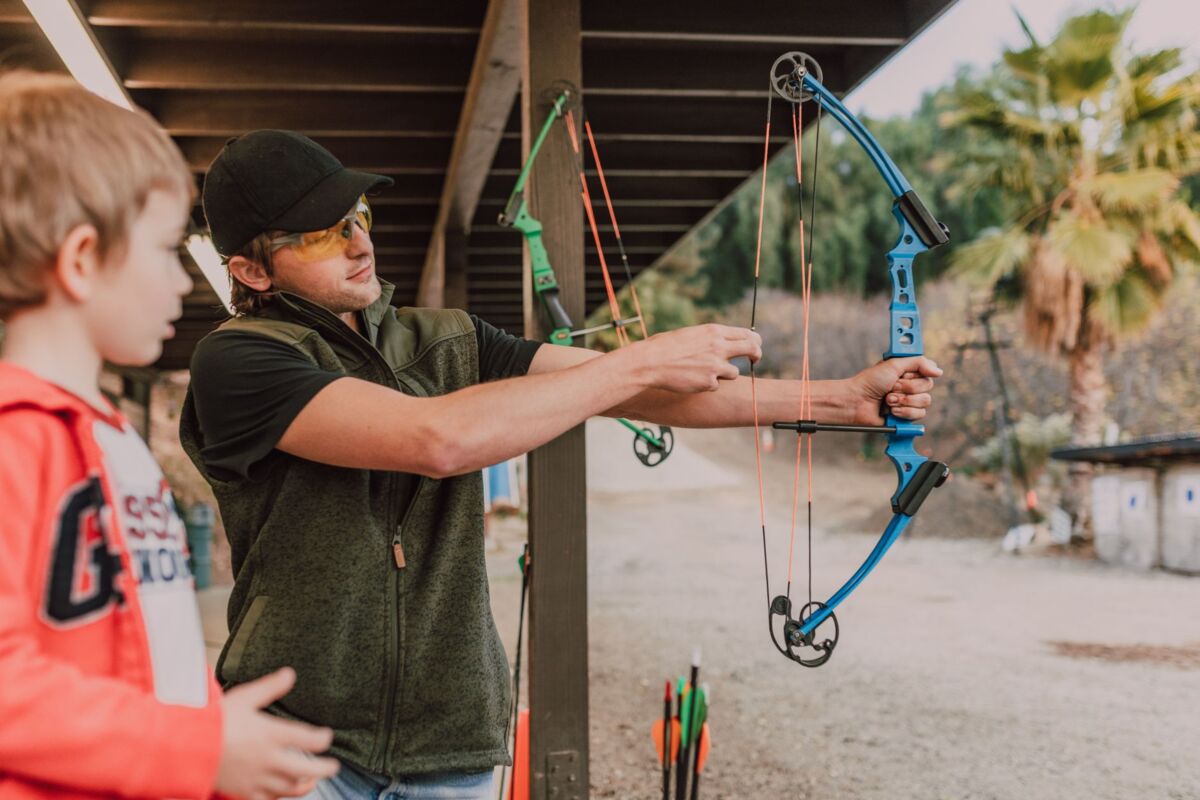
You do not need to know or own anything to begin. A first-timer session opens with a short safety briefing, then the coach teaches the basics: where to stand, how to hold the bow, how to nock the arrow, how to draw back to a consistent anchor point near the cheek or chin, and how to release without snatching. You will be fitted with an arm guard and a finger tab to protect your forearm and drawing fingers.
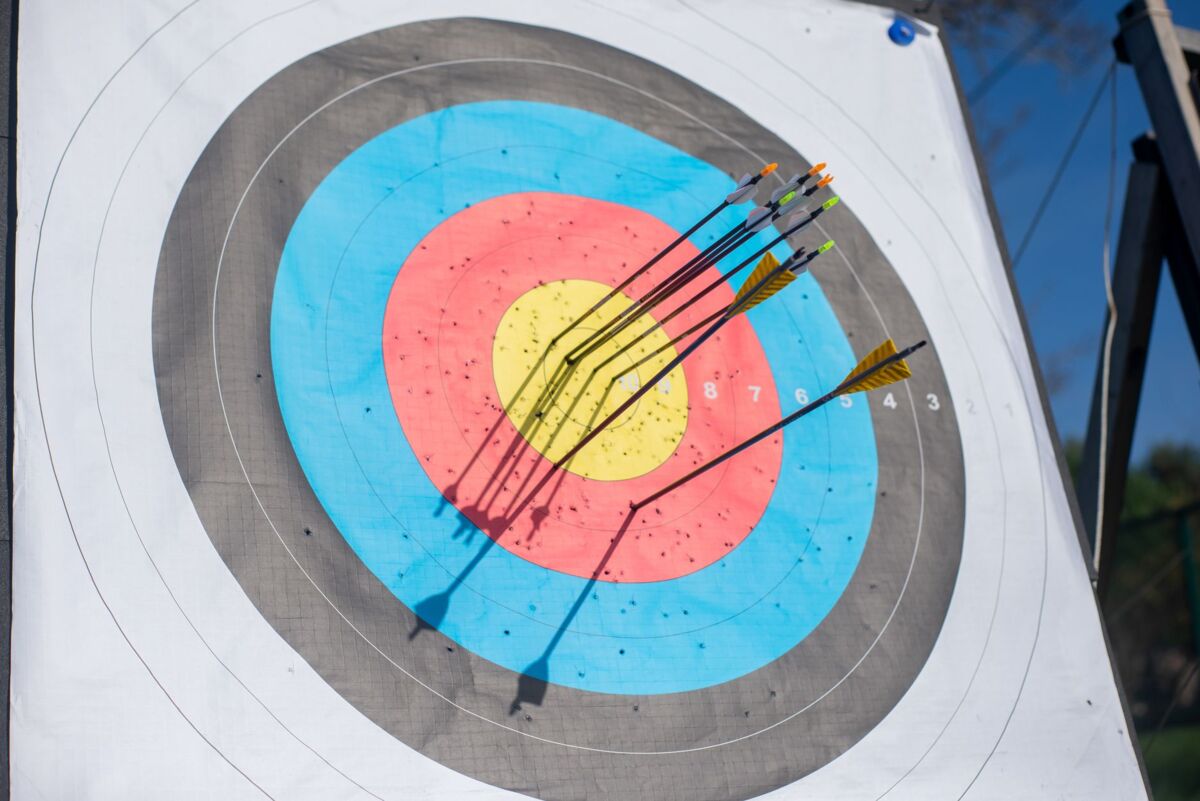
Then you shoot. Beginners start close to the target so arrows actually land and confidence builds, before the coach moves you back. You shoot a small set of arrows, called an end, wait for the signal, then walk up together to collect them and check where they landed. Indoor competition distance is commonly around 18 metres, but no coach starts a child there; expect to begin much nearer.
Recurve, compound, and archery tag: what beginners shoot
You will see a few different bows around a range. For a child, the key factor is not the bow type but the draw weight: a bow that is too heavy ruins form, so a good coach hands a young or smaller archer a lighter bow without being asked.
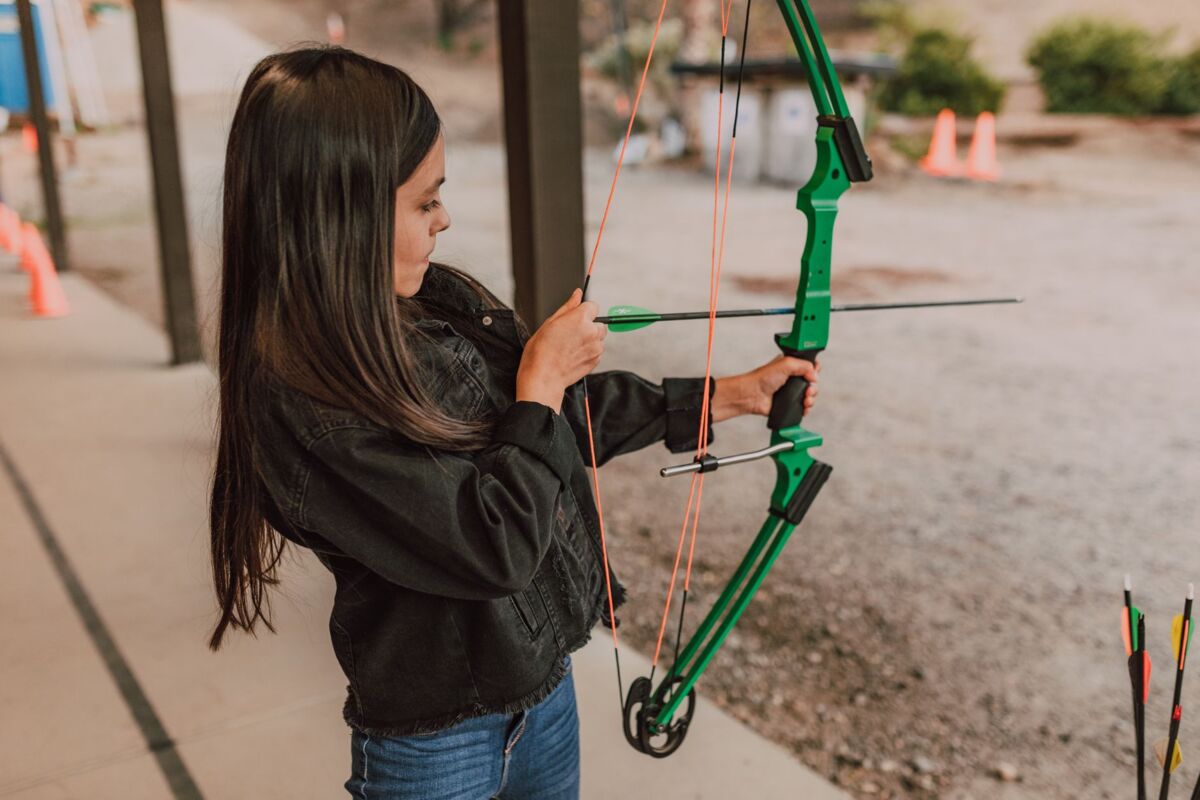
- Recurve bow. The classic Olympic-style bow and what almost every beginner and youth learner starts on. Beginner and youth recurves come in low draw weights, so the pull is gentle and technique is the focus. A normal target-archery class uses this.
- Compound bow. A more mechanical bow with pulleys that hold most of the weight at full draw. Powerful and popular with keen older archers, but not where young first-timers begin.
- Archery tag. The foam-tipped, run-around team game some venues offer, closer to dodgeball than target shooting. A brilliant party activity, but if your aim is technique, book a coached target session instead.
Suitable ages, strength, and maturity
Minimum ages vary a lot between providers, so this is the single thing worth confirming with the venue. Some clubs run structured youth courses from around primary-school age; others set a higher minimum, often around 10 to 12. A few recreational ranges are flexible for one-off trial shoots if a younger child can manage a light bow. That last point is the real test, and it is about strength and attention more than a number on a form. Two things matter:
- Can they draw a light bow? A child needs enough upper-body strength to pull a beginner bow back and hold it steady for a moment. If they are straining and shaking, the bow is too heavy or they are not quite ready, and a coach will adjust or suggest waiting.
- Can they follow instructions? A range only works because everyone listens and waits their turn. A child who can stay behind a line, hold an arrow until told, and stop on a signal is ready in the way that counts most.
For younger or smaller children, good venues handle it sensibly: lighter youth bows, closer distances so hitting the target is within reach, and small-group attention, one-to-one coaching, or a parent-and-child arrangement so the youngest are never left alone.
Safety: the rules, the briefing, and why it is so controlled
Archery looks dramatic, but a supervised range is one of the most tightly controlled activities you can take a child to, and that control is why it suits families. Every session starts with a briefing, qualified instructors run the line, and a clear command system makes sure nobody is ever shooting while someone else is downrange collecting arrows. Beginners should always start at a proper range with a coach, never by improvising with bought equipment at home.
Ranges use a standard whistle command system, the same one used in competition under World Archery rules. In broad terms, expect two blasts to step up to the shooting line, one blast to begin shooting, three blasts to put bows down and collect arrows, and four or more rapid blasts as an emergency stop. The core etiquette is worth talking through with kids beforehand:
- Never point a bow at a person, loaded or not, and only nock an arrow once you are on the line and told to shoot.
- Keep arrows in the quiver until the signal is given, stay behind the waiting line until everyone has finished, and listen for the stop signal at all times.
- Walk, never run, when collecting arrows, and pull them out carefully one at a time.
Indoor versus outdoor ranges
Singapore has both, and the right pick depends on your child and the weather.
- Indoor, air-conditioned ranges are the easy default for families, especially with younger or heat-sensitive kids. They are comfortable, rain and haze are irrelevant, and the controlled space helps nervous beginners concentrate. For a first try, this removes a lot of variables.
- Outdoor and open-air ranges let archers shoot longer distances and feel more like the traditional sport, with wind and light becoming part of the challenge. Wonderful once your child is hooked, but plan around weather.
Parent-and-child, birthdays, and group sessions
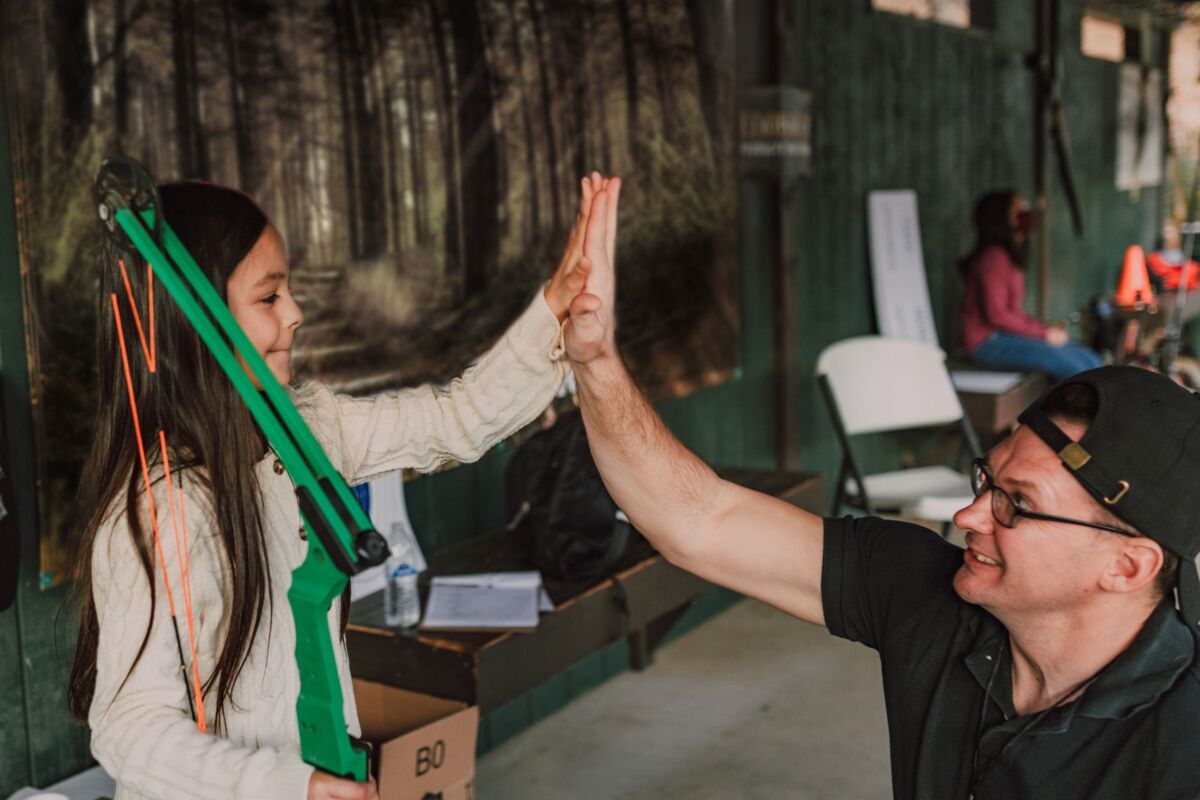
Archery is one of the better bonding activities precisely because you do it together rather than watching from the side. Several clubs offer parent-and-child or family sessions where a coach guides you both, which is reassuring for a younger or shy child who would rather shoot next to a parent than in a class of strangers. It is also a strong birthday and group option: many ranges host parties and school groups, and this is where archery tag often comes in for bigger celebrations, while a coached target session suits a smaller group who want to learn. For a party, ask about group rates, the headcount per coach, and active shooting time once briefings are factored in. For other team-friendly outings, our bowling with kids guide and bouldering and climbing guide cover similar ground.
What to wear and bring
You travel light. Wear closed-toe shoes (sandals and slippers are usually not allowed on the line) and a close-fitting top rather than a baggy or hooded one, since loose fabric and drawstrings can catch the bowstring on release. Tie back long hair, remove dangling necklaces or large earrings, and bring water, plus a cap and sunscreen for outdoor ranges. Bows, arrows, and protective gear come with beginner sessions, so leave the shopping until your child is sure.
How to choose a range and a coach
The venue matters more than the brand of bow. A few questions sort the good fit from the wrong one:
- Coached session or open shooting? Children want supervised, coached time with a qualified instructor, not just a rented lane. Ask the coach-to-archer ratio too, as smaller groups mean more correction.
- Is there a genuine beginner or trial slot? A short first-timer shoot is the cheapest, lowest-risk way to test it before paying for a course.
- Affiliated and reputable? Clubs affiliated with the national body tend to follow consistent safety and coaching standards; recent reviews help too.
- Does the location work? A convenient indoor range you will return to beats a perfect outdoor one across the island you visit once.
Getting there, costs, and timing
Archery clubs and ranges are spread across the island, many indoor, with clusters around the eastern and northeastern sides, the north, and the central sports belt near Kallang. Sport Singapore's ActiveSG keeps a useful neutral overview of where to learn. Most ranges are reachable by MRT plus a short bus ride or walk, and several sit inside sports centres with parking, but access depends on the venue, so check the operator's map listing before you head out.
On cost, expect guidance rather than fixed numbers, because prices vary widely by session type. Short trial shoots are the most affordable way to dip a toe in, while structured courses cost more but build real skill. Confirm what the price includes, since coaching, range time, and protective gear are not always bundled the same way, and verify current pricing on the operator's site rather than any figure in a roundup, including this one.
For timing, weekend and school-holiday beginner slots fill up first, so book ahead. Quieter weekday or earlier sessions are calmer for a nervous first-timer, with more of the coach's attention to go around. To turn it into a full day out, our best playgrounds guide can help you find somewhere nearby to burn off the rest of the energy.
Frequently asked questions
Do we need to bring our own bow and arrows?
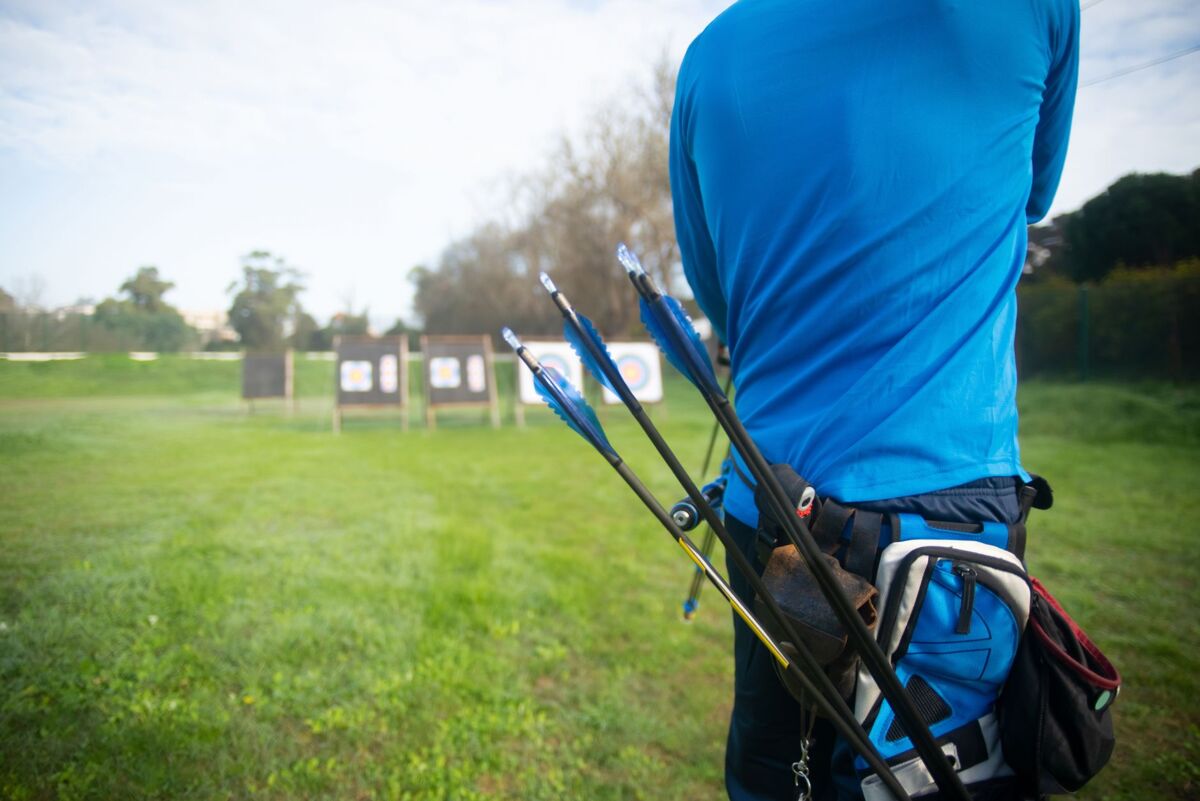
No. For beginner and trial sessions, the bow, arrows, and protective gear are almost always provided in the price. You only need close-fitting clothes and closed-toe shoes. Hold off on buying gear until your child is sure they want to continue.
What is the minimum age for kids?
It depends on the venue. Some clubs start structured youth classes around primary-school age, others set a minimum nearer 10 to 12, and some recreational ranges are flexible for trial shoots if a child can draw a light bow and follow instructions. Always confirm the minimum age on the operator's site before booking.
Is archery safe for children?
Yes, at a supervised range with qualified coaches. Sessions begin with a safety briefing and run on a strict whistle command system, so no one is ever shooting while others are downrange. The real risk comes from improvising at home, which is why beginners should always start at a proper range.
How strong does my child need to be?
Strong enough to draw and briefly hold a light beginner bow without shaking. Beginner and youth bows have low draw weight for this reason. If your child cannot manage even the lightest bow comfortably yet, the coach will adjust the setup or suggest trying again when they are a little older.
Indoor or outdoor for a first session?
For a first try with kids, indoor and air-conditioned is the easier choice: comfortable, weather-proof, and the controlled space helps nervous beginners focus. Outdoor ranges offer longer distances once your child is keen and wants more of a challenge.
How much does a session cost?
Prices vary widely by venue and session type, so verify the current rate on the operator's site. Short trial shoots are the most affordable entry point, while structured courses cost more but build technique. Check what is included, since coaching, range time, and equipment are not always bundled.
Archery quietly surprises families: calm, inclusive, weather-proof, and a real confidence builder for kids who do not always shine at faster sports. Start with a coached beginner or trial session, let the instructor set the bow weight and distance, and confirm ages, costs, and access on the official site before you go. If your child catches the bug, the pathway from trial shoot to beginner course to club membership, and even competitive archery, is wide open. For more ideas, explore our play hub.

Admiralty Park Family Guide: Singapore's Playground With the Most Slides
Family guide to Admiralty Park, the Singapore playground with the most slides. Play zones by age, inclusive swings, mang...
11 min read
ArtScience Museum Family Guide: Future World, Tickets and Tips for Singapore Parents
A Singapore parent's guide to the ArtScience Museum: Future World with kids, tickets, the Family Friday free-child deal,...
9 min read
Bedok Reservoir Park: A Family Guide to Singapore's Eastern Waterfront Playground
Family guide to Bedok Reservoir Park: the 4.3km loop, playground and water sports, plus the indoor water park next door....
10 min read