

Punggol Waterway Park: A Family Guide to Play, Cycling and the Scenic Waterway
In this article
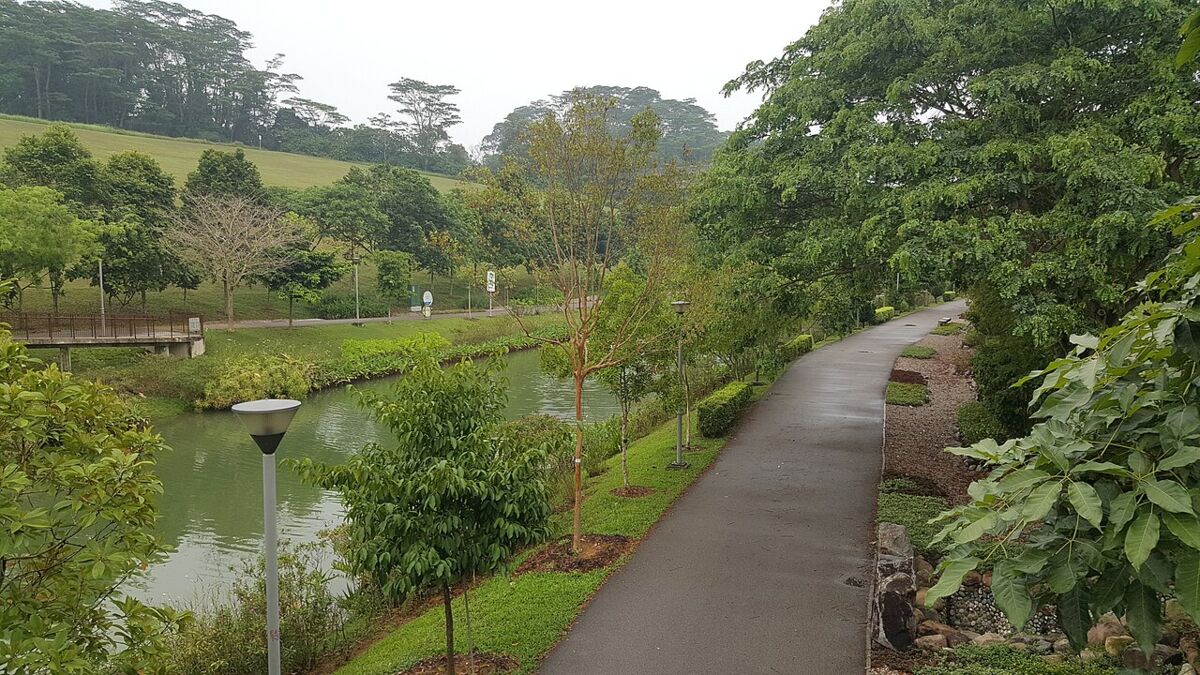
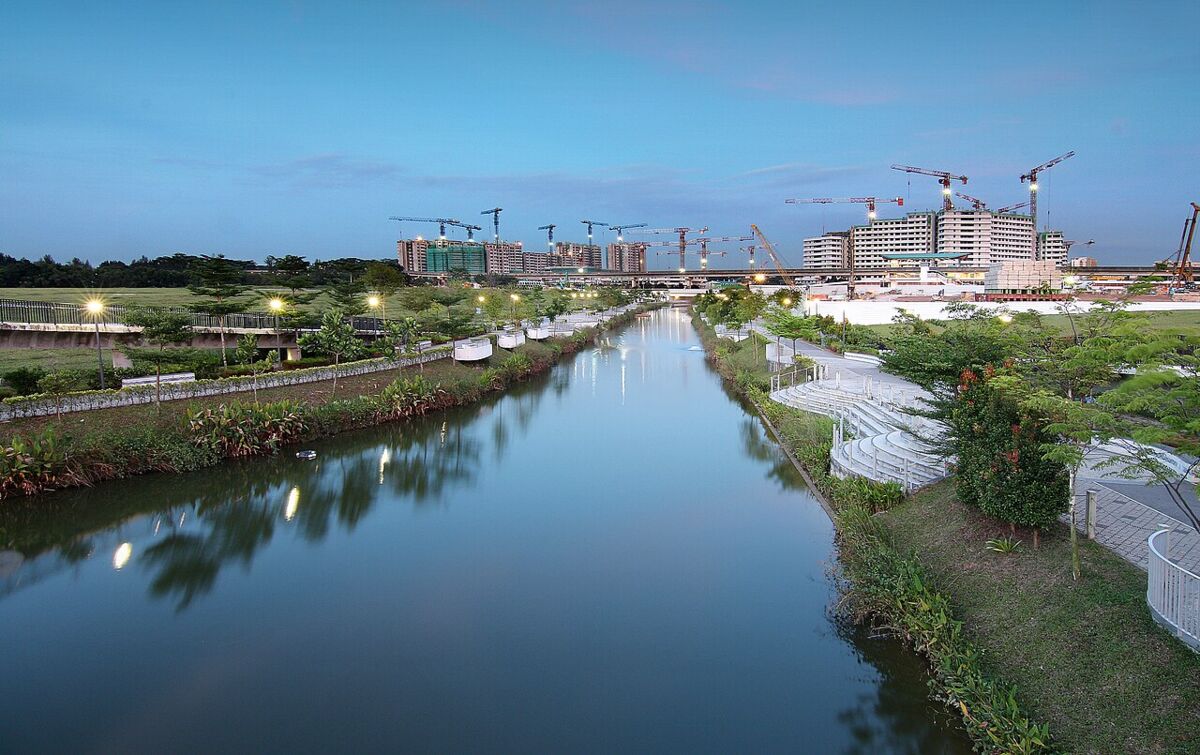
If you want a day out that mixes open lawns, a long breezy waterfront and a bit of real nature without leaving the heartlands, Punggol Waterway Park is one of the easiest wins in the north-east. It runs along both banks of the Punggol Waterway, Singapore's longest man-made waterway at roughly 4.2km, with a shaded sand play area for little ones, flat promenades that suit prams and bikes, and a string of photogenic bridges to cross. It sits a short walk from Punggol MRT and Waterway Point mall, so toilets, food and air-conditioning are never far. It is best for families with babies up to lower-primary kids who want a half-day of low-key outdoor play, and for older children keen on a proper cycle. One honest heads-up before you pack: the old splash pad has been removed, so the on-site water play is no longer what it once was. We cover exactly what is there now, and where to go for a proper soak, below.
Why families love Punggol Waterway Park
The park is a joint NParks and HDB project laid out in four themed zones: Nature Cove, the Recreation Zone, the Heritage Zone and the Green Gallery. Each has a slightly different mood, which is handy when you are travelling with kids of different ages. Nature Cove is the calm, leafy end with a gentle lawn and water views, lovely for a picnic or a slow pram walk. The Recreation Zone is the headline act for younger families, grouping the sand play, a fitness corner and easy promenade access. The Heritage Zone follows a preserved stretch of the old Punggol Road and leans more scenic, while the Green Gallery is the greener, garden-style section. You do not need to do all four in one trip, and we would not try with a toddler in tow.
Because the waterway runs straight down the middle, you are never short of a view, and the loop is genuinely doable at a relaxed pace. The flat, largely paved paths on both banks make it one of the more pram-friendly parks in the north-east, and there is enough open grass for a mat, a kite or a child who simply needs to run. For more outdoor ideas around the island, our play hub rounds up parks and playgrounds worth the trip, and the nearby Bedok Reservoir Park guide is a good companion if you like big-water settings.
What to do with the kids
Sand play (and what happened to the water play)
Let's clear up the most common point of confusion first, because it trips up a lot of parents who remember the old setup. The original outdoor splash pad with its tall showers, arches and water jets has been removed, and that footprint is now a grassy patch near the toilets. What remains, and is still a hit, is the open-air sand play area in the Recreation Zone. It is a generous, soft sandbox where toddlers and primary-age kids dig, build and bury each other quite happily for an hour or more. There is some shade around the edges, but bring your own sand toys, as there are none provided. Pack a small towel and a bag for sandy clothes, and you will save yourself a messy car ride home.
If your children are specifically after a proper splash, the better bet today is the free water play at Waterway Point nearby (see the rainy-day and water section below). On site at the park, plan around sand, scooting and lawn time rather than getting soaked. As with any public facility, signage on the ground is the final word, so check for maintenance or closure notices when you arrive.
The five bridges and wildlife spotting
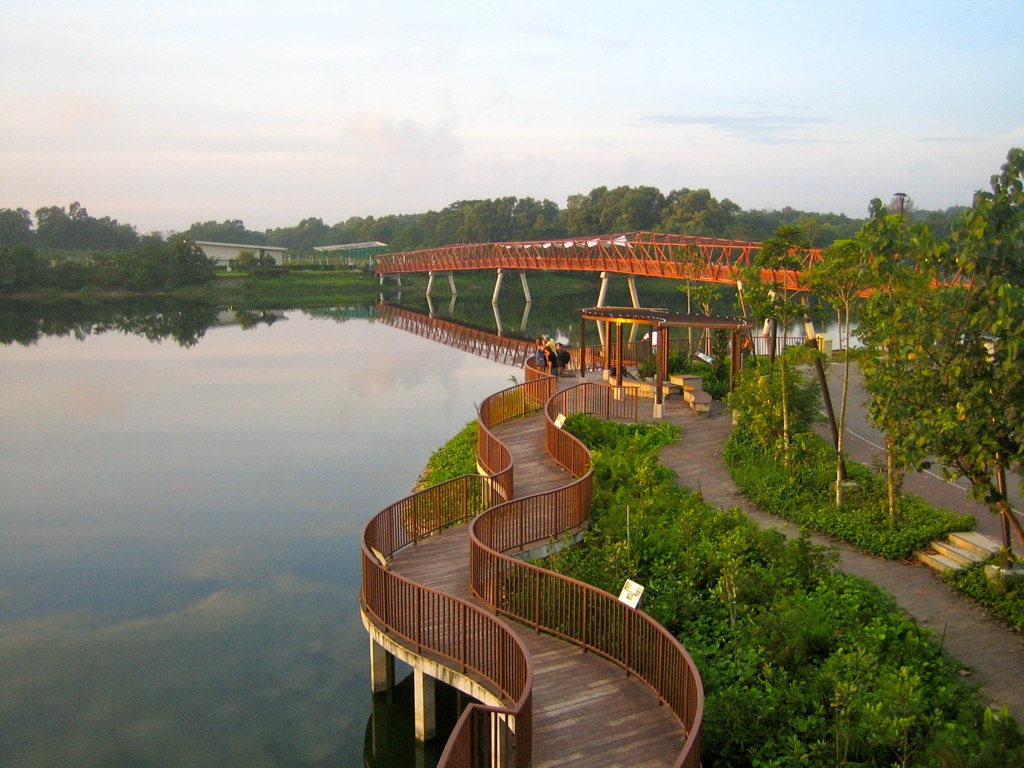
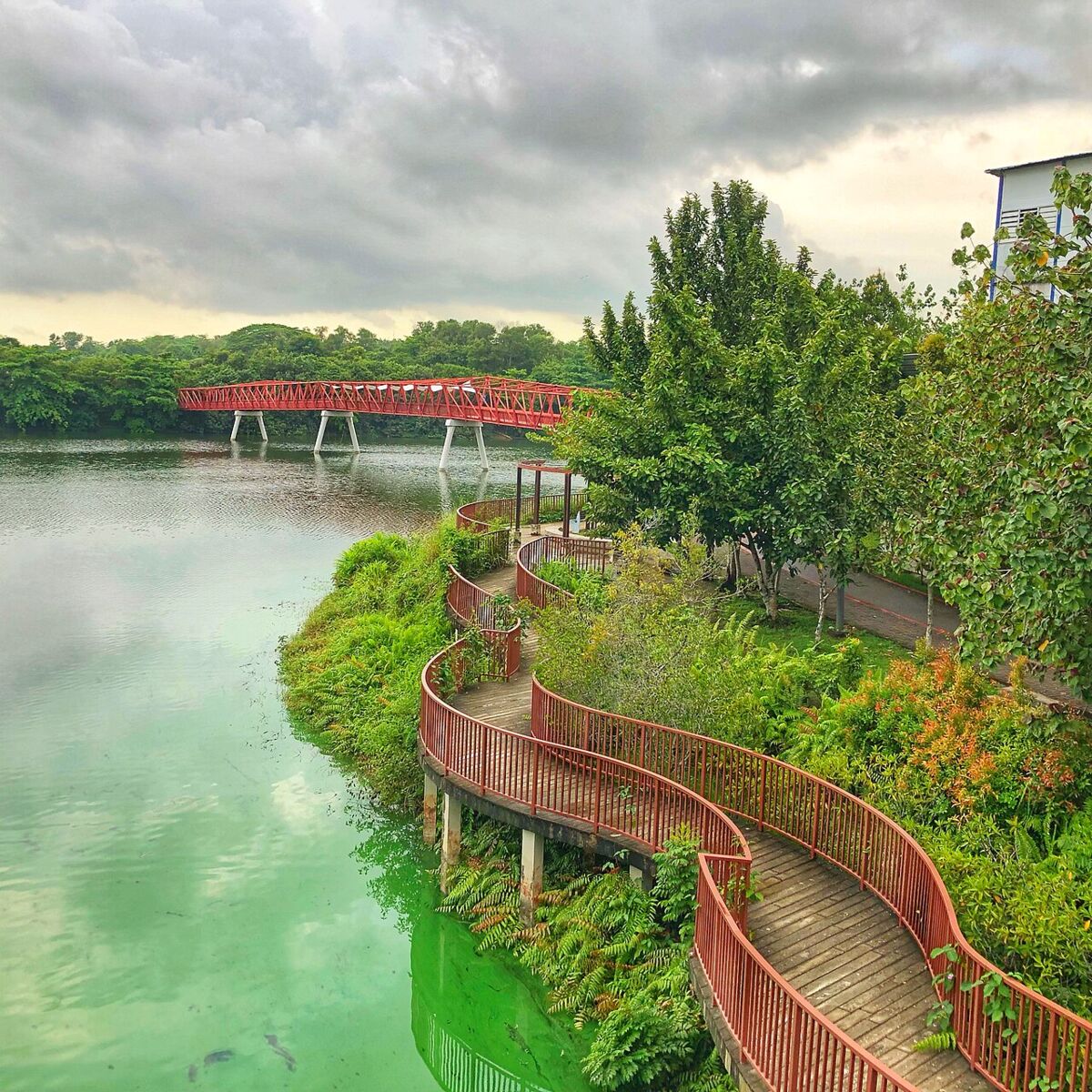
Crossing the bridges is half the fun here, and they double as natural goals to keep little legs walking. The park is known for five distinctive spans, sometimes nicknamed the Famous Five: the Jewel Bridge, a dome-shaped favourite for sunset views; the Wave Bridge; the Adventure Bridge, which sits handily near the Recreation Zone; the Kelong Bridge, styled to echo the timber kelong fishing platforms of old Punggol; and the Sunrise Bridge at the eastern end, good for early light. Keep eyes on the water and you may spot otters, herons, kingfishers and sunbirds, especially if you visit early and keep noise down. A simple bridge-counting game keeps older kids engaged across the whole loop.
Cycling and scooting along the waterway
The promenades on both banks are paved, flat and largely separated from traffic, which makes them excellent for kids practising on training wheels, for scooters, or for a relaxed family ride. The park sits on the wider Punggol Waterway park connector, so confident young cyclists can keep going well beyond the park itself. If you have not brought your own wheels, look for bicycle rental operators around the broader Punggol area, including near Punggol Point and the jetty; bring a card or cash and check the operator's terms on the spot, as rates and availability change. Always share the path, slow right down near the sand play and bridges, and keep helmets on the little ones. For more active outings, our best playgrounds in Singapore roundup pairs well with a cycling day.
Picnics, lawns and quiet corners
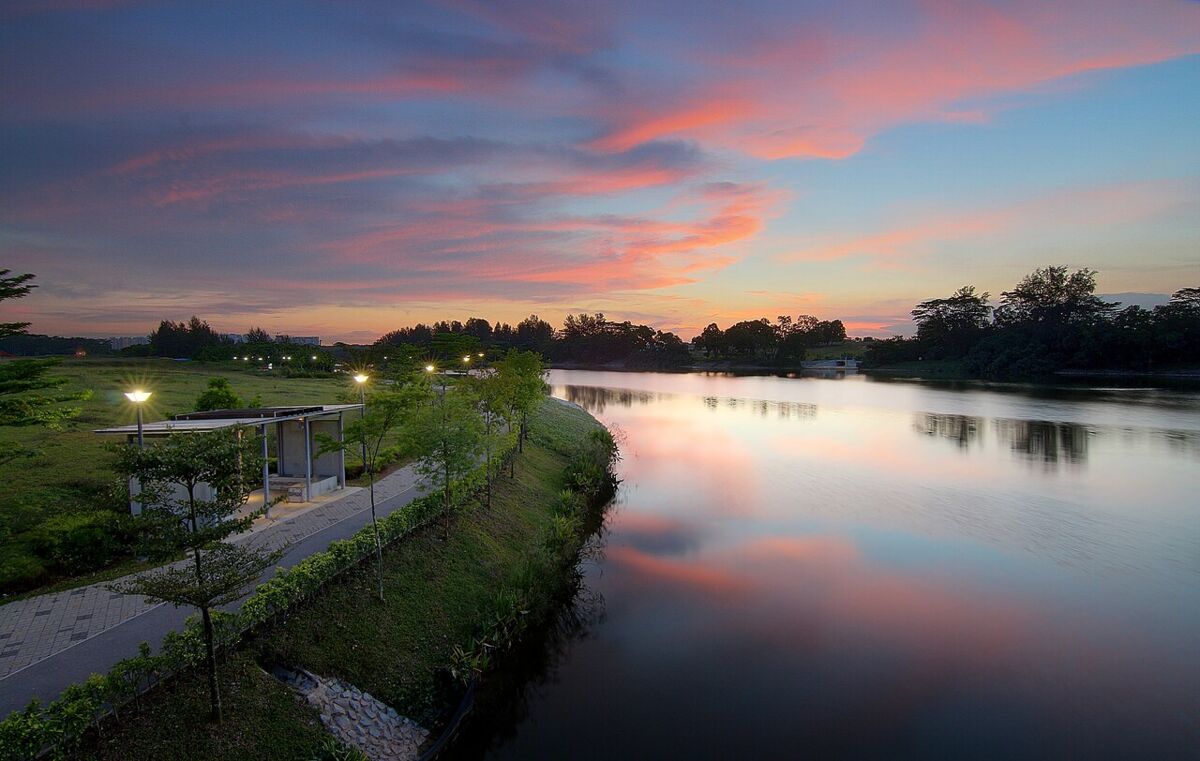
Punggol Waterway Park is one of the nicer heartland spots for a simple picnic. Nature Cove's lawn and the grassy stretches along the promenade are made for a mat, a flask and an hour of doing very little. Shade is patchy in places, so claim a spot near a tree or one of the rest shelters dotted along the route. There is no large food kiosk inside the park, so it pays to bring your own snacks and plenty of water, or build your visit around a meal at Waterway Point a short walk away.
Facilities, accessibility and what to bring
This is where the park quietly scores well for families. The promenades are flat and paved, so prams and wheelchairs roll easily over most of the route, and the gentle gradients make it manageable solo with a stroller. Toilets and rest shelters are spaced along the way, though they are not at every turn, so it is worth noting the nearest one when you settle in for sand play. For full nursing and dedicated diaper-change comfort, the cleanest backup is the family facilities inside Waterway Point, which is only minutes away on foot.
- Best age range: babies in prams up to lower-primary kids for the sand and lawns; older kids get the most from cycling and the bridges.
- Bring: change of clothes, a towel, sand toys, hats, sunscreen, plenty of drinking water, snacks and a picnic mat.
- Pram and wheelchair access: flat, paved promenades on both banks make most of the park accessible.
- Toilets and shelters: dotted along the route; the most reliable nursing and diaper-change facilities are at Waterway Point nearby.
- Shade: present but patchy, so time your visit for cooler hours and pick tree-shaded spots for picnics.
- Always confirm play-area status, accessibility details and any event closures on the official NParks page before you head out.
Getting there: MRT, LRT, bus and parking
Public transport could hardly be simpler. Take the North East Line to Punggol MRT, with Waterway Point built right beside the station, then walk a few minutes to the nearest waterway entrance following current mall and station signage, as exit references do change. If you want to start nearer a specific zone, the Punggol LRT loop helps: stations such as Sam Kee sit near the central stretch beside SAFRA Punggol, while Damai and Oasis are closer to the eastern end. There are several entry points along the water, so pick the station closest to the zone you want rather than always defaulting to the main MRT.
Buses also serve the waterway for those coming cross-town, and dedicated park connector signage will point you in. If you are driving, there are small carparks serving the park (hourly fees apply) plus the larger paid parking at Waterway Point, which is the more reliable option on busy weekends. Both fill up midday on a sunny Saturday, so an earlier start saves a circling headache. For more north-east day-trip planning, browse our travel hub.
Rainy-day backup and where to actually get wet: Waterway Point
Waterway Point, the mall beside Punggol MRT, is the obvious base for food, nappy changes, feeds and a proper cool-down, and it is your built-in rainy-day pivot. It is also the answer to the question many parents really arrive with: where is the water play? On Level 2, the mall's outdoor riverside playground (commonly known as Happy Park) has a free wet-and-dry play zone with shallow water features, jet sprays, water curtains and stepping stones on the wet side, plus slides, a trampoline and climbing structures on the dry side. It is the closest reliable splash to the park, so many families do sand at the waterway, then a soak and lunch at the mall. Pack swimwear and a change of clothes if that is the plan. When hunger strikes, our eat hub has more ideas for feeding the family.
If you have older, confident cyclists and want to stretch the day, Coney Island Park is within reach via the park connector network. The rustic island, with its sandy trails, quiet beaches and birdlife, is a real change of pace from the manicured waterway, but it is a longer outing with little shade and no shops once you are on it, so carry water and plan your timing. For wilder nature closer to a nature-reserve setting, our Bukit Timah Nature Reserve guide is worth a look for another day.
Frequently asked questions
Is Punggol Waterway Park free to enter?
Yes. Like other NParks parks it is a free, open public space. You only pay for extras such as food, bike rental or parking. Confirm any current notices on the official NParks page before you go.
Is there still a water play area at the park?
The original outdoor splash pad has been removed, so there is no longer a dedicated water play feature inside the park itself; the soft sand play area in the Recreation Zone remains. For a proper splash nearby, head to the free wet-and-dry play zone on Level 2 of Waterway Point.
What are the opening hours?
As an open public park the waterway is generally accessible round the clock, but specific facilities, lighting and the safest visiting hours vary, so check the official NParks page and any on-site signage. For young kids we suggest daylight, cooler-weather visits in the morning or late afternoon.
How long should we set aside?
A relaxed visit focused on the sand play and a short walk takes about two to three hours. Add a meal and water play at Waterway Point, or a cycle out towards Coney Island, and it easily becomes a half or full day.
Is it suitable for toddlers?
Yes, thanks to the sand play, flat promenades and nearby toilets, with the proviso that you supervise closely around the open water edges and on the bridges. For more parenting tools and family planning, see our tools hub.
Can we cycle there if we do not own bikes?
Yes. Bicycle rental operators run in the wider Punggol area, including around Punggol Point and the jetty. Bring payment, check the operator's terms and helmet sizing on arrival, and stick to the marked promenade paths.
Admiralty Park Family Guide: Singapore's Playground With the Most Slides
Family guide to Admiralty Park, the Singapore playground with the most slides. Play zones by age, inclusive swings, mang...
11 min read
Archery in Singapore: A Family Guide to Beginner Sessions for Kids
Archery in Singapore for families: how beginner sessions work, suitable ages for kids, indoor vs outdoor ranges, safety ...
9 min read
ArtScience Museum Family Guide: Future World, Tickets and Tips for Singapore Parents
A Singapore parent's guide to the ArtScience Museum: Future World with kids, tickets, the Family Friday free-child deal,...
9 min read