

Singapore Oceanarium: A Family Guide to Sentosa's Big New Aquarium
In this article
- Why families love the Singapore Oceanarium
- The six-chapter journey and zones worth slowing down for
- Feeding shows, touch moments and daily activities
- Best ages and how to pace it
- Stroller access and family facilities
- Getting to Sentosa and the Oceanarium
- Make a fuller day of it on Sentosa
- Good to know: tickets, hours and what to bring
- Frequently asked questions
If your family loved the old S.E.A. Aquarium, the news is good and then some. It has been transformed and roughly tripled in size into the Singapore Oceanarium, a much bigger marine attraction at Resorts World Sentosa that reopened in July 2025. Spread across more than 20 themed zones with tens of thousands of marine animals, it is one of the most kid-friendly, fully air-conditioned ways to spend half a day on Sentosa. This guide is for parents planning a real visit: who it suits, how long to set aside, what young kids actually love, how to get there with a pram, and where to find current tickets and hours. It is best for families with kids aged roughly 2 to 12, though babies nap happily in the cool and tweens get pulled in by the prehistoric and deep-sea sections.
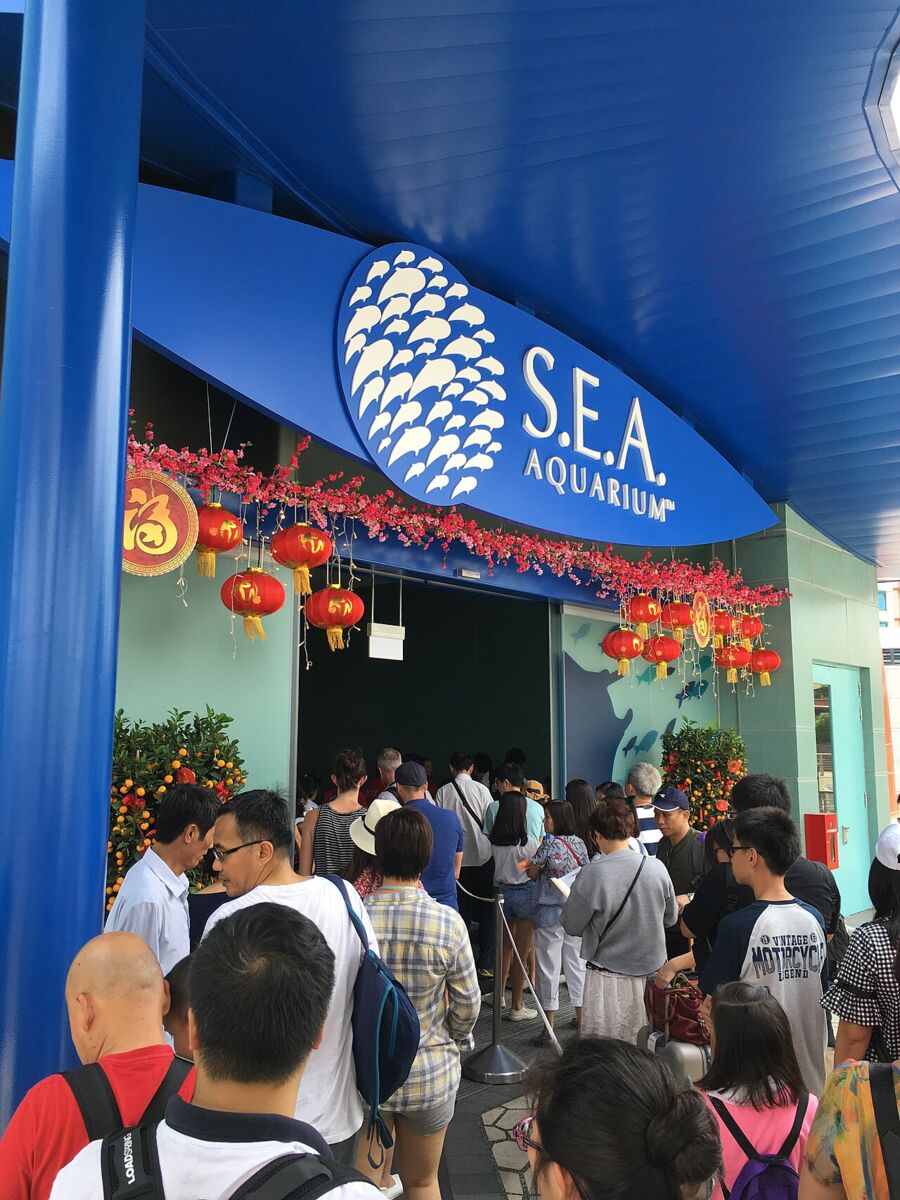
Quick note on the name: the attraction is now called the Singapore Oceanarium, the transformed and expanded successor to the S.E.A. Aquarium on the same Resorts World Sentosa site. Some older listings, blog posts and even resale tickets still say S.E.A. Aquarium, so do not be confused if you see both names referring to the same place.
Why families love the Singapore Oceanarium
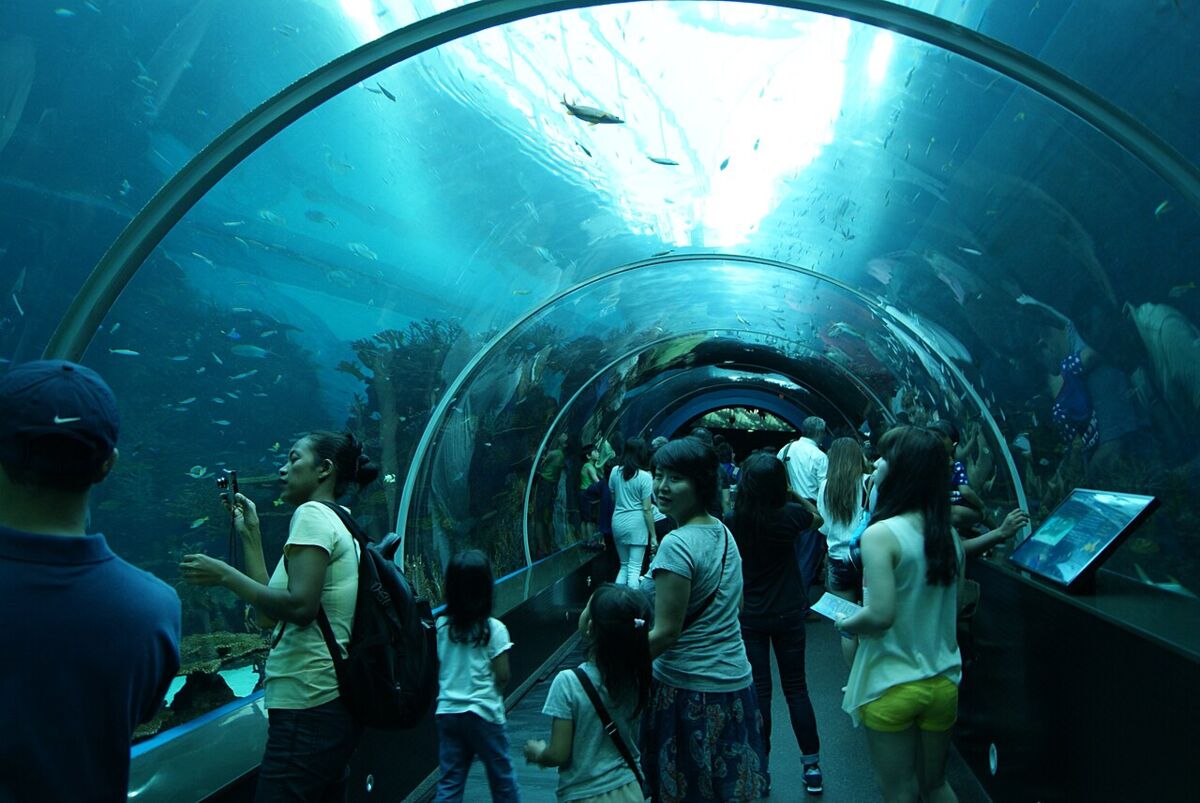
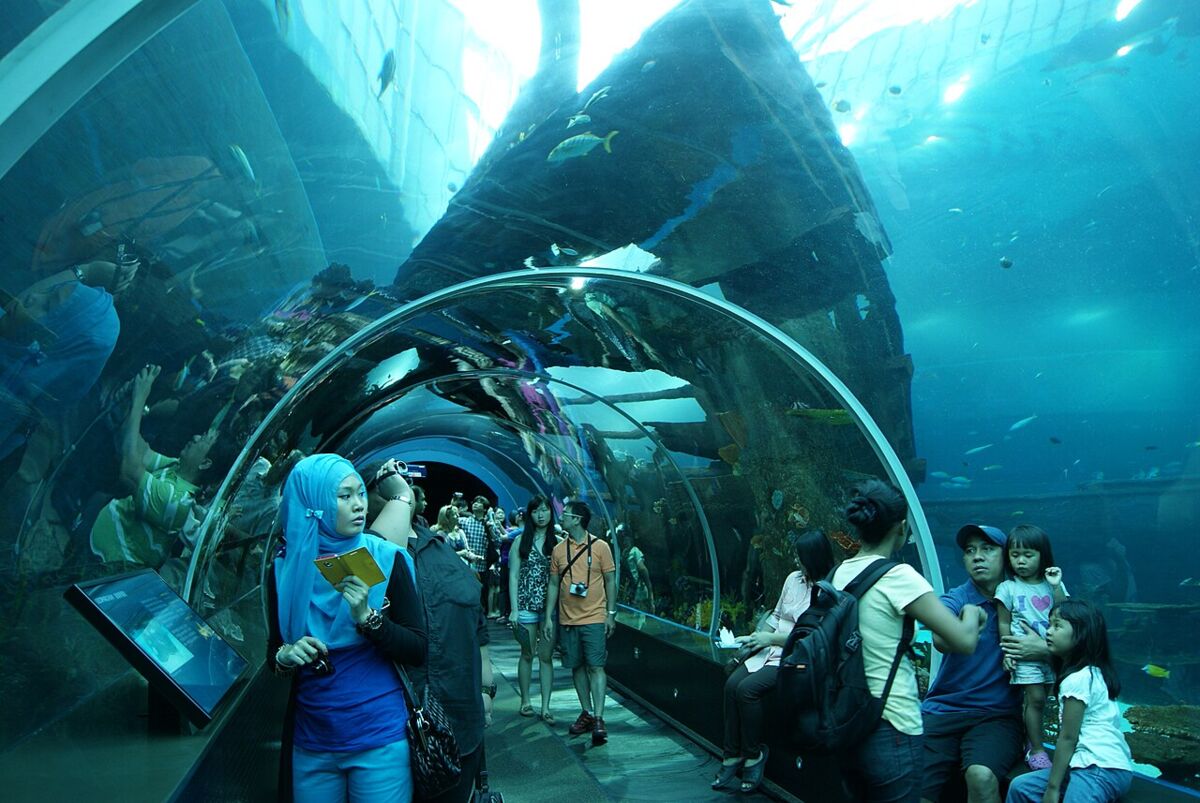
The new Oceanarium is about three times the footprint of the old aquarium, with more than 20 immersive zones grouped into a single storyline that flows from the origins of ocean life through to its future. Instead of a hall of tanks with little labels, it mixes live habitats with projection mapping, big curved viewing windows and walk-through tunnels, so it feels less like reading a museum and more like wandering through the sea itself. For Singapore weather that matters a lot: the whole route is indoors and air-conditioned, the floors are smooth and level, and the path runs largely in one direction, so you are rarely backtracking or fighting crowds with a stroller.
It also genuinely works across ages, which is the hard part with a mixed-age brood. Toddlers are hypnotised by colour and movement; primary-school kids latch onto the science, the sharks and the conservation message; and the prehistoric and deep-sea sections add a wow factor that even hard-to-impress tweens enjoy. Plan for around 2 to 3 hours for a relaxed family visit, stretching to 4 if your kids like to linger at favourite tanks, sit through a couple of feeding presentations and double back. The full route covers a fair bit of walking, so comfortable shoes beat sandals.
The six-chapter journey and zones worth slowing down for
The Oceanarium is laid out as one continuous narrative split into six themed chapters, taking you from the surface down into the deep and out again into the future of the oceans. You do not need to memorise the names, but knowing the shape of it helps you pace the visit and warn the kids what is coming. The broad arc runs: In the Beginning, At the Surface, Sunlight, Into the Deep, The Abyss, and A New Horizon. Within those, these are the moments most worth slowing down for with children:
- Ocean Wonders - one of the largest kreisel jellyfish habitats around, with thousands of moon jellies drifting in gently lit circular tanks. It is almost hypnotic and brilliant for calming an overstimulated toddler.
- Ancient Waters - a prehistoric ocean section with life-sized animatronics and replicas of extinct sea monsters, plus living fossils. Equal parts dinosaurs and ocean, which is catnip for many kids and the headline new addition versus the old aquarium.
- Singapore's Coast - a local mangrove habitat with native creatures and touch-pool style displays of shore animals, a lovely way to connect kids to nature on our own shores.
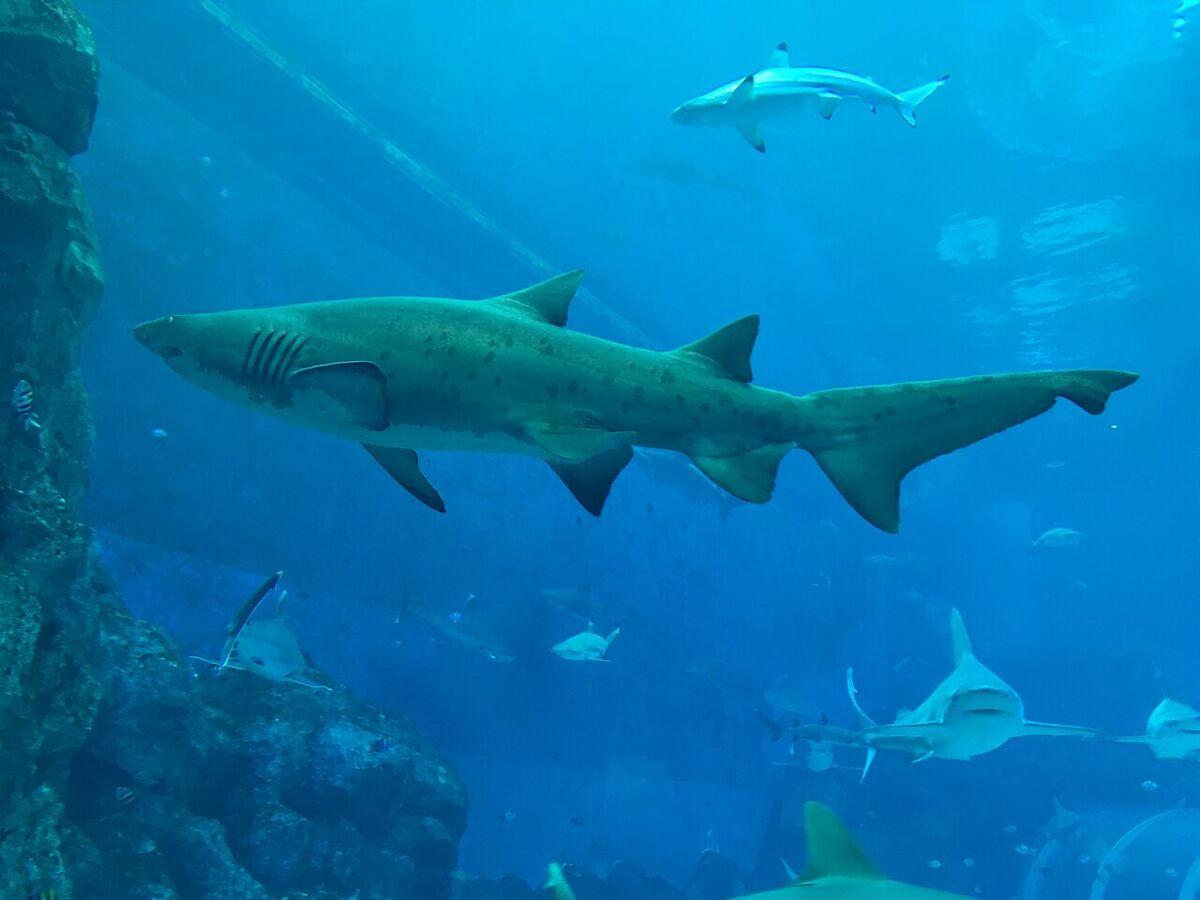
- Shark Seas and the tunnels - sand tiger sharks and hammerheads glide overhead, with walk-through and crawl-through sections that put little ones right in the middle of the action.
- Open Ocean - the showstopper. A roughly 36-metre-wide viewing panel where manta rays, eagle rays and zebra sharks cruise past. Grab a spot on the floor and let little ones just sit and stare; this is where kids tend to spend the longest.
- The Abyss and Ocean's Future - deep-sea creatures, a whale-fall scene and a sobering, beautifully done look at warming oceans. Note the final stretch leans more on projections and storytelling than live animals, which is worth flagging to expectant kids.
Feeding shows, touch moments and daily activities
Half the fun for kids is timing your visit around the live activities, which are far more developed here than at the old aquarium. There is usually a published daily schedule of presentations and dive feeds, so glance at it on arrival and build your loop around one or two rather than chasing all of them. Typical highlights include divers hand-feeding rays and sharks at the Open Ocean panel, presenter-led talks about sharks and sea jellies, and a friendly manta ray mascot that does appearances at set times and spots through the day. Some deeper-dive experiences such as behind-the-scenes lab sessions, guided specialist tours, kids' fossil workshops and a suspended walking-net adventure are ticketed separately, so decide in advance whether they are worth it for your crew.
Best ages and how to pace it
With babies and toddlers, the magic is in the slow, sensory moments rather than ticking off every zone. The jellyfish tanks, the big shark and ray windows and the colourful reef displays hold their attention longest, and because the route is dim and cool, it doubles as a gentle place for a midday pram nap between zones. Pack a light layer though: the deep-sea chapters are deliberately cold and dark, which can startle a sleepy little one.
From around age 4 or 5, kids start engaging with the interactive screens, the touchable shore-life displays and the chance to spot named animals like the manta rays. Primary-schoolers and tweens get the most out of the prehistoric creatures, the deep-sea zones and the conservation storyline at the end, which links neatly to school science. If you have a wide age gap, let the big kids read and explore while the toddler watches the rays, then regroup; the one-way flow makes that easy without losing anyone.
Stroller access and family facilities
This is one of the more pram-friendly attractions in Singapore, which is a relief after some of Sentosa's hillier walks. Strollers and even wagons are allowed inside, the route is mostly flat and one-directional, and there are lifts and ramps where levels change, so you rarely need to fold up. If you arrive without one, wheelchairs can be rented at Guest Services for a small fee on a first-come basis, useful for grandparents joining the day.
- Nursing and baby-care rooms are available inside the Oceanarium, with a baby-care room located near the exit level, plus more nursing and changing facilities across Resorts World Sentosa.
- Toilets are spaced along the route, so you are rarely far from one mid-tantrum.
- Cafes and snack points sit at a few stops inside, including near the Open Ocean panel, handy for a sit-down without leaving and re-entering.
- The gift shop is accessible without a ticket, so one parent can entertain a meltdown there while the other finishes a zone.
Facilities and zone closures do change, so check the official site before you go if you have specific needs. For more pram-friendly ideas around town, see our things to do hub, and if you are pairing this with another indoor option, the ArtScience Museum family guide is another fully air-conditioned, stroller-easy day out.
Getting to Sentosa and the Oceanarium
The easiest route with kids and a stroller is by train. Take the MRT to HarbourFront, head up to VivoCity Level 3, and board the Sentosa Express monorail. Alight at Resorts World Station, and the Oceanarium is a short, well-signed walk away. The monorail is quick, comfortable, covered, and spares you a hot walk in the midday sun. Other ways in:
- Bus RWS8 from VivoCity or HarbourFront is handy if you want fewer transfers and no monorail queue.
- Taxi or private hire can drop you at the Resorts World Sentosa forecourt or basement, the easiest option if you are loaded with bags, a pram and a tired baby.
- Driving works too, with paid parking in the Resorts World Sentosa car parks; aim for the zones closest to the Oceanarium and the basement drop-off.
- Sentosa Boardwalk from VivoCity is a scenic 15 to 20 minute stroll with travelators, lovely in the cooler part of the day but warm and exposed at noon.
Make a fuller day of it on Sentosa
The Oceanarium sits inside Resorts World Sentosa, so it slots neatly into a bigger day out. Right next door are Universal Studios Singapore and Adventure Cove Waterpark, plus a wide spread of restaurants and cafes across the resort for a proper sit-down meal or a quick refuel between attractions. With younger children, most families find it saner to pair the Oceanarium with just one other thing rather than cramming the whole island into a single day. A common winning combo is a cool, calm morning at the Oceanarium followed by beach or pool time in the afternoon.
If you are mapping out a few weekends of outings, our play hub has more Sentosa and island ideas, and the Bird Paradise family guide and Changi Jurassic Mile guide make good rainy-day or animal-mad-kid alternatives on the mainland.
Good to know: tickets, hours and what to bring
Ticket prices vary by age band, by Singapore-resident versus standard rates, and by peak versus non-peak days, and combo deals come and go, so we do not quote exact figures here. As a rough guide, expect adult admission in the region of the low-to-mid fifties of Singapore dollars at standard rates, with lower resident, child and senior prices, and small savings for booking online in advance. Always buy from and confirm current pricing on the official ticketing page below. Booking online ahead of time also smooths your entry on busy days.
On hours, the Oceanarium typically opens later and closes earlier on weekdays than on weekends, public holidays and school holidays, when it runs longer. Because timings flex and the occasional zone closes for maintenance, treat any time you read elsewhere as a guide only and check the official daily schedule before you travel. Things worth slipping into the bag: a light jacket for the cold deep-sea zones, a refillable water bottle, comfortable shoes for the walking, and a small snack for the inevitable mid-aquarium hunger.
Frequently asked questions
Is the Singapore Oceanarium the same as the S.E.A. Aquarium?
It is its successor. The S.E.A. Aquarium closed in April 2025 and was transformed and expanded into the much larger Singapore Oceanarium, which reopened on the same Resorts World Sentosa site in July 2025. If you see a listing still calling it the S.E.A. Aquarium, it is the same place.
How long should we set aside?
Around 2 to 3 hours suits most families for a relaxed walk-through, stretching to about 4 hours if your kids like to take their time at every tank and sit through a couple of feeding presentations and shows.
Is it suitable for babies and toddlers?
Yes. It is fully indoors, air-conditioned, dim and pram-friendly, with nursing and baby-care rooms inside, which makes it one of the more comfortable Sentosa outings with very young children. Bring a light layer, as the deep-sea zones run cold.
Is it stroller and wheelchair accessible?
Yes. Strollers and wagons are allowed, the route is largely flat and one-directional, and there are lifts and ramps between levels. Wheelchairs can be rented at Guest Services for a small fee on a first-come basis.
When is the best time to visit to avoid crowds?
Weekday mornings right at opening are quietest, giving you easier stroller movement and clear views of the big Open Ocean panel. Weekends, public holidays and the June, November and December school holidays are the busiest, so book ahead if you must go then.
Where do I find tickets and current opening hours?
On the official Resorts World Sentosa Singapore Oceanarium page, linked in our sources below. Prices and timings change between weekdays and peak days, so always check there before you visit. For more Singapore family day-out ideas, head to our play hub or browse our latest guides.
Admiralty Park Family Guide: Singapore's Playground With the Most Slides
Family guide to Admiralty Park, the Singapore playground with the most slides. Play zones by age, inclusive swings, mang...
11 min read
Archery in Singapore: A Family Guide to Beginner Sessions for Kids
Archery in Singapore for families: how beginner sessions work, suitable ages for kids, indoor vs outdoor ranges, safety ...
9 min read
ArtScience Museum Family Guide: Future World, Tickets and Tips for Singapore Parents
A Singapore parent's guide to the ArtScience Museum: Future World with kids, tickets, the Family Friday free-child deal,...
9 min read