

Bouldering for Kids in Singapore: A Family Guide to Indoor Climbing
In this article
- Bouldering vs rope climbing: what is the difference?
- Why climbing is so good for kids
- What is the best age to start?
- How to choose a family-friendly gym
- Getting there, parking and rainy-day logistics
- What it costs (in general terms)
- Safety and what to wear
- What to expect on a first visit
- Frequently asked questions
If your child is forever scaling the sofa, the bookshelf or the highest bar of the playground, indoor climbing channels all that energy into something safe, social and gloriously tiring. Bouldering and roped rock climbing have become two of Singapore's most beloved family activities, and the appeal is obvious: fully air-conditioned, weather-proof, and suited to a huge range of ages and temperaments. This guide is for parents weighing up a first visit. It explains what bouldering actually is, the best age to start, how to choose the right gym, what to pack, and how to keep a small climber safe.
Bouldering vs rope climbing: what is the difference?
The two styles look similar from the cafe but feel very different on the wall, and knowing the difference helps you pick the right first experience for your child.
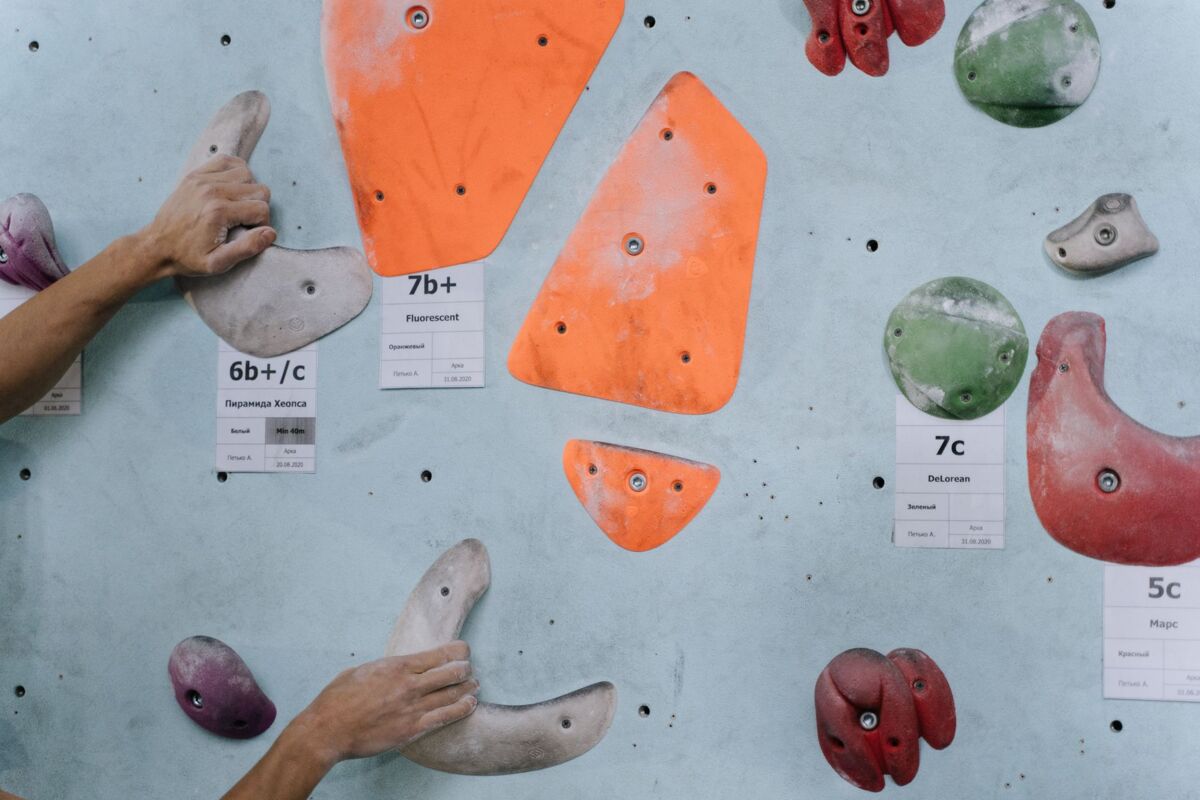
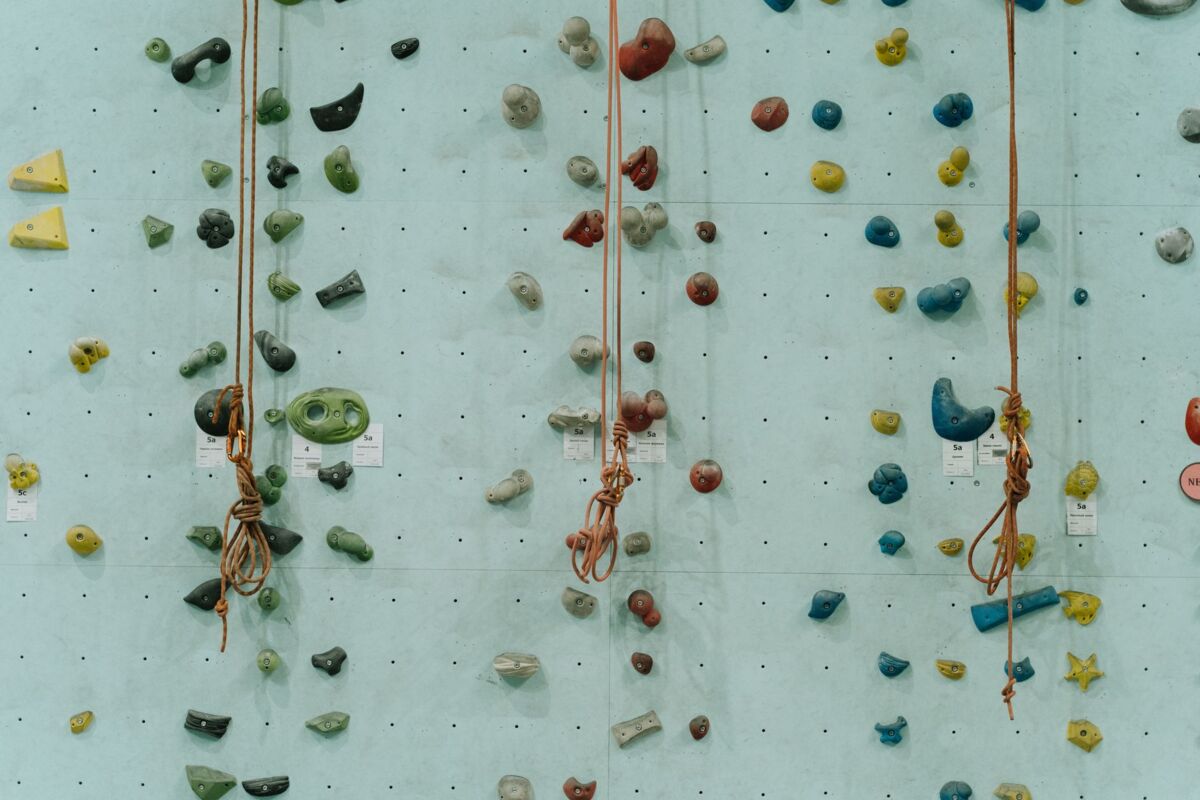
Bouldering is climbing on short walls, usually around 3 to 4.5 metres high, with no ropes and no harness. Instead of safety gear, the entire floor is a thick, soft crash mat, so a climber who comes off the wall simply drops or hops down onto padding. Each route is called a problem and is marked by a set of same-coloured holds; the fun lies in working out how to move from the start hold to the top. With no equipment to learn and no waiting for a belayer, bouldering tends to be the easiest, lowest-pressure way for a young child to begin.
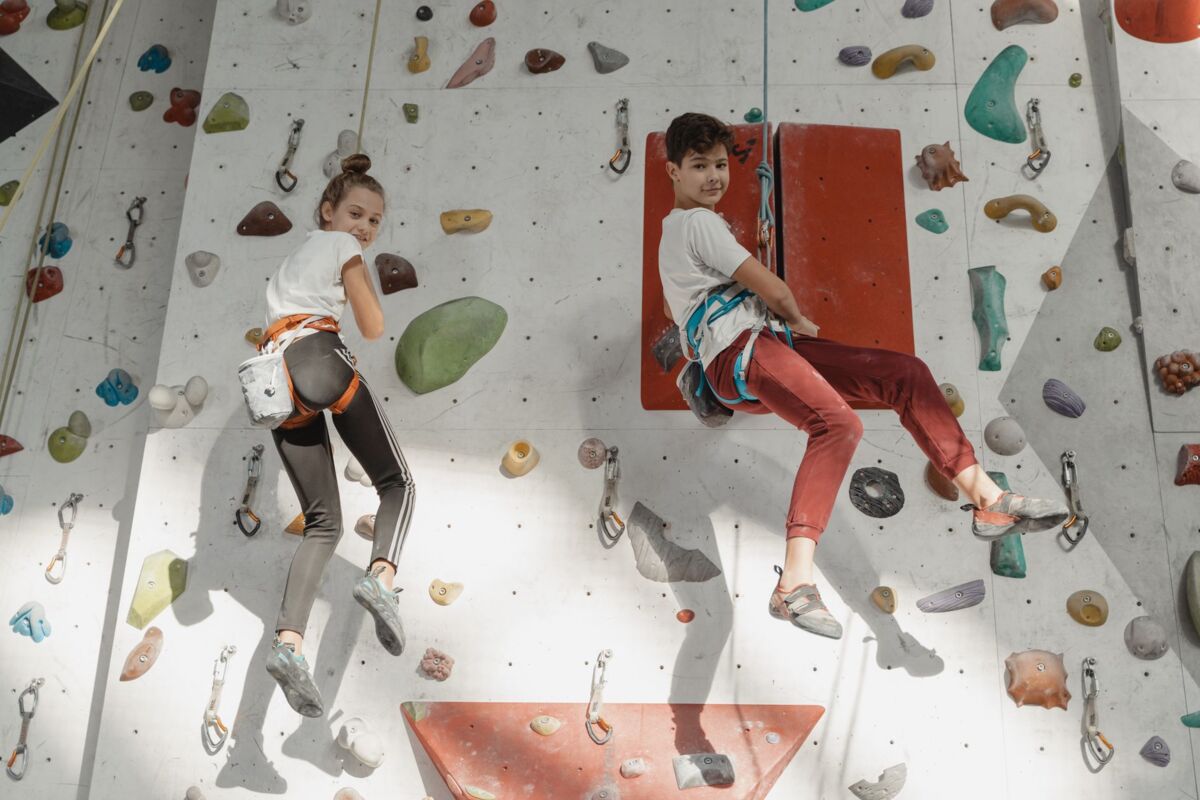
Rope climbing is the taller version most people picture, where the climber wears a harness attached to a rope and goes well above head height. Many Singapore gyms use an auto-belay: a self-retracting mechanical device that takes up slack as the child climbs and lowers them gently to the floor if they let go, so no adult needs to hold the rope. Top-rope climbing, where a person on the ground manages the rope, is the other common setup. Plenty of venues offer both bouldering and roped walls under one roof, so a family can sample everything in one session.
Why climbing is so good for kids
Climbing is a full-body workout dressed up as play. As children reach, pull, push and balance their way upward, they build strength, flexibility and coordination across nearly every muscle group. But the benefits that keep parents coming back are mostly happening between the ears.
- Problem-solving: every route is a puzzle. Kids plan a sequence, try it, fail, adjust and try again, which quietly builds patience and creative thinking.
- Confidence: topping out on a wall that looked impossible is a genuine, visible win, and that feeling of doing a hard thing tends to follow children off the mat.
- Balance and body awareness: shifting weight and trusting their feet teaches kids to control their bodies in space.
- Self-paced progress: there is no team to let down and no clock. A cautious child can stay low while a bold sibling pushes higher, and both come away pleased.
- Focus: the wall demands attention in a way a screen never quite does, and many parents notice a calmer child afterward.
It is also a wonderful leveller for kids who freeze up in competitive team sports. The only opponent is the wall, and the wall is endlessly patient. If you are mapping out other low-pressure ways to get the wiggles out, our guide to bowling with kids in Singapore covers another skill-building activity that rewards focus over brute force.
What is the best age to start?
Most climbing gyms in Singapore welcome children from around age 4 to 5 upward, usually paired with a minimum weight and height so that auto-belay devices retract and lower correctly. A handful of specialist junior centres take toddlers from as young as 2 or 3 in heavily supervised, play-led sessions. As an example, Climb Central publishes entry criteria of age 4 and above, weight over 16kg and height over 1 metre on its official First Visit page. Numbers vary by operator, and sometimes between outlets of the same brand, so always confirm the policy for the specific venue you plan to visit.
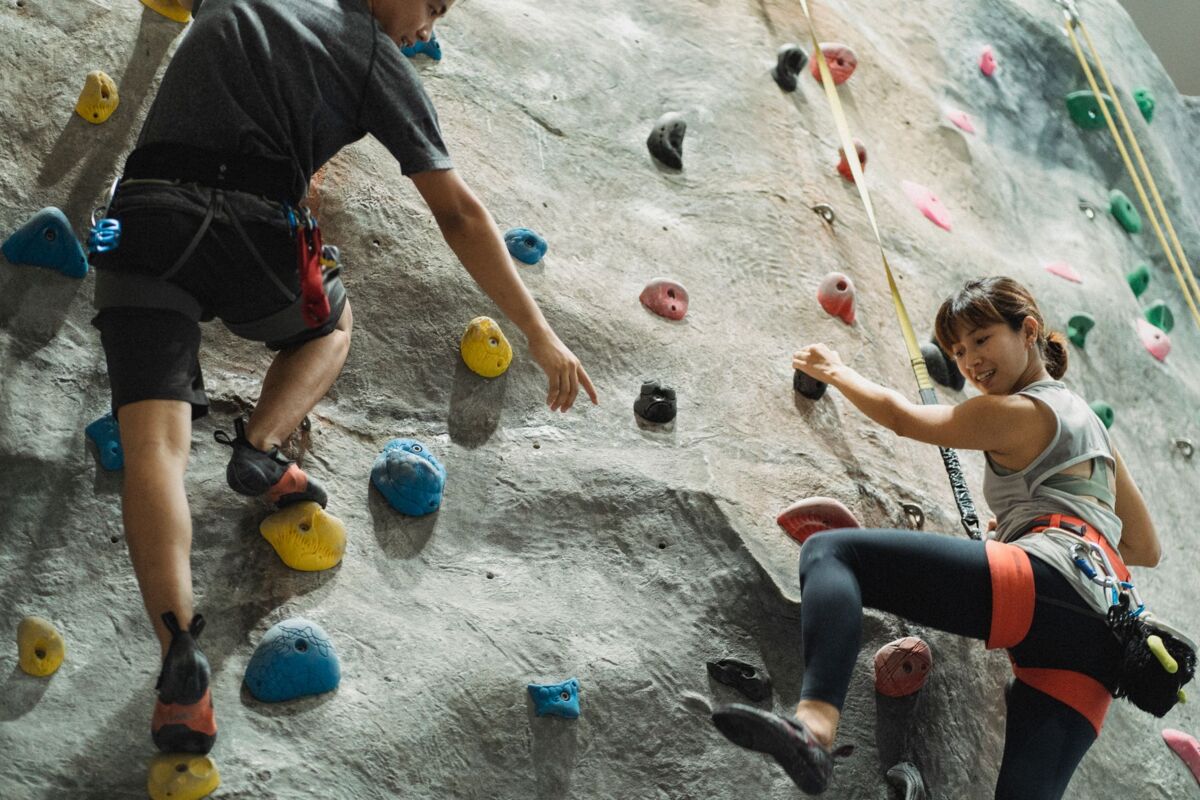
Beyond the printed minimums, the more useful question is readiness. A child who can follow a simple safety instruction, wait a short turn, and is happy a metre or two off the ground will usually have a great time. For under-fours, look for a gym with a dedicated toddler wall or a tots session rather than expecting them to share the main walls. There is no rush; climbing is a sport you can grow into for years.
How to choose a family-friendly gym
Singapore has a growing spread of indoor climbing gyms tucked into malls, sports hubs and industrial conversions across the island, so there is very likely one within a reasonable trip of you. Some are pure bouldering rooms, some are big multi-discipline centres with towering roped walls, and a few are gamified, augmented-reality playgrounds aimed at younger children. When comparing options, weigh up these features rather than picking the nearest name.
- Dedicated kids' walls or lanes: lower, gentler routes, sometimes with fun themes, keep little ones engaged and out of the way of stronger adult climbers.
- Kid-sized rental gear: small climbing shoes and, for roped walls, child harnesses make a real difference to comfort and safety.
- Auto-belay lanes: these let children climb high walls without a parent needing to learn to belay, which lowers the barrier enormously for a first visit.
- A viewing or cafe area: somewhere to sit, cheer, photograph and rest a younger sibling between climbs.
- Structured kids' programmes: junior classes and drop-off sessions for children who catch the bug and want to learn technique properly over time.
- Gamified or AR walls: some venues add light-up targets and digital games to the wall, which can be the hook that turns a hesitant child into an enthusiastic one.
Well-known operators with multiple branches make it easy to find a convenient location with consistent standards. Because branch line-ups, class schedules and entry rules change, treat any list online as a starting point and verify on the gym's official website before you head out.
Getting there, parking and rainy-day logistics
This is where indoor climbing really shines for Singapore families. A great many gyms sit inside malls or sports complexes within walking distance of an MRT station, so you can usually arrive by public transport and roll a stroller right up to the door. Mall-based venues typically have paid car parks attached and sports-hub locations often have their own lots, though both can fill on weekends, so build in a buffer.
As a wet-weather backup, climbing is hard to beat. When an afternoon at one of the best outdoor playgrounds in Singapore gets rained off, an air-conditioned climbing session is the kind of plan B that kids are genuinely happy to swap into. Mall locations have the added bonus of food courts, toilets and usually nursing rooms close by, which makes a half-day outing with a mixed-age group far more manageable.
- Stroller-friendliness: mall and sports-hub gyms are generally lift-accessible and pram-friendly; smaller industrial-unit gyms can be tighter, so check if you are bringing a buggy.
- Facilities: larger family-focused centres usually have toilets, lockers and a cafe on site, with nursing and diaper-change rooms in the surrounding mall.
- Siblings and non-climbers: many gyms sell a cheaper spectator ticket, so a parent can watch without paying a full climbing rate.
What it costs (in general terms)
Prices change often and vary by venue, time of day and whether you climb, so check the official site before booking rather than trusting any figure online. As a rough orientation only: most gyms sell a single entry pass with discounted youth and child rates, plus a cheaper supervisor ticket for a watching parent; shoe and harness rental is usually a small add-on, often bundled into a first-timer package. Guided sessions and weekly programmes cost more because they include a coach, and some venues offer an unlimited full-day pass that is good value if your child wants to keep going.
Safety and what to wear
Indoor climbing is a controlled, low-risk activity when a few basics are respected. First-timers, especially on roped or auto-belay walls, are usually asked to complete a short safety briefing; Climb Central, for instance, runs a mandatory session of around 30 minutes for new climbers. The key habits to teach a young boulderer are to climb only over the padded matting, to down-climb or drop in a controlled way rather than leaping from the top, and never to climb directly above or below another person.
- Clothing: comfortable, stretchy gear they can bend and reach in. Skip anything baggy that could snag on a hold.
- Shoes: gyms rent proper climbing shoes, including kid sizes, and these grip far better than trainers; pack clean socks, which are usually required with rentals. Covered sports shoes are fine for very young first-timers if the gym allows.
- Hair and accessories: tie long hair back and take off dangling jewellery and loose bracelets.
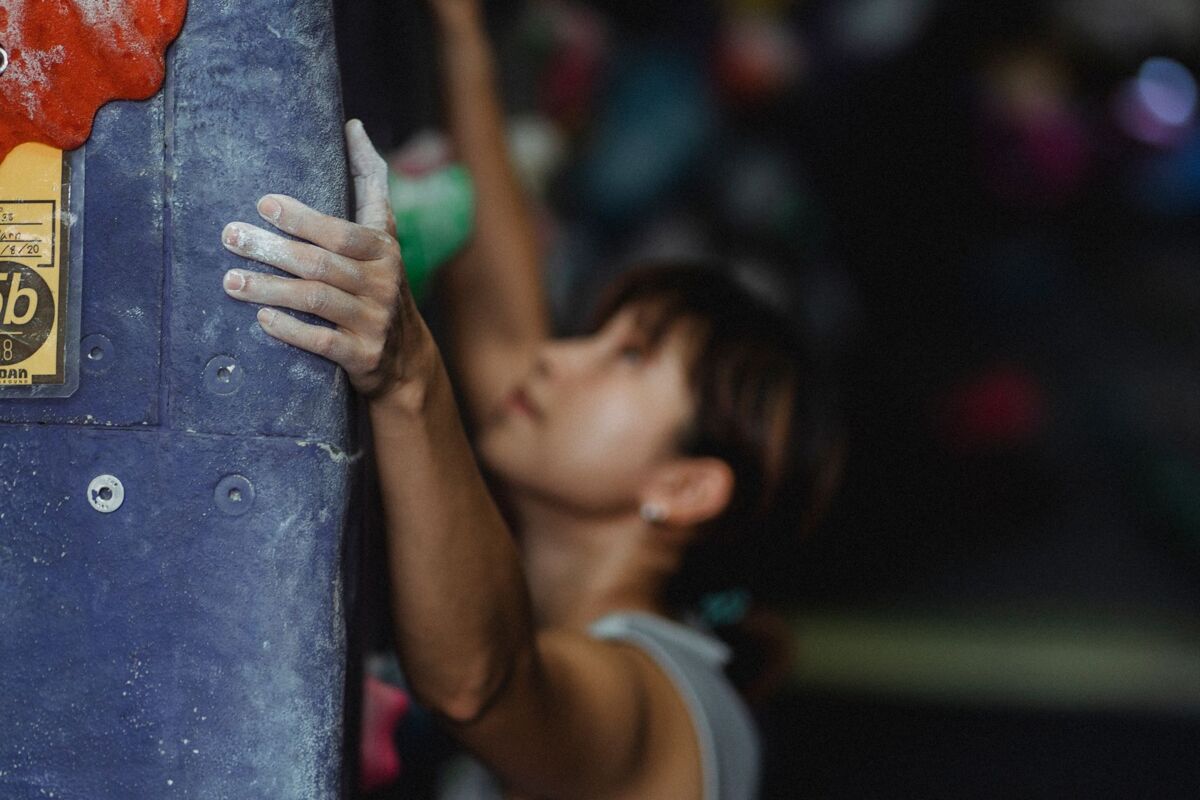
- Hands: trim fingernails to avoid tears, and use chalk if offered to manage sweaty palms and grip.
- Supervision: stay within arm's reach on the mats, especially with toddlers, and follow every staff instruction and posted rule. Most gyms cap how many children one adult may supervise at once.
What to expect on a first visit
Arrive a little early to handle registration, sign the waiver and fit rental shoes, which always takes longer with kids than you expect. Expect a short safety briefing, then a gentle warm-up on the lowest, easiest holds while your child gets used to the feel of the wall and the give of the mat. Resist the urge to push them higher than they want to go; a first session that ends with a child asking to come back beats one that ends in tears.
Climbing is thirsty, sweaty work, so bring a refillable water bottle and a snack for the inevitable energy crash afterward. Mall-based gyms put plenty of food within a short walk, which makes pairing a climb with an early dinner easy; if you are climbing in the east, our Changi Airport with kids guide has family dining ideas nearby. Above all, manage expectations: a good first visit is about fun and trying, not summiting everything in sight. Celebrate the attempt as loudly as the top.
For a calmer first outing, timing matters more than the venue. Weekday mornings and early afternoons in school terms are quietest, with the most space on the kids' walls and shorter waits for auto-belay lanes; younger children also climb best earlier in the day, before tiredness sets in. Weekends, public holidays and the after-school rush are busiest, and school holidays often come with junior camps, so book ahead during peak periods.
Frequently asked questions
What age can kids start bouldering in Singapore?
Many gyms welcome children from around 4 to 5 years old, usually with a minimum weight and height so safety systems work correctly, and a few specialist junior venues take toddlers from 2 or 3 with close, hands-on supervision. Thresholds differ by outlet, so check each gym's official site for its exact policy before you visit.
Is bouldering safe for children?
Yes, when children are supervised and climb over the thick crash mats provided. Bouldering walls are low and rope-free, and the core rules are simple: climb only over the matting, come down in a controlled way rather than jumping from the top, and never climb directly above or below another person. Roped walls add a harness and a safety briefing for an extra layer of protection.
What is the difference between bouldering and rock climbing?
Bouldering is rope-free climbing on short walls with a padded floor instead of safety gear. Rope climbing uses a harness and rope, often a self-lowering auto-belay, on much taller walls. Bouldering is usually the simplest place for a young child to start, and many gyms offer both.
Do we need to bring any equipment?
No special gear is needed to begin. Gyms rent climbing shoes, including kid sizes, and harnesses for roped walls. Just wear comfortable, stretchy clothes, pack clean socks for the rental shoes, and bring a water bottle and a snack.
Do parents have to climb too?
Not necessarily. Most gyms require a responsible adult to accompany and supervise young children, but many sell a low-cost spectator or supervision ticket so you can watch from the side without paying a full climbing rate. Some venues also run drop-off junior sessions for older, more confident kids.
Is indoor climbing a good rainy-day activity?
It is one of the best. Gyms are fully air-conditioned and weather-proof, and many sit inside malls with food, toilets and nursing rooms nearby, which makes climbing an easy plan B when an outdoor outing gets rained off.
Once your climber is hooked, fold a session into a wider day out. For more all-weather and active ideas around the island, browse the Fussy Mama blog.

Admiralty Park Family Guide: Singapore's Playground With the Most Slides
Family guide to Admiralty Park, the Singapore playground with the most slides. Play zones by age, inclusive swings, mang...
11 min read
Archery in Singapore: A Family Guide to Beginner Sessions for Kids
Archery in Singapore for families: how beginner sessions work, suitable ages for kids, indoor vs outdoor ranges, safety ...
9 min read
ArtScience Museum Family Guide: Future World, Tickets and Tips for Singapore Parents
A Singapore parent's guide to the ArtScience Museum: Future World with kids, tickets, the Family Friday free-child deal,...
9 min read