

Bowling With Kids in Singapore: A Family Guide to the Lanes
In this article
- Why bowling works so well for families
- What makes a lane genuinely kid-friendly
- What age can kids start bowling?
- The kinds of bowling centres around the island
- Cost guidance and how to keep it cheap
- What to bring and what to expect on the day
- Bowling etiquette and safety for kids
- Accessibility, facilities and getting there
- Frequently asked questions
Few outings let a toddler, a primary schooler and a grandparent play the same game and all have a genuine shot at winning. Bowling does exactly that, and because it is indoor and air-conditioned, it shrugs off the afternoon thunderstorm that ruins most other plans. This guide is for parents weighing up a first family bowling trip, or anyone who tried it once, watched every ball roll into the gutter, and wants to do it properly next time. We cover what makes a lane truly kid-ready, the best age to start, what to pack, how to keep costs down, and the etiquette and safety that make the difference between a meltdown and a great morning out.
Why bowling works so well for families
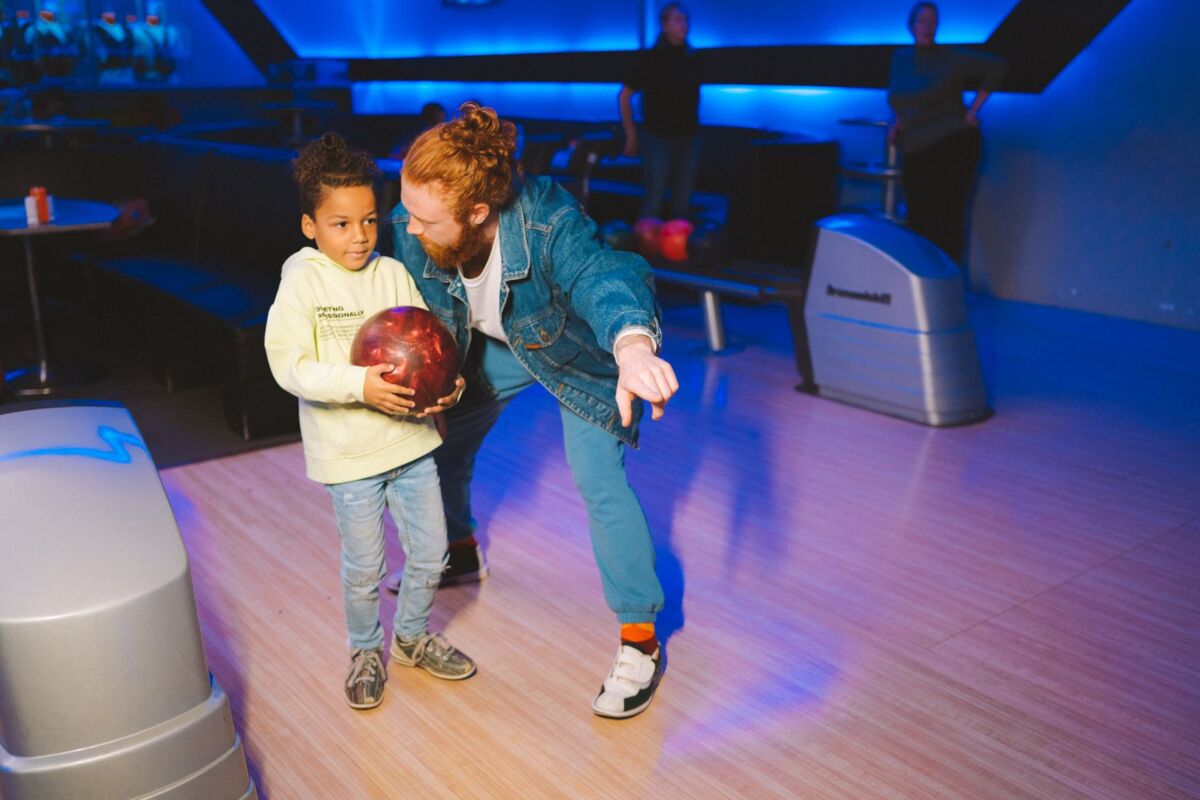
The magic of bowling with young children is that the gear does the hard work. With a few simple aids, a three-year-old who cannot throw a ball can still knock down pins and feel like a champion, which levels the playing field in a way almost no other sport manages.
It is also refreshingly short and self-paced. A single game runs roughly 30 to 45 minutes for a family of four, which fits neatly between lunch and a nap or fills a wet afternoon without dragging. There is downtime between turns, so parents actually get to sit down, and it is screen-free without feeling worthy. For little ones the draw is sensory: the weight of the ball, the rumble down the lane, the crash at the end. For older kids it turns pleasantly competitive once the scoreboard lights up.
What makes a lane genuinely kid-friendly
Not every centre is set up for small children, and the family-friendly ones earn that label through a handful of specific features. This is the checklist worth running through before you book, because the presence or absence of these is what decides whether your child has fun or gives up after two frames.
Bumpers (also called bumper lanes)
Bumpers are barriers that rise along both gutters so the ball stays on the lane and almost always reaches the pins. They are the single most important feature for under-tens. The best systems are programmable: bumpers pop up only for a child's turn and drop again for the adults on the same lane, so a mixed-age game works without the grown-ups feeling like they are cheating. Older systems raise bumpers for the whole lane, fine if everyone is small. Bumper lanes are usually limited in number, so they are the thing most worth confirming when you book.
Ramps for the littlest bowlers
A bowling ramp is a sloped frame at the start of the lane. The child places the ball at the top, aims, and gives it a push, and gravity rolls it down onto the lane. This unlocks bowling for toddlers and pre-schoolers who cannot yet swing a ball one-armed. Some centres dress these up as dinosaur or dragon ramps. Ramps are even scarcer than bumpers, sometimes just a few per venue, so they are first-come or must-reserve in practice.
Lighter balls and kid-sized shoes
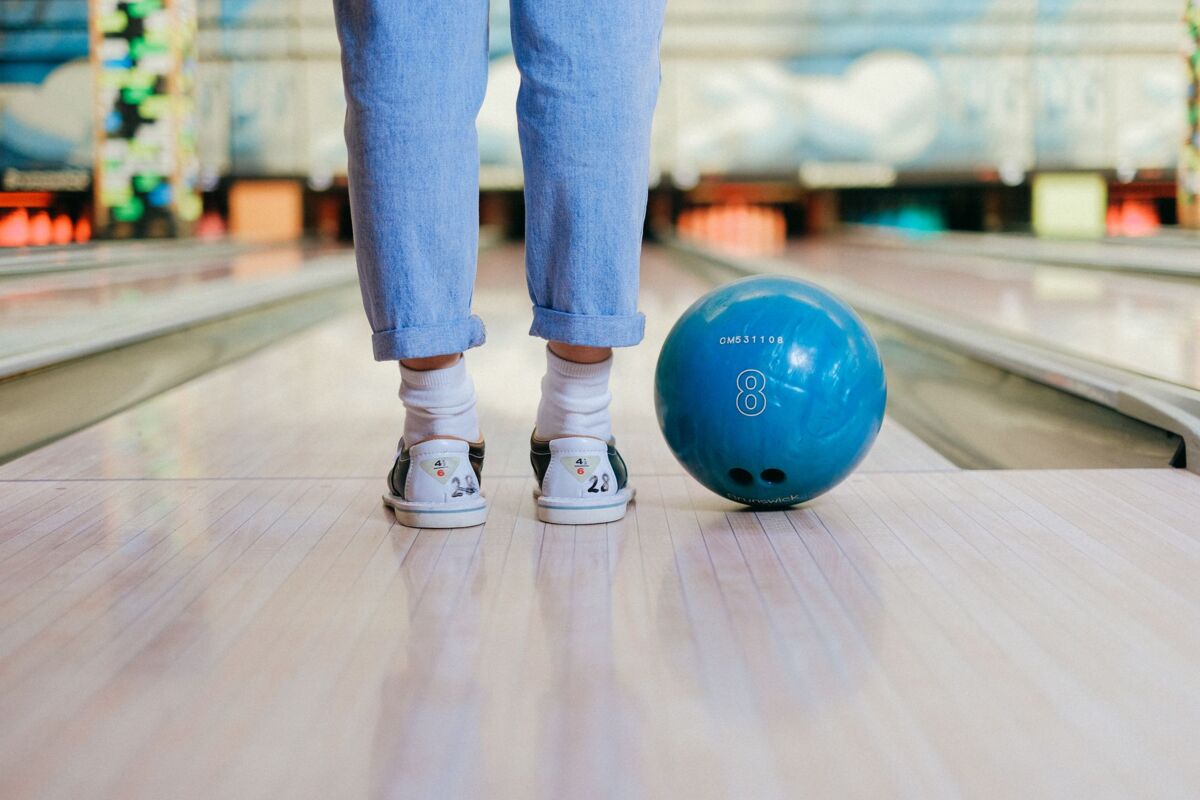
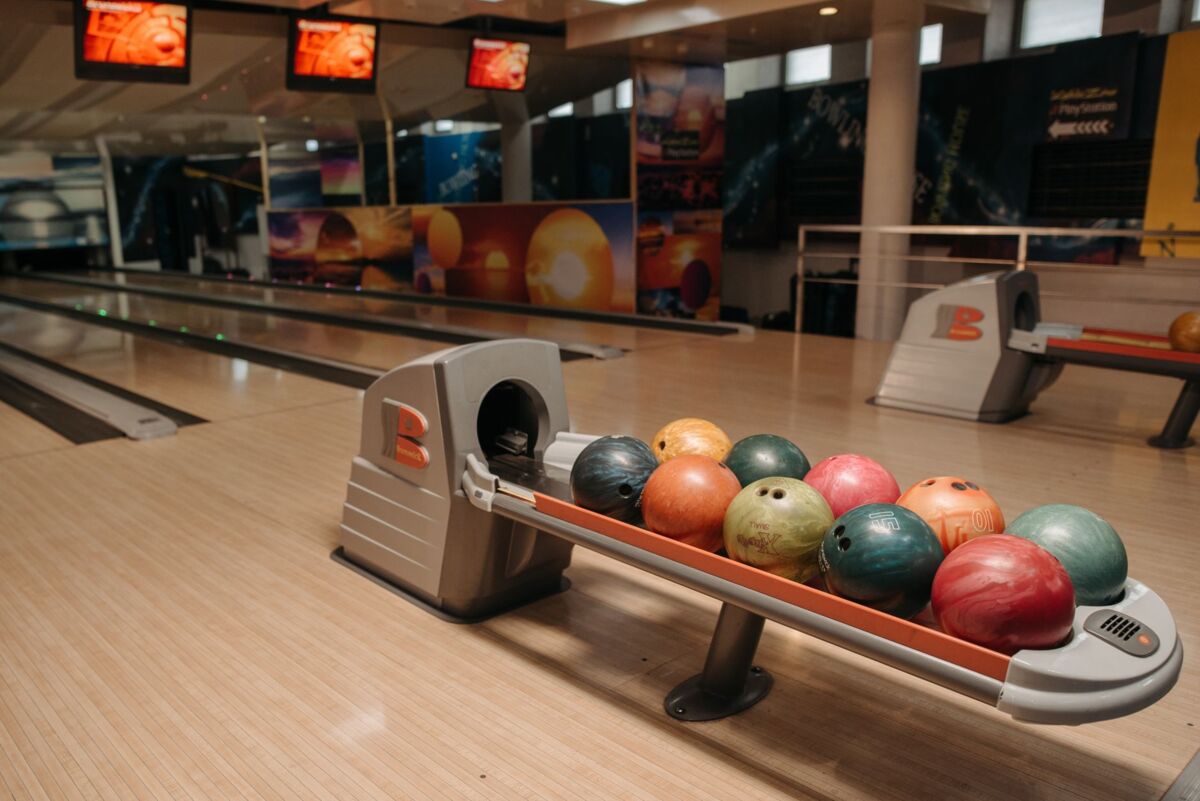
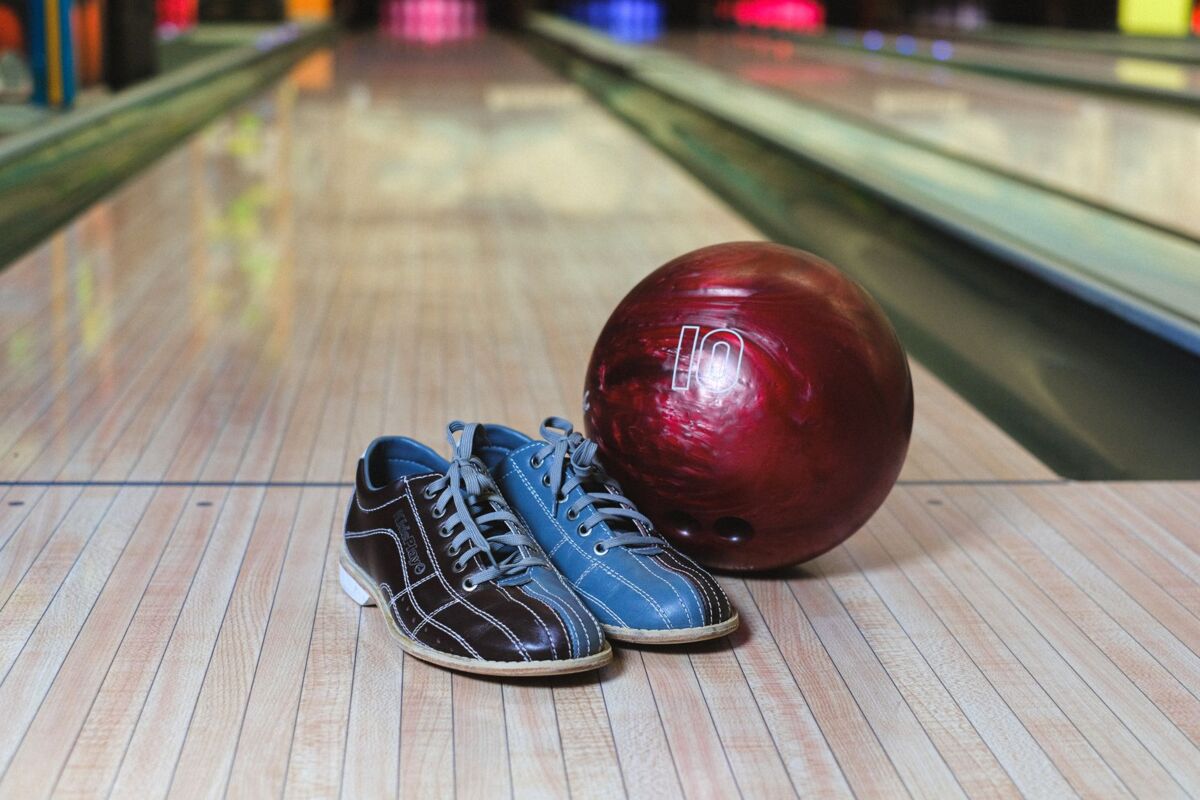
House balls come in a range of weights, and family centres stock light ones, often down to around 5 or 6 pounds, sometimes with extra finger holes so small hands can grip them. A ball that is too heavy is the fastest route to a sore wrist and a grumpy child, so steer little ones to the lightest options. Rental shoes come in children's sizes too, with flat soles that slide safely on the approach in a way trainers do not. Check the smallest size a centre carries if your child is a toddler, because the tiniest feet sometimes fall below the range.
Automatic scoring and cosmic bowling
Every modern centre uses automatic on-screen scoring, so kids get an instant, colourful tally that fuels the competitive streak. Many venues also run cosmic or glow bowling, with dimmed lights, neon and UV, and louder music. Tweens and teens often love it, but it can overwhelm very young children or those sensitive to noise and flashing lights, so save it for older kids or pick a standard daytime session for the little ones.
What age can kids start bowling?
With a ramp and bumpers in place, children as young as around three can join in, because all they do is push the ball off the top of the ramp and watch it go. From roughly five or six, many kids can swing a light ball themselves while still using bumpers, and around eight to ten they are often ready to try a lane without them. There is no universal rule and centres set their own guidance, so treat these as rough markers. The honest truth is that attention span matters more than age: under-fives are usually happy with one game, and a marathon session will lose them well before the final frame.
The kinds of bowling centres around the island
Singapore has bowling centres scattered across the island, so wherever you live there is usually one within reach. Rather than fixate on a single venue, it helps to understand the broad types, because each has a different vibe, price point and set of facilities. Lane counts, operators and amenities change over time, so always check a centre's own page before you set off.
- Recreation and civil-service club centres tend to be large and roomy, with many lanes and family facilities, often tucked inside bigger clubhouses that have dining and other activities. They are frequently among the better value, with off-peak weekday rates, though some sit away from an MRT station.
- SAFRA and Home Team-linked centres are common across the heartlands and usually well set up for families, with bumper lanes and lighter balls. Members often pay less, but they are typically open to the public too.
- Heartland and mall-based alleys put bowling close to MRT stations and HDB neighbourhoods, handy for a casual local outing without a car.
- Themed and cosmic bowling venues, including some in central malls, lean into neon, music and arcade games. Great for an older kids' celebration; potentially a lot for very young children.
- Stadium and sports-precinct centres, such as those around Kallang, are popular and busy, so they reward booking ahead, especially at weekends.
For a current, authoritative list of sanctioned centres with addresses, the Singapore Bowling Federation publishes a Bowling Centres directory under its Resources section, a sensible first stop before you commit to a venue.
Cost guidance and how to keep it cheap
Bowling is one of the more affordable family outings, but what you pay swings a lot by venue, day and time, so we will not quote figures that go stale. The pattern to plan around is simple: weekday off-peak sessions, usually mornings through early afternoon, are cheapest, while evenings, weekends and public holidays cost more and draw bigger crowds. Some centres charge per game, others per lane per hour, and the per-hour model can suit a big, slow-bowling family. You will also pay a small shoe-rental fee per pair, and club or SAFRA members often get a discount. Always confirm current prices, and whether bumper lanes carry a surcharge, when you book.
What to bring and what to expect on the day
When you arrive you pay at the counter, rent shoes for everyone playing, and staff set up bumpers and a ramp if you asked for them. You key in names at the lane, pick comfortable balls, and away you go. A little preparation makes it smoother.
- Socks for everyone. Rental shoes are worn with socks and most centres require them, so pack a spare pair each. Bare feet or tights will not do.
- A backup pair of flat covered shoes for tiny tots, in case the smallest rental size still does not fit. Some centres let little ones bowl in their own trainers.
- Water, a snack and hand wipes for the lull between turns; save any proper meal for before or after rather than mid-game.
- A light layer, since lanes are strongly air-conditioned and small children get cold faster than you expect.
Set expectations low and keep the praise high. Show little ones how to line up at the dots, let them lean on the ramp, and cheer every roll whatever the score does. Most families find one or two games is the sweet spot before attention fades, and you can always add another if everyone is still keen.
Bowling etiquette and safety for kids
A few simple rules keep everyone safe and stop you annoying the lane next door. They are easy to teach before the first ball goes down.
- Roll the ball, do not throw it. Lofting or hurling damages the lane and can hurt feet, so teach a gentle push or swing.
- Mind the approach and stay on your own lane. Wait for the people beside you to finish before stepping up, and never wander down the lane itself, which is slippery by design.
- Keep little fingers clear of the ball return. Balls come back with force, so this is the spot to watch most closely with toddlers.
- Stay back between turns, one bowler at a time, and no running. Have children sit while it is someone else's go; the smooth approach is built to slide, which is exactly why excited kids fall on it.
Accessibility, facilities and getting there
If you are bringing a baby alongside older siblings, facilities matter. Larger club and mall-based centres are more likely to have nearby nursing rooms, family toilets and lift access, while smaller heartland alleys may have less. Stroller-friendliness varies too, with some venues a short walk from the MRT or up a level or two, so check the route if you are pushing a pram. Mall and stadium locations are generally easiest by public transport, while standalone club venues can be simpler with a car or taxi. None of this is standardised, so a quick look at the centre's website is worth it if a specific facility is a deal-breaker.
Bowling also pairs well with a meal, since most centres sit near a food court, mall or clubhouse dining, which makes it an easy half-day plan. If the kids still have energy afterwards, it slots neatly alongside other indoor outings: you could follow it with a session at one of the city's climbing walls in our guide to bouldering and climbing for kids, or pivot to a calmer afternoon at the ArtScience Museum if the rain sets in. Families who like a hands-on day out often pair the lanes with archery, which has a similar take-turns rhythm that suits a range of ages. For more weather-proof ideas, browse the wider learn hub.
Frequently asked questions
What age can a child start bowling in Singapore?
With a ramp and bumpers, children from around three can take part, because they only need to push the ball off the ramp. From about five or six many can swing a light ball themselves, and by eight to ten some are ready to try without bumpers. Centres set their own guidance, so check the venue, and remember attention span usually runs out before ability does.
Do I need to book a lane in advance?
For weekday off-peak visits you can often walk in, but evenings, weekends and school holidays get busy and walk-ins may wait. Booking is the safest way to secure a lane, and it is the only reliable way to lock in a bumper lane and a ramp, both of which are limited in number and claimed quickly.
How long does a game of bowling take?
A single game for a family of four usually runs about 30 to 45 minutes. With young children, plan for one or two games rather than a long session, as most under-fives have had enough fun after a single game.
What should kids wear and bring?
Everyone needs socks, since rental shoes are worn over them and most centres insist on it. Bring a light layer because lanes are heavily air-conditioned, plus water and a snack for the gaps between turns. For toddlers, a backup pair of flat covered shoes helps in case the smallest rental size does not fit.
Is bowling expensive for a family?
It is one of the cheaper family outings, though prices vary by venue, day and time. Weekday off-peak sessions are the most affordable, while weekends and evenings cost more. You will usually pay per game or per lane per hour, plus a small shoe-rental fee, and club or SAFRA members often pay less. Confirm current rates when you book, as they change.
Are bowling centres suitable for toddlers and babies?
Toddlers can bowl from around three with a ramp and bumpers. For babies, choose a larger club or mall-based centre more likely to have nursing rooms and family facilities, avoid loud cosmic sessions, and go at a quieter off-peak time so there is space to manage a pram and a feed between turns.
Bowling is one of the easiest wins in the family-outing playbook: indoor, affordable, suitable across a wide age range, and genuinely fun for parents too. Sort the bumpers and a ramp ahead of time, pack socks and a layer, and go off-peak if you can, and you have a reliable plan for the next wet afternoon.
Admiralty Park Family Guide: Singapore's Playground With the Most Slides
Family guide to Admiralty Park, the Singapore playground with the most slides. Play zones by age, inclusive swings, mang...
11 min read
Archery in Singapore: A Family Guide to Beginner Sessions for Kids
Archery in Singapore for families: how beginner sessions work, suitable ages for kids, indoor vs outdoor ranges, safety ...
9 min read
ArtScience Museum Family Guide: Future World, Tickets and Tips for Singapore Parents
A Singapore parent's guide to the ArtScience Museum: Future World with kids, tickets, the Family Friday free-child deal,...
9 min read