
Art Jamming in Singapore: A Family Guide to Painting and Art Fun
In this article
- What is art jamming, exactly?
- Why families love it
- Studio, art cafe, or at home: which one fits?
- What is the best age for art jamming?
- Doing it with young kids: a survival kit
- What it costs, and what is usually included
- Getting there, parking and timing your visit
- Accessibility, nursing and the practical parent stuff
- Children's art classes: the next step
- Simple art ideas to do at home
- Frequently Asked Questions
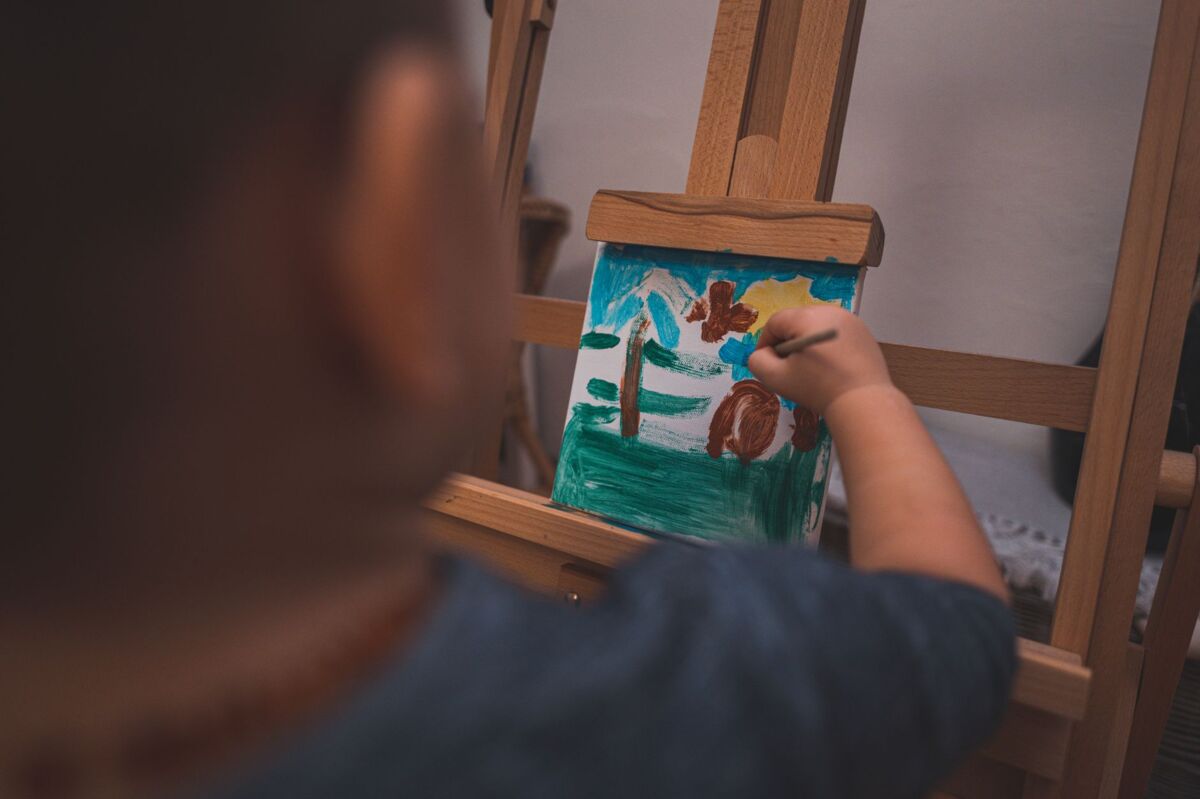
Rainy weekend, restless kids, and a fridge already buried under drawings? Art jamming is the rare family outing where a toddler, a tween and a tired parent can all sit at the same table, pick up a brush and just make something. No skill needed, no right answer, and best of all, someone else mops up the paint. This guide is for parents weighing up whether art jamming suits their family, which age it works best for, and how a relaxed studio differs from a proper art class. We cover the practical stuff the listicles skip: ages, costs, booking, accessibility, and timing your visit so you are not painting in a crowd.
What is art jamming, exactly?
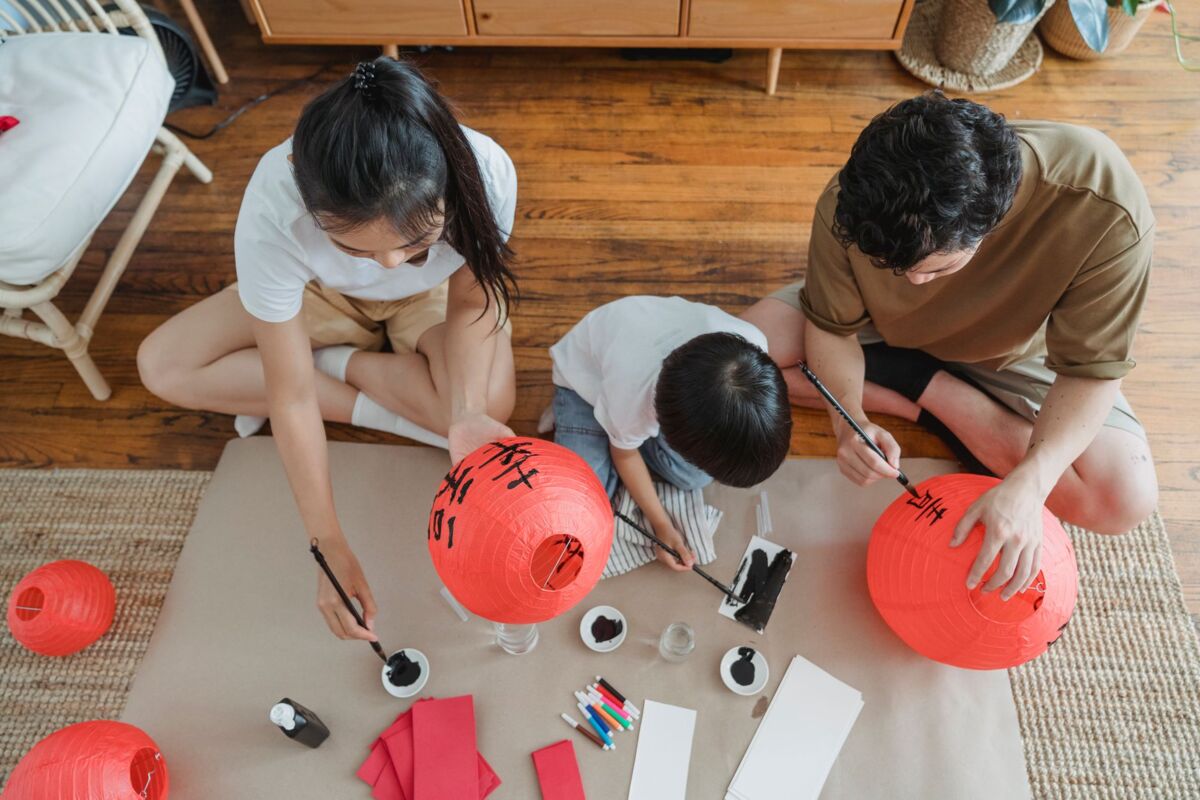
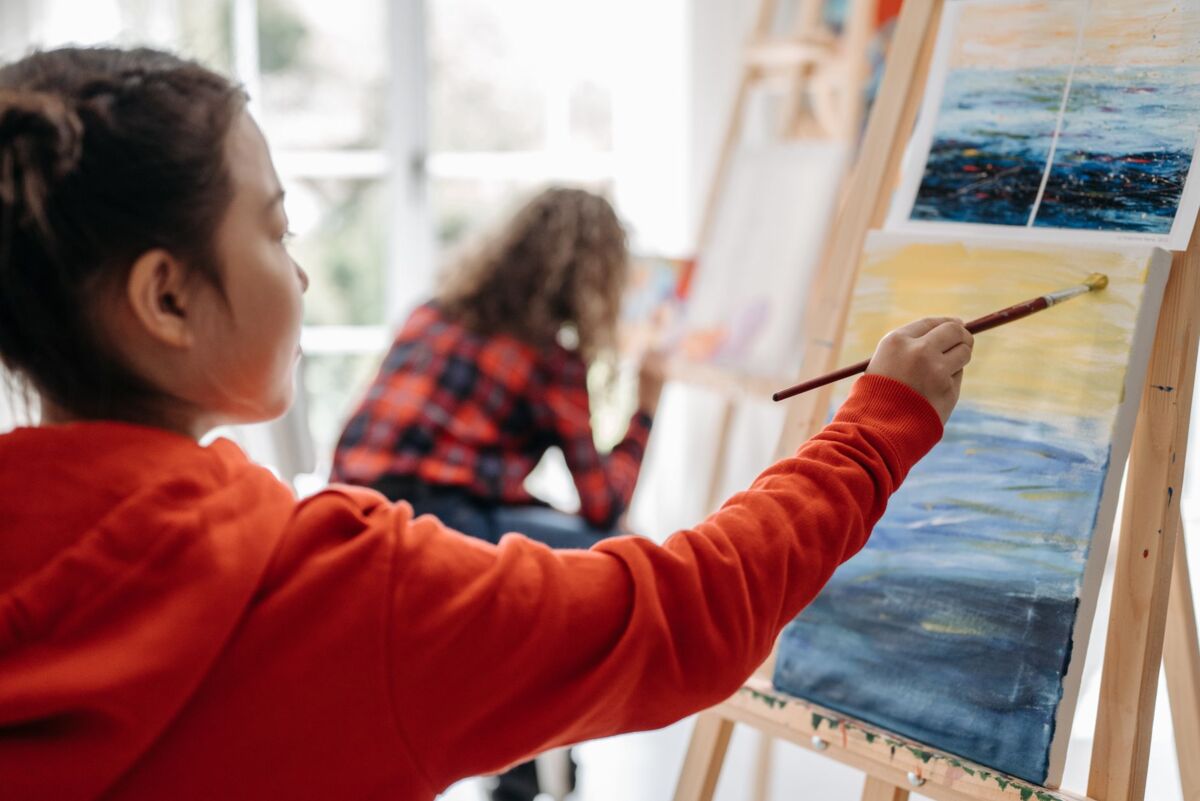
Art jamming is open, self-directed painting in a studio set up for the purpose. You book a slot, the studio hands over a blank canvas plus the paints, brushes and aprons you need, and you paint whatever you feel like. There is usually little or no formal teaching, and nobody corrects your technique. That freedom is the whole point, and it is why art jamming suits mixed-age groups and children who freeze up when told there is a correct way to do things.
Sessions are almost always sold by the person, either as a fixed two to three hour block or by the hour, with canvas and materials included. Some studios go well beyond the flat canvas: you might paint a figurine, a wooden ornament, a tote bag or canvas shoes, or try a playful format like spin art, splatter painting or glow-in-the-dark neon. A handful are art cafes that fold free-flow drinks and snacks into the price. Because formats, durations and prices differ a lot, always confirm the current details on the studio's own site before you book.
Why families love it
Art jamming lands in a sweet spot for parents. It is screen-free, calming, and gives kids a real sense of ownership because the finished piece is entirely theirs. A few reasons it keeps showing up on family to-do lists:
- Everyone joins in. Little ones, big kids and adults all paint side by side, each at their own pace.
- The mess stays out of your home. The studio supplies the paints, aprons and cleanup, so your dining table survives.
- It is unhurried, screen-free time. A couple of hours of quiet focus with no tablet in sight.
- You take home a keepsake. The canvas becomes wall art, a gift, or a souvenir of the day.
- It is a reliable rainy-day and birthday plan. Most studios are indoor and air-conditioned, and many run parties, a safe bet against Singapore weather.
Studio, art cafe, or at home: which one fits?
Not all art jamming looks the same, and the format you pick changes the experience a lot, especially with young children. Broadly, you are choosing between three options.
A dedicated art studio
These are quieter spaces built around the painting. You tend to get larger canvases, a fuller range of paints, and sometimes light guidance if you ask. They suit a calm, immersive couple of hours where your child can settle in. The trade-off is that food and drinks are often limited or sold separately, so plan a meal before or after.
An art cafe
Art cafes blend painting with a sit-down cafe vibe, often bundling free-flow tea, coffee or soft drinks, and sometimes light snacks, into the price. The atmosphere is more social and forgiving, which suits families who want snack breaks between brushstrokes. Spots like Arteastiq and Cafe de Paris often fall in this category, but check each one's current inclusions, age policy and prices yourself, because they change.
At home with a kit
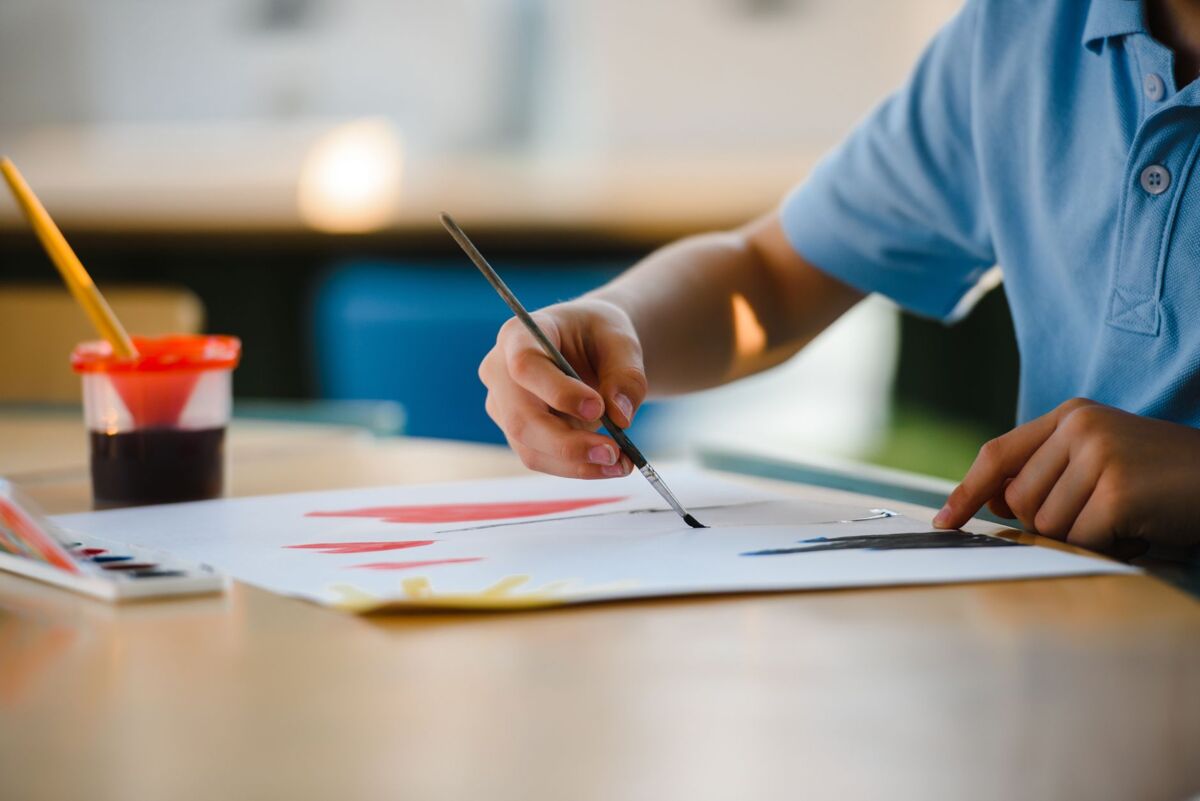
If a booking feels like too much or your child is very young, recreate the free-painting spirit at home with a cheap canvas, washable paints and an old shower curtain on the floor. You gain total flexibility, and toddlers do far better on home turf (see the home ideas below).
What is the best age for art jamming?
There is no single island-wide rule, and studios answer this most inconsistently, so it helps to think by age band rather than hunt for one magic number.
- Toddlers (around 18 months to 3 years): capable of joyful, messy painting, but the attention span is short and supervision is full-time. Look for studios that welcome under-threes, and expect twenty minutes of real engagement, not two focused hours.
- Preschoolers (3 to 5 years): often the sweet spot for a first studio visit. They love colour and grasp the idea of filling a canvas, and many studios set their minimum age in this range with a parent painting too.
- School-age kids (6 to 12 years): the most independent group. They can sit through a full session, plan a picture, and enjoy trickier formats like splatter or figurine painting, often without a parent at the easel.
- Tweens and teens: art jamming reads as a genuinely cool, low-pressure hangout, especially the spin-art and neon formats, and it works for sibling pairs or a small group of friends.
Because minimum ages and supervision rules vary so widely, the only reliable way to know is to check the studio's site or message them before booking. Things worth confirming up front:
- The minimum age, and whether an adult must paint alongside a younger child
- Session length, and how many people one booking covers
- What is included (canvas, paints, aprons, drinks) and the current price
- Whether you need to book ahead or can walk in
- Stroller access, and whether there is space to park one inside
Doing it with young kids: a survival kit
Painting with a preschooler or toddler is wonderful and slightly chaotic, and a little preparation goes a long way. The goal is not a gallery-worthy canvas; it is a happy half hour.
- Dress for ruin. Aprons help, but acrylic stains, so use old clothes and pack a spare set.
- Go early in the session. Young children focus best in the first twenty to thirty minutes.
- Let go of the outcome. If your three-year-old wants to paint the whole canvas brown, let them.
- Bring wipes and a snack. A break refuels a flagging toddler, and wipes save you when the sink is far.
- Time it around naps and meals. A fed, rested child paints; a tired one paints the floor and cries.
What it costs, and what is usually included
Prices swing widely depending on the studio, canvas size and format, so treat any figure as a rough guide and confirm on the official site. Broadly, a plain canvas at a budget studio sits at the lower end, a standard two to three hour slot at a mid-range studio or art cafe sits in the middle, and specialty formats such as large figurines, neon tube work or sneaker painting climb to the premium end. Children sometimes pay a reduced rate, and some studios let an adult sit with a very young child without a separate canvas fee.
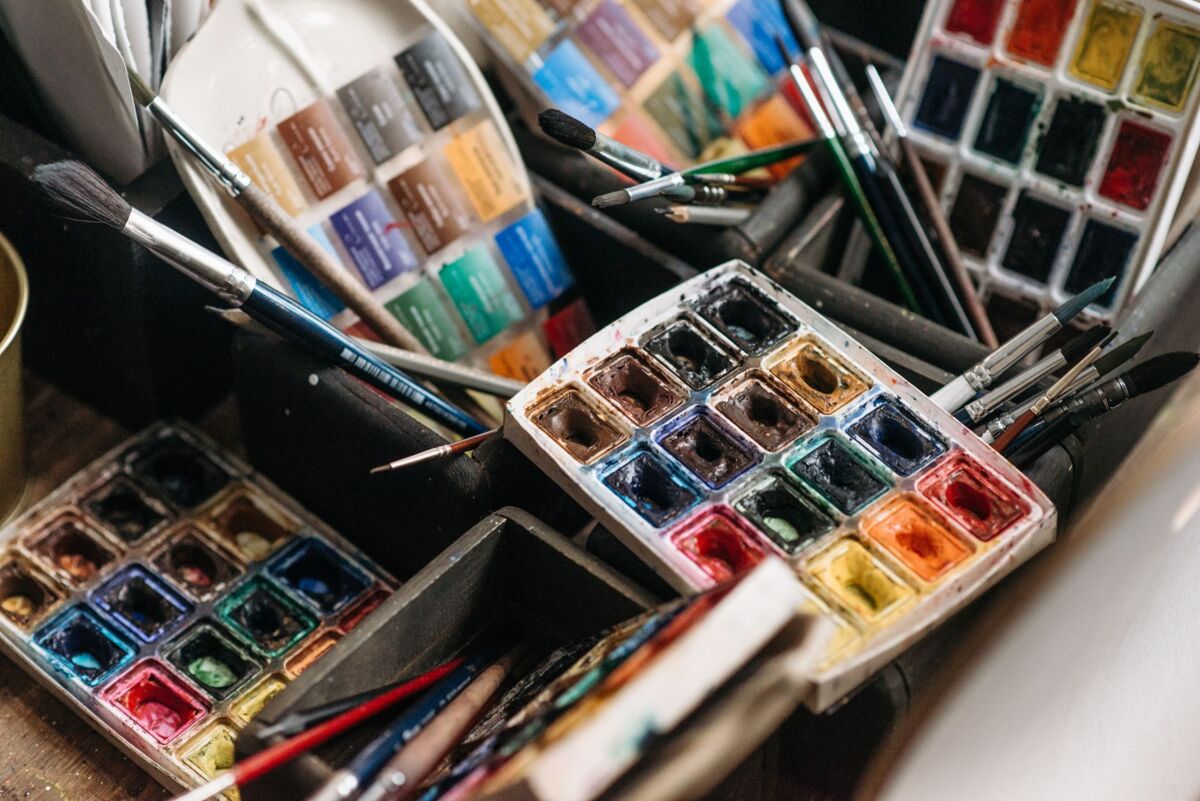
A standard session almost always includes the canvas, acrylic paints, brushes and an apron, and art cafes often add free-flow drinks. Costing extra, typically: a bigger canvas, painting on something other than canvas, instructor guidance, and outside food (some charge corkage). For a group or birthday party, ask about minimum numbers, deposits and whether they bring the per-head price down.
Getting there, parking and timing your visit
Art jamming studios are scattered right across the island, from central arts clusters to heartland malls, so you can usually find one within an MRT ride or a short bus hop. Plenty sit inside or beside shopping centres, a quiet blessing with kids: toilets, food and air-conditioning in one place, and somewhere to park the pram. Once you have picked a studio, check its website or map listing for the address, the nearest MRT station and whether the building has parking, then plan a meal nearby.
On timing, weekend afternoons and school holidays are busiest, so a studio can get noisy. For a calmer experience with a young child, aim for a weekday or a weekend morning slot, and book ahead; many studios are most relaxed right when they open. If you are mall-hopping anyway, our roundup of family-friendly malls in Singapore helps you pair the painting with lunch and a play area, and the Great World family guide is handy if you are heading that way.
Accessibility, nursing and the practical parent stuff
This is the bit competitor listicles almost never mention, and it makes or breaks a day out with a baby in tow. Studios inside malls give you the easiest run: lifts, accessible toilets, and nursing or diaper-changing rooms within a short walk, even if the studio itself has none. Standalone shophouse studios can be charming but may sit up a flight of stairs with no lift, and tight aisles a bulky stroller will not love. If you are carrying a baby while an older child paints, a carrier often beats a pram inside a small studio, and you can compare options in our guide to the best baby carriers in Singapore. Before you go, check whether the studio is lift-accessible, where the nearest nursing facilities are, and whether there is room to stow a stroller.
Children's art classes: the next step
If your child catches the bug and wants to actually learn, term-based art classes are the natural progression. Studios around Singapore run regular classes for young children through to pre-teens, usually grouped by age with small instructor-to-child ratios. Some take children from around three or four; others focus on primary-age kids and add school-holiday camps. Beyond painting, you will find kids' workshops in pottery, clay, batik, terrarium-making and paper crafts. Fees and schedules change often, so confirm details on each studio's page and ask about a trial class before committing to a term.
Simple art ideas to do at home
Not every creative day needs a booking. The principle is identical: give kids the materials, drop the rules, and let them make whatever they want.
- Sponge stamping: cut kitchen sponges into shapes and let kids stamp patterns onto paper.
- Free painting on canvas or paper: tape down a big sheet, set out a few colours, and step back.
- Collage: old magazines, scrap paper, glue and child-safe scissors, with supervision for little ones.
- Bubble-wrap or bottle-cap printing: dip textured odds and ends into paint and press them onto paper.
- Clay or play dough modelling: rolling and shaping is brilliant sensory play for toddlers not yet ready for a brush.
If you are out shopping for materials, a trip to IKEA Singapore covers cheap canvases, smocks and storage in one go, with a meal and a play area built in.
Frequently Asked Questions
Do you need to be good at art?
Not in the slightest. Art jamming is built for complete beginners, and the whole idea is that there is no right or wrong. Kids thrive once they realise nobody is grading the result.
How long does a session take?
It varies by studio, but most sessions run roughly two to three hours, either as a fixed block or charged by the hour. Check the time slot when you book, since some are shorter and some let you linger.
Can toddlers join art jamming?
Sometimes, but it depends on the studio. Some welcome all ages with a parent painting alongside, while others set a minimum age, so confirm before you go. With a very young child, a relaxed at-home session is often the calmer choice.
Do we need to book in advance?
Booking ahead is the safe move, especially on weekends, school holidays and for groups. Some studios take walk-ins when there is space, but slots fill up, and pre-booking means less waiting.
Is art jamming good for a birthday party?
It is one of the easier party formats: indoor, screen-free, and every guest leaves with their own painting instead of a bag of plastic toys. Many studios offer party packages, so ask about group rates and inclusions when you enquire.
What is the difference between guided and unguided sessions?
Unguided art jamming leaves you to paint freely with no instruction, the classic format. A guided session has an instructor walking you through a technique step by step. Guided suits kids who want direction; unguided suits those who just want to splash colour.
Whichever route you take, art jamming is one of the gentlest, most inclusive family activities Singapore has to offer. Pick a studio, confirm the age and pricing on its official site, and enjoy a few unhurried hours making something together. For more weekend ideas, browse our latest family guides.

Baby Fairs in Singapore: A Parent's Guide to Deals, Dates and Smart Shopping
A practical guide to baby fairs in Singapore: where they run, what to buy and skip, how to spot real deals, what to brin...
10 min read
Best Baby Swaddles and Sleep Sacks in Singapore
How to choose safe, breathable baby swaddles and sleep sacks in Singapore's hot climate, when to stop swaddling, and wha...
9 min read
Baby Carrier Singapore: A Practical Buying Guide for Hot-Weather Parents
How to choose a baby carrier in Singapore: wraps, ring slings, structured carriers and hip seats, plus TICKS safety rule...
11 min read