

Planning a Baby Shower in Singapore
In this article
- What a baby shower is (and how it differs from a full-month celebration)
- A cultural note: some families prefer to celebrate after the birth
- When to hold a baby shower
- Who hosts, and who to invite
- Venue options
- Setting a budget
- Themes and decor ideas
- Food and catering
- Games and activities
- Gift ideas and a registry tip
- A simple planning timeline
- Etiquette to keep things smooth
- Frequently Asked Questions
A baby shower is one of the loveliest ways to mark a pregnancy: a gathering where friends and family come together to celebrate the parents-to-be, share advice, and shower them with little gifts for the baby on the way. In Singapore the idea has grown steadily over the past decade, blending the Western tradition with our own local flavours of food, family and fuss. This guide is for anyone hosting one here, whether you are a best friend planning a surprise, a sister stepping up, or a mum-to-be quietly organising her own low-key afternoon. It walks you through when to hold it, who to invite, where to host it, and all the warm, practical details in between, without inventing prices or pushing any particular vendor.
What a baby shower is (and how it differs from a full-month celebration)
A baby shower happens before the baby arrives. The focus is on the parents-to-be, especially the mum, and on the anticipation of a new arrival. Guests typically bring small practical gifts, play a few light-hearted games, and enjoy food and good company. It is celebratory but gentle, built around the comfort of someone who is heavily pregnant.
That is quite different from a full-month celebration, which many Chinese families in Singapore hold roughly a month after the baby is born. The full-month party (sometimes called the man yue) introduces the newborn to the wider family and community, and often involves red eggs, ang ku kueh and the giving of red packets. The two events serve different purposes and can happily coexist: a shower to look forward to the birth, and a full-month to welcome the child who has arrived. If you are weighing both, our guide to the full-month celebration in Singapore covers that tradition in detail.
A cultural note: some families prefer to celebrate after the birth
It is worth knowing that not every Singaporean family is comfortable with a pre-birth celebration. In some Chinese households there is a long-held preference to avoid celebrating or buying too much for the baby before the birth, partly out of a wish not to tempt fate during a vulnerable time. For these families the full-month celebration after a safe delivery feels like the more natural moment to rejoice.
None of this is a rule, and attitudes vary enormously between generations and families. If you are hosting for someone else, the kindest approach is simply to ask the parents-to-be what they are comfortable with, and to respect grandparents' views where they hold strong feelings. Treat it as a personal choice rather than a right or wrong, and you will avoid stepping on anyone's toes.
When to hold a baby shower
The sweet spot in Singapore is usually the late second trimester or early third trimester, somewhere around 28 to 34 weeks. By then the pregnancy is comfortably visible and well-established, the mum-to-be still has reasonable energy and mobility, and there is enough time afterwards to buy anything that turns up on the gift list. Leaving it much later risks an early arrival or simply too much discomfort to enjoy the day.
- Avoid the final few weeks, when the mum may tire quickly or the baby could come early.
- Pick a weekend afternoon if most guests work during the week.
- Check for clashes with major holidays and long weekends, when friends often travel.
- Build in a buffer so the date can be brought forward if the pregnancy progresses faster than expected.
Who hosts, and who to invite
Traditionally the shower is organised by someone close to the mum rather than the mum herself: a sister, best friend, or a small group of friends chipping in together. That said, plenty of Singapore mums quite happily plan their own, especially if they want a relaxed gathering on their own terms. There is no wrong answer here.
For the guest list, keep it intimate. Showers work best with people the mum-to-be genuinely wants around her on a tender day, rather than a sprawling crowd. Decide early whether it will be women only or co-ed, as both are common in Singapore now, and whether children are welcome, since that shapes the venue and the food.
- Confirm the guest count with the parents-to-be before booking anything.
- Be thoughtful with friends who are trying to conceive or have had a loss; invite warmly but let them choose freely whether to come.
- If grandparents or in-laws are attending, give a heads-up on the format so nobody is caught off guard by games.
- Send invitations about six to seven weeks ahead, with a clear RSVP date.
Venue options
You do not need a fancy space. The best venue is whichever one keeps the mum-to-be comfortable, with somewhere to sit, easy access to a toilet, and air-conditioning for our climate. Here are the general categories to consider, each with its own trade-offs.
At home
The most relaxed and budget-friendly option. You control the timing, the menu and the noise, and the mum can put her feet up whenever she likes. The downside is the prep and clean-up fall on the host, and space can be tight if your guest list grows.
A condo function room or clubhouse
Many condominiums let residents book a function room or BBQ pavilion for a modest fee. These give you more space than a flat, often with tables, a pantry and toilets on hand, while keeping costs down. Book early, as popular weekend slots go fast, and check the rules on decorations and guest numbers.
A restaurant or private dining room
Booking a corner of a restaurant or a private room takes the catering and cleaning off your plate entirely. It suits larger or more formal showers. Ask in advance about minimum spend, whether you can bring a cake, and how much you can decorate the space.
A high-tea at a hotel or tea house
A high-tea set is a popular, elegant choice that feels celebratory without much effort from the host. The tiered stands and pretty surroundings do a lot of the decorating for you. It tends to sit at the pricier end, so confirm the per-person arrangement and any group requirements when you enquire.
A cafe
For a small, casual gathering, reserving a cafe corner or booking out a cosy independent cafe can be charming and easy. It works well for ten to twenty guests and keeps the mood unhurried.
Setting a budget
Showers in Singapore range from a simple potluck at home costing very little, to a catered hotel high-tea that runs into hundreds. Decide the overall feel first, then work backwards. A clear budget keeps the planning calm and stops costs creeping up in the final week.
- List your big-ticket items first: venue, food, and cake. These usually swallow most of the budget.
- Decorations, games and party favours are where you can trim or splurge as you wish.
- Consider sharing the cost among a few co-hosts, which is common practice here.
- A potluck or a home gathering can be just as warm as anything catered, for a fraction of the spend.
- Build in a small contingency for last-minute extras such as extra portions or a forgotten prop.
Themes and decor ideas
A theme is optional, but it pulls the day together and makes the photos prettier. Pick something that reflects the parents rather than a generic template. Here are some original directions to spark ideas.
- Tropical garden: monstera leaves, soft greens and fresh fruit, a nod to our part of the world.
- Cloud and stardust: dreamy whites, paper clouds and fairy lights for a gentle, calming look.
- Little explorer: maps, paper boats and warm earthy tones for a wanderlust feel.
- Tea and blooms: pastel florals and vintage china if you are doing a high-tea.
- Local kampung charm: rattan, batik prints and traditional kueh as a sweet Singaporean twist.
- Neutral and minimalist: muted tones and a single balloon arch, easy to pull off and very photogenic.
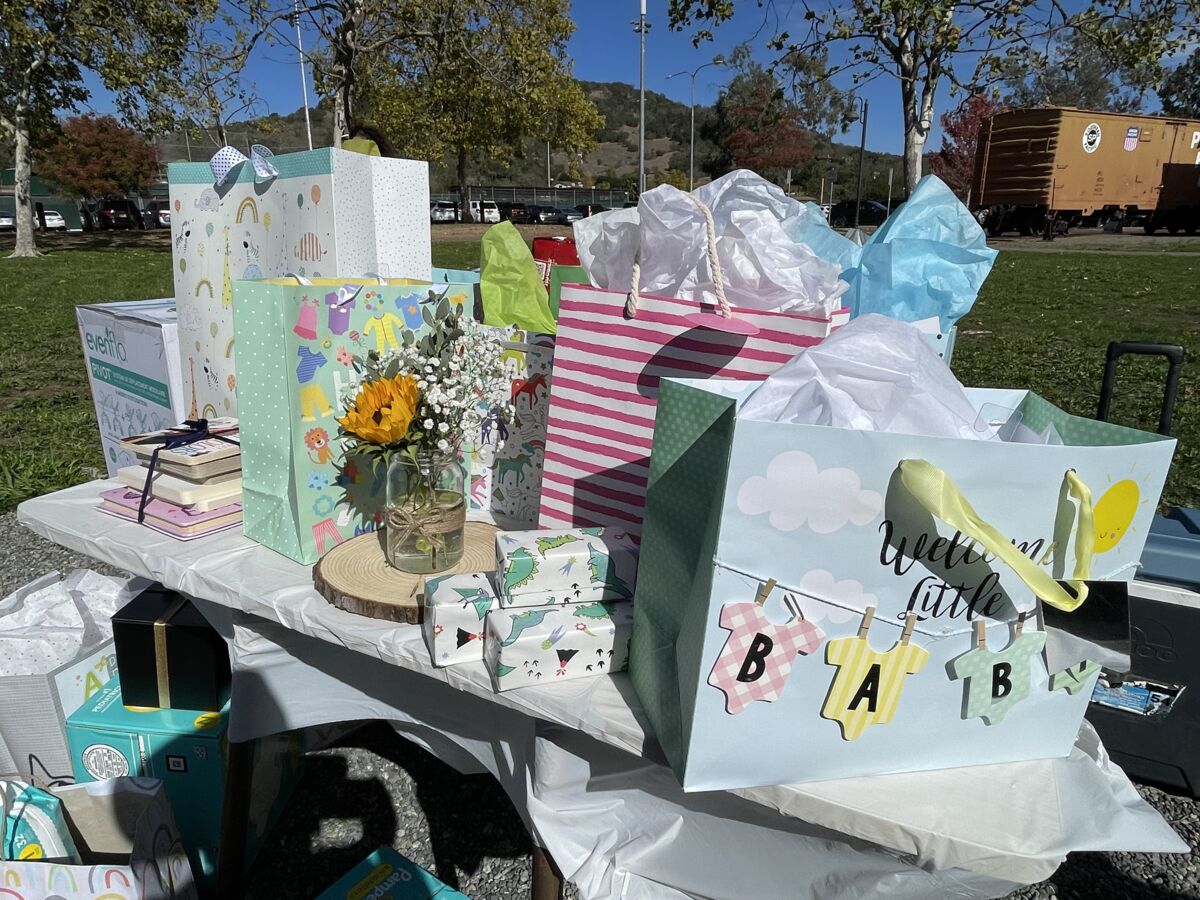
For decor, a balloon garland or arch is the workhorse centrepiece and easy to assemble yourself with a kit. Add a small dessert table, a few fresh flowers, and a backdrop for photos. Keep candles and anything that needs an open flame away from the mum-to-be, and avoid strong scents that can turn a queasy stomach. You do not need to fill every surface; a couple of strong focal points photograph far better than clutter.
Food and catering
Match the food to the time of day and the venue. An afternoon shower calls for lighter fare; a midday one can stretch to a fuller spread. Think in general categories rather than locking yourself into one cuisine.
- Finger food and canapes: easy to eat standing up and to graze through games.
- A high-tea spread: scones, sandwiches, pastries and a pot of tea, naturally celebratory.
- Local buffet: think a mix of rice, noodles and finger foods if you are catering at home or a function room.
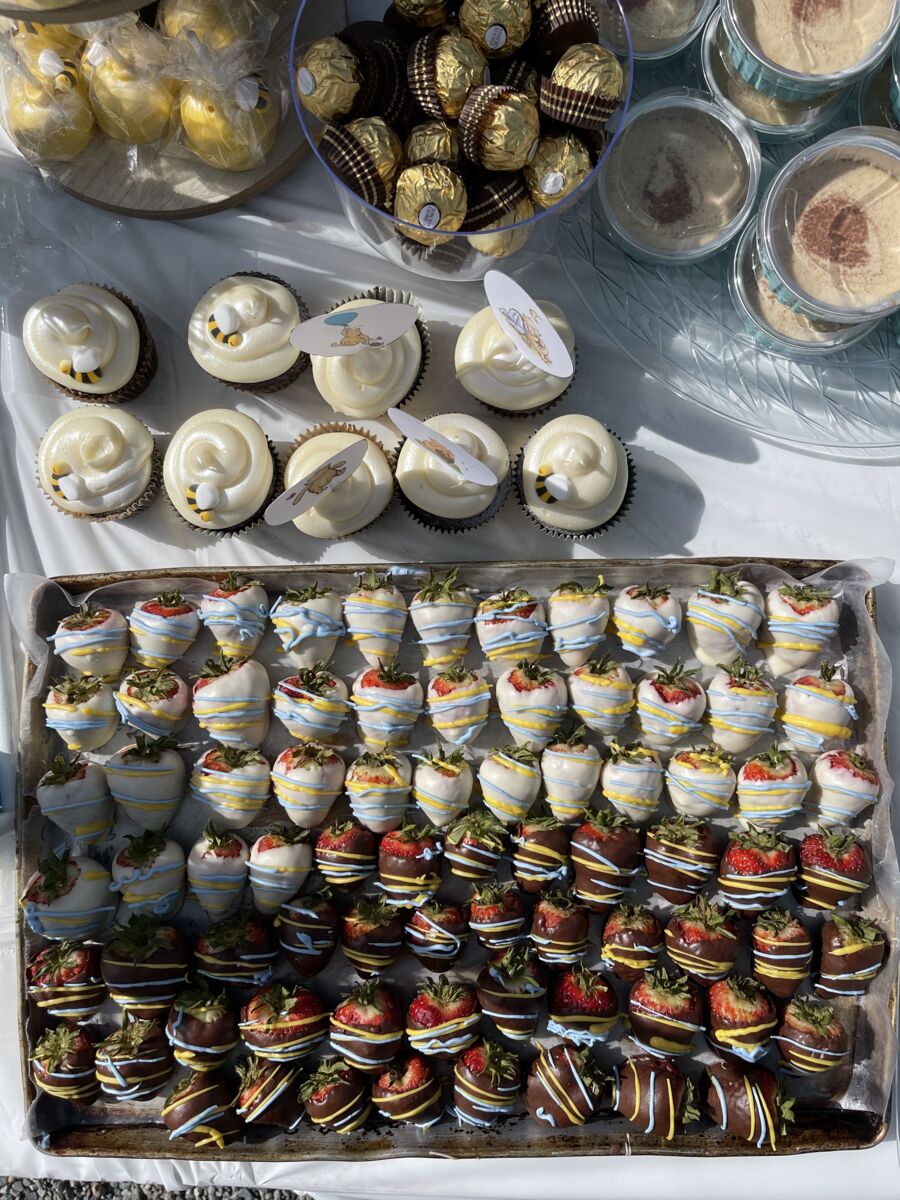
- A dessert table: a cake plus cupcakes, cookies and fruit, which doubles as decor.
- Drinks: have plenty of non-alcoholic options, since the guest of honour is not drinking. Mocktails, infused water and good juices keep everyone happy.
Always ask about dietary needs in advance. Singapore gatherings often include halal, vegetarian and allergy considerations, so label dishes clearly and order a halal-certified option if any guests require it. If you are self-catering, prepare what you can the day before so the host is not stuck in the kitchen during the party.
Games and activities
Games are the heart of a shower, but keep them short, inclusive and easy to opt out of. Two or three good ones are plenty. Here are some original ideas that travel well and do not embarrass anyone.
- Guess the bump: everyone guesses the baby's eventual weight, length and arrival date, with a small prize for the closest on each.
- Local snack tasting: blindfold guests and have them identify familiar treats such as ang ku kueh, kaya toast or a Milo dinosaur by taste alone.
- Wish cards: each guest writes a short piece of advice or a wish for the baby, collected into a keepsake book the parents read later.
- Name brainstorm: guests suggest baby names on slips of paper, a gentle game that doubles as inspiration; our guide to baby names in Singapore can spark a few.
- Onesie decorating: provide plain onesies and fabric pens so guests create one-of-a-kind outfits the baby actually wears.
- Time capsule: guests predict what the child will be like at age five or ten, sealed to open years down the road.
Skip anything that involves messy or undignified tasks for the mum-to-be, or that singles out guests uncomfortably. The aim is laughter and warmth, not awkwardness. Leave generous time at the end simply to chat, since for many guests that easy catching-up is the best part of the day.
Gift ideas and a registry tip
Useful gifts beat cute-but-impractical ones. Newborns burn through the basics fast, so consumables and everyday items are always welcome. If the parents already have a lot, consider pooling for one bigger item.
- Practical staples: nappies in a range of sizes, wipes, muslin cloths and bibs.
- Clothing in larger sizes: babies outgrow newborn kit in weeks, so size up to three, six and nine months.
- Feeding and soothing: bottles, a steriliser, swaddles and a quality baby carrier.
- Keepsakes: a personalised blanket, a storybook with a written note, or a milestone card set.
- For the parents: a meal voucher or a cleaning service, genuinely appreciated in the exhausting newborn weeks.
- Group gifts: chip in together for a pram, cot or car seat that no single guest could manage alone.
The practical registry tip: encourage the parents to set up a simple gift list, whether through a retailer's online registry or just a shared note, and have the host quietly manage it. This avoids three identical bouncers and three boxes of newborn-size clothes the baby never wears. A short list of preferred sizes, colours and brands, circulated with the invitation, makes everyone's life easier and the gifts far more useful. A gift receipt tucked into the wrapping is a small kindness that lets the parents exchange duplicates without fuss.
A simple planning timeline
You do not need months. A focused six to eight weeks is plenty for most showers. Here is a workable order of events.
- Six to eight weeks out: confirm the date and rough guest list with the parents-to-be, set a budget, and decide on a venue type.
- Five to six weeks out: book the venue, send invitations with an RSVP date, and settle on a theme.
- Three to four weeks out: arrange catering or the cake, buy or order decorations, and plan two or three games with their props.
- One to two weeks out: chase RSVPs, confirm final numbers with the venue and caterer, and shop for party favours.
- The week of: prep anything you can in advance, charge your camera or phone, pack a comfort kit for the mum, and confirm timings with helpers.
- On the day: arrive early to set up, keep the schedule loose, and let the guest of honour rest whenever she needs to.
Etiquette to keep things smooth
- Check with the mum-to-be on everything that affects her comfort, from the venue to the guest list to the games.
- Be discreet if it is a surprise, but make sure someone close to her quietly confirms she is well enough on the day.
- Set the gift expectation gently through a registry rather than demands, and never make anyone feel obliged to spend a lot.
- Have the parents send a short thank-you note or message afterwards; a heartfelt line goes a long way.
- Keep the pace gentle and the day short, and have a quiet corner where the mum can step away if she needs a breather.
Frequently Asked Questions
Is it bad luck to have a baby shower before the birth in Singapore?
It is not bad luck as such, but some Chinese families traditionally prefer to wait until after a safe delivery and celebrate with a full-month party instead. It comes down to personal and family belief. The respectful approach is to ask the parents-to-be and any close grandparents what they are comfortable with, and to plan around their wishes.
When is the best time to hold a baby shower?
Most people aim for the late second or early third trimester, roughly 28 to 34 weeks. The mum is comfortably along but usually still has the energy and mobility to enjoy the day, and there is time afterwards to buy anything from the gift list before the baby arrives.
Who is supposed to organise and pay for the shower?
Traditionally a close friend or relative hosts rather than the mum herself, though many Singapore mums plan their own. Costs are often shared among a few co-hosts. There is no fixed rule, so do whatever suits the people involved.
Can dads and children come to a baby shower?
Yes. Co-ed showers are increasingly common in Singapore, and some families happily include children too. Decide the format early, as it affects the venue, the food and the games, and let the guest list flow from there.
What is a good gift if I am not sure what to buy?
Practical consumables such as nappies and wipes are always useful, as are clothes in larger sizes the baby will grow into. If you are stuck, ask the host whether there is a gift list, or chip in with others toward a bigger item like a pram or car seat.
How is a baby shower different from a one-month celebration?
A baby shower happens before the birth and celebrates the pregnancy and parents-to-be. A full-month celebration happens about a month after the baby arrives and introduces the newborn to family and friends. They are separate events and many families do both.
How long should the party last?
Two to three hours is ideal. It is long enough for food, a couple of games and plenty of chatting, but short enough that a heavily pregnant guest of honour does not get worn out. Build in a quiet break and let her set the pace.
Plan with the mum-to-be's comfort at the centre and the rest tends to fall into place. Whether you go all out with a themed high-tea or keep it to a cosy potluck at home, what guests remember is the warmth, not the budget. And if you find yourself planning more celebrations down the road, our guide to throwing a kids' birthday party in Singapore picks up where this one leaves off.
Children's Day Singapore: When It Is and How to Celebrate with Kids
Children's Day in Singapore is the first Friday of October, a primary-school holiday. When it is, why, and warm, low-cos...
9 min read
Children's Theatre in Singapore: A Family Guide to Kids' Shows
A Singapore parent's guide to children's theatre and kids' shows: who stages them, picking by age, relaxed performances,...
11 min read
Chinese New Year in Singapore: A Family Guide to Traditions, Spots and Activities
A family guide to Chinese New Year in Singapore: ang bao etiquette, traditions kids love, festive spots like Chinatown a...
11 min read