

Chinese New Year in Singapore: A Family Guide to Traditions, Spots and Activities
In this article
- Why families look forward to it
- The traditions, and how to explain them to kids
- Ang bao etiquette for families (giving and receiving)
- Festive spots to visit with kids
- Best ages and a rainy-day backup
- Getting there and the practicalities
- What to bring and what to wear
- Where to eat nearby
- Visiting etiquette and surviving long visits
- Frequently asked questions
For a few weeks each year, Singapore goes red and gold. Lanterns sway over the lanes of Chinatown, drums roll through the malls, and someone always seems to be carrying a bag of mandarin oranges. Chinese New Year in Singapore is one of the warmest, most sensory stretches on the family calendar, full of food, visiting and street festivity that children of any age get swept into. This guide is built for parents, whether you grew up with the customs or are joining in for the first time, with the traditions explained, the ang bao etiquette sorted, and a realistic plan for doing it all with little ones in tow.
Because the festival follows the lunar calendar, the dates move every year, usually landing between late January and mid-February, and the two-day public holiday shifts with them. The headline events recur annually but change their themes and programmes each cycle, so for exact dates, hours and any ticketing, always check the official sites linked below before you head out.
Why families look forward to it
Singapore marks the new year with a two-day public holiday, so the whole household is usually free at the same time, a small luxury in a city of packed schedules. The season also leans on rituals children take to instantly: collecting red packets, snacking on pineapple tarts and crisp love letters, watching a lion dance up close, and tossing a salad as high as their arms reach. It is hands-on, joyfully noisy, and easy to join even if it is all new to you.
The traditions, and how to explain them to kids
You do not need to do every custom. Pick a handful, explain the why behind each in simple terms, and your children will carry the meaning long after the snacks run out.
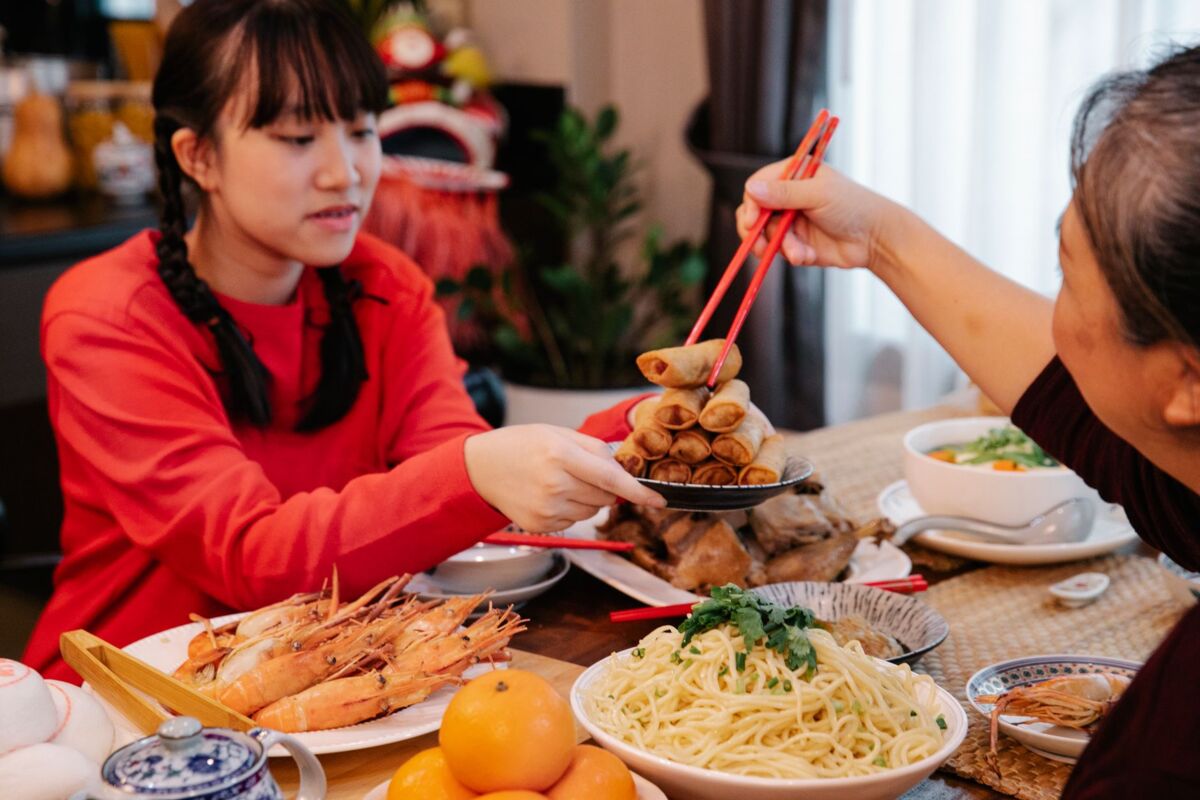
- Reunion dinner is the big family meal on the eve of the new year, when relatives across generations gather around one table. Tell little ones it is the night the family comes home to be together. It is the emotional heart of the whole festival.
- Spring cleaning happens before the festival, not during. Many households tidy and declutter in the run-up to sweep out the old year, then put the broom away once the new year arrives. A nice job for kids in the days before: helping wipe down and pack away.
- Food carries meaning. Fish points to abundance because the word sounds like surplus, niangao (a sticky rice cake) hints at rising fortunes, longevity noodles are left long and unbroken for a long life, and mandarin oranges, exchanged in pairs, are linked to gold and good luck.
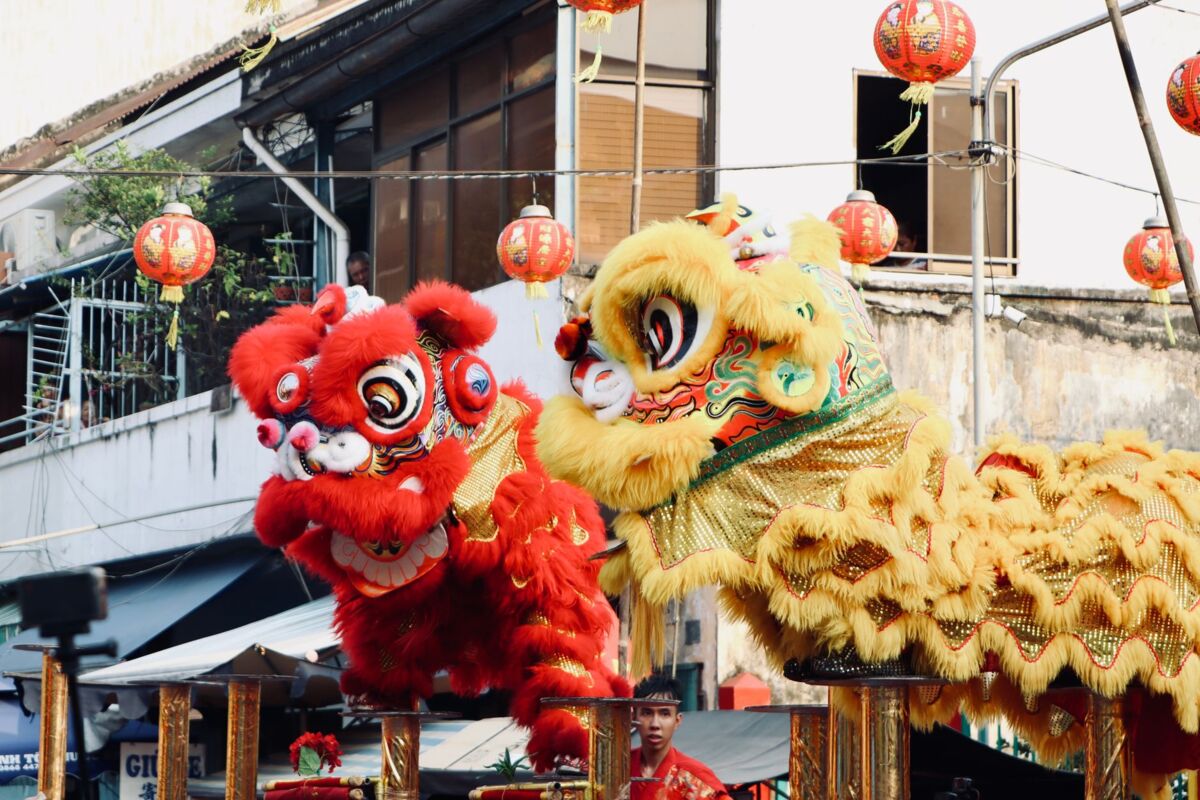
- Lion and dragon dances are acrobatic, drum-driven performances staged in Chinatown, malls and hotels. Loud and thrilling, but the volume can startle babies, so pack ear protection and watch from a few rows back.
- Lo hei, the yusheng prosperity toss, is a colourful raw-fish-and-vegetable salad that everyone tosses high with chopsticks while calling out auspicious phrases. Pure delight for kids, even when half of it lands on the table.
A gentle way to teach gratitude alongside the fun: before the visiting begins, talk through who you are visiting and why. The meaning lands better when the season is framed as connection rather than collection.
Ang bao etiquette for families (giving and receiving)
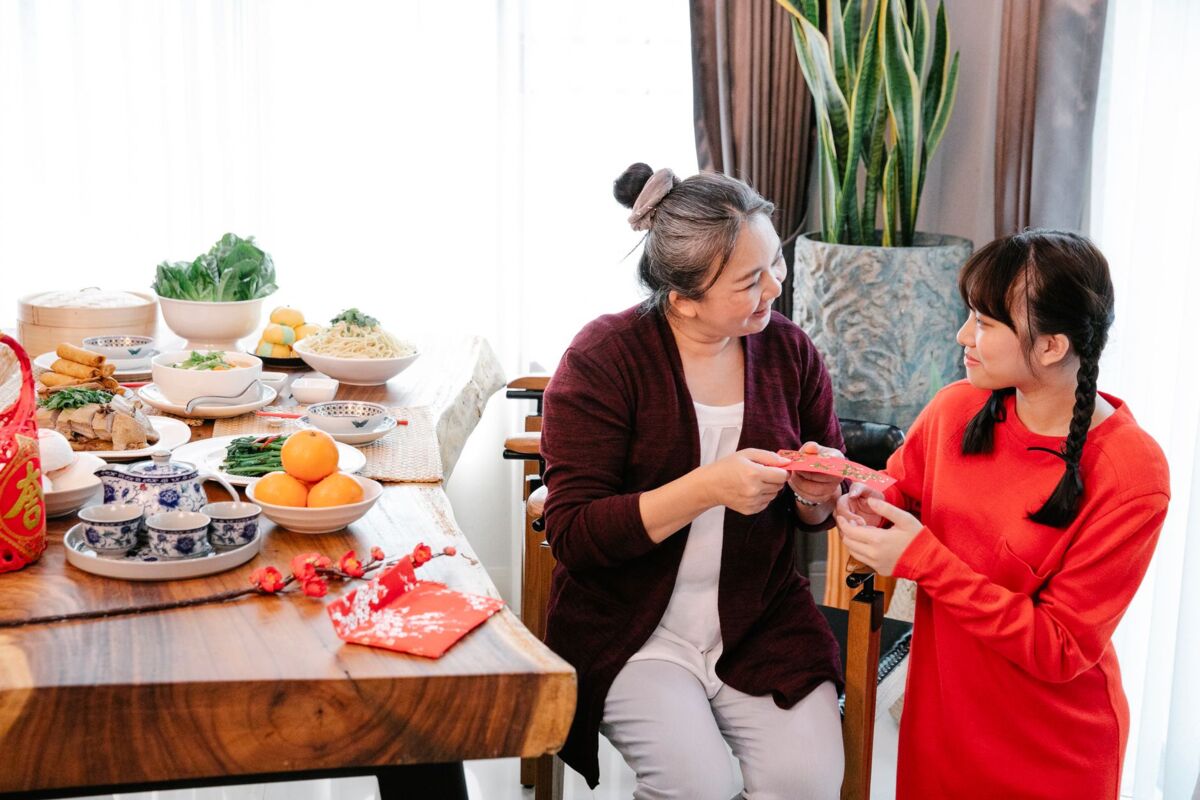
Ang bao, also written ang pow or hongbao, are the red packets of money that married couples and elders give to children and unmarried juniors. They are a blessing more than a transaction, so the etiquette matters more than the amount, and the rules are simple and easy to teach kids.
Who gives, and who receives
Married couples and older relatives give; children and unmarried younger relatives receive. The general flow is senior to junior and married to single. Once you are married, you cross over to the giving side, which catches a lot of new couples by surprise.
How much to put inside
There is no fixed rate, and you should resist any list that claims otherwise. Amounts are personal, shaped by your relationship to the recipient and what your family can comfortably manage. A few conventions hold across most households: use even-numbered amounts rather than odd ones, avoid anything tied to the number four (which sounds like the word for death in several dialects), and favour crisp new notes over coins. Beyond that, give within your means. The gesture is the point, not the figure.
Teaching kids to receive graciously
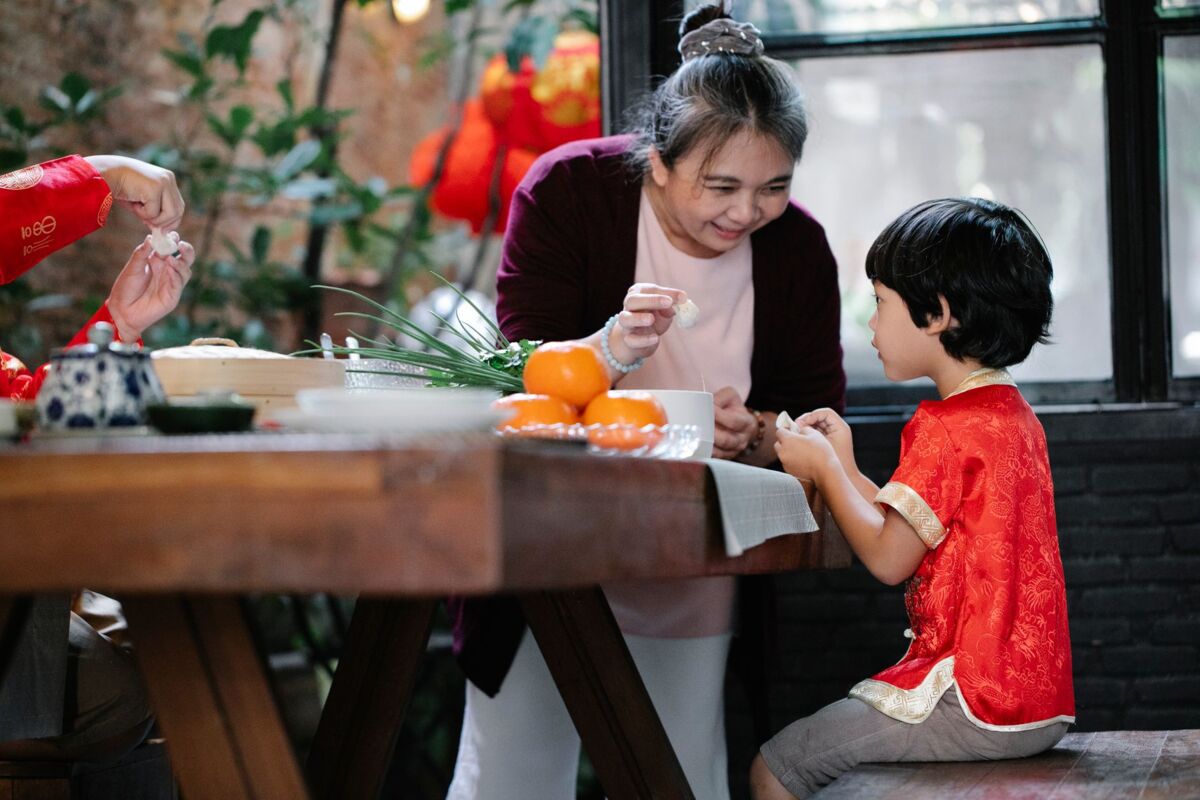
This is where a little coaching pays off. Teach your child to accept the packet with both hands, to offer a greeting or thank you in return, and crucially, not to open it in front of the giver, which can come across as rude; tucking it away to open at home is the norm. For very young children, you simply do it with them, guiding their hands and saying the greeting on their behalf.
Festive spots to visit with kids
Two destinations anchor the season, with malls and fairs across the island too.
Chinatown street light-up and bazaar
Chinatown is the natural starting point. In the weeks around the new year, the main streets are strung with an elaborate light-up carrying a different zodiac theme each year, and the festive street bazaar fills with stalls of snacks, decorations, new-year clothing and lucky trinkets. Expect free stage performances and lion and dragon dances rolling through, and wandering it all costs nothing. Check the official Chinatown Singapore site for the current year's dates. The practical catch with young children is the crowd: it is shoulder-to-shoulder after dark on weekends, so a baby carrier often beats a stroller in the thick of it.
River Hongbao at Gardens by the Bay
River Hongbao is a large lantern festival held in the run-up to the new year, in recent years at Gardens by the Bay. Families come for towering illuminated displays (the God of Fortune lantern is a perennial favourite), cultural performances, a food street, carnival rides and, on some nights, fireworks. The grounds are walk-through and the official site notes that admission is free, with rides and games charged separately. The paved paths suit strollers well, though peak nights get busy. Confirm the dates and layout on the official River Hongbao site and the Gardens by the Bay events calendar before you go.
Malls, hotels and the Chingay Parade
You do not have to travel far. Most large malls put on free lion dance performances and festive decor, the gentlest way to introduce a nervous toddler to the drums, with air-conditioning and a feeding room never far away. The Chingay Parade, a dazzling street procession of floats, costumes and performers celebrating Singapore's multicultural mix, usually rounds off the season and is worth catching once if your kids can manage a later night. See the official Chingay site for the year's dates and any ticketing.
Best ages and a rainy-day backup
Babies and younger toddlers do best with the calmer options: mall lion dances, a daytime amble through a quieter pocket of Chinatown, and the River Hongbao lanterns early in the evening before the crowds thicken. Preschoolers and primary-schoolers can handle the full Chinatown buzz and a later Chingay night. Because almost everything is open-air, a wet evening can wash out a Chinatown or River Hongbao plan, so keep a covered backup ready: a mall with festive performances, or the celebration moved home with lo hei and snacks.
Getting there and the practicalities
Both anchor spots are easy by MRT, which beats hunting for festive-season parking.
- Chinatown sits right at Chinatown MRT on the North East and Downtown lines, with the light-up and bazaar spilling out of the station exits, so you step straight into the action.
- River Hongbao at Gardens by the Bay is closest to Bayfront MRT on the Circle and Downtown lines; follow the signs through to the Gardens. Strollers handle the paved paths comfortably.
- Driving is possible but parking near both spots fills fast on peak nights, so allow plenty of time or default to the train.
- Facilities: malls and Gardens by the Bay have nursing rooms, diaper-change tables and accessible toilets; the Chinatown bazaar is more bare-bones, so plan a feed or change beforehand, or duck into a nearby mall.
If you are mapping out more car-free outings around the festive season, our roundups of public holidays in Singapore and school holiday activities are useful companions for planning the whole stretch.
What to bring and what to wear
A small kit keeps the outing smooth, and the dress code is easier than it looks.
- Comfort kit: water, a light snack, wet wipes, a spare change of clothes for messy eaters, and ear protection for babies near lion-dance drums.
- Dress for the weather first: evenings are warm and humid, so breathable fabrics win. Red and bright colours are festive and welcome; many families avoid all-black or all-white outfits, which are linked to mourning.
- If you are visiting relatives, dressing kids in something nicer and ideally red goes down well, but keep comfort in mind for a long afternoon of sitting.
Where to eat nearby
Chinatown sits on top of one of the best hawker clusters in the city, so dinner sorts itself out. Chinatown Complex Food Centre and Maxwell Food Centre, a short walk apart, cover the classics like chicken rice, noodles and congee at family-friendly prices, with plenty of seating to park a stroller. Over by Marina Bay, the area around the Gardens has cafes within reach, plus River Hongbao's own food street during the festival. One thing to plan around: some smaller eateries close over the first day or two, so default to the larger food centres and malls, which generally stay open.
Visiting etiquette and surviving long visits
Visiting, or bai nian, is the social engine of the festival, and a little preparation makes the rounds smoother.
- Do: bring a pair of mandarin oranges for the host, greet the elders first, keep the conversation positive, and let children offer the oranges with both hands.
- A couple of taboos: many families avoid sweeping the floor on the first day or two so as not to sweep luck away, and steer clear of arguments and gloomy talk. Treat these as cultural beliefs to respect, not rules to police.
- Pace the day: small children fade after two or three houses, so front-load the visits that matter most and do not be afraid to leave early.
- Pack a quiet-time bag and mind the snacks: a familiar toy keeps a restless toddler busy while the adults linger, and a gentle limit on sugary treats heads off the meltdown later.
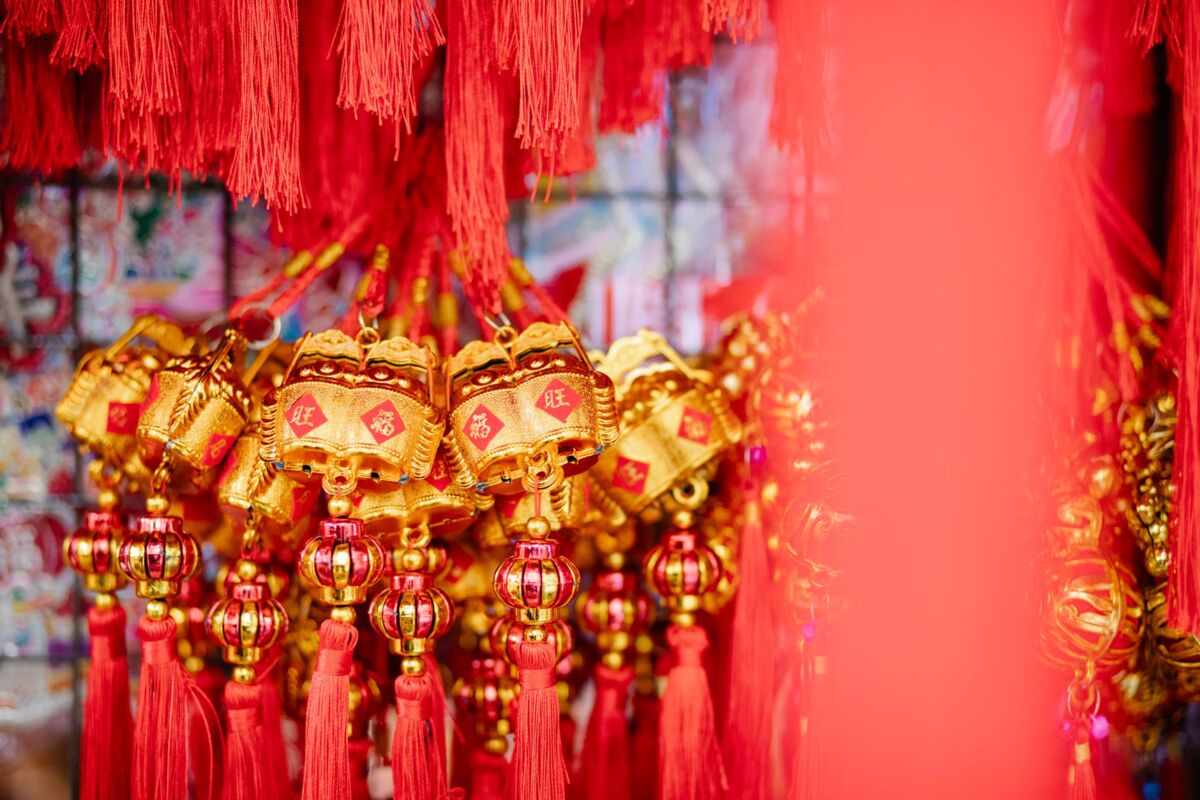
Chinese New Year is one of several cultural celebrations the family can dip into across the year. If your children enjoy the colour and ritual of it, they will likely love our guides to Deepavali and the Mid-Autumn Festival too.
Frequently asked questions
Is Chinese New Year in Singapore free for families?
Much of it is. The Chinatown street light-up and bazaar, free mall lion dance shows, and most temple visits cost nothing, and River Hongbao's grounds are free to enter. The exceptions are ticketed add-ons such as carnival rides and any paid parade seating, so check each event's official site for current pricing.
How much should we put in an ang bao?
There is no set amount. It depends on your relationship to the recipient and what your family can comfortably afford, so give within your means rather than following a fixed rate. The widely-followed conventions are to use even-numbered amounts, avoid anything linked to the number four, and use crisp new notes. The blessing matters more than the figure.
What can young children actually do during the festivities?
Plenty. They can watch lion and dragon dances, wander the lantern displays at River Hongbao, hand over mandarin oranges on visits, join the lo hei toss at a family meal, and snack on festive treats. Mall performances are the easiest entry point for toddlers who might find the Chinatown crowds overwhelming.
When exactly does Chinese New Year happen each year?
The dates move with the lunar calendar, typically falling between late January and mid-February, and the two-day public holiday shifts with them. Because the headline events change their themes and dates yearly, always confirm against the official Chinatown, River Hongbao and Chingay sites before you plan your outing.
Are the festive spots stroller-friendly?
River Hongbao at Gardens by the Bay is the most stroller-friendly, with wide paved paths, though peak nights are busy. The Chinatown bazaar is far more crowded and narrow, so many parents bring a baby carrier for the densest stretches. Malls are the easiest of all, with lifts, nursing rooms and air-conditioning throughout.
However you mark it, Chinese New Year is a generous, hands-on introduction to Singapore's living traditions, the kind of season your children will start looking forward to year after year. For more family outings as they are announced, keep an eye on our what's on hub.
Planning a Baby Shower in Singapore
A warm, practical guide to planning a baby shower in Singapore: timing, venues, themes, food, games, gifts and etiquette...
10 min read
Children's Day Singapore: When It Is and How to Celebrate with Kids
Children's Day in Singapore is the first Friday of October, a primary-school holiday. When it is, why, and warm, low-cos...
9 min read
Children's Theatre in Singapore: A Family Guide to Kids' Shows
A Singapore parent's guide to children's theatre and kids' shows: who stages them, picking by age, relaxed performances,...
11 min read