

Children's Museum Singapore: A Family Guide for Little Explorers
In this article
- What is the Children's Museum Singapore?
- The interactive galleries: what kids actually get to do
- Admission and timed-entry booking: how it works
- Getting there and parking
- Strollers, nursing and facilities
- What to bring (and what to leave behind)
- Beating the crowds and timing your visit
- What is nearby: turning it into a day out
- Frequently asked questions
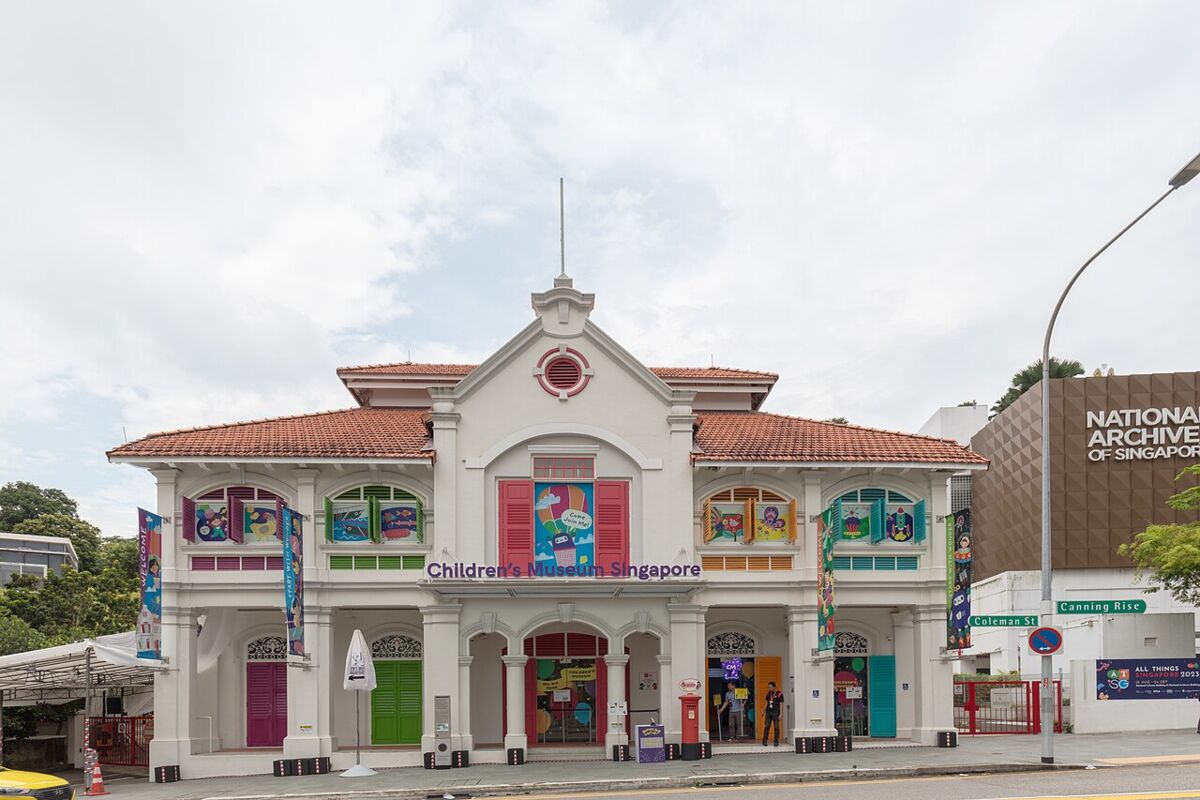
If your child learns by touching, pulling, climbing and pretending rather than reading a label on a wall, the Children's Museum Singapore (CMSG) was built with them in mind. Sitting in a more-than-100-year-old colonial building on Coleman Street in the Civic District, it is Singapore's first museum made entirely for children, and it swaps the usual hushed galleries and do-not-touch signs for hands-on, story-led play. It suits families with kids roughly 5 to 12 best, but there is a dedicated zone for babies and toddlers too. This guide covers what is inside, exactly how the timed-entry booking works, who pays and who goes free, and the small logistics (strollers, nursing, food, crowds) that make or break a visit with little ones.
What is the Children's Museum Singapore?
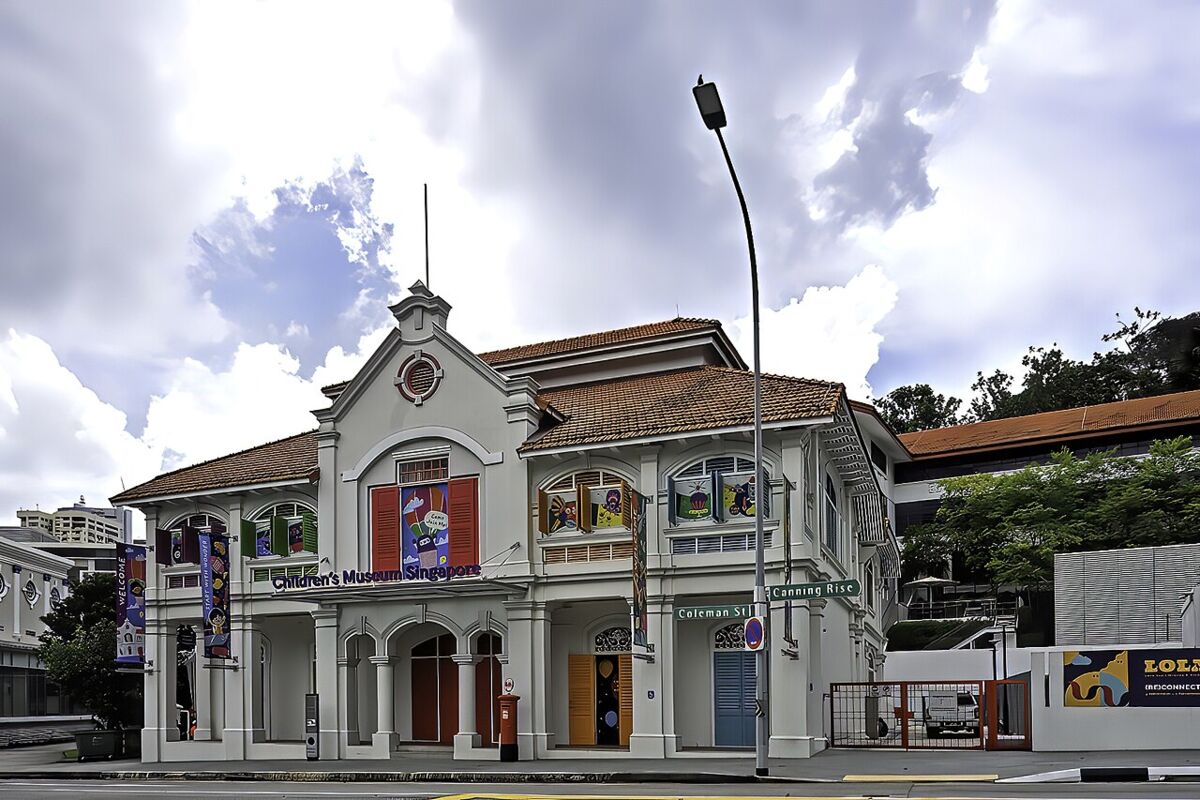
Run by the National Heritage Board, CMSG occupies the heritage shophouse-era building that was formerly the Singapore Philatelic Museum. The exhibits are pitched at children aged 12 and below, with the core experience aimed at the 5-to-12 crowd and a separate play space for the under-4s. Rather than glass cases, you get immersive galleries where kids step into Singapore's history and everyday life and learn by doing. The building is double-storey and compact, which is genuinely a blessing when you are managing short legs and shorter attention spans, and it makes a strong rainy-day backup because the whole experience is indoors and air-conditioned.
One thing to set expectations on early: this is a play-led museum, not a giant indoor playground. The activities are designed to spark curiosity and conversation, so the kids who get the most out of it are the ones whose grown-ups lean in, ask questions and play along rather than scrolling on a bench.
The interactive galleries: what kids actually get to do
Each gallery has a clear theme that gives little ones something to do, not just look at. Exhibits and special shows rotate, so confirm the current line-up on the official What's On page before you go. Level 1 holds A Voyage Back in Time, which runs until 2027 and moves through four parts:
- The theatre show - a short, immersive show, starting every 15 minutes, where objects from the Captain's secret stash come alive as animation, with the museum's robot mascot, WonderBot, along for the trip.
- The voyage - kids board the Captain's treasure ship, sail through rough and stormy weather and land at the port of Singapore.
- The shophouses - recreated old-Singapore shophouses where children hear the shopkeepers' stories and try heritage trades such as street barbering and letter-writing.
- The modern neighbourhood - back in the present day, kids explore a colourful estate and design their own stamp at a pretend post office.
Level 2 usually holds a special exhibition. The last one, Into the Hawkerverse, celebrated Singapore's hawker culture and closed on 28 September 2026, and a new exhibition is set to open there on 14 November 2026. Because these rotate and have set run-dates, treat the special exhibition as a bonus rather than the main event, and check the official What's On page for what is showing on your date.
Which ages get the most out of it?
- 0 to 4: stick mostly to the Play Pot. Younger toddlers may find the busier galleries overstimulating, but they love the soft, hands-on corners.
- 5 to 8: the sweet spot. The role-play, dressing-up and interactive stations land perfectly at this age, and the storyline holds their attention.
- 9 to 12: still enjoyable, especially the tech-driven and quest-style elements, though older tweens may move through faster. Pairing the visit with a nearby attraction keeps the day worthwhile for them.
Admission and timed-entry booking: how it works
CMSG uses timed-entry slots to keep the galleries from getting overcrowded, so you reserve a specific start time online before you arrive rather than just turning up. Entry is free for Singapore Citizens and Permanent Residents - but free still means booked: you reserve a slot in advance and show a Pink or Blue NRIC for verification on the day. Tourists and foreign residents normally pay S$10 per child and S$15 per adult, or S$40 for a family package of two adults and two children, before GST. From 29 September to 12 November 2026, while Level 2 is closed, entry is free for every visitor, but you still need to book. Tickets open 30 days ahead, each booking holds up to four tickets, and the museum is cashless. Because prices and packages can change, confirm the exact figures and reserve through the official CMSG ticketing page.
The museum is open Tuesday to Sunday from 9am to 5:45pm and closed on Mondays, with entry slots at 9am, 11am, 2pm and 4pm. Each session runs 1 hour 45 minutes, which is plenty for most young children before the meltdown clock runs out. Two details worth burning into memory:
- Arrive a little early. Tickets become invalid if you are more than 10 minutes late, and there is no extension, so build in buffer time for parking, toilet stops and the inevitable last-minute shoe drama. The rule is on the official FAQ.
- Mind the midday cleaning break. The museum closes from 12:45pm to 2pm for cleaning, which is why the afternoon slots start at 2pm. It is a natural point to plan lunch around if you are doing a half-day out.
Getting there and parking
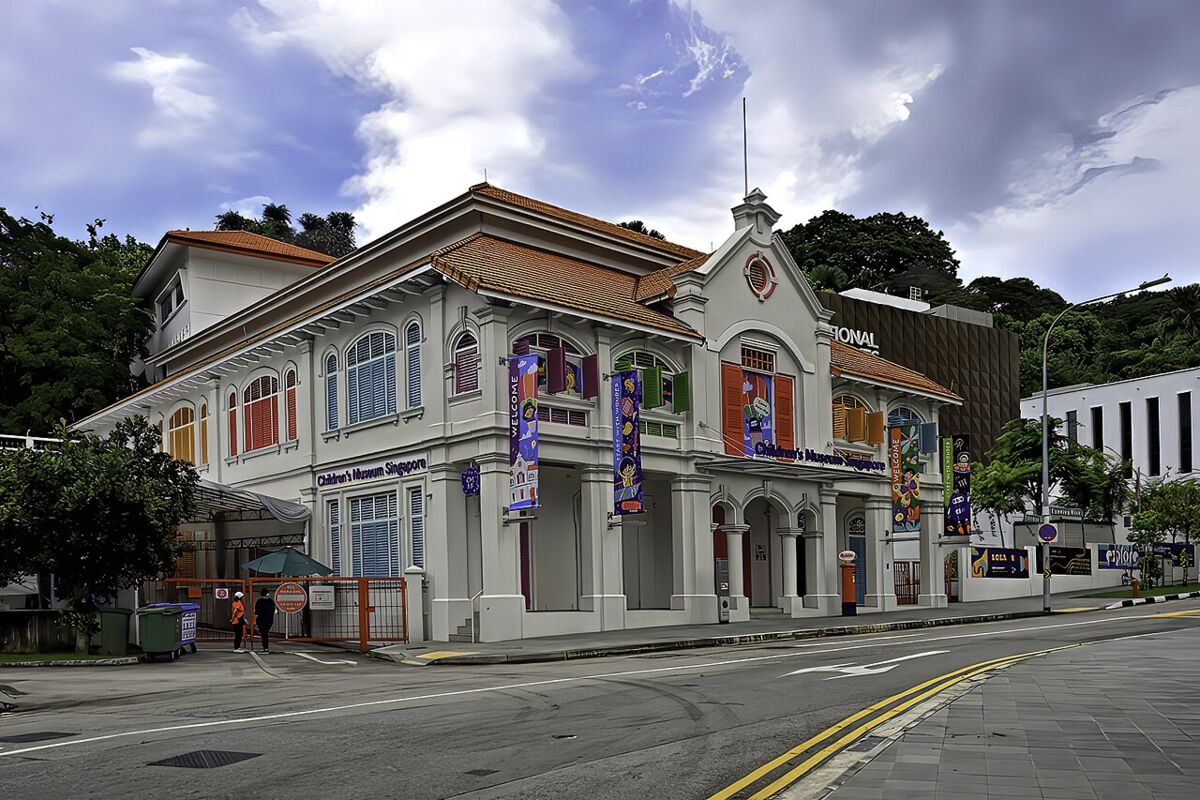
CMSG is at 23-B Coleman Street in the Civic District, about an 8-minute walk from City Hall (Exit B), Clarke Quay (Exit E) or Bras Basah (Exit D or E) MRT stations, with bus stops along Hill Street. Driving in is doable - there are car parks at neighbouring buildings and hotels around the Civic District - but this is a tight, busy part of town and spaces fill up, so public transport is usually the simpler call with kids and bags. If you do drive, give yourself extra minutes to find a bay so you do not lose your slot. Confirm the current address and directions on the official opening hours and location page.
Strollers, nursing and facilities
This is where a bit of planning saves a lot of stress, because the stroller rule catches many first-timers off guard.
- Strollers: prams are not allowed inside the galleries, and the stroller parking outside is limited and unmanned. If your toddler is light enough, a baby carrier is the easier choice, and there are no lockers, so pack light; otherwise weigh up whether you even need the pram for this trip.
- Nursing: there is a designated nursing room on Level 2, used by one family at a time, so there may be a short wait at busy periods. While Level 2 is closed, until mid-November 2026, ask the staff where you can feed.
- Water and food: outside food is not allowed and you cannot eat inside the museum, but plain water is fine and there are water coolers on Level 1 to refill bottles. Eat before you go in or save the meal for after.
- Supervision: children must be supervised by an adult at all times, adults cannot enter without a child, and the museum encourages a ratio of at least one adult to every three children. Check the current group rules on the official FAQ.
What to bring (and what to leave behind)
- NRIC for Citizens and PRs - no card, no free entry, so do not leave it in the other bag.
- Refillable water bottles for everyone, since there is no eating inside but water is allowed.
- A baby carrier instead of (or as well as) the stroller, given the no-pram-in-galleries rule.
- Socks in case any play zone is shoes-off, plus a light layer because it is air-conditioned.
- A packed snack for afterwards to eat outside, so the post-museum hangries do not derail your day.
Beating the crowds and timing your visit
Slots fill fastest during the March, June, September and year-end school holidays, and on weekends, so book as early as you can for those dates. For a quieter run, a weekday morning slot is usually your best bet - kids are fresher, the galleries are calmer, and you are not competing for the popular role-play stations. If you have a napper, the first morning slot often works better than fighting an afternoon entry against nap time. With the timed-entry cap in place, the experience rarely feels like a free-for-all, but the smaller and busier zones can still bottleneck at peak times.
What is nearby: turning it into a day out
You are right in the heart of the museum belt, so it is easy to extend the trip. The National Gallery, the National Museum and Fort Canning Park are all within walking distance, and Clarke Quay sits just across the river. Because the CMSG session is time-boxed, this is the natural way to fill out a half or full day. If you want to bookend the visit with more child-friendly culture, our ArtScience Museum family guide covers another hands-on indoor option, and our Chinatown family guide is an easy add-on for heritage and food just a few stops away. For a green break after all the indoor play, our round-up of the best playgrounds in Singapore has spots to burn off any leftover energy. For meals, the Civic District and nearby malls have plenty of family-friendly options.
Frequently asked questions
Is the Children's Museum Singapore free?
Entry is free for Singapore Citizens and Permanent Residents, who still need to reserve a timed slot in advance and show a Pink or Blue NRIC on arrival. Tourists and foreign residents pay S$10 per child and S$15 per adult before GST, though entry is free for everyone from 29 September to 12 November 2026 while Level 2 is closed. Confirm current prices and packages on the official ticketing page.
What age is CMSG best for?
The exhibits are designed for children 12 and below, with the sweet spot around 5 to 8 years old when the role-play really clicks. There is a separate Play Pot zone for babies and toddlers aged 0 to 4.
Do I need to book in advance?
Yes. Even free entry for Citizens and PRs needs a reserved timed-entry slot, so book online before you arrive, especially on weekends and during school holidays when slots go quickly.
Can I bring a stroller and food?
Strollers are not allowed inside the galleries and the stroller parking outside is limited, so a baby carrier is usually easier. Outside food is not allowed and you cannot eat inside, but plain water is fine and there are refill points. Check the latest rules on the official FAQ.
How long should we set aside?
Each timed slot runs 1 hour 45 minutes, with no extra time if you arrive late (see the official FAQ), which is plenty for most young children to explore happily. Pair it with a nearby park, museum or lunch to round out the day. For more family days out and planning tools, explore the Fussy Mama tools hub.
- Children's Museum Singapore - Official Site (National Heritage Board): Level 2 closure and new exhibition on 14 November 2026 (read 12 October 2026)
- CMSG Ticketing Information: entry slots, S$10 and S$15 fees, free entry 29 September to 12 November 2026 (read 12 October 2026)
- CMSG Opening Hours and Location: 9am to 5:45pm, 23-B Coleman Street (read 12 October 2026)
- CMSG Visitor FAQs: late rule, strollers, nursing room, MRT exits (read 12 October 2026)
- CMSG What's On / Exhibitions: A Voyage Back in Time until 2027 (read 12 October 2026)

Admiralty Park Family Guide: Singapore's Playground With the Most Slides
Family guide to Admiralty Park, the Singapore playground with the most slides. Play zones by age, inclusive swings, mang...
11 min read
Archery in Singapore: A Family Guide to Beginner Sessions for Kids
Archery in Singapore for families: how beginner sessions work, suitable ages for kids, indoor vs outdoor ranges, safety ...
9 min read
Art and craft for preschoolers: easy ideas by age, using things you already have at home
Art and craft for preschoolers at home: 15 low-cost ideas by age 2 to 6, made from toilet rolls, egg cartons and leaves,...
7 min read