

Confinement Food Delivery in Singapore: A Practical Guide
In this article
- What confinement food is, and the thinking behind it
- Why delivery is so popular, and the alternatives
- How confinement food packages actually work
- What things tend to cost
- How to choose a delivery service
- Practical tips for first-time parents
- Questions to ask a caterer before you book
- Frequently asked questions
In the first weeks after birth, your body is healing, sleep comes in fragments, and cooking is the last thing you want to do. Confinement food delivery solves that one problem cleanly: a caterer drops recovery-focused meals at your door on a fixed schedule, usually once or twice a day, for a set block of weeks. This guide is for any Singapore parent weighing up how to feed a recovering mum, whether you want full delivery, a confinement nanny's home cooking, or a mix. We will cover what confinement food is, how packages are structured, what things tend to cost, how to choose a reliable caterer, and how to fit it around breastfeeding and dietary needs.
What confinement food is, and the thinking behind it
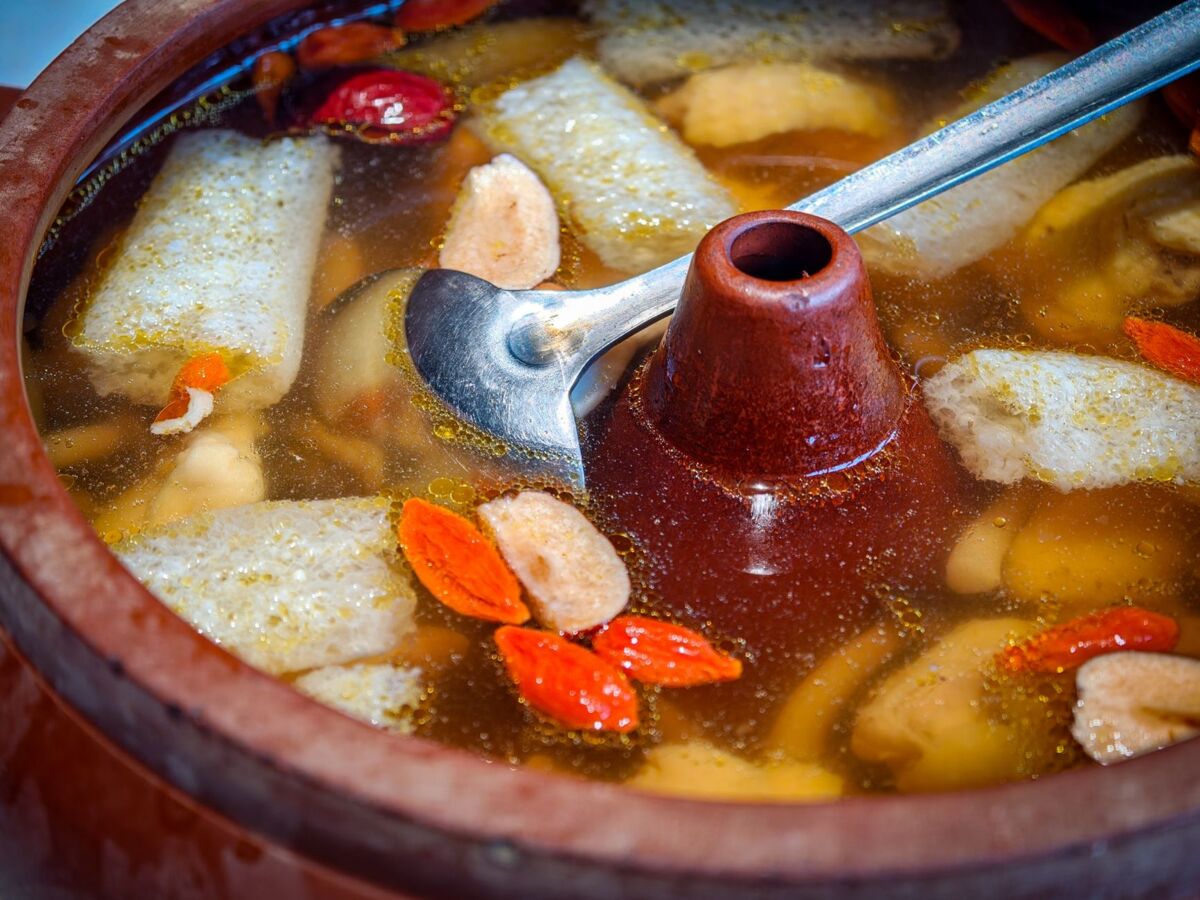
Confinement food refers to the meals eaten during the postpartum recovery window, treated across Singapore's Chinese, Malay, Indian and Peranakan communities as a deliberate season of rest and nourishment (in the Chinese tradition, zuo yue zi). The menus are built around ingredients believed to warm the body, rebuild strength and, for those breastfeeding, support milk supply. Familiar Chinese dishes lean on ginger, sesame oil, red dates, chicken and herbal soups; Malay and Indian confinement cooking also use warming spices and herbs, while Peranakan menus blend Chinese and Malay influences. The idea, drawn largely from traditional medicine, is that childbirth depletes the body and that warming, easily digested, protein-rich meals help it recover.
It helps to hold tradition and nutrition science side by side. Singapore's HealthHub notes that while confinement diets carry genuine cultural meaning, many specific beliefs have little or no solid scientific basis, and that cooling foods such as fruit and vegetables stay nutritionally important and should not be cut out. The recovery essentials are simple: a balanced diet with enough protein and iron to recover from blood loss, oily fish for omega-3s, and plenty of fluids. For breastfeeding mothers, hydration matters more than any single tonic; HealthHub suggests roughly 12 glasses of water a day to help maintain milk supply, alongside about 500 extra calories. Treat a good caterer as something that complements these basics, not something that replaces them.
Why delivery is so popular, and the alternatives
There is no single correct setup, and plenty of families mix more than one. The choice usually comes down to budget, how much control you want over the food, and who is around to help. Here are the three routes most Singapore parents land on.
- Daily delivery caterers (the popular route). A confinement caterer, sometimes called tingkat delivery, cooks fresh meals daily and delivers them on a fixed schedule, typically lunch and dinner, for a package of set length. You get variety and zero cooking or washing up. The trade-off is less control over recipes and a fixed delivery window you work around.
- A confinement nanny who cooks. A live-in or daytime nanny (sometimes a pei yue) cooks to your household's taste, often while helping with the baby. This is the most personalised and flexible option, but it costs more overall and means you buy the ingredients yourself. Our guide on hiring a confinement nanny in Singapore covers what the role involves and what it costs.
- Freezer-prep, batch cooking or family help. Some parents cook and freeze meals before the due date, or lean on a relative in the early weeks. This is the most budget-friendly route and lets you control every ingredient, but it needs planning, freezer space and someone with the energy to cook.
A sensible middle path is to combine them: book delivery for one meal a day to guarantee a hot, balanced lunch, then handle dinner with simple home cooking or leftovers. That keeps costs down while still taking the daily pressure off.
How confinement food packages actually work
Caterers package their meals in a few standard ways. Knowing the structure before you call makes it much easier to compare quotes and avoid surprises.
Package length
Packages are usually sold in blocks of 7, 14, 21, 28 days, and sometimes longer. The length often follows your cultural tradition: Chinese confinement commonly runs around 28 to 30 days, while Malay and Indian confinement frequently run closer to 40. Many caterers let you extend or top up a package, so confirm the terms and whether extensions are at the same daily rate.
Single versus double meals, and what a meal includes
Most plans let you choose a single meal per day (usually lunch or dinner) or a double meal (both). Double meals cost more but cover the day; a single-meal plan paired with home cooking controls spending without losing the convenience. A standard meal usually arrives as rice plus two to four dishes built around protein and vegetables, often with a herbal or tonic soup. Many caterers bundle red date or longan tea, while others charge for these and soups separately, so always ask what is in the box.
Trial meals
A lot of caterers sell a one-off trial meal, and you should use it before committing to weeks of food. Taste, portion size, how oily or salty the cooking is, and how well the meal travels all matter far more than a glossy photo. If you can, trial two or three caterers in the same week and compare them honestly.
What things tend to cost
Prices, menus and promotions change often and vary widely between companies, so treat any figure online as a starting point and confirm current pricing on each provider's website. Broadly, single-meal packages sit lower, full-period double-meal packages sit higher, and premium or longer Malay and Indian packages run higher still, while trial meals are usually priced modestly. When comparing, check whether delivery fees, soups, teas and tonics are in the headline price or charged on top, and whether weekend and public-holiday delivery costs extra.
How to choose a delivery service
Comparing providers comes down to a handful of practical factors. You may see caterers such as Tian Wei, Chilli Padi, NannySOS, PEM, Ms Confinement and Mum's Kitchen mentioned in parents' groups, each with a different style and menu, so confirm current offerings, prices, halal certification and delivery coverage directly rather than assuming.
Cuisine and culinary style
Decide first which tradition you want the menu rooted in. Chinese-style menus dominate the market and centre on the ginger, sesame oil and herbal-soup repertoire. Halal-certified and Malay-style services cater to Muslim families and often run a longer window. Indian-style and Peranakan-style menus exist but are less common. Many caterers also work in Western or fusion dishes to break the routine. Ask to see the full rotating menu so you know what the meals look like over your package length.
Dietary needs, allergies and breastfeeding nutrition
If you are vegetarian, avoiding alcohol, watching sodium, sensitive to ginger, managing a gestational-diabetes carryover, or allergic to ingredients like shellfish, soy or nuts, raise it before you book. Ask whether the kitchen can genuinely adapt dishes or simply leaves them out, and how it handles cross-contamination. For any medical dietary restriction, gestational diabetes, or specific breastfeeding-nutrition concern, check with your doctor, a dietitian or a lactation consultant rather than relying on tradition alone. For more, see our guide on postnatal recovery after birth.

Delivery timing, packaging and reheating
Ask for the delivery windows and whether they are firm. Many services deliver lunch from late morning to early afternoon and dinner from late afternoon to evening, but confirm the actual times so you can plan feeds and naps around them. Check whether meals arrive hot in thermal packaging or chilled, how they should be stored and reheated, and whether containers are disposable or need returning. Because due dates shift, ask how flexible the start date is and how they handle weekends, public holidays and last-minute changes.
Reliability, reviews and food safety
A caterer can have a wonderful trial meal and still let you down on a wet Tuesday when the baby has not slept. Look for recent reviews that mention consistency, on-time delivery and how problems are handled. Local mum groups give honest, current feedback on which services actually show up.
Food safety is non-negotiable when a newborn is in the house. Confirm the caterer holds a valid Singapore Food Agency (SFA) licence and ask how it is graded under SFA's Safety Assurance for Food Establishments (SAFE) framework. SAFE took effect on 19 January 2026 and replaced the old A/B/C/D hygiene grading with grades of A, B, C or NEW, based on a food safety track record and the systems in place. Caterers fall under Category 1 (significant food processing), so a Grade A caterer has, among other things, appointed an Advanced Food Hygiene Officer and put a certified Food Safety Management System in place. You can look up a licensed establishment's grade on the SFA website. For Muslim families, confirm valid halal certification rather than assuming it.
Practical tips for first-time parents
- Order ahead of the due date. Book before baby arrives, with a tentative start date you can shift, because popular caterers fill up.
- Confirm your delivery area. Not every caterer covers every part of Singapore, and some add a surcharge for further-out addresses.
- Plan your fridge and freezer. Clear space before meals start; if you go partial-delivery, batch-cook and freeze a few simple dishes in advance.
- Keep reheating simple. Ask exactly how each dish should be reheated so a sleep-deprived household is not guessing at 8pm.
- Have a rainy-day backup. Keep a couple of easy options on hand for the day a delivery is late or you cannot face the menu again.
Questions to ask a caterer before you book
- Can I see the full rotating menu, and how often does it repeat over my package length?
- Is there a trial meal, and what does it cost?
- Can you cook without alcohol, and adjust for my allergies and dietary needs?
- Are you licensed by the Singapore Food Agency, what is your grade under the SAFE framework, and are you halal-certified?
- What are the delivery windows, do you cover my area, and is there a surcharge?
- How flexible is the start date if my baby arrives early or late, and what is your cancellation and refund policy?
- Are soups, teas, tonics and delivery fees in the quoted price, or charged on top?
One last thing worth saying plainly: confinement customs differ by culture and family, and there is no single correct way to eat during recovery. Warming herbal meals can be comforting, but they work best alongside a balanced diet that still includes fruit, vegetables and fluids. Many of these practices are personal or cultural choices rather than medical requirements, so if you have any medical condition, food allergy or dietary restriction, check with your doctor or dietitian before following a traditional regimen, especially one involving herbs, tonics or alcohol while breastfeeding.
Frequently asked questions
How long does confinement food delivery usually last?
Packages are commonly sold in 7, 14, 21 or 28-day blocks, and sometimes longer. The length often follows your tradition: Chinese confinement is frequently around 28 to 30 days, while Malay and Indian confinement run closer to 40. Many caterers let you extend or shorten a package, so confirm the terms before you book.
How much does confinement food delivery cost?
It varies widely with the caterer, cuisine, package length and whether you choose single or double meals, so any figure online is only a starting point. Single-meal packages sit lower and full-period double-meal packages sit higher, with premium and longer packages costing more. Always confirm current pricing, and check whether soups, teas, tonics and delivery fees are included or charged on top.
Can confinement caterers cook without alcohol?
Many can. A lot of traditional dishes use rice wine or tonic wine, but caterers frequently offer alcohol-free versions on request, which matters if you are breastfeeding. Ask before you commit, and mention any other allergies or dietary needs at the same time.
Can I mix delivery with home cooking or a confinement nanny?
Yes, and plenty of families do. A common setup is to book delivery for one meal a day and cover the other with home cooking or leftovers. If you have a confinement nanny who cooks, you might use delivery only on her days off or for variety. Mixing keeps costs down and gives you more control over what you eat.
How do I check that a confinement caterer is safe and licensed?
Confirm the caterer holds a valid Singapore Food Agency licence and ask for its grade under the SAFE framework that began on 19 January 2026. You can verify a licensed establishment's grade on the SFA website. For Muslim families, separately confirm current halal certification rather than taking it for granted.
Is confinement food enough on its own for recovery?
It is best treated as one part of a balanced diet, not the whole of it. HealthHub points out that fruit, vegetables and plenty of fluids stay important after birth, and that breastfeeding mothers need extra hydration and calories. If you have a medical condition or dietary restriction, check with your doctor or a dietitian first.
For more on the weeks after birth, browse our related guides on the Fussy Mama blog, including our pieces on confinement nannies and postnatal recovery.


C-Section Recovery in Singapore: What to Expect
A practical Singapore guide to caesarean recovery: timeline, pain relief, wound care, ERAS, confinement context, breastf...
11 min read
Confinement in Singapore: A Practical First-Timer's Guide
A first-timer's guide to confinement in Singapore: Chinese, Malay and Indian traditions, nanny vs centre vs DIY, foods, ...
12 min read
How to Hire a Confinement Nanny in Singapore: A Practical Guide
How to hire a confinement nanny in Singapore: what they do, live-in vs day, agency vs freelance, the work permit and lev...
11 min read