

Confinement in Singapore: A Practical First-Timer's Guide
In this article
If this is your first baby in Singapore, you have probably heard the word confinement dozens of times already, usually delivered with great conviction by a relative who has Views. Strip away the opinions and confinement is simply the stretch of weeks right after birth when a new mother is meant to rest deeply, eat well, and let other people carry the load while her body heals. Here, that idea sits at a crossroads: three living cultural traditions, a busy care industry, and a steady stream of advice. This guide is for the parent who wants the honest picture, what confinement is, how Chinese, Malay and Indian families approach it, the support options you can actually book, the foods you will meet, and a calm read on which customs are backed by evidence and which are heritage you can keep or skip.
What confinement actually is
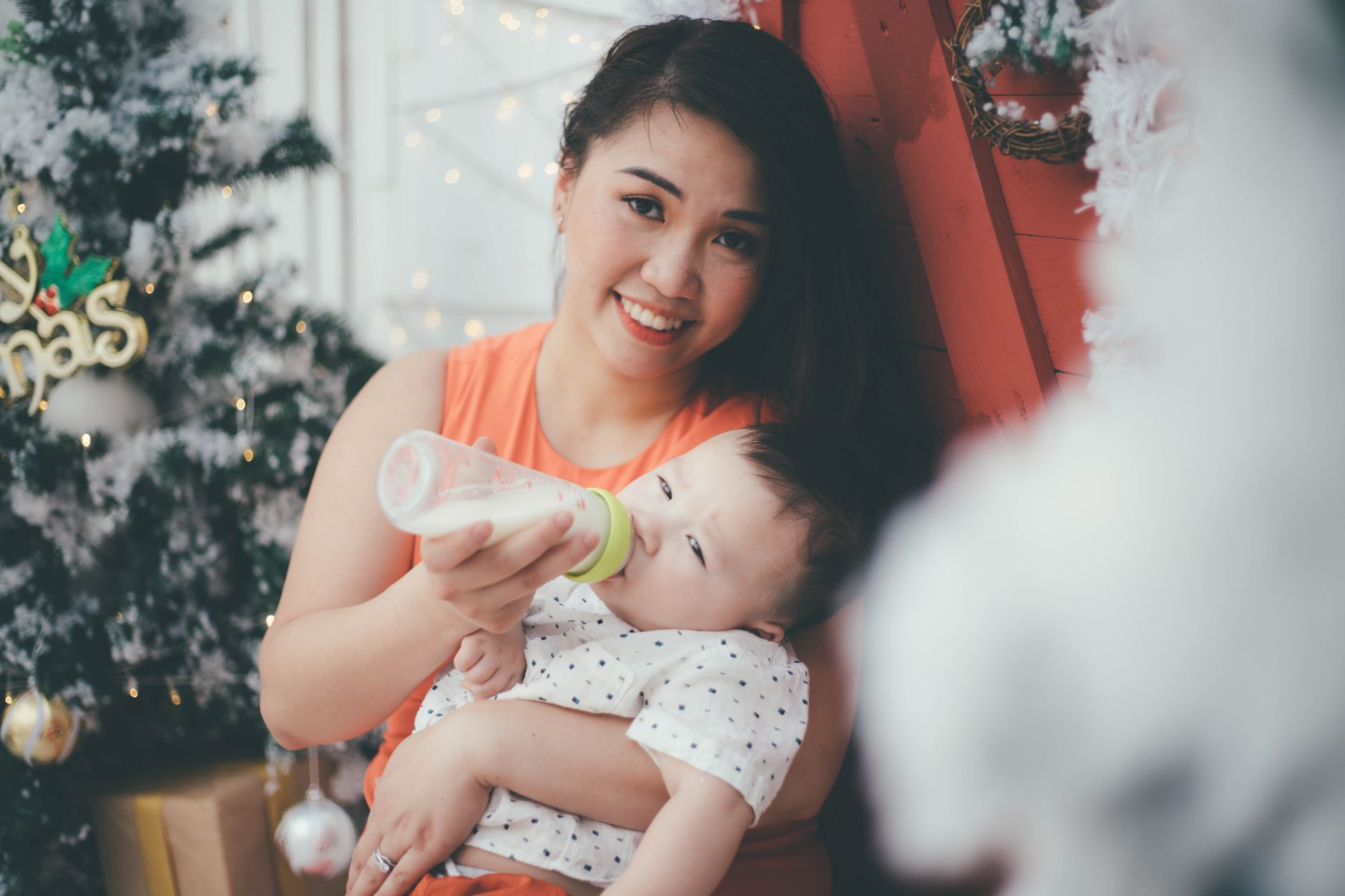
At its core, confinement is a structured recovery period in the first weeks after childbirth. The reasoning is sound and universal: a woman who has just given birth is tired, sore and often anaemic, and she needs sleep, good nutrition and an extra pair of hands so she can heal, get feeding going, and learn her newborn. The cultural layer sits on top of that foundation.
How long it runs depends on tradition. Chinese families often centre on roughly a month, captured in the phrase zuo yue zi, "sitting the month." Malay pantang and many Indian practices traditionally run longer, closer to 40 days and sometimes beyond. In real Singapore households, most parents land between 28 and 40 days, and the deciding factor is often blunt logistics: how much help is available and when the paid support ends.
Many rituals share a single mental model, that the postpartum body is depleted and cold and needs to be warmed and refilled. You will hear this framed as balancing "heat" and "cold" or driving out "wind." The useful news for a tired first-timer: you do not have to subscribe to the theory to benefit from the sensible core. Rest, nourishing meals, hydration and real help aid recovery whatever culture you draw from.
Confinement across Chinese, Malay and Indian families
Singapore is unusual in having three rich confinement traditions living side by side, and plenty of families now borrow freely across them. Treat the descriptions below as starting points, not rulebooks, because practice varies hugely from household to household.
Chinese confinement (zuo yue zi)
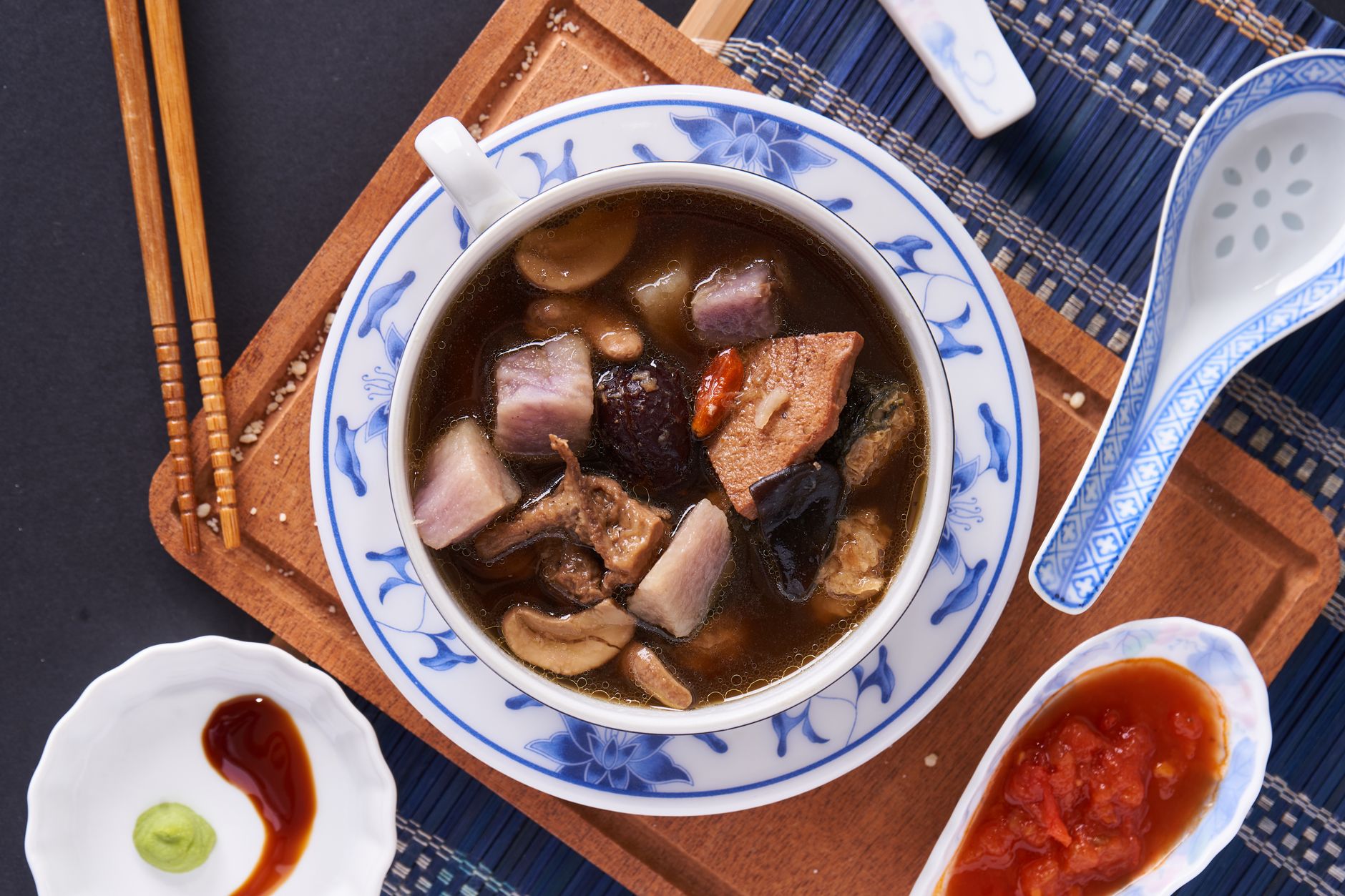
The Chinese approach leans hard on warmth and on avoiding anything seen as "cooling." Expect guidance to skip cold drinks and "cooling" foods, keep drafts at bay, and stay indoors resting. The kitchen revolves around "warming" ingredients such as old ginger, sesame oil, red dates and longan, often cooked with a little rice wine, plus a rotation of tonic and herbal soups. A live-in confinement nanny who cooks these dishes and takes night shifts is a classic feature of the Chinese month.
Malay confinement (berpantang)
Malay pantang traditionally runs around 40 to 44 days and is notably hands-on. A traditional practitioner may visit to perform urut, a postnatal massage, and to bind the abdomen with a long cloth wrap called a bengkung, believed to support the body as it recovers its shape. Warming herbal preparations are common, including jamu drinks and herbal baths or compresses with turmeric, ginger and pandan, while a practice called bertungku, applying gentle warmth to the abdomen, appears in many homes. The diet again favours "heaty" foods and steers away from anything "cooling."
Indian confinement
Indian postpartum care, often drawing on Ayurvedic ideas, also prizes warmth, rest and a recovery-focused diet, with real regional variation. Daily oil massage, sometimes called abhyanga, using sesame or other oils is common, as is abdominal binding. Meals lean on easy-to-digest warm dishes with ghee, turmeric, fenugreek and gentle spices, with warming drinks such as ginger or cardamom tea, and garlic sometimes used to settle "wind." As in the other communities, certain "cooling" foods are traditionally limited.
Your three support options: nanny, centre or DIY
Most first-time parents here choose between a live-in confinement nanny, a residential confinement centre, or doing it themselves at home with family help. Each suits a different budget, home setup and personality.
Confinement nanny (in your home)
A confinement nanny is an experienced caregiver who usually lives in for the period, cooking confinement meals, helping with newborn care through the night, and protecting your sleep. The appeal is one-to-one support in your own space, with food cooked to your taste. The trade-offs: you need a spare room or a workable sleeping arrangement, you stock the kitchen, and demand is high, so popular nannies are booked months ahead. Hiring through an agency can add costs beyond the headline fee, such as a government levy and a customary ang bao (red packet), so confirm exactly what is and is not included before you sign. Our guide to hiring a confinement nanny in Singapore walks through the questions to ask.
Confinement centre (residential stay)
A confinement centre is a hotel-style facility where you and your baby stay for the month. Meals, herbal baths, newborn care, lactation help and wellness sessions are usually bundled in, and overnight nursery care lets you sleep more deeply than you might at home. The trade-offs are cost, which is meaningfully higher than a home nanny, and leaving your own environment so soon after birth. Packages vary widely, so always request a current, itemised list rather than trusting a headline number.
DIY with family or hired help
Plenty of families run confinement themselves, leaning on a partner, parents or in-laws, perhaps a part-time helper for chores, and confinement food delivery for the meals. This is the most flexible and budget-friendly route, and you stay in control of every decision. The catch is that it leans heavily on your support network, especially overnight, so be honest about who can realistically show up, and for how many nights, before you commit.
What postpartum recovery actually needs
It helps to separate the medical reality of recovery from the cultural wrapping around it. Whatever tradition you follow, your body is doing serious repair work, and a few things matter most:
- Rest and sleep: broken nights are unavoidable, so the priority is help that lets you nap and recover in chunks rather than soldier on alone.
- Nutrition: a balanced, protein- and iron-rich diet supports healing and replenishes blood loss; pairing iron with vitamin C aids absorption, and many mothers find warm, easy-to-digest meals comforting.
- Hydration: fluids matter, especially if you are breastfeeding, so keep water within reach and drink regularly through the day.
- Wound care: perineal tears, stitches or a C-section incision need gentle hygiene and monitoring; follow the aftercare your hospital or doctor gave you.
- Support and connection: practical help with chores and the baby frees you to heal, and feeling less isolated matters too.
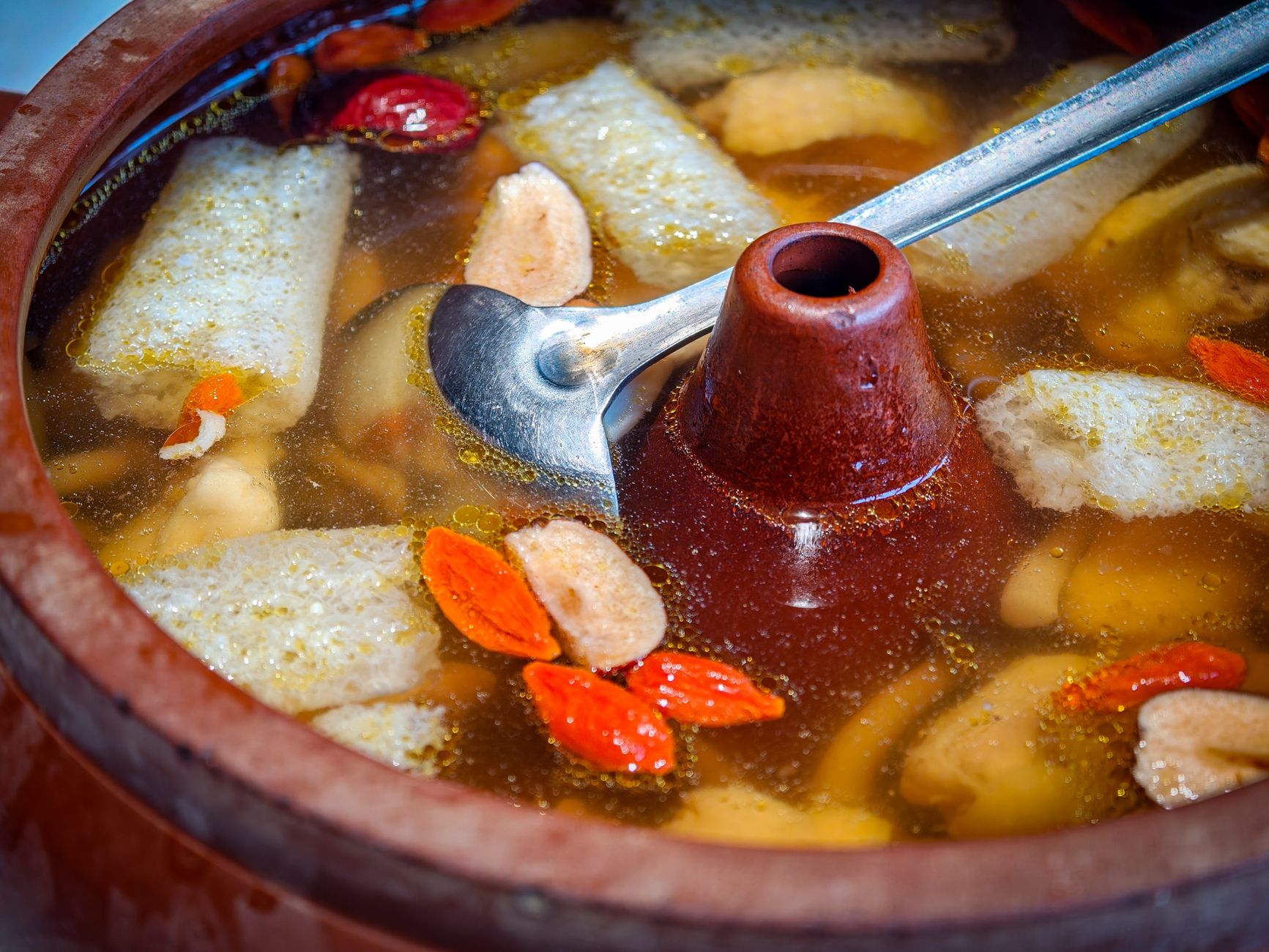
Singapore's official health portal, HealthHub, frames postpartum eating around fundamentals rather than heat-and-cold theory: a balanced diet, enough protein and iron with vitamin C to aid absorption, oily fish for omega-3s, dairy for calcium, and good hydration. If you are breastfeeding, you need extra calories, should go easy on caffeine, and should be cautious with alcohol, including alcohol cooked into dishes. Always clear herbal tonics or supplements with your doctor first. For a fuller walkthrough of healing week by week, see our postnatal recovery guide.
Looking after your mind, not just your body
Confinement traditions are good at feeding and resting the body, and quieter about the emotional side, but the early weeks can be a rollercoaster. Many new mothers get the "baby blues" in the first days or weeks, tearfulness, mood swings and feeling overwhelmed, which usually eases on its own. It helps to know the difference between that and something heavier:
- Baby blues are common and short-lived; gentle reassurance, rest and support usually carry you through.
- Postnatal depression is different. Low mood, hopelessness, persistent anxiety, trouble bonding, or feelings that do not lift after a couple of weeks are signs to reach out, not to push through alone.
- Get help early if you have thoughts of harming yourself or your baby; this needs prompt medical attention, and effective support is available.
Long days indoors and a stream of visitors with opinions can wear anyone down, so guard your space, accept help without guilt, and tell your partner how you are really doing. If something feels off, speak to your doctor or read our guide on postnatal depression and where to get help in Singapore.
Tradition vs evidence: a balanced view
Here is the honest middle ground. The heart of confinement, deep rest, nourishing food, hydration and support, lines up neatly with what helps a body recover after birth. Some specific rituals, though, are cultural rather than medical, and a few can even be unhelpful in a hot, humid climate.
- Worth keeping: resting as much as you can, eating a balanced and iron-rich diet, staying hydrated, and accepting help so you can sleep. Warming foods and ginger are comforting for most people in moderation.
- Custom, not medicine: the idea that wine, sesame oil and herbs are required to drive out "wind" is cultural rather than proven. In moderation these foods are generally fine, but alcohol passes into breastmilk, so be cautious while nursing.
- Adapt, do not endure: the strict no-bathing rule sits poorly with Singapore's heat. Regular gentle bathing in warm water supports hygiene and comfort and lowers infection risk, which matters with stitches or a wound. Air-con or a fan is fine if you are overheating.
- Do not over-restrict food: a varied, balanced diet beats fixating on any single "confinement" superfood, and skipping whole food groups can leave you short on nutrients you need.
The sensible rule of thumb: follow your own comfort and your doctor's advice over any blanket tradition. Keep the customs that bring you rest and meaning; quietly drop the ones that make you miserable. Related reading: our guides to C-section recovery and baby's full month celebration.
Frequently asked questions
How long does confinement last in Singapore?
It depends on tradition and how much help you have. Chinese practice centres on about a month, while Malay and many Indian traditions often run around 40 days or more. Most Singapore families land between 28 and 40 days, often matched to how long their paid support is engaged.
Do I have to do confinement at all?
No. Confinement is a cultural practice, not a medical requirement, and many modern mothers adapt it heavily or skip parts entirely. What does matter after birth is genuine rest, good nutrition, hydration and support. Keep the helpful core and leave the rituals that do not suit you.
Is a confinement nanny or a confinement centre better?
Neither is universally better. A nanny offers one-to-one care in your own home at a lower cost, but needs space and grocery support. A centre bundles meals, care and rest in a hotel-style setting at a higher price. Match the choice to your budget, home setup and overnight help.
Can I bathe and wash my hair during confinement?
There is no medical basis for avoiding water, and regular bathing in warm water supports hygiene and comfort while reducing infection risk, which is sensible in Singapore's climate. If you have a wound, stitches or a C-section incision and feel unsure, follow the aftercare your doctor gave you.
Can I mix Chinese, Malay and Indian practices?
Yes. Plenty of Singapore families blend traditions, and many caregivers and agencies are happy to customise meals and care around your preferences. Take what helps and adapt the rest to your comfort.
How much does confinement cost in Singapore?
Costs vary widely and change over time. A home nanny generally costs less than a residential centre, with food delivery cheaper again. Rather than relying on a single figure, request current itemised quotes from providers directly, and ask what is excluded, such as levies, red packets, herbs and ingredients.
When should I see a doctor during confinement?
Seek medical care promptly for heavy or increasing bleeding, fever, severe or worsening pain, signs of a wound infection, or a low mood that lingers. Always keep your scheduled postnatal check, and call your doctor any time something feels wrong.
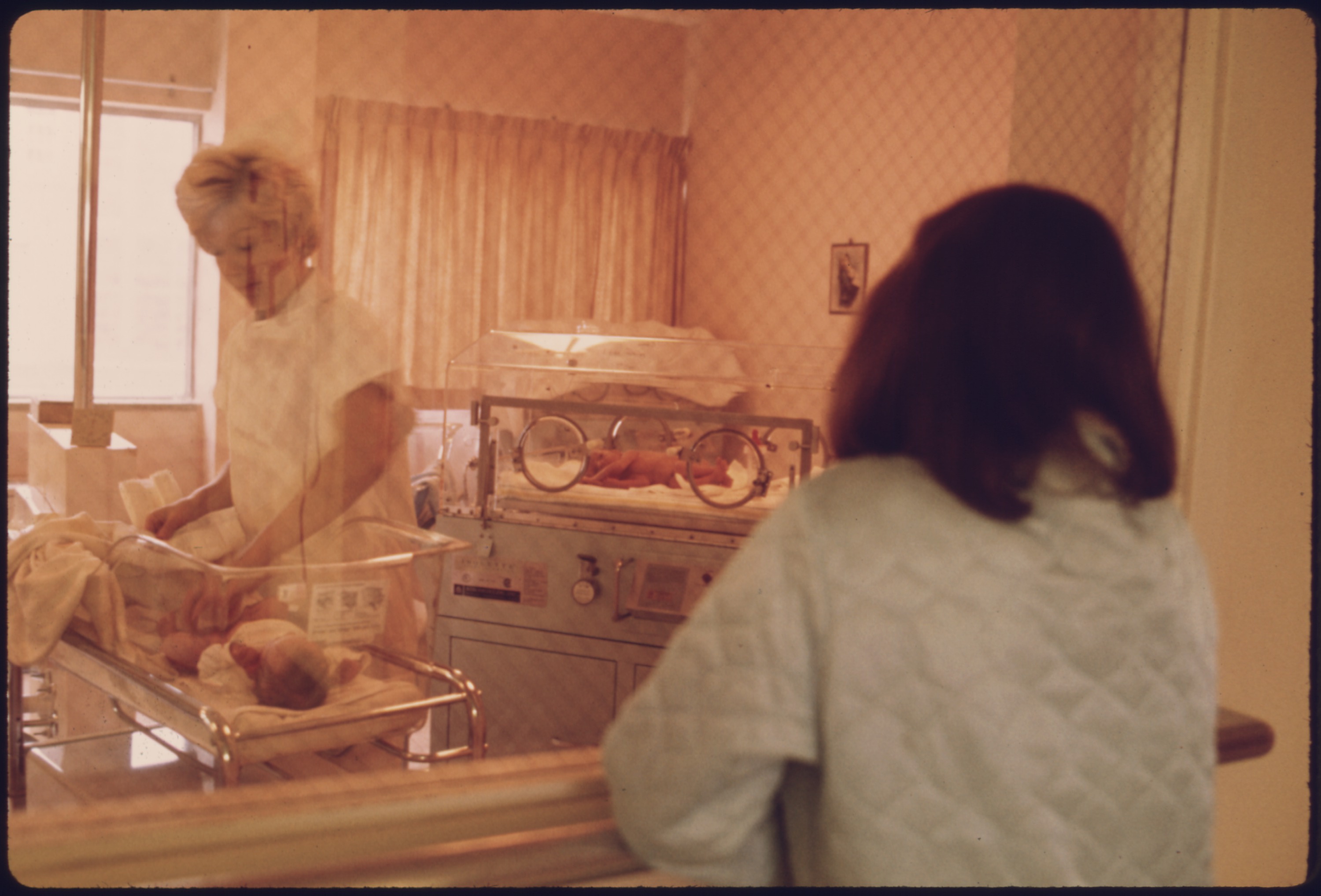
C-Section Recovery in Singapore: What to Expect
A practical Singapore guide to caesarean recovery: timeline, pain relief, wound care, ERAS, confinement context, breastf...
11 min read
Confinement Food Delivery in Singapore: A Practical Guide
How confinement food delivery works in Singapore: what the meals are, package options, dietary needs, costs to confirm, ...
10 min read
How to Hire a Confinement Nanny in Singapore: A Practical Guide
How to hire a confinement nanny in Singapore: what they do, live-in vs day, agency vs freelance, the work permit and lev...
11 min read