

Genting Dream Cruise From Singapore: A Family Guide
In this article
- What is the Genting Dream, and where does it sail from?
- Why Singapore families love it
- Kids' clubs and the best age range
- Waterslides, pools and active play
- Family cabins: which type to book
- Dining: what is included and what costs extra
- Shows and evening entertainment
- Getting to the Marina Bay Cruise Centre
- Embarkation, passports and online check-in
- Babies, toddlers and stroller life on board
- Budgeting and watching for promos
- Frequently asked questions
If you want a family holiday where you unpack once, never touch a steering wheel, and the kids run themselves tired while you actually sit down, a Genting Dream cruise from Singapore is hard to beat. It sails round-trip from the Marina Bay Cruise Centre, so there is no airport, no flights, and on the shortest sailings, no foreign port to clear. It suits first-time cruisers, multi-generational groups travelling with grandparents, and anyone wanting a low-effort getaway over a long weekend with toddlers or primary-schoolers. Here is what a Genting Dream trip is genuinely like with kids in tow, plus the booking, embarkation and passport details worth knowing before you pay.
What is the Genting Dream, and where does it sail from?
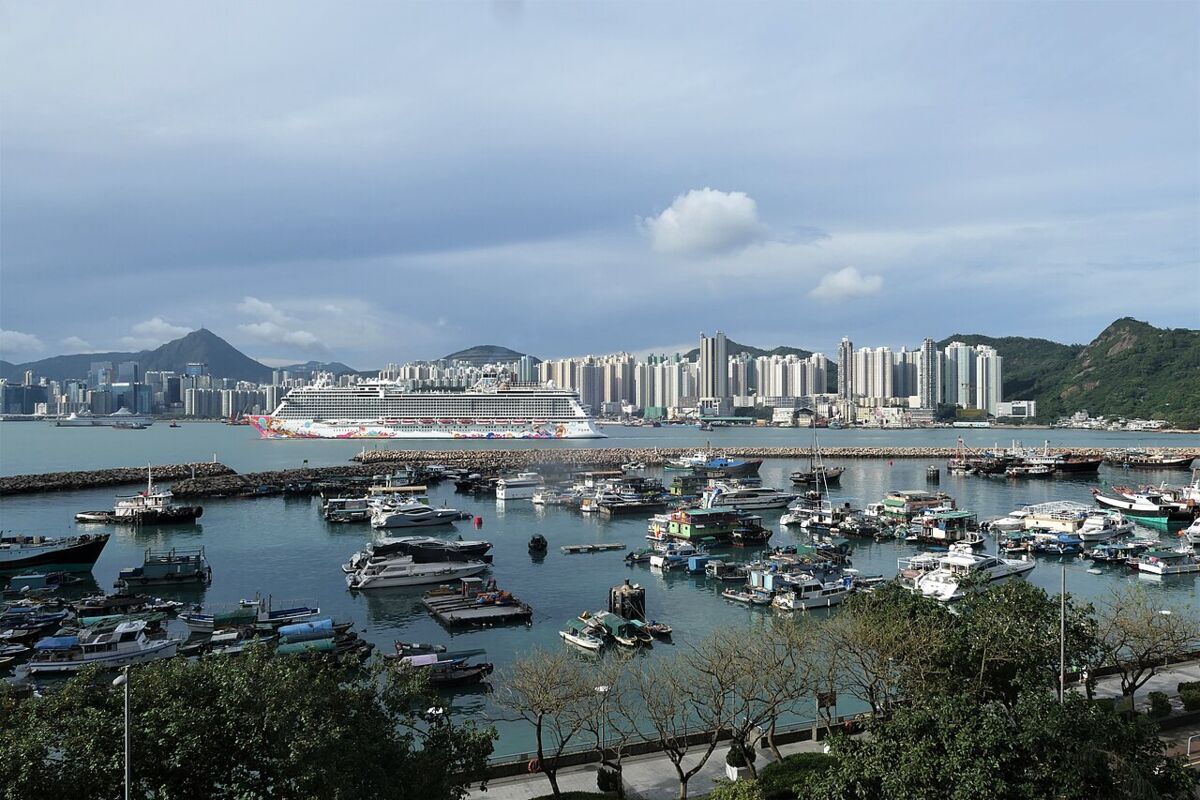
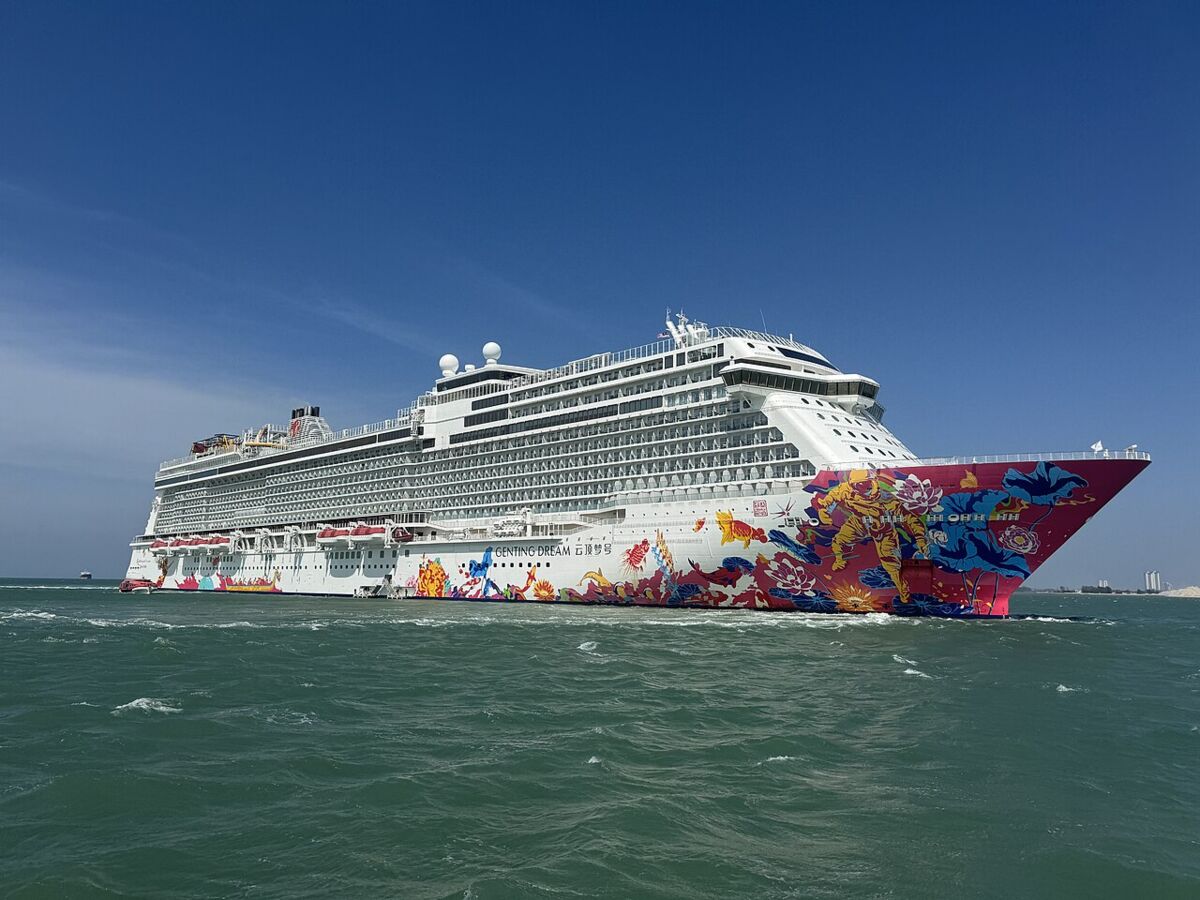
The Genting Dream is a large 18-deck ship operated by Resorts World Cruises, carrying a few thousand guests. It sails round-trip from Singapore's Marina Bay Cruise Centre, and the appeal for families is that the ship itself is the resort: the pools, play areas, dining and nightly shows are all a lift ride apart, which is exactly what you want with small children and short attention spans.
Two itinerary styles suit families. The first is a cruise to nowhere, often a two-night weekend, where the ship cruises international waters and returns without calling at a foreign port. The second is a short port-of-call cruise stopping somewhere regional, with names like Melaka, Penang, Port Klang and Phuket appearing on Singapore departures, plus occasional longer sailings further afield. Exact ports, nights and dates shift by season, so treat any itinerary you read about as a general idea and confirm the current schedule on the official site.
Why Singapore families love it
The single biggest draw is that almost everything is in one walkable place. You are not fighting traffic, queuing in the heat, or rationing screen time on a long flight. Meals, swimming, play and entertainment are all under one roof, and the kids can burn off energy somewhere different every couple of hours. For parents of under-sevens, that contained world is the whole point.
A short two- or three-night sailing is also a low-commitment way to find out whether your family enjoys cruising before you spend on a longer trip. If you are still weighing options, it sits alongside our wider round-up of cruises from Singapore for families, and against land weekenders like a Batam family getaway or a Bintan family getaway when you want a short break without the open water.
Kids' clubs and the best age range
The supervised kids' club is the facility most parents ask about, and it is genuinely useful, but the rules are specific enough to understand before you board. The club runs age-banded sessions, and the key distinction is supervision:
- Younger toddlers are generally welcome to play only with a parent staying in the room, rather than being dropped off. If you are picturing free childcare for a one-year-old, that usually is not how it works.
- Older toddlers and primary-schoolers can typically be signed in and left for supervised play, which is where the real downtime for parents comes from.
- Teens and older kids are catered for separately through the arcade, sports and thrill activities rather than a drop-off creche.
- The exact cut-off ages change, so confirm the current bands and the drop-off age the moment you board, before promising anyone anything.
The cost structure catches a lot of first-timers out. A block of supervised club time is commonly complimentary per cruise, after which it switches to a paid hourly rate, with extras like craft or cooking workshops charged on top. Expect activities like building blocks, arts and crafts, storytelling, dance and themed games. The sweet spot for the whole ship is roughly ages three to ten: old enough to swim and use the club, young enough to be thrilled by waterslides and a show. Babies under six months are typically not accepted on board at all, and very young infants come with their own considerations, covered below.
Waterslides, pools and active play
The top decks are where families spend most of the day. There is a cluster of waterslides ranging from gentler tube rides to a steeper drop, plus a main pool with jacuzzis and a separate, shallow kids' water play area for the smallest swimmers. Height and age limits apply to the bigger slides, so do not promise your three-year-old the fast one until you have checked the posted rules on the day.
- Waterslide park and pools: several slides of varying intensity, a large main pool with jacuzzis, and a shallow children's pool for toddlers.
- Ropes and zipline: a multi-level ropes course, with a zipline running out over the side of the ship for braver kids and parents.
- Sports and climbing: a rock-climbing wall, mini-golf, and an open sports area for ball games.
- Bowling and arcade: a bowling alley and a late-opening games arcade, both lifesavers when the weather turns.
- Cinema and indoor spaces: screenings and sheltered play areas for downtime away from the sun.
Family cabins: which type to book
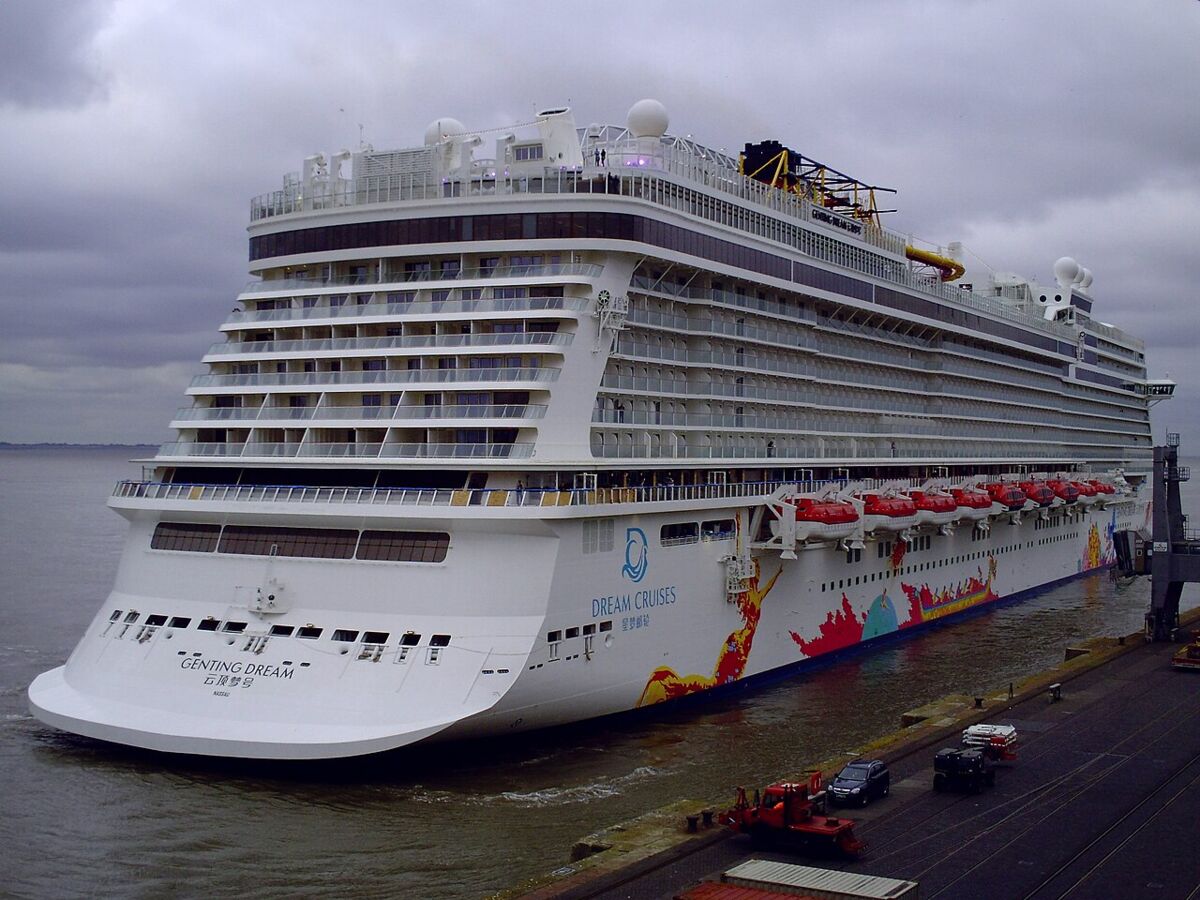
Cabins run from windowless interior staterooms, up through oceanview rooms with a window, to balcony staterooms, and finally the suite tier known as The Palace, a ship-within-a-ship with priority embarkation, a private lounge and butler service. Most family rooms sleep four by converting a sofa into a bed.
- Interior: the cheapest option and fine if you only sleep there, though the lack of a window can make daytime naps harder for very young children.
- Oceanview: a window adds natural light and a sense of where you are, which helps with toddler body clocks.
- Balcony: the family favourite. Somewhere to step out for fresh air during nap time without leaving the room. Worth the jump if the budget stretches.
- Connecting rooms: if you want adults and older kids next door with a door between, request these early, because they are limited and go fast.
Dining: what is included and what costs extra
Dining is where cruising shines for fussy eaters, because there is always something. The fare typically includes a large international buffet that handles picky kids and flexible timings beautifully, plus main dining rooms serving set menus, usually one Western and one Chinese. Halal options are generally available at the buffet, but confirm specifics with the line if that matters for your family.
Beyond the included venues sits a spread of paid specialty restaurants covering Japanese, Chinese fine dining, seafood and more, charged per head or a la carte. None of it is compulsory, so you can eat very well all trip without a single specialty table. A useful habit with young kids is to take an early dinner sitting to dodge peak queues, then catch the later show. For ideas back on dry land, our best family hotels in Singapore guide is a good follow-up.
Shows and evening entertainment
Evenings revolve around the main theatre, with nightly productions heavy on acrobatics, aerial stunts and choreographed dance, the kind of spectacle that holds a five-year-old without a word of dialogue. Around the ship you will also find game shows, live bands, themed deck parties and karaoke. Worth knowing: some late-night entertainment skews adult and a few parties are ticketed extras, so check the daily programme each morning and plan the family-friendly slots before the kids melt down.
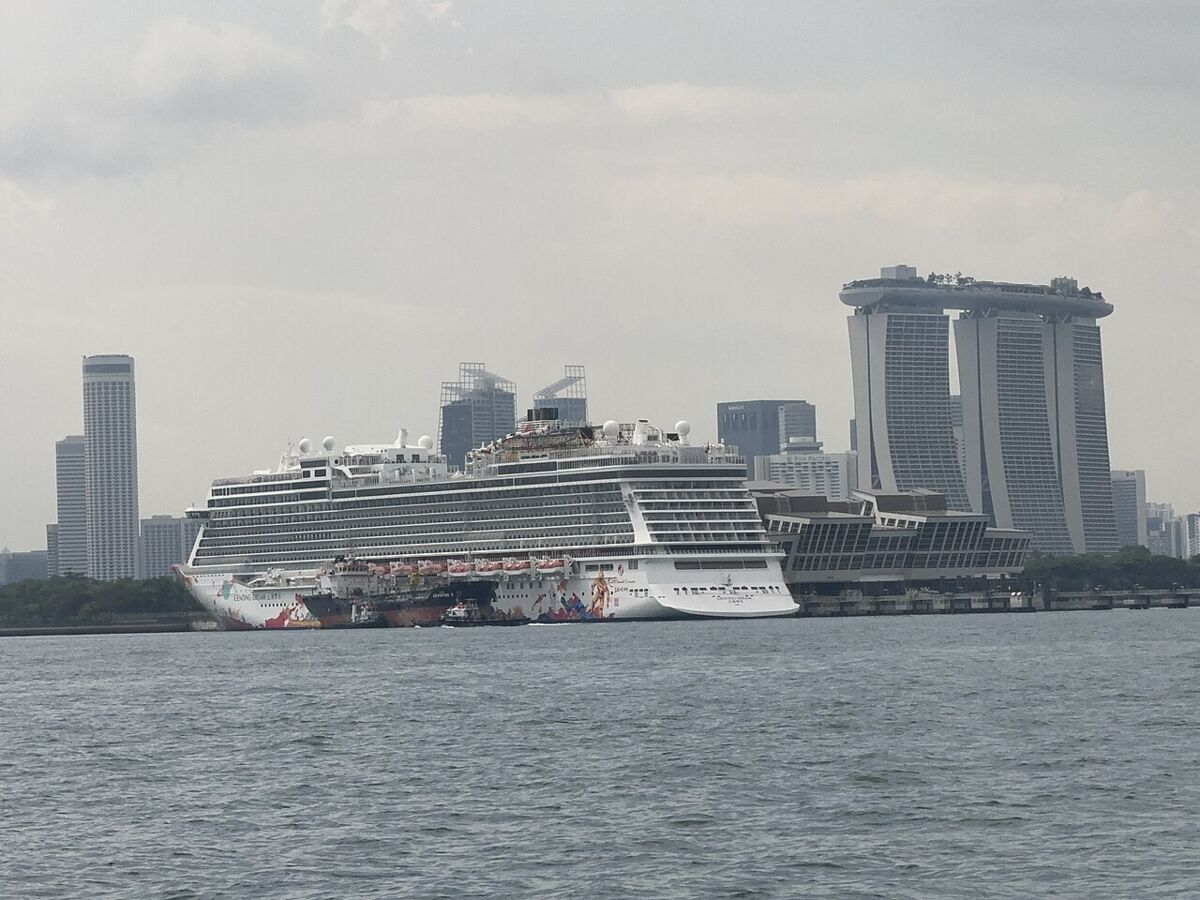
Getting to the Marina Bay Cruise Centre
Reaching the terminal is easy by Singapore standards:
- MRT: Marina South Pier station on the North-South Line is the closest, a short walk from the terminal. Some sailings run a station shuttle, so check for any arrangement on your date.
- Taxi or ride-hail: a straightforward door drop-off, and honestly the easiest option when you are wrangling luggage, a stroller and over-excited kids.
- Bus: public bus services stop near the cruise centre for families travelling light.
- Driving: there is paid parking at the terminal, though for a multi-night trip the taxi maths often wins once you count the parking days.
With small children, a taxi straight to the door is usually worth it on embarkation day. Drop your check-in luggage as soon as you arrive so you are not dragging it through the queues.
Embarkation, passports and online check-in
A few practical steps smooth out the start of the trip:
- Passports for everyone: a valid passport is required for Genting Dream sailings from Singapore, including a cruise to nowhere, and the standard guidance is at least six months of validity. Check every passport early, including the baby's, because last-minute child renewals are a special kind of stress.
- Online check-in: there is a mandatory online check-in that opens in the days before sailing and closes ahead of departure, after which you are typically given an assigned arrival window. Do it the moment it opens for a sensible boarding slot.
- At the terminal: present your booking and passports, clear security and immigration, and collect a cabin key card that doubles as your onboard payment card.
- Boarding time: embarkation usually runs from the afternoon. Arriving early in your window means you reach the cabin and pools before the biggest crowds, which is gold with restless kids.
Always verify current entry requirements and check-in deadlines on the official site, since these change and are the ones you cannot fix at the gangway.
Babies, toddlers and stroller life on board
Cruising with the very young is doable but needs planning. Bring your own lightweight stroller for the long corridors and naps on the move, and ask about a cot for the cabin when you book. There is usually no nursery childcare for infants, so the youngest are your responsibility throughout. Pack enough nappies, formula and specific foods for the whole trip plus a buffer, because the onboard shop is not a supermarket, and swim-nappies are required for the kids' pool. If anyone is prone to motion sickness, bring your usual remedy and start it early; the ship is large and stable, but the open-water legs can still be felt, and children often do better with a snack and fresh air on deck than lying down inside.
Budgeting and watching for promos
The cabin fare is only the starting point, so build your budget as a range. The headline costs beyond the room are port charges and service charges or gratuities, usually a fixed amount per person per night and effectively mandatory, often charged for children too. On top sit the optional extras: drinks packages, specialty dining, paid kids' club hours, arcade credit, spa treatments and shore excursions. Because the whole ship runs on your key card, set a spending cap and brief older kids before they discover the arcade.
On the deal front, Resorts World Cruises and its agents frequently run promotions such as buy-one-get-one-free fares, a second guest sailing free, and seasonal kids-sail-free offers tied to specific dates. The fine print varies, so never treat a promo you saw last month as still live: verify the current offer with the line or an authorised agent before you pay. Compare it against a land break too, since a well-timed Desaru family getaway can land at a similar price.
Frequently asked questions
Do we need a passport for a cruise to nowhere?
Yes. A valid passport is required for Genting Dream sailings from Singapore, including cruises to nowhere, and at least six months of validity is the usual recommendation. Confirm the current rule on the official site before you book, and check the children's passports too.
What is the minimum age for a baby to cruise?
Lines typically set a minimum infant age of around six months for this kind of sailing, and very young babies have their own restrictions. If you are travelling with an infant, confirm the exact minimum age and any documentation needed with Resorts World Cruises before booking, as this is a firm rule, not a guideline.
Is the kids' club free, and can I drop my child off?
A block of supervised club time is commonly complimentary per cruise, with a paid hourly rate after that. Drop-off without a parent is generally only for older toddlers and up, while the youngest children play with a parent present. The exact ages and free allowance change, so check at the club desk when you board.
Is the Genting Dream suitable for toddlers?
It can be. There is a shallow kids' pool, plenty of dining flexibility for fussy eaters, and a contained environment that suits short attention spans. Just plan around naps, bring your own stroller and swim-nappies, and check the pool and club rules on the day, since the youngest children have specific guidelines.
How many nights should a first family trip be?
A two- or three-night sailing is the sensible first try: long enough to enjoy the ship properly, short enough to find out how your kids cope with cruising before you commit to anything longer.
What should we pack?
Swimwear and swim-nappies, goggles for the kids, sunscreen and a light cover-up for the top decks, motion-sickness remedies if anyone is prone, any specific baby supplies for the whole trip, and a smart-casual outfit each for the main dining room. Keep medication and a change of clothes in your hand luggage, since checked bags arrive at the cabin separately.
For more short-break ideas around the region, keep browsing the wider family travel hub, and remember to confirm the current sailing details with Resorts World Cruises before you book.


Babymoon Singapore: when to go, where to stay and how to travel safely
Planning a babymoon Singapore mums-to-be will love? See the best trimester to travel, staycation vs short-haul ideas, an...
9 min read
Bali With Kids: A Family Holiday Guide From Singapore
Planning Bali with kids from Singapore? The short flight, entry rules, best family areas, things to do, and real parent ...
11 min read
Batam With Kids: A Family Getaway Just a Ferry Ride From Singapore
Planning Batam with kids? Our family guide covers the short ferry from Singapore, resorts with pools, things to do, mone...
11 min read