

Indoor Playgrounds in Singapore: A Parent's Guide by Age, Type and Hot-or-Rainy-Day Fun
In this article
When the afternoon turns into a wall of heat or the sky opens without warning, an indoor playground is the easiest yes a Singapore parent can give. This guide is built for the real decision you make in the car park: which kind of place suits my child today, what will it cost, and what do I pack so the entrance counter does not catch me out. We organise it two ways, by age and by the type of play on offer, then cover grip socks, safety, hygiene, membership value, crowd timing and the free options that rarely get a mention. It is best for parents of babies through to energetic ten-year-olds who want one calm, cool, contained win on a day the weather refuses to cooperate.
Why indoor playgrounds work so well here
Singapore's weather does not negotiate. You can plan a morning at the park and be rained off by ten, or be defeated by the haze and heat before lunch. An indoor playground removes the guesswork. It is air-conditioned, padded and weatherproof, and because most sit inside malls, you are never far from a toilet, nursing room or a plate of food, so play folds neatly into an errand run. For toddlers, the contained, soft-surfaced layout makes supervision far less stressful than an open field. For older kids, the climbing and bouncing burns off the energy that would otherwise bounce off your living room walls.
- Weatherproof: the obvious backup for hazy, scorching or stormy days when outdoor play is off the table.
- Contained and padded: enclosed zones and soft flooring make it easier to keep eyes on little ones.
- Energy out: an hour of real climbing and bouncing tends to buy a smoother bedtime.
- Mall-based convenience: food, toilets and nursing rooms are usually steps away, often a short walk from an MRT station.
The main types of indoor playground
Not all indoor playgrounds do the same job. Sorting them by type is the fastest way to match a venue to your child's age and mood. Most fall into one of four broad categories, and knowing which is which saves you from paying soft-play prices for a child who needs a trampoline, or taking a crawler into an arena built for nine-year-olds.
Soft play and toddler-focused centres
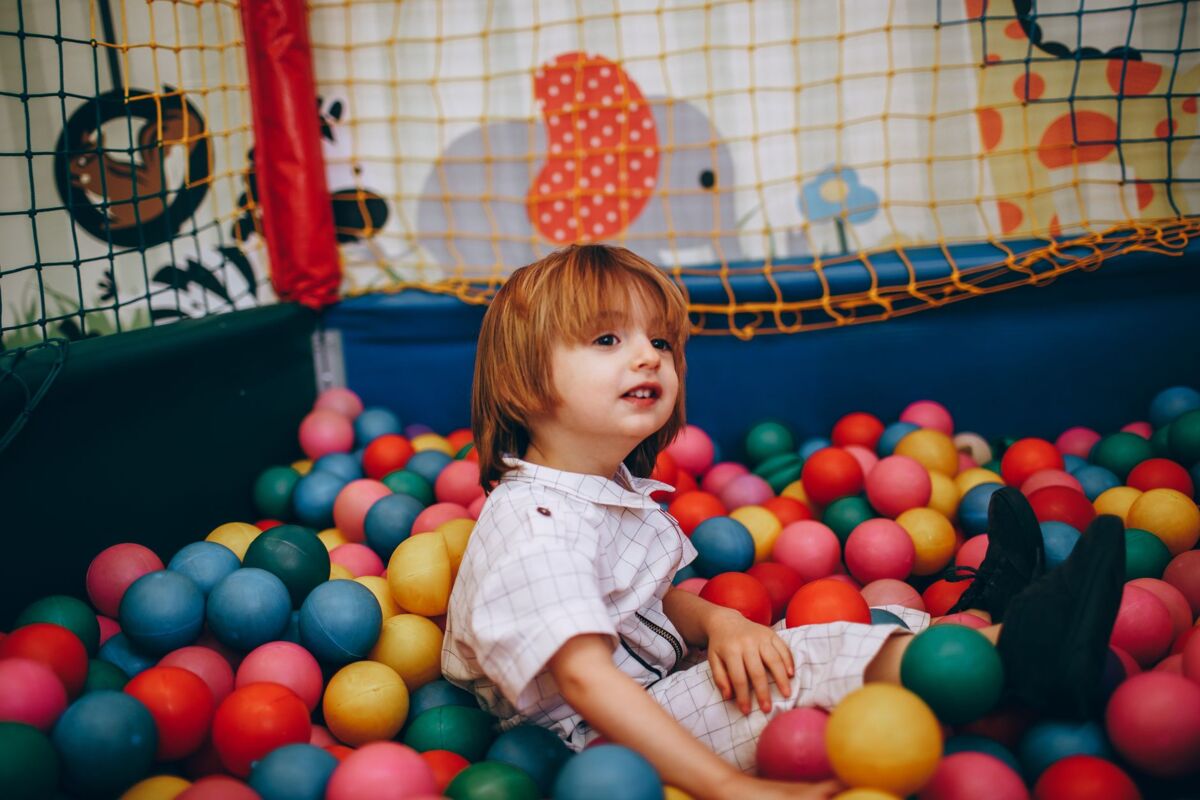
These are the gentlest option, built around foam blocks, ball pits, low slides, sensory corners and padded crawl areas. They suit babies and toddlers still finding their balance, and you can sit close and join in without a big structure looming over anyone. Character-themed parks for younger children, such as Pororo Park at Marina Square, sit in this family, pairing soft play with gentle ride-on attractions and a ball pit. The trade-off is that older kids run out of challenge quickly, so these are best when your youngest sets the agenda.
Big adventure and active parks
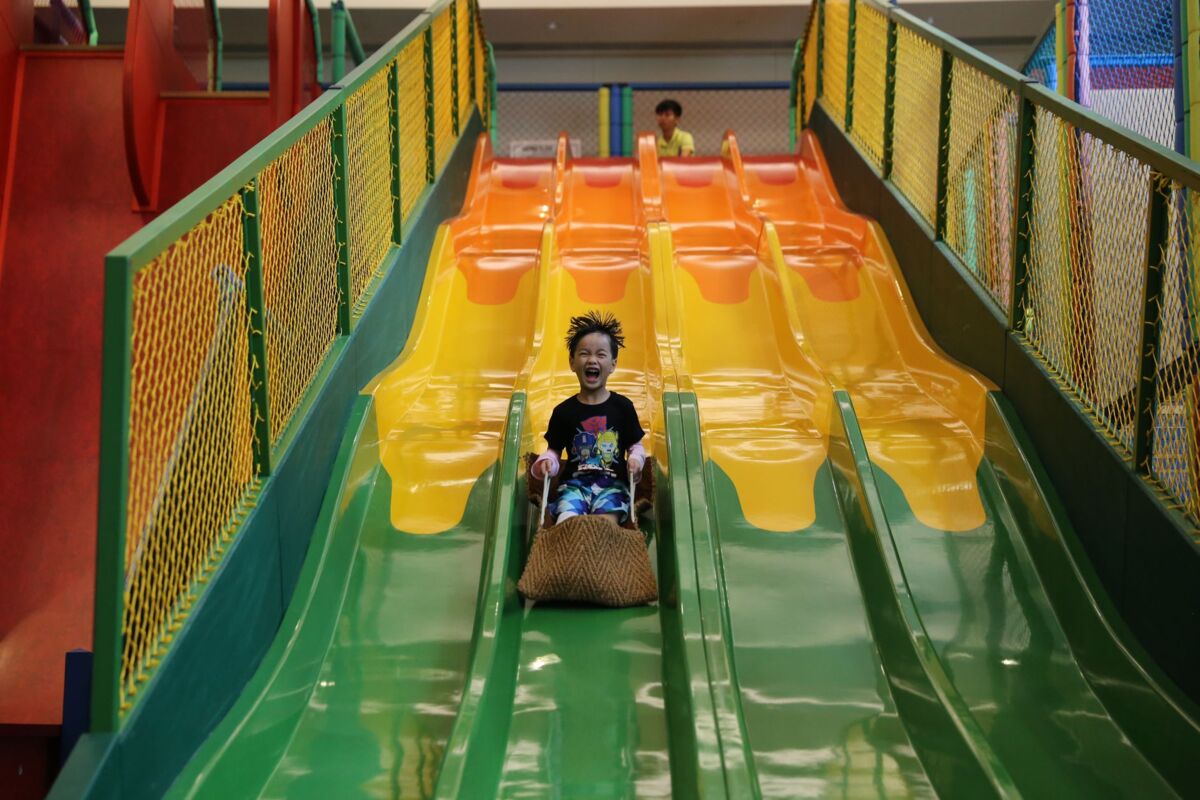
These are the large, multi-zone arenas with towering slides, ball cannons, climbing structures and obstacle courses. Their great strength is range: a single venue can hold a fenced-off toddler corner and a high ropes element under one roof, which makes them the obvious pick for families with kids of different ages. Brands like Kiztopia run sizeable themed playgrounds with many zones, and HomeTeamNS operates active hubs at its clubhouses, including the T-Play indoor playgrounds at Bukit Batok and Khatib and the multi-storey Adventure HQ at Khatib with ropes courses and firemen-style slides. Check the official site for which zones suit which ages, because the bigger the venue, the wider the spread of difficulty.
Role-play and imaginative worlds
A quieter but rewarding category, role-play centres let children run a mini supermarket, drive a toy vehicle, play doctor or dress up as a chef. There is less physical exertion and more pretend, which makes them brilliant for preschoolers and for kids who get overwhelmed in loud, high-energy arenas. If your child narrates elaborate games at home, this is the type that will light them up most.
Edutainment and trampoline parks
At the two ends of the energy scale sit edutainment spaces and trampoline parks. Edutainment venues blend play with hands-on science, building and discovery, and they suit curious school-age kids who like a puzzle as much as a slide. Trampoline parks are the opposite: interconnected trampolines, foam pits, dodgeball courts and ninja-style obstacle lines built for older children, tweens and adults who need a serious outlet. They almost always enforce minimum age or height rules and require their own grip socks, so confirm both before you bring a younger sibling who may end up watching from the side.
How to choose by age
Matching the venue to your child's stage is the single biggest factor in whether an outing is a delight or a meltdown. Here is the quick read by age band.
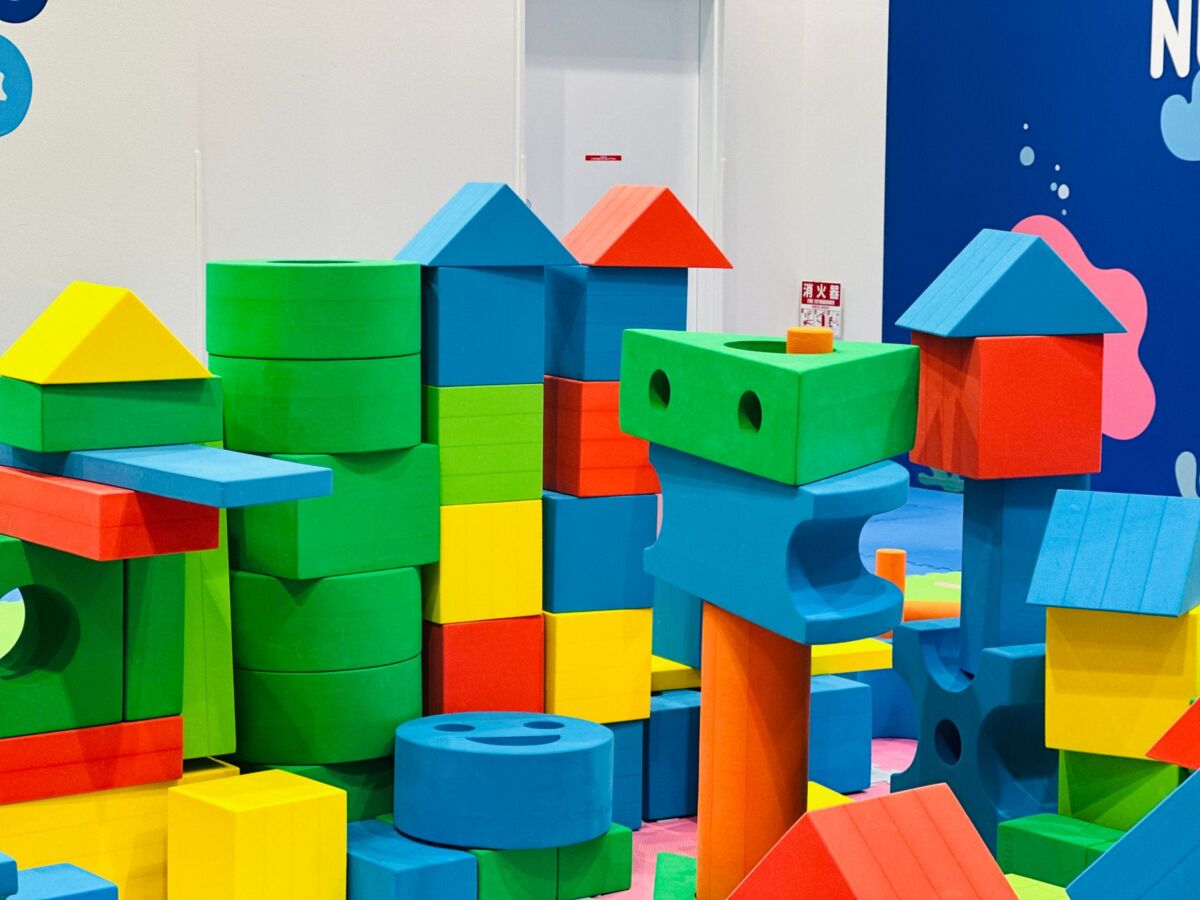
- Babies and young toddlers (under 3): look for dedicated infant or toddler zones with soft equipment, ball pits and low structures. Larger playgrounds that fence off a toddler area are ideal so a crawler is not bowled over by a six-year-old. Soft-play centres are the safest default.
- Preschoolers (3 to 6): the sweet spot for most general indoor playgrounds, with slides, ball pits and mild obstacle courses they tackle with growing confidence. Role-play worlds land beautifully here too.
- Older kids (6 and up): bigger adventure arenas, suspended-net play, edutainment and trampoline parks keep them challenged. Check height and age minimums, which trampoline parks enforce strictly.
- All ages and mixed siblings: the large multi-zone playgrounds earn their keep, with one ticket covering a baby in the toddler corner and a big sibling on the high slides at once.
Grip socks, safety and the rules to know
A little preparation saves a lot of fuss at the entrance. The single most common requirement is grip socks, the anti-slip kind, for both children and the adults going in with them. Many venues sell them at the door, but the cost adds up fast across repeat visits, so keep a clean pair for everyone in your bag. Beyond socks, the safety basics are common sense applied consistently, which matters most when the place is busy and you are tired.
- Bring grip socks for everyone, supervising adults included, plus a spare in case one goes missing in a ball pit.
- Supervise actively. Children must be watched at all times. A few elements, such as suspended-net play, may not let you carry your child, so be ready to go hands-free.
- Mind the age and height rules. Zones are often sized for specific ages, so do a quick lap before they commit to the tallest slide.
- Pack the basics: water, snacks, wipes and a change of clothes, especially anywhere with a ball pit or water play. Lockers, where available, save you guarding shoes and bags.
Choosing by weather, region, energy and budget
Type and age get you most of the way there. These four practical filters get you the rest.
By weather and the rainy-day backup
This is the core use case, so lean into it. On a wash-out day, an indoor playground is a guaranteed plan you can commit to at short notice. If rain is your trigger, favour venues you can reach without walking outdoors, which usually means a mall directly linked to an MRT station. Keep one or two go-to spots saved on your phone so you are not researching from scratch while a toddler melts down in the back seat.
By region and getting there
Most big indoor playgrounds sit inside malls well served by MRT and bus, so you can often skip the car and the parking hunt. Pick by your own region first, because a tired child plus a long cross-island journey rarely ends well. If you do drive, malls almost always have parking, but the rate on a rainy weekend can quietly become the most expensive part of the day. For a stroller, a mall venue beats a standalone unit, since lifts, ramps and flat floors are the norm.
By energy level and budget
Read the room before you book. A child cooped up all day during a storm needs a big active park or a trampoline session to truly reset, while an overtired child does better in a calm role-play world or small soft-play corner. Matching the venue's intensity to your child's actual state is the quiet secret to avoiding tears.
Pricing is usually a per-child charge for a set time block, often one or two hours, with supervising adults free or charged a small fee, and weekend rates higher than weekdays. If you go every other weekend, do the maths on a membership or multi-visit pass, which many larger brands offer and which can pay for itself quickly. Sibling and adult fees add up, so check the full family total rather than the headline child price.
Crowds, timing and playground etiquette
Indoor playgrounds are busiest on weekend afternoons, public holidays and school holidays, which is exactly when the weather drives everyone indoors at once. If you can, go on a weekday or right at opening, when the place is calm and your toddler is not jostling with a birthday party of thirty. A few courtesies keep everyone happy: queue at slides, keep food in the cafe rather than the play structure, return shoes and socks to the right cubby, and steer bigger kids away from the toddler area.
Free and low-cost indoor play
Indoor play does not have to mean a paid ticket. Changi Airport's terminals run free, air-conditioned play areas that are a genuine hit on a rainy afternoon, and the airport's official kids section is worth a look first. Over at Jewel Changi Airport, Canopy Park is a paid playscape with walking and bouncing nets, mazes and the sculptural Discovery Slides, suited to older kids who want a proper adventure under glass. Several malls also run free or sponsored play corners for a short burst without an hourly rate, and on the days the sun behaves, Singapore's parks have excellent free outdoor playgrounds too. Facilities and access can change, so treat the free options as a bonus rather than a guaranteed plan.
For more ways to round out the day, see our roundup of the best playgrounds in Singapore for free outdoor alternatives, our guide to Changi Airport with kids for the free terminal play areas and Jewel, and, for older kids who have outgrown the slides, our look at bowling with kids in Singapore. You can also browse the wider Fussy Mama blog for more rainy-day family ideas.
Frequently asked questions
What is the best age for an indoor playground?
There is something for almost every age. Soft-play and toddler zones suit under-3s, general adventure and role-play playgrounds work well from about 3 to 8, and trampoline and edutainment parks lean towards older kids and tweens. For a spread of ages, the large multi-zone playgrounds are the most flexible, covering a crawler and a nine-year-old at once.
Do I need to book in advance?
It depends on the venue and the day. Some places happily take walk-ins on a first-come basis, while others encourage or require online booking, especially on weekends, public holidays and during school holidays when sessions sell out. The safe move is to check the official website before you head out and book ahead if you are going on a busy day.
How much do indoor playgrounds cost?
Pricing is usually per child for a set time block, commonly one or two hours, with supervising adults free or charged a small fee, and weekend rates that sit higher than weekdays. Rates differ widely by venue and change regularly, so confirm the current price on the official site rather than relying on older figures, and add up the full family total including siblings and adults.
Are grip socks really required?
At most venues, yes, for both children and the adults going in, and trampoline parks almost always insist on their own branded pair. You can usually buy them at the door, but bringing your own clean pair for everyone saves money and a queue. Pack a spare, because a sock disappearing into a ball pit is a near-universal experience.
Are indoor playgrounds good for rainy days?
Yes, that is exactly when they shine. They are air-conditioned and fully weatherproof, so a thunderstorm or a hazy, scorching afternoon stops being a problem. Choosing one inside a mall that connects directly to an MRT station means you may not have to step outside at all, which makes it one of the easiest backup plans a Singapore family can keep on hand.
What should I bring?
Grip socks for everyone, water, light snacks, wipes and a change of clothes are the core kit, plus a spare pair of socks. If the venue has lockers, use them so you are not guarding shoes. For babies, the usual nappy bag applies, and mall-based venues almost always have a nursing room and changing facilities close by.
Whatever the weather throws at you, an indoor playground turns a wash-out into a win. Pick the type that fits your child's age and energy, choose a spot in your own region, pack the grip socks, double-check hours and prices on the official site, and let them run wild in the cool and dry.

Admiralty Park Family Guide: Singapore's Playground With the Most Slides
Family guide to Admiralty Park, the Singapore playground with the most slides. Play zones by age, inclusive swings, mang...
11 min read
Archery in Singapore: A Family Guide to Beginner Sessions for Kids
Archery in Singapore for families: how beginner sessions work, suitable ages for kids, indoor vs outdoor ranges, safety ...
9 min read
ArtScience Museum Family Guide: Future World, Tickets and Tips for Singapore Parents
A Singapore parent's guide to the ArtScience Museum: Future World with kids, tickets, the Family Friday free-child deal,...
9 min read