

Labrador Park Family Guide: WWII Relics, Sea Views and Easy Coastal Walks
In this article
- Why families love Labrador Park
- The WWII history (and how to explain it to the kids)
- What to do with kids
- Getting there
- Accessibility and stroller-friendliness
- Facilities, nursing and what to bring
- Best time to visit and rainy-day backup
- What is nearby to eat and explore
- Good to know before you go
- Frequently asked questions
If you want one outing that mixes sea breeze, real Singapore history and a walk that little legs can actually finish, Labrador Park is hard to beat. Sitting on the southern coast near Pasir Panjang, it is the only park on mainland Singapore with a rocky sea-facing cliff, and it hides a serious wartime past under the trees. The site is two places in one: the hilly Labrador Nature Reserve, where the WWII gun battery and relics sit, and the breezy coastal park with boardwalks, a jetty, playgrounds and sea views. It is free, there is a Labrador Park MRT station close by, and it suits a wide age range. It is best for families with toddlers to primary-aged kids who want a relaxed half-day that is part nature walk, part history lesson, part playground.
Why families love Labrador Park
This is one of those rare spots that keeps everyone happy at once. Younger kids get crabs, mudskippers and two playgrounds to burn off energy. Parents get a flat, mostly stroller-friendly coastal stretch with a proper view. Older children get a hands-on history walk that beats any textbook. The park is also rich in wildlife, with the Oriental magpie-robin, black-naped oriole, plantain squirrels and free-roaming peacocks, plus the occasional white-bellied sea eagle overhead. It is genuinely scenic without being a hard hike, which makes it ideal for a weekend morning or a cooler late afternoon.
- Best age range: works from babies in carriers up to about age 10. Toddlers love the sandy playgrounds and rock-pooling; primary-schoolers get the most out of the WWII relics.
- Time needed: two to three hours is comfortable for the coast plus one playground; allow a half-day if you want to climb up to the gun battery too.
- Cost: entry is free. You only pay for parking if you drive, plus any food you buy nearby.
- Energy level: the coastal paths are easy and flat; the climb to the hilltop relics is the only real effort.
The WWII history (and how to explain it to the kids)
Labrador began as a fortified gun post built by the British in the 19th century to guard the western entrance to Keppel Harbour. During World War II, the guns of Labrador Battery were turned inland and fired against advancing Japanese troops during the Battle of Pasir Panjang in February 1942. Up on the wooded hill you can still see a restored gun emplacement, concrete machine-gun pillboxes, an old fort gate and information boards that lay out the story in plain language. It is a calm, walkable way to talk to kids about Singapore in the war without anything too frightening for younger ones.
A network of underground tunnels and storage chambers was rediscovered here in 2001. These are not open for free wandering, and per current NParks notices the Casemate is closed for public safety, so do not promise the children an underground adventure. The above-ground relics are free to explore and well signposted, which makes for a memorable and, importantly, accurate history walk. If you want to go deeper, check the official site for any NParks heritage tours that may be scheduled.
What to do with kids
Two playgrounds, two moods
- The smaller sandy playground near the waterfront car park end is the gentle one: swings, see-saws and a retro merry-go-round set in sand. Great for toddlers. Bring a small spade or bucket and they will happily dig.
- The larger play structure closer to the coastal trail has a climbing tower with slides, bouncy see-saw seats and a timber maze, better suited to older toddlers and primary-aged kids. Both playgrounds get full sun, so morning or late afternoon is far kinder.
Coastal walks and nature spotting
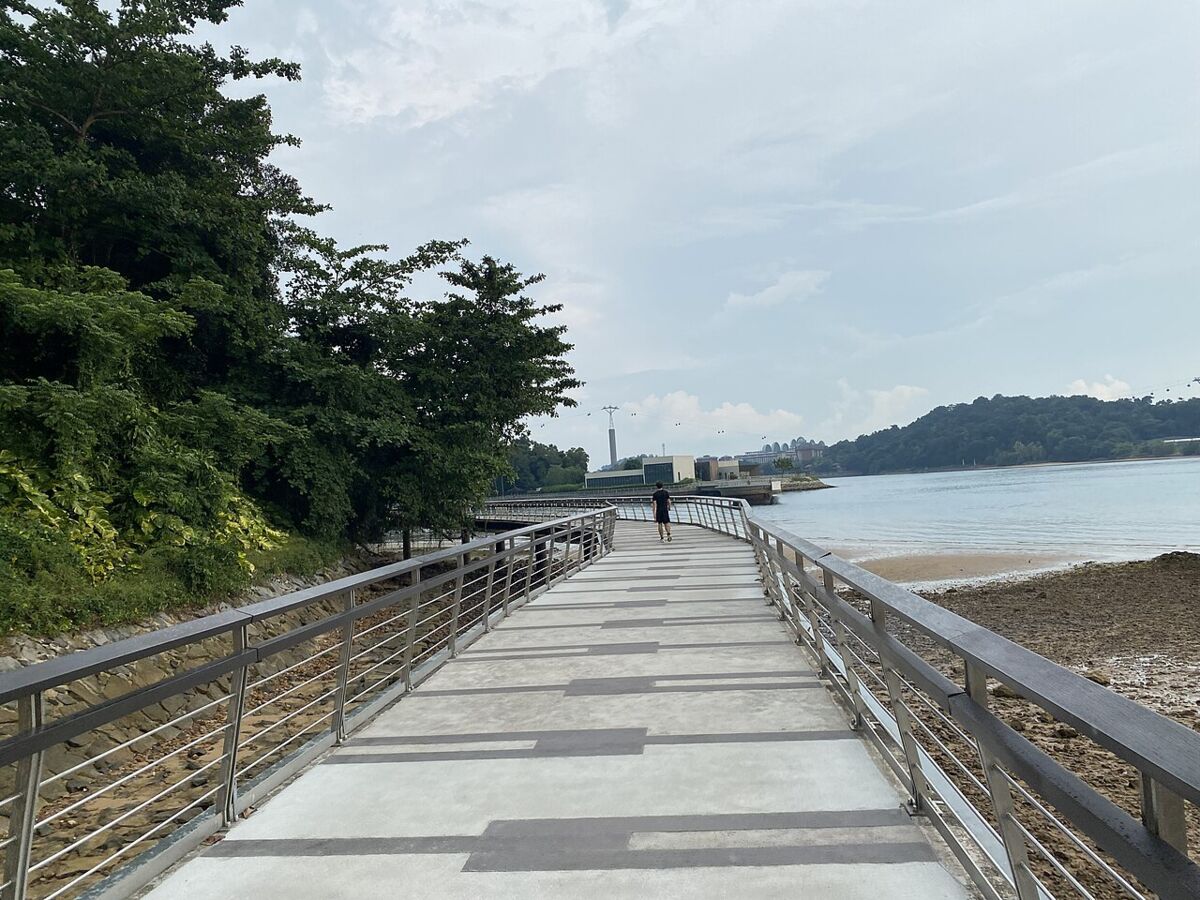
- Bukit Chermin Boardwalk: a roughly 300m elevated seaside boardwalk with wide views across Keppel Harbour towards Sentosa. Flat and easy, but not shaded, so it is best early or late in the day.
- Coastal and heritage paths: gentle walks linking the sea views to the hilltop relics. Along the way you will pass the photogenic red Berlayer Point lighthouse (the Red Beacon) and the towering Dragon's Teeth Gate replica.
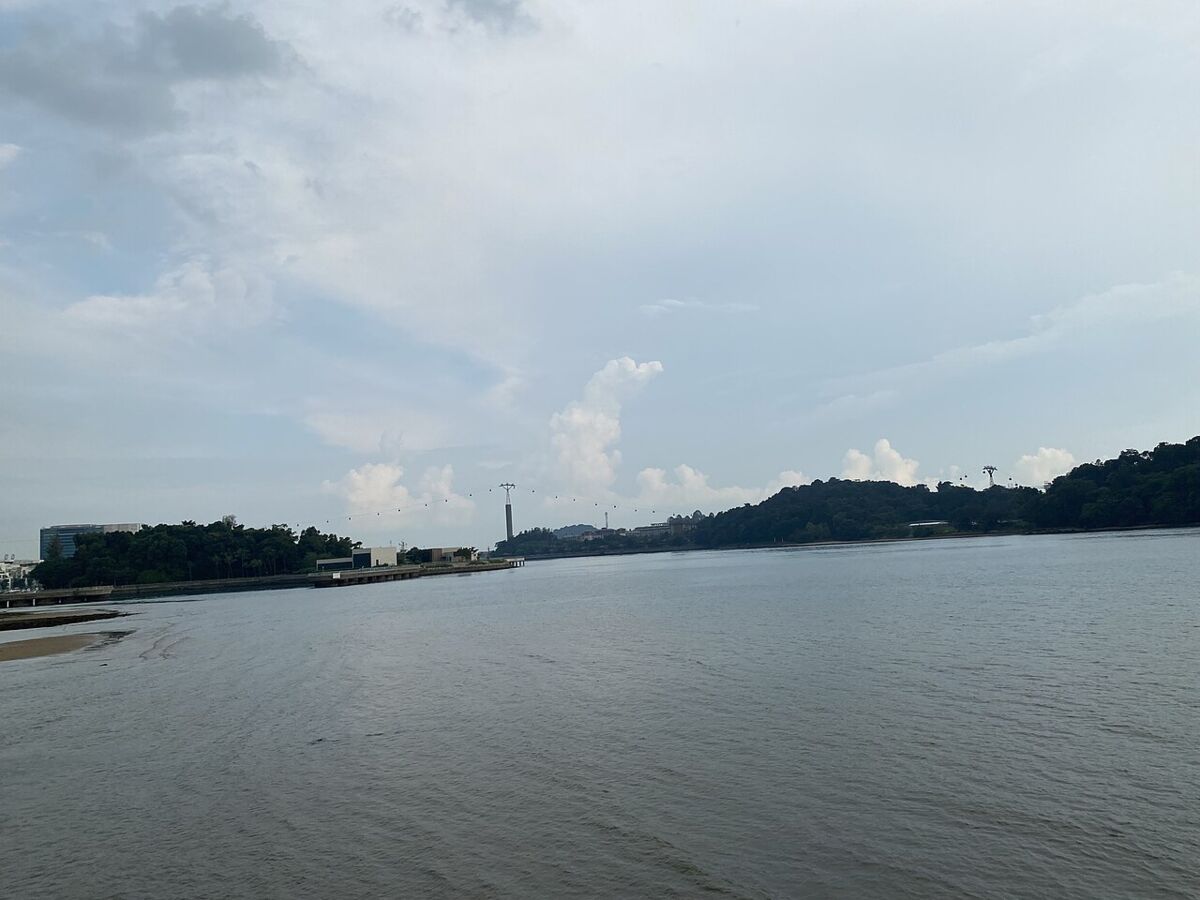
- The jetty: a breezy spot to watch boats and tankers in the harbour, and a calm place for a snack break with a sea view.
- Low-tide rock pooling: time your visit around low tide and the mudflats come alive with fiddler crabs and chunky mudskippers. Bring binoculars and turn it into an I-spy game.
If your crew loves this kind of easy green outing, our play hub has plenty more, and you will find similar coastal and nature walks in our Bedok Reservoir Park guide. For a leafier, hillier adventure another weekend, see our Bukit Timah Nature Reserve guide.
Getting there
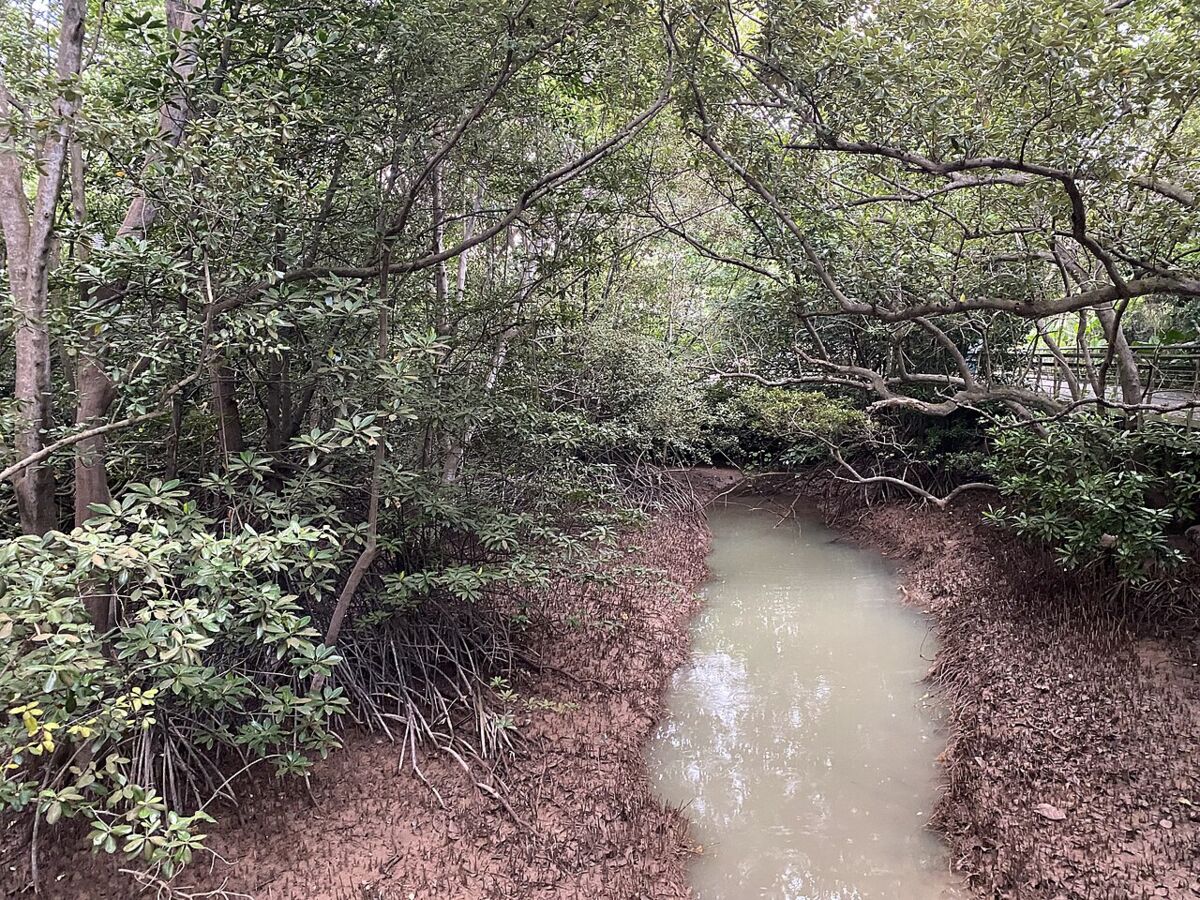
The simplest route is by MRT. Take the Circle Line to Labrador Park MRT station, then follow the signs towards the park. Historically the nicest approach was the shaded Berlayer Creek mangrove boardwalk, a roughly 10 to 15 minute walk in. Important update for 2026: NParks has flagged that the Berlayer Creek boardwalk is closed for improvement works from 3 June 2026 until 31 March 2027, so check the official page before relying on that route and follow the signposted detour via Labrador Villa Road. Several buses also serve Pasir Panjang Road, from where you can walk in. If you are driving, see the parking notes below. Always confirm the latest access on the official NParks page, as advisories change.
Parking (car parks A, B and C)
There are three car parks, all open 24 hours with parking charges. According to NParks, capacities are roughly: Car Park A around 45 cars (nearest the hilltop and restaurant end), Car Park B around 60 cars with coach lots and the most spaces (handy for the playgrounds and waterfront), and Car Park C around 15 cars (towards the Berlayer Point end). Each has at least one accessible bay. Spaces fill quickly on weekend mornings, so arrive early or aim for B if you are coming mainly for the playgrounds and coast.
Accessibility and stroller-friendliness
The good news for prams and wheelchairs: the waterfront promenade, the jetty area and the Keppel Coastal Trail boardwalk are flat and accessible, and NParks describes the park as wheelchair-friendly and elderly-friendly in these zones. A standard stroller rolls fine along the coast. The catch is the climb up into the nature reserve to reach the WWII relics, which is hillier and more uneven; for that section a baby carrier is far easier than a stroller with very young children. If grandparents are joining, keep the outing to the coastal level and skip the hill.
Facilities, nursing and what to bring
Toilets are located near the larger playground and waterfront area, with at least one accessible restroom; for nappy changes the family or accessible cubicles near the playground are your best bet, so plan a top-up before the long flat stretches. There is no dedicated nursing room, so bring a cover if you are feeding, or use the air-conditioned facilities at HarbourFront or VivoCity a short ride away. Drinking water and food options inside the park are limited, so pack ahead.
- Water, more than you think, since most of the coast is unshaded.
- Hats, sunscreen and light long sleeves; the sun reflects off the sea.
- Insect repellent for the mangrove and wooded sections.
- A picnic mat and snacks, as shaded grassy spots are limited.
- A small umbrella or poncho for sudden showers, plus a spare set of clothes if the kids will play in sand.
- Binoculars for birds and harbour traffic, and a bucket and spade for the playground sand.
Best time to visit and rainy-day backup
Aim for early morning, around opening, or from late afternoon when the heat eases and the playgrounds fall into partial shade. Weekday mornings are quietest; weekend mid-mornings are the busiest and the car parks can be full. For wildlife, build the visit around low tide so the crabs and mudskippers are out. If it rains, the open coast and unshaded boardwalks are no fun, so keep a backup ready: HarbourFront and VivoCity are minutes away for air-conditioned dining and play, and our ArtScience Museum guide covers a great indoor option nearby. You can also browse our blogs for more all-weather ideas.
What is nearby to eat and explore
There is a restaurant towards the hilltop end of the park, but it leans more upscale than kid-casual, so many families pack a picnic instead. Once Berlayer Creek reopens, the Bukit Chermin Boardwalk links the park towards the waterfront promenade at Reflections at Keppel Bay for a longer stroll. For reliable family meals with air-conditioning, VivoCity and HarbourFront are a short ride away and have the widest range of options after a sweaty morning. For more family meal ideas across the island, see our eat guides.
Good to know before you go
- Most of the coastal boardwalk is not shaded, so go early or late and over-pack water, hats and sunscreen.
- The coast is flat and stroller-friendly; the reserve hill to the WWII relics is steeper and better with a carrier for little ones.
- Pets are not allowed in the nature reserve sections, and cycling and drones are prohibited; large groups over 30 need an NParks permit.
- Mind the cliffs and unrailed drops near some hilltop relics, and supervise climbers closely.
- There is no entrance fee. For current closures (including the Berlayer Creek boardwalk works and the Casemate), trail advisories and any tours, check the official NParks Labrador Nature Reserve page.
Frequently asked questions
Is Labrador Park free?
Yes, entry to the park and its trails is free. You only pay for parking if you drive, and for any food you buy. Some guided heritage activities, if offered, may be arranged through NParks.
Can you go inside the WWII tunnels?
No. The underground tunnels are not open for free public wandering, and NParks currently lists the Casemate as closed for safety. The above-ground gun emplacement, pillboxes and other relics are open to explore for free. Check the official page for any scheduled tours.
Is it suitable for strollers and prams?
The coastal boardwalks, jetty area and Keppel Coastal Trail are flat and pram-friendly, and NParks lists these zones as wheelchair-accessible. The climb up to the nature reserve relics is hillier and uneven, so a carrier is easier there with younger children.
Is there a playground at Labrador Park?
Yes, there are two. A smaller sandy playground near the waterfront car park end suits toddlers, and a larger play structure with a slide tower and timber maze nearer the coastal trail suits older kids. Both are unshaded, so visit in the cooler hours.
How do I get to Labrador Park by MRT?
Take the Circle Line to Labrador Park MRT, then follow the park signs in. The shaded Berlayer Creek boardwalk route is closed for improvement works from June 2026 to March 2027, so use the signposted detour via Labrador Villa Road and confirm the latest access on the NParks page before you go.
When is the best time to spot crabs and mudskippers?
Around low tide, when the mudflats are exposed along the creek and shore. Check a tide table and aim your visit for the low-tide window, ideally in the cooler morning hours.
Planning more weekend outings? Our what's on and travel sections are full of ideas for families across Singapore.
Admiralty Park Family Guide: Singapore's Playground With the Most Slides
Family guide to Admiralty Park, the Singapore playground with the most slides. Play zones by age, inclusive swings, mang...
11 min read
Archery in Singapore: A Family Guide to Beginner Sessions for Kids
Archery in Singapore for families: how beginner sessions work, suitable ages for kids, indoor vs outdoor ranges, safety ...
9 min read
ArtScience Museum Family Guide: Future World, Tickets and Tips for Singapore Parents
A Singapore parent's guide to the ArtScience Museum: Future World with kids, tickets, the Family Friday free-child deal,...
9 min read