

Maternity Clothes in Singapore: What to Look For and Where to Shop
In this article
- What to look for, trimester by trimester
- Breathable fabrics for Singapore's heat and humidity
- Nursing-friendly and postpartum-friendly pieces that last
- Sizing: when to size up and when to buy maternity
- Building a small, versatile capsule
- Dressing for work, events, the hospital and the pool
- Where to shop in Singapore
- Good to know before you buy
- Frequently Asked Questions
Somewhere near the end of the first trimester, the trusty jeans stop buttoning and work shirts start pulling across the bump. In Singapore's heat and humidity, getting comfortable is not vanity, it is closer to a survival skill. The good news is that shopping for maternity clothes in Singapore has never been easier, with homegrown brands, familiar high-street stores, online marketplaces, a busy preloved scene and even rental all within reach. This guide is for any expecting parent who wants to dress comfortably without overspending: what to look for trimester by trimester, which fabrics cope with the climate, how sizing works, how to build a small wardrobe, what to wear for work, events, the hospital and the pool, and where to shop without wasting money on pieces you wear twice.
What to look for, trimester by trimester
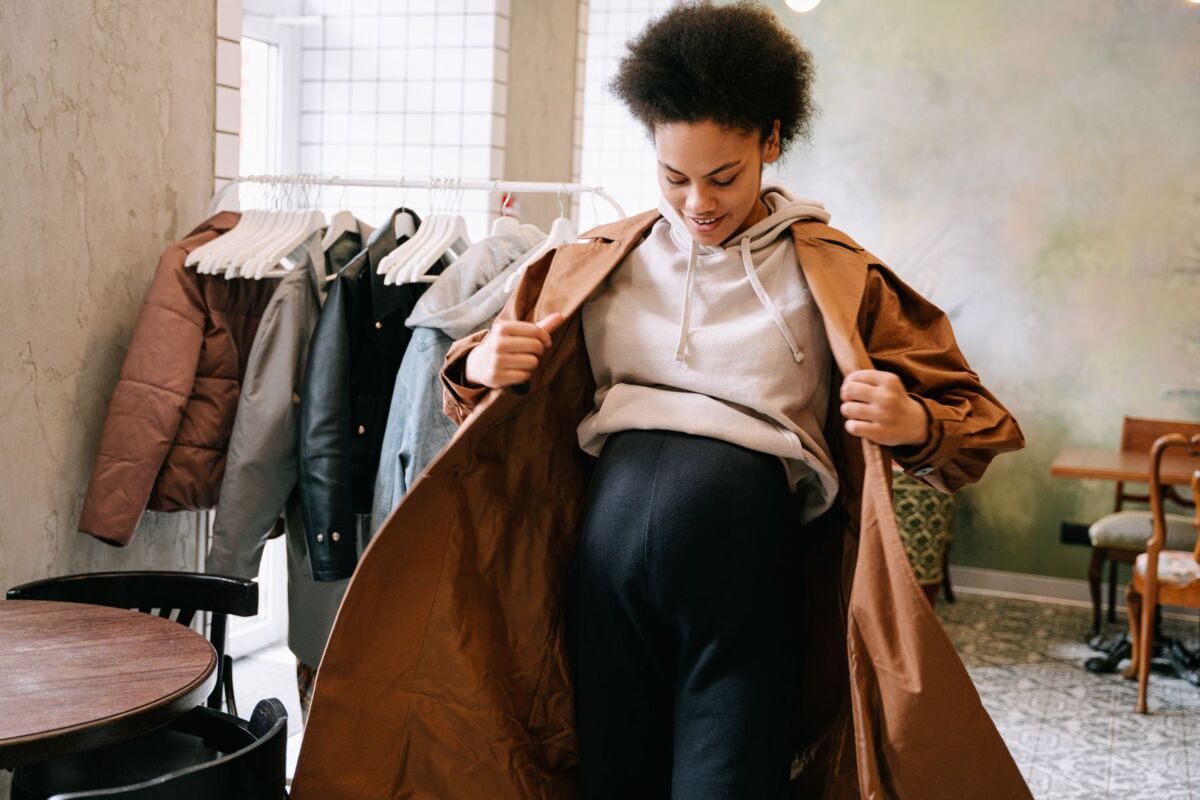
True maternity clothing is cut differently in three ways: it leaves room for a growing bump, it stays long enough to cover the underside of the bump, and the better pieces build in nursing access. A garment that does all three earns its label; one that does only one is often something a roomy regular piece could replace, the biggest money-saver in this guide. Your body also does not change at a steady rate, so think in stages rather than buying everything at once. What you reach for in week 14 is rarely what you need in week 34, and shopping in waves keeps you from overbuying.
First trimester: room to grow, not bump support
Early on, bloating and a tender waistline are usually a bigger problem than bump size, and you often do not need true maternity clothing yet. Look for gentle stretch, forgiving cuts and waistbands that do not dig in. Elastic-waist skirts, relaxed dresses and soft tops you own carry you a long way, and a belly band or waistband extender buys several more weeks out of your favourite jeans by holding the button open under an untucked top. Resist a giant haul at this stage, because you cannot tell yet which silhouettes you will live in.
Second trimester: adjustable waistbands and panels
As the bump becomes obvious, fit at the waist starts to matter, and this is where maternity-specific bottoms earn their place. Look for adjustable ruched tabs or stretch panels that grow with you, plus over-bump or under-bump waistbands. Over-bump panels give more coverage and hold-in support; under-bump bands suit those who find a full panel too warm or high. Many people own both and switch as the weeks pass. The second trimester is when most feel best, so it is a sensible point to invest in the pieces you will wear most.
Third trimester: support and breathability together
In the final stretch, the priorities are real support and staying cool. A heavier bump pulls on the lower back, so bottoms with a well-constructed panel make a daily difference, and looser, airier cuts beat anything that clings. A well-fitted bra matters more now, since band size and cup often change again before birth. Feet swell in the heat too, so slip-on shoes and flats are far kinder than anything you bend down to fasten.
Breathable fabrics for Singapore's heat and humidity
Pregnancy raises your core temperature and metabolism, so you run hotter than usual, and Singapore's climate compounds it. According to the Meteorological Service Singapore, the country is hot and humid all year, with relative humidity often well into the eighties and daytime temperatures commonly in the low thirties Celsius. Sweat does not evaporate easily in that damp air, which is why fabric choice does real work here.
Prioritise lightweight, breathable, moisture-wicking materials over heavy or clingy synthetics. Natural fibres such as cotton, bamboo, linen and modal allow airflow and release heat and moisture, and engineered cooling fabrics like the AIRism range are popular for the same reason. Loose, airy cuts keep you cooler than anything tight, and a little stretch with good recovery stops a garment bagging out after a few wears. Dark colours and thick weaves trap heat, so save those for the air-conditioned office rather than the school run.
Nursing-friendly and postpartum-friendly pieces that last
The smartest maternity buys keep working long after delivery. If you plan to breastfeed, think past the bump from the start. Pieces with discreet nursing access, wrap fronts, button-downs, or a low or wide neckline let you feed without a full change of clothes. You do not need a dedicated nursing version of everything; any top with a stretchy, loose or V-shaped neckline can double as nursing wear, stretching your budget.
Postpartum, your body needs time to settle and is often softer for months. Garments with stretch waistbands, relaxed silhouettes and nursing access bridge pregnancy, the fourth trimester and beyond. Flowy dresses that fit any size bump, elastic-waist bottoms, and good supportive bras are the pieces mums reach for longest.
Bras: the one item worth getting right
Your bust changes more than almost anything else during pregnancy and again when your milk comes in, so a fixed-size purchase early rarely lasts. Look for a soft, non-underwired or flexi-wire maternity or nursing bra with a wide band, adjustable straps, and a back closure with several rows of hooks so it loosens and tightens as your ribcage and cup change. One-handed nursing clips are worth the small premium once the baby arrives. Many parents get fitted in the late second trimester and again after birth rather than guessing.
Sizing: when to size up and when to buy maternity
There is no fixed week to switch; most people move into maternity clothing between weeks 12 and 16, when regular waistbands stop closing comfortably. As a rule, maternity sizing is built around your pre-pregnancy size, so a maternity small generally matches the size you wore before, with extra room for the bump. Some size up in later trimesters or fitted styles, and carrying multiples can also mean going up a size.
Not everything needs a maternity label. In the early and middle months you can size up in regular dresses, stretchy skirts and elastic-waist bottoms. Spend on maternity-specific items mainly where fit matters: bottoms with a proper over-bump or under-bump panel, and supportive bras. Charts vary a lot between brands, so check each brand's own size guide rather than assuming your usual number, and read the return policy before buying online, since fit is hard to judge from a photo.
Building a small, versatile capsule
You do not need a big wardrobe; you need a few flexible pieces that mix together. A workable maternity capsule is often a dozen items or fewer, built around a neutral palette so almost everything pairs with everything else. Favour multi-functional pieces over single-occasion buys, and lean on roomy regular clothes you already own. A practical starter set looks like this:
- Two pairs of maternity bottoms, one over-bump and one under-bump, in a breathable fabric
- Three tops with stretchy, low or V-shaped necklines that double as nursing wear later
- One or two easy dresses that move from work to a weekend brunch
- A light cardigan or kimono layer for over-air-conditioned offices and malls
- One or two supportive non-underwired bras with adjustable bands and straps
- A belly band or waistband extender to stretch your existing jeans through the early weeks
Dressing for work, events, the hospital and the pool
A few situations feel like they need something special, and mostly they do not. For the office, ponte or stretch-panel trousers with longline tops, or a structured shift dress, read as polished without being restrictive; keep a light layer at your desk, because Singapore offices run cold even when it is sweltering outside. A wrap dress is a true workhorse, smart enough for meetings and easy to nurse in later. For a wedding dinner or baby shower, a stretchy wrap or empire-line dress flatters most bumps, and renting beats buying an outfit you wear once.
For the hospital bag, pack loose, front-opening pieces: a button-down nightshirt or two, a robe, nursing-friendly tops, loose bottoms over a tender belly, and a soft non-underwired bra; dark colours hide the inevitable. For exercise, swimming takes the weight off your back, so a maternity swimsuit with a stretchy bump panel is worth it if you swim often, otherwise a size-up tankini does the job. High-waisted maternity leggings suit prenatal yoga or walking.
Where to shop in Singapore
There is no single best place; the right mix depends on your budget, style and how much you want to try before buying. Ranges and prices change often, so confirm details on the retailer's official site before a special trip.
Malls, department stores and high-street brands
Familiar high-street names in the malls are an easy, affordable starting point and let you try things on. Brands such as H&M Mama, plus Uniqlo's roomy cuts and AIRism basics, cover a lot of everyday needs cheaply. Some carry dedicated maternity lines; others just offer roomy regular styles you size up in. The advantages are price, availability and feeling the fabric in person, and most large malls have nursing rooms for revisiting after the baby arrives. To plan a relaxed try-on trip, our guides to family-friendly malls in Singapore and the Great World family guide point you to the most comfortable spots to browse with a stroller in tow.
Dedicated maternity brands
For pieces designed around a changing body with built-in nursing access, Singapore has a strong line-up of specialists. Long-running local names like Spring Maternity sit alongside online-led labels such as Dear Collective, Jump Eat Cry, Lovemere and Bove, many focused on nursing-friendly designs, supportive bras and pieces that work through to the postpartum months. These cost more than fast fashion but tend to fit better and last longer. Collections and stock change regularly, so check each brand's own website.
Online and marketplaces
If you would rather browse from the sofa, most maternity brands ship locally and the large marketplaces list a wide range of maternity and nursing wear. Online gives the broadest choice but is where fit goes wrong most often, so check the size guide and return policy on every listing, and order one item from a new brand to test fabric and fit before buying more.
Second-hand and rental
Because maternity clothes are worn for only a few months, the resale market is excellent value and kinder to the planet. Preloved platforms such as Retykle, local marketplaces and parenting buy-and-sell groups are full of gently used pieces, a smart way to trial a style or brand before paying full price. Rental is the other underrated option for one-off needs such as a baby shower, wedding or maternity photoshoot. Many of these brands and preloved finds also turn up at baby fairs in Singapore, a good place to compare fabrics and grab end-of-line bargains in person.
Good to know before you buy
- Prices and stock change often; check the brand's official website before a special trip.
- Invest in fit where it counts: well-fitting bottoms and a couple of supportive bras beat a wardrobe of pretty dresses.
- Wash test early: buy one item from a new online brand first, then order more if you love it.
- Buy preloved or rent for one-off occasions; clothes worn for a few months hold their value.
Frequently Asked Questions
When should I start buying maternity clothes?
Most mums start around the end of the first trimester or early second, often between weeks 12 and 16, when regular waistbands get tight. Buy a few breathable basics first and add more as your bump grows, rather than stocking up all at once.
Do I really need special nursing clothes?
Not for everything. Dedicated nursing pieces are convenient, but any top with a loose, low or V-shaped neckline lets you feed comfortably. A few purpose-made items plus your existing stretchy tops usually cover it.
What fabrics are best for Singapore's weather?
Go for lightweight, breathable, moisture-wicking materials such as cotton, bamboo, linen, modal and engineered cooling fabrics, in loose cuts that let air move. Heavy or clingy synthetics leave you overheating in the humidity.
Is it worth buying maternity clothes second-hand?
Yes, for most pieces. Because maternity clothes are only worn for a few months, preloved items are often barely used and far cheaper, a low-risk way to trial a brand or style. For one-off occasion outfits, renting can make even more sense than buying.
How much should I budget for a maternity wardrobe?
You can keep it modest. A capsule of around a dozen pieces, padded out with roomy regular clothes you own and a few preloved finds, covers most parents. Concentrate spending where fit matters most: everyday bottoms and supportive bras. Prices change often, so confirm current ranges with each retailer.
Comfortable clothes are just one part of getting ready for baby. For more on shopping smart and preparing for arrival, browse our wider blog for guides on gear, family days out and newborn life.

Art Jamming in Singapore: A Family Guide to Painting and Art Fun
Your parent's guide to art jamming in Singapore: what it is, the best ages, studio vs cafe vs at-home, what to bring, ro...
11 min read
Baby Fairs in Singapore: A Parent's Guide to Deals, Dates and Smart Shopping
A practical guide to baby fairs in Singapore: where they run, what to buy and skip, how to spot real deals, what to brin...
10 min read
Best Baby Swaddles and Sleep Sacks in Singapore
How to choose safe, breathable baby swaddles and sleep sacks in Singapore's hot climate, when to stop swaddling, and wha...
9 min read