

Pasir Ris Park: The Ultimate Family Guide to Singapore's Biggest Beachside Playground
In this article
- Why families love Pasir Ris Park
- The giant adventure playground (Area 3)
- The mangrove boardwalk and bird-watching tower
- The beach, kayaking and water sports
- Pony rides and cycling
- BBQ pits by the sea, and how to book
- What is nearby: Downtown East and Wild Wild Wet
- Getting there and parking
- Good to know before you go
- Frequently asked questions
Some family outings need a script. Pasir Ris Park does not. Spread across roughly 70 hectares of north-eastern coastline, it hands you a giant free adventure playground, a long quiet beach, a real mangrove forest you can walk straight through, pony rides, cycling paths and rows of seafront BBQ pits, all in one go. The kids climb until their legs give out, then you swap the sand for a calm boardwalk full of crabs and mudskippers. It suits everyone from wobbly toddlers to tween-aged cyclists, and because the park is so big the crowds spread thin. This guide covers exactly what is there, what is worth your time, and the practical bits that make or break a day out with young children.
Why families love Pasir Ris Park
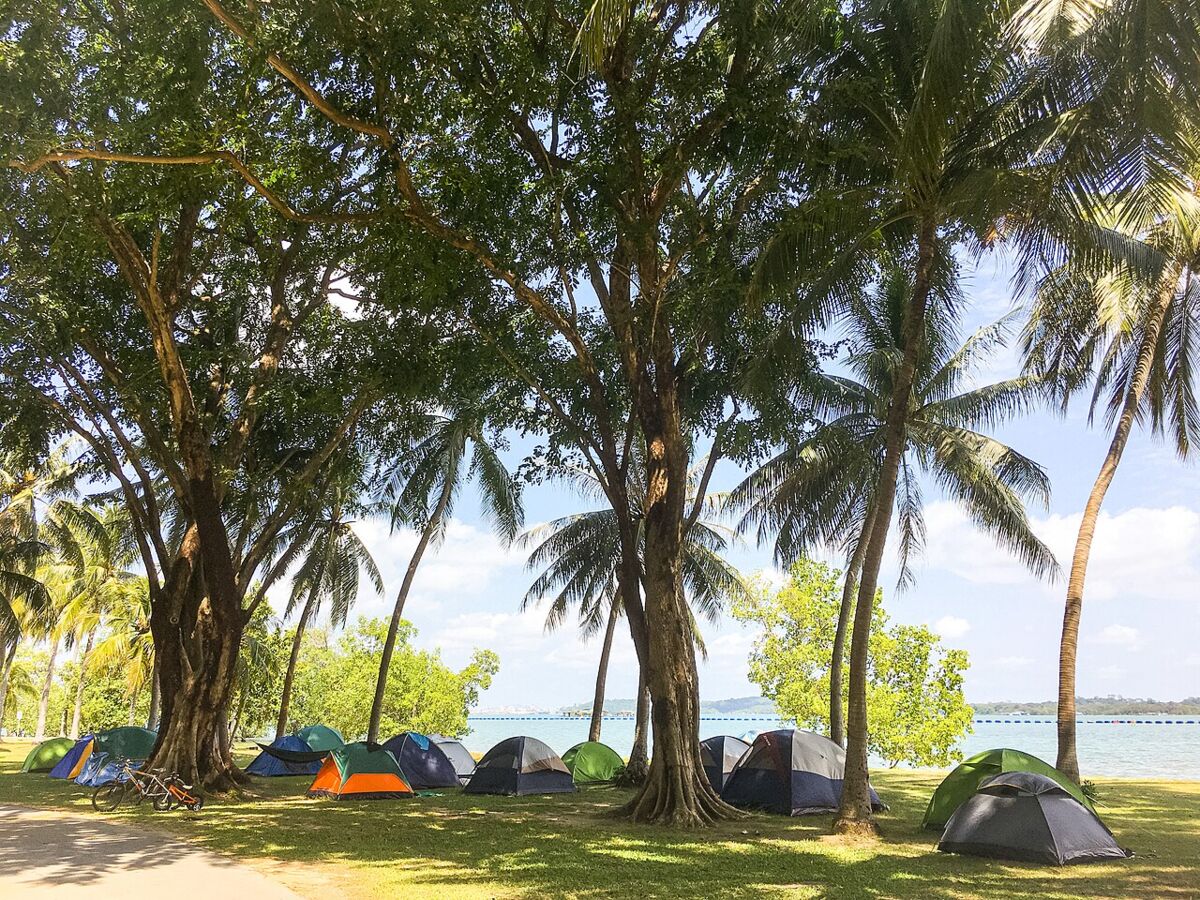
The honest answer is range. Most Singapore parks do one thing well. Pasir Ris does about six, and you can stitch them together without ever moving the car. NParks describes the park as covering around 70 hectares stretching over 3.2km of coast, divided into numbered areas that each have their own car park, toilets and greenery. That layout is the secret weapon for parents: park near whatever you came for and stay in that pocket rather than route-marching the whole length.
The headline draws are the big timber playground, the 6-hectare mangrove forest and the beach, but tucked in alongside them are a Maze Garden, a Kitchen Garden and a Butterfly Garden, so a single morning can swing from sandy chaos to slow nature spotting. If you are building a list of outdoor mornings, it pairs nicely with our Admiralty Park guide for slide fans and our Bedok Reservoir Park guide for another flat, breezy cycle.
The giant adventure playground (Area 3)
For most families this is the reason you came. The big outdoor playground sits in Area 3 towards the Jalan Loyang Besar end of the park, near the Car Park D and E side, and it is regularly named among the largest in Singapore. What matters for parents is not the bragging rights but the spread: it is built across several zones rather than one cluster, so a cautious three-year-old and a fearless eight-year-old can both find their level without colliding.
Expect tall climbing nets and rope structures, a stack of slides, themed play stations and generous sandpits, plus an outdoor rock-climbing wall for the braver ones. The soft sand underfoot is forgiving for new walkers, and the open timber design keeps it from feeling like a plastic pen. Right beside it is the Maze Garden, a hedge labyrinth that is brilliant for a round of hide-and-seek once the climbing energy runs low. A few honest tips from experience:
- Pack for sand, not just sun. A change of clothes, a bag for gritty shoes and wet wipes are non-negotiable. A bottle of water for rinsing feet saves your car seats.
- Stake out shade early. There is natural shade around the edges, but prime spots go fast on weekend mornings. A picnic mat plus a pop-up shade buys you a comfortable base.
- Mind the heat. Dark surfaces get hot under midday sun, so the playground is far more pleasant before about 11am or after 4pm.
- The rock wall suits older kids. Younger ones gravitate to slides and sand while school-agers test the climbing wall and higher nets.
The mangrove boardwalk and bird-watching tower
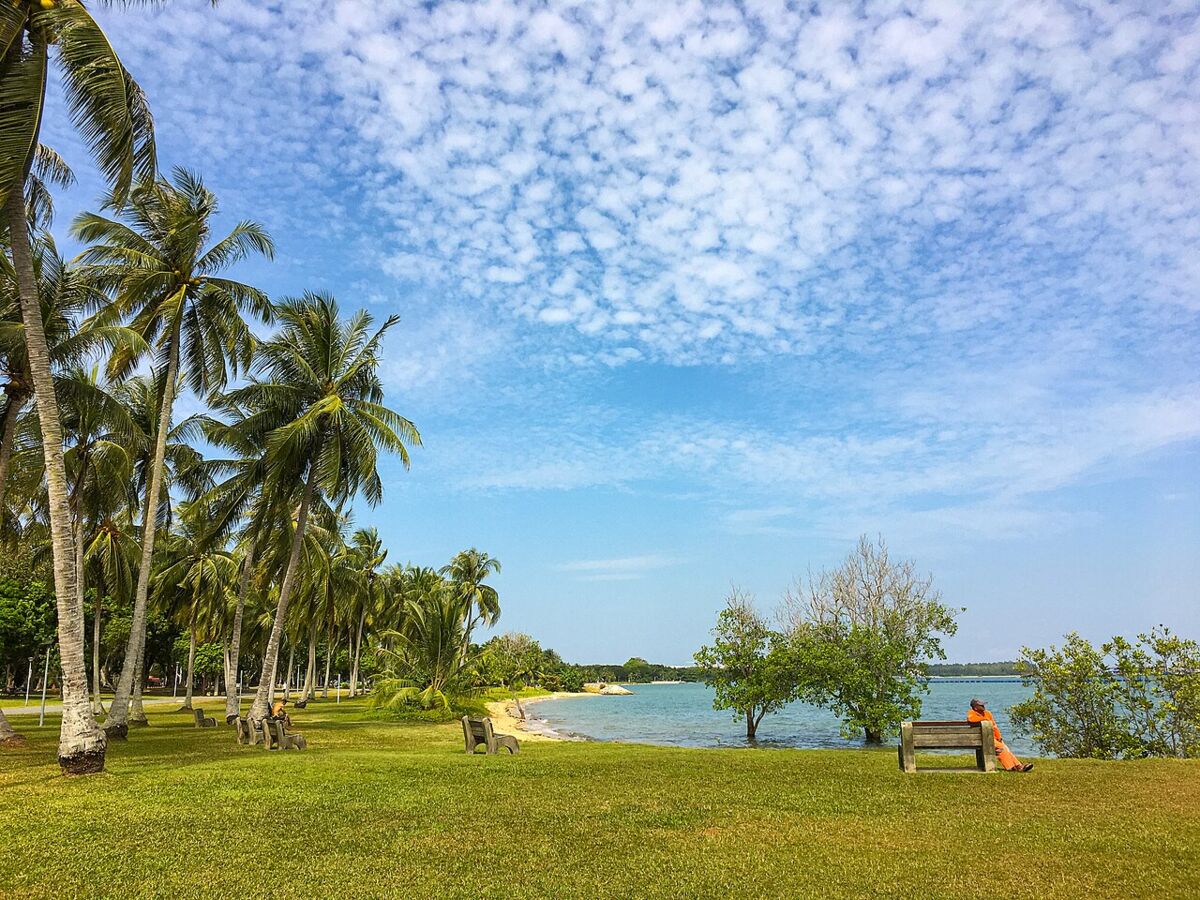
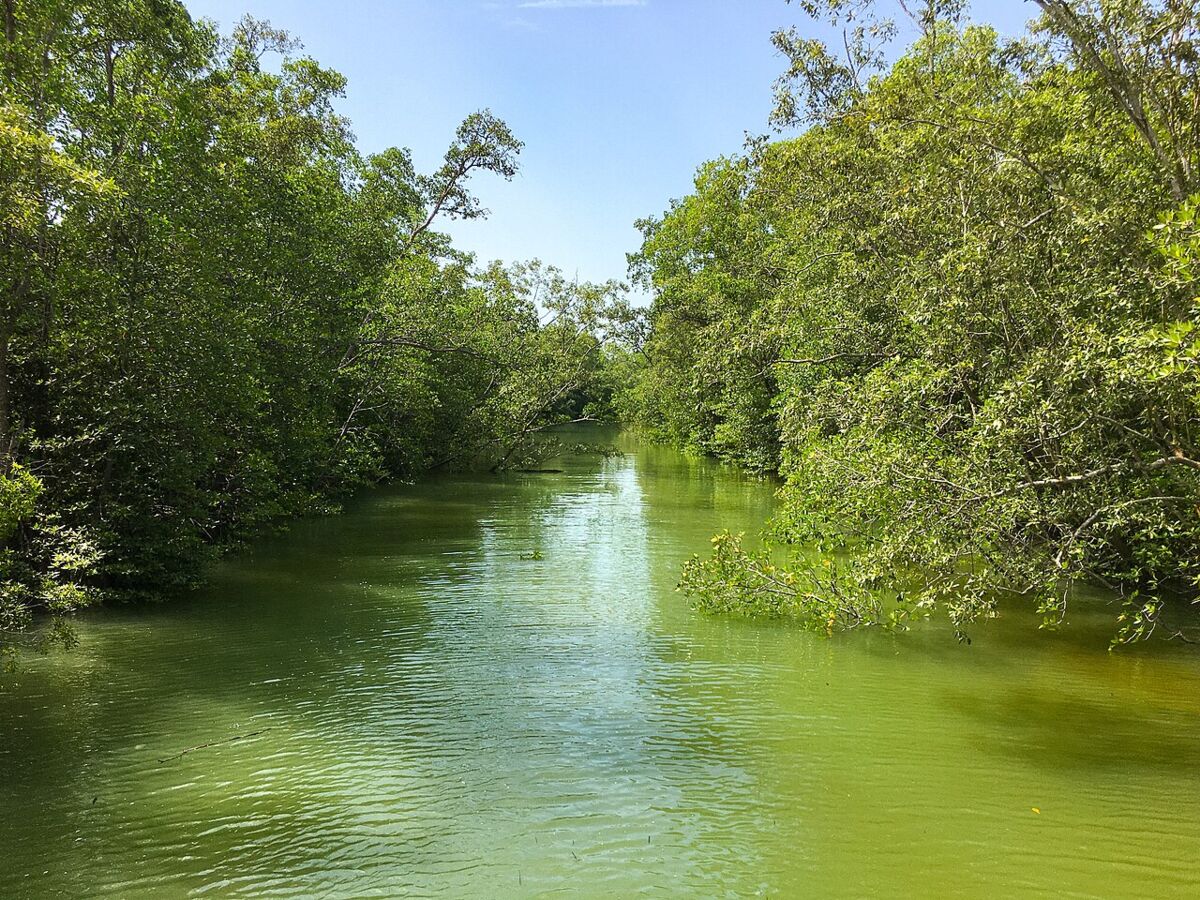
When the playground has done its job, the mangrove is the perfect reset. Pasir Ris protects one of the last accessible mangrove patches in Singapore, a 6-hectare forest you can walk right into on an elevated boardwalk. NParks puts the mangrove trail at about 1.5km, and the good news for parents is that it is largely flat and stroller-friendly, so a pram and a baby carrier both work fine. You wind past tangled breathing roots and mudflats where, at low tide, mudskippers flick across the surface and crabs scuttle up the trunks. It is slow, muddy, mesmerising stuff that small children adore, and it doubles as a free nature lesson without anyone realising they are learning.
The trail connects to a 3-storey bird-watching tower that lifts you towards the canopy for a proper look over the wetland. According to NParks you might spot the White-collared Kingfisher and Black-naped Oriole year-round, with the Blue-throated Bee-eater passing through roughly between April and September, while the mud below has Giant Mudskippers and Mud Lobster mounds. Bring a cheap pair of binoculars and it turns a walk into a hunt. For a route and trail map, see the official NParks Pasir Ris Park page. A couple of practical notes:
- Low tide is prime time. The mudskippers and crabs are most active when the mud is exposed, so a quick check of the tide before you go pays off for wildlife spotting.
- Cover up against mosquitoes. Mangrove plus dusk equals bites. Repellent before you set off beats scratching afterwards.
- No cycling on the boardwalk. It is a walking trail, so park the bikes and go on foot through this stretch.
The beach, kayaking and water sports
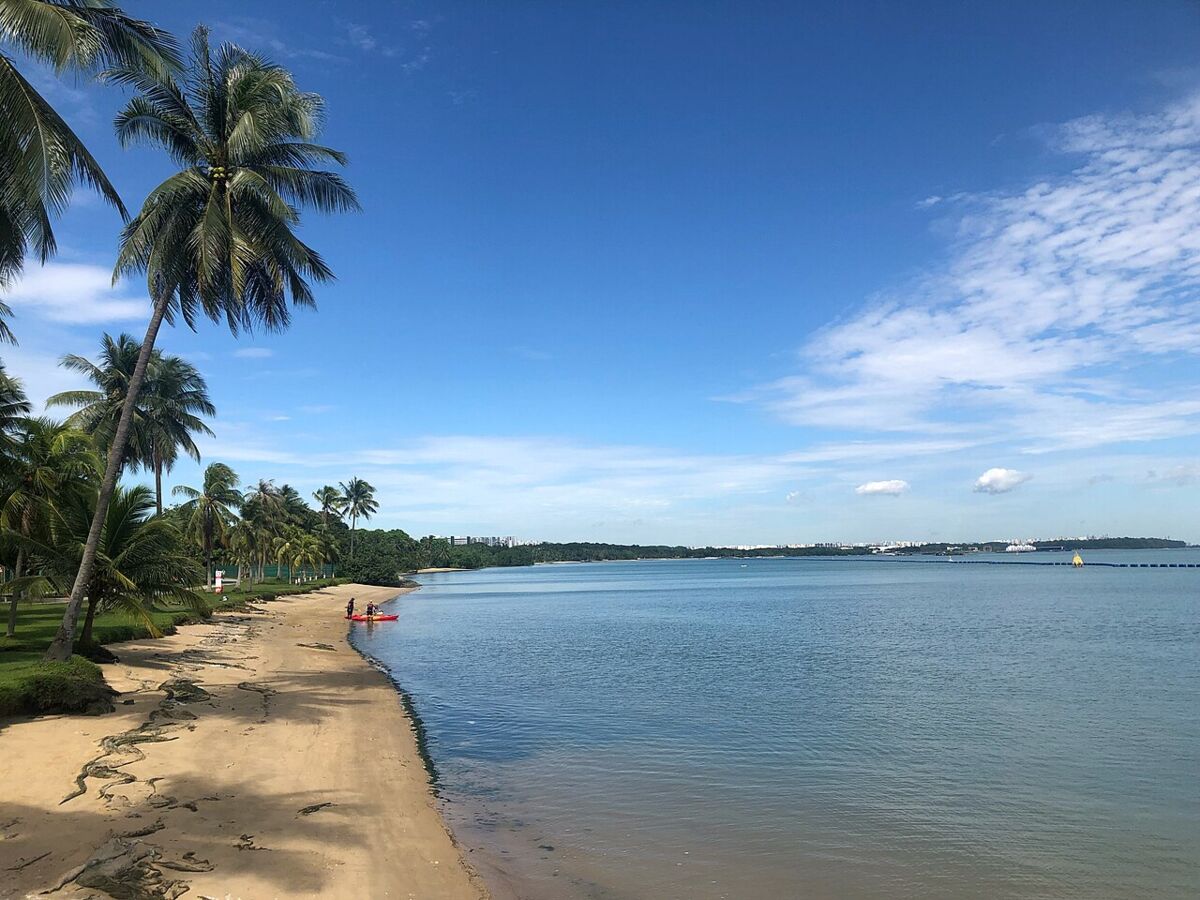
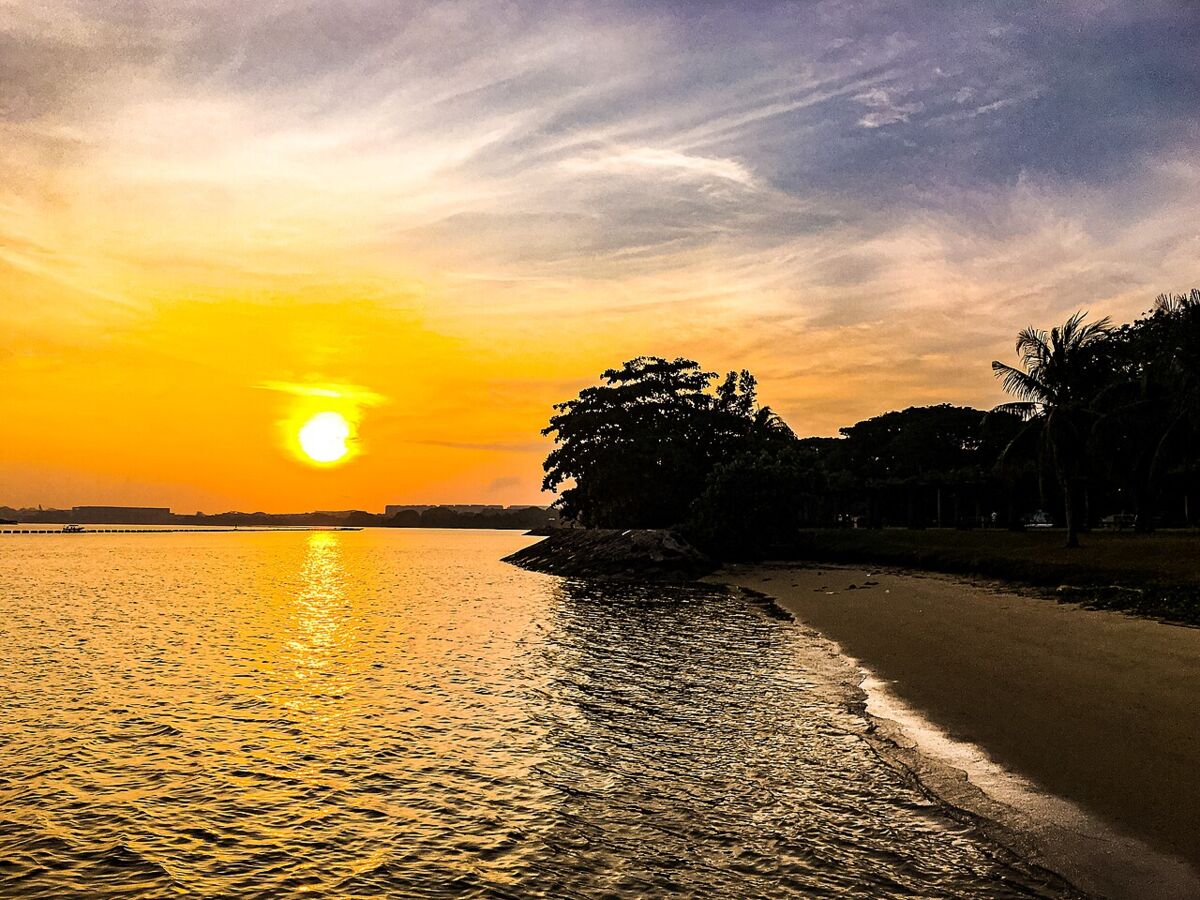
Pasir Ris Beach runs the length of the park along the seafront, a long sandy stretch that feels noticeably calmer than the East Coast crush. With views towards Pulau Ubin and the planes on approach to Changi, it is made for paddling, sandcastles and a slow afternoon rather than a packed day-tripper scene. It is not a patrolled swimming beach, so treat the water as a place to wade and dig at the edge with little ones close by, not a place to swim laps.
For older kids and confident families, water sports operators along the park rent kayaks and stand-up paddleboards, and run sailing and other on-water activities from the waterfront. Sessions, minimum ages and prices vary by operator and season, so book and confirm directly with the operator before you go rather than turning up and hoping. If your crew loves a physical challenge on land too, our kids climbing and bouldering guide is a natural follow-up to the park's outdoor rock wall.
Pony rides and cycling
Just beside the park near Downtown East is Gallop Stable, where children can meet, feed and ride ponies and horses. It is a firm favourite with younger kids who are obsessed with animals. Feeding sessions, pony rides and lessons are paid activities with their own minimum ages, so check the current offerings and rates directly on the Gallop Stable website before you build it into your plan.
On wheels, you can hire bikes from a cycle-rental operator within the park, and Pasir Ris sits on the Park Connector Network as part of the Eastern Coastal Loop, so confident riders can roll on towards Loyang and beyond. As rough guidance, expect adult bikes from around $8 to $12 an hour, children's bikes a little less, and child-seat or family bikes more, but treat that as a ballpark only, because rates and the bikes on hand change. Confirm the current rental location and prices with the operator on the day, and pack your own helmets if you have them, since the right child size is not guaranteed.
BBQ pits by the sea, and how to book
A seafront barbecue is one of the most loved Pasir Ris traditions, and the park has 65 BBQ pits scattered along the beachfront. These are not first-come-first-served on busy days: they are bookable and paid, and the official channel is the AXS system. You reserve and pay for a pit through the NParks booking pages on the AXS website (axs.com.sg) ahead of your visit, and you can also book at an AXS station. Because fees and slot availability change, confirm the current pit fee and rules at the time of booking rather than relying on a figure from a blog. A few things parents tend to learn the hard way:
- Book ahead for weekends and school holidays. The seafront pits go quickly, so reserving online before you go is the safe move.
- Bring your own everything. Charcoal, lighter, tongs, food and a cooler are on you, and plan shade over the eating spot, not just the pit.
- Pair it with the playground. Pits near the Area 3 end let the kids run between sandpit and grill while you cook.
- Clear up fully and take your rubbish out for the next family.
What is nearby: Downtown East and Wild Wild Wet
One of the smartest things about Pasir Ris Park is that it backs onto Downtown East, which turns a fair-weather outdoor park into an all-weather day out. You can spend the morning on free outdoor play and pivot to paid, sheltered fun in the afternoon without moving the car. Downtown East is home to Wild Wild Wet, one of Singapore's largest water parks, with slides and pools for everyone from toddlers to thrill-seekers. Opening days and ticket prices change seasonally, so check the Wild Wild Wet website before you commit.
This is also your rainy-day insurance. Pasir Ris Park is largely an outdoor plan, and a tropical downpour can shut down beach and playground in minutes. Downtown East has indoor dining and entertainment to wait it out, and for food there are eateries within the complex plus the nearby Pasir Ris hawker centre. If the forecast looks grim from the start, it can be worth flipping the day entirely indoors, and our best playgrounds in Singapore roundup has covered options to fall back on. For more outings, the Fussy Mama blog is full of family ideas across the island.
Getting there and parking
By public transport, the easiest route is the MRT to Pasir Ris MRT (EW1) on the East-West Line. From the station it is a walk towards the park, with the beach and Area 2 mangrove side a little further in, so factor roughly 15 to 20 minutes on foot to reach the heart of the park, or hop on a connecting bus to shorten it with tired legs. Drivers will find several numbered car parks across the park, a mix of free and paid, but they fill fast on weekends and public holidays, so an early start genuinely changes your day.
- By MRT: alight at Pasir Ris (EW1) and walk in, or take a short connecting bus towards the park if you are heading to the far end.
- By car: car parks sit at the numbered areas, with some free and some paid. Aim to arrive before mid-morning on weekends to get a spot near your target area.
- Strollers and prams: the main paths and the mangrove boardwalk are largely flat, and NParks lists the park as wheelchair accessible and elderly friendly, so a standard stroller copes well in most areas.
- Always check before you go: confirm current parking, opening details and any closures on the official NParks Pasir Ris Park page.
Good to know before you go
A little prep is the difference between a golden day and a meltdown. Pasir Ris is generous on facilities compared with a wilder park, but it is big and exposed in places, so pack like you mean it.
- Sun kit first. Sunblock, hats, plenty of water and a picnic mat. Shade is decent near the trees but the midday coastal sun is fierce.
- Plan for sand and water. A change of clothes, a plastic bag for wet or sandy gear, and wet wipes will all get used.
- Repellent for the mangrove. Mosquitoes are active near the boardwalk and at dusk, so apply before you go in.
- Facilities are spread out. Toilets, bike hire and car parks sit across the numbered areas, so settle in one pocket rather than wandering the whole 3.2km with toddlers.
- Time it well. Early mornings and late afternoons are coolest, quietest and best for parking and wildlife.
- Book and verify the paid extras via AXS for BBQ pits, and check pony-ride, bike-rental, water-sports and Wild Wild Wet prices on the official sites, since these change.
Frequently asked questions
Is Pasir Ris Park free to enter?
Yes. The park itself is a free public park managed by NParks, including the big playground, the mangrove boardwalk, the bird-watching tower and the beach. You only pay for optional extras: pony rides at Gallop Stable, bike hire, water sports, BBQ pit bookings and Wild Wild Wet are all separate and priced by their operators.
How big is Pasir Ris Park and how long should we spend there?
NParks describes it as around 70 hectares stretching over 3.2km of coast, so it is one of the larger parks in Singapore. Allow at least half a day. Many families do the playground and a picnic in the morning, then the mangrove boardwalk, a bike ride or a Downtown East activity in the afternoon.
How do I book a BBQ pit at Pasir Ris Park?
The park has 65 seafront BBQ pits, which are bookable and paid through the NParks booking system on AXS. You reserve and pay online via axs.com.sg, or at an AXS station, before your visit. Fees and availability change, so confirm the current pit fee at the time of booking, and reserve early for weekends and school holidays when pits go fast.
Is the mangrove boardwalk suitable for strollers and toddlers?
Yes. The mangrove boardwalk is an elevated trail of about 1.5km that is largely flat and pram-friendly, and the main park paths are too. NParks lists the park as wheelchair accessible and elderly friendly. A standard stroller works in most areas, though a baby carrier is handy if you want to lift a sleeping toddler over the busier stretches.
What is the best age range for Pasir Ris Park?
It genuinely spans toddlers to tweens. The sandpit and slide zones of the playground suit younger children, the rope climbs and outdoor rock wall suit school-agers, and cycling plus water sports keep older kids and tweens engaged. Pony rides at Gallop Stable are a hit with the youngest animal lovers, subject to the operator's minimum ages.
What is the rainy-day backup?
The park is mostly an outdoor plan, so a downpour can cut a beach-and-playground day short. The easy pivot is Downtown East right next door, which has sheltered dining and entertainment, plus Wild Wild Wet if everyone is happy to get wet anyway. If the forecast is bad from the start, consider flipping the whole day to an indoor option instead.
Pack for sun and sand, book the BBQ pit ahead, keep the playground for the cooler hours and leave room for a slow mangrove wander, and Pasir Ris Park delivers exactly what a big family day out should: free, varied, breezy and the kind of place kids ask to go back to.

Admiralty Park Family Guide: Singapore's Playground With the Most Slides
Family guide to Admiralty Park, the Singapore playground with the most slides. Play zones by age, inclusive swings, mang...
11 min read
Archery in Singapore: A Family Guide to Beginner Sessions for Kids
Archery in Singapore for families: how beginner sessions work, suitable ages for kids, indoor vs outdoor ranges, safety ...
9 min read
ArtScience Museum Family Guide: Future World, Tickets and Tips for Singapore Parents
A Singapore parent's guide to the ArtScience Museum: Future World with kids, tickets, the Family Friday free-child deal,...
9 min read