

Phuket With Kids: A Family Holiday Guide From Singapore
In this article
- Why Phuket works so well for Singapore families
- Which beach area to base yourself in
- Getting around Phuket safely with kids
- Things to do in Phuket with kids
- Passports, entry and travel admin
- Heat, food and water
- Tips by age: babies and toddlers vs older kids
- Budgeting and what to pack
- Frequently Asked Questions
A short flight, soft sand and a pool the kids refuse to leave by dinnertime. That is exactly why Phuket with kids is one of the gentlest first beach holidays a Singapore family can take. The flying time is roughly two hours, the food is familiar enough that even fussy eaters find something they like, and you can dial the trip up or down for a baby, a toddler who naps like clockwork, or older kids who want a water slide and a boat ride. This guide is for SG parents weighing the practical reality: where to base yourself, how to get around safely, what is worth doing, and the heat, water and transport details that trip families up.
Why Phuket works so well for Singapore families
The headline reason is the short hop. The direct flight from Changi to Phuket is commonly cited at around two hours, about as forgiving as a beach escape with young children gets, and several carriers run non-stop. Because schedules and fares shift with the season and the airline, check current flights directly rather than treating any single number as fixed, and book early for the June, September and December school holidays when seats fill fast.
Once you land, the island is set up for families: plenty of resorts run kids' clubs, big shallow pools and family rooms, the calmer beaches slope gently into the water, and day trips are short. Phuket also keeps the same clock as Singapore, so there is no jet lag, which matters enormously when a toddler's body clock runs the schedule. It also tends to stretch a family budget further than a beach holiday closer to home. If you are still comparing short-haul options, our Bali with kids guide and our Hua Hin family guide weigh the same trade-offs.
Which beach area to base yourself in
Where you stay shapes the holiday far more than which resort you book, because Phuket's west coast is really a string of very different neighbourhoods. The busiest one is rarely right for a family with small children, so choose the area first and the room second.
Kata and Karon: the classic family picks
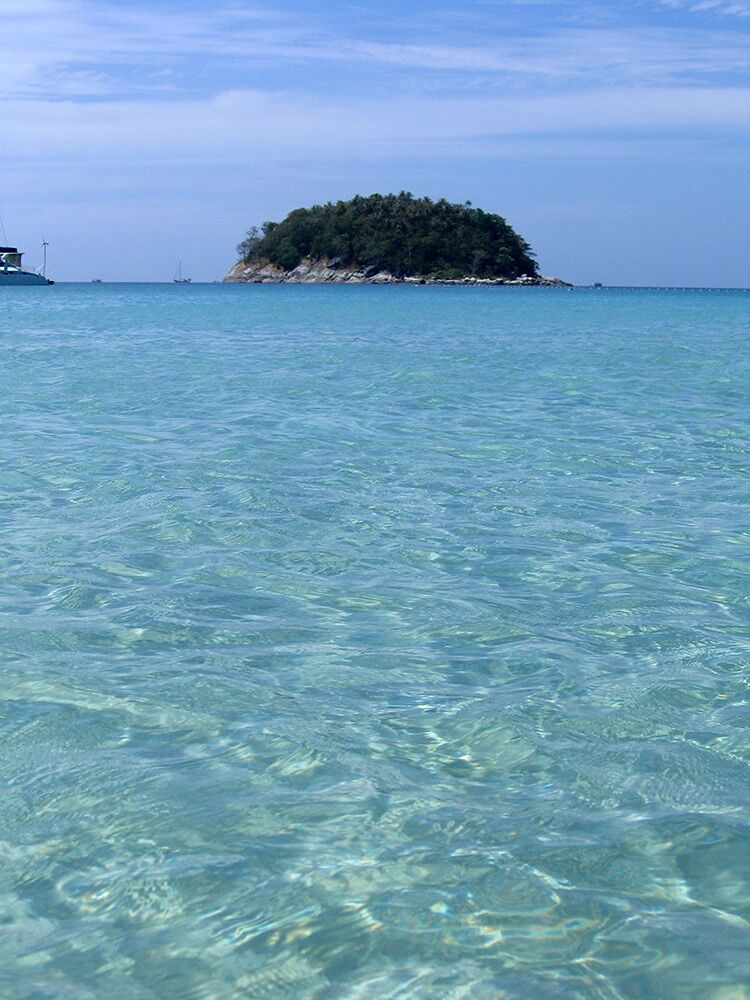
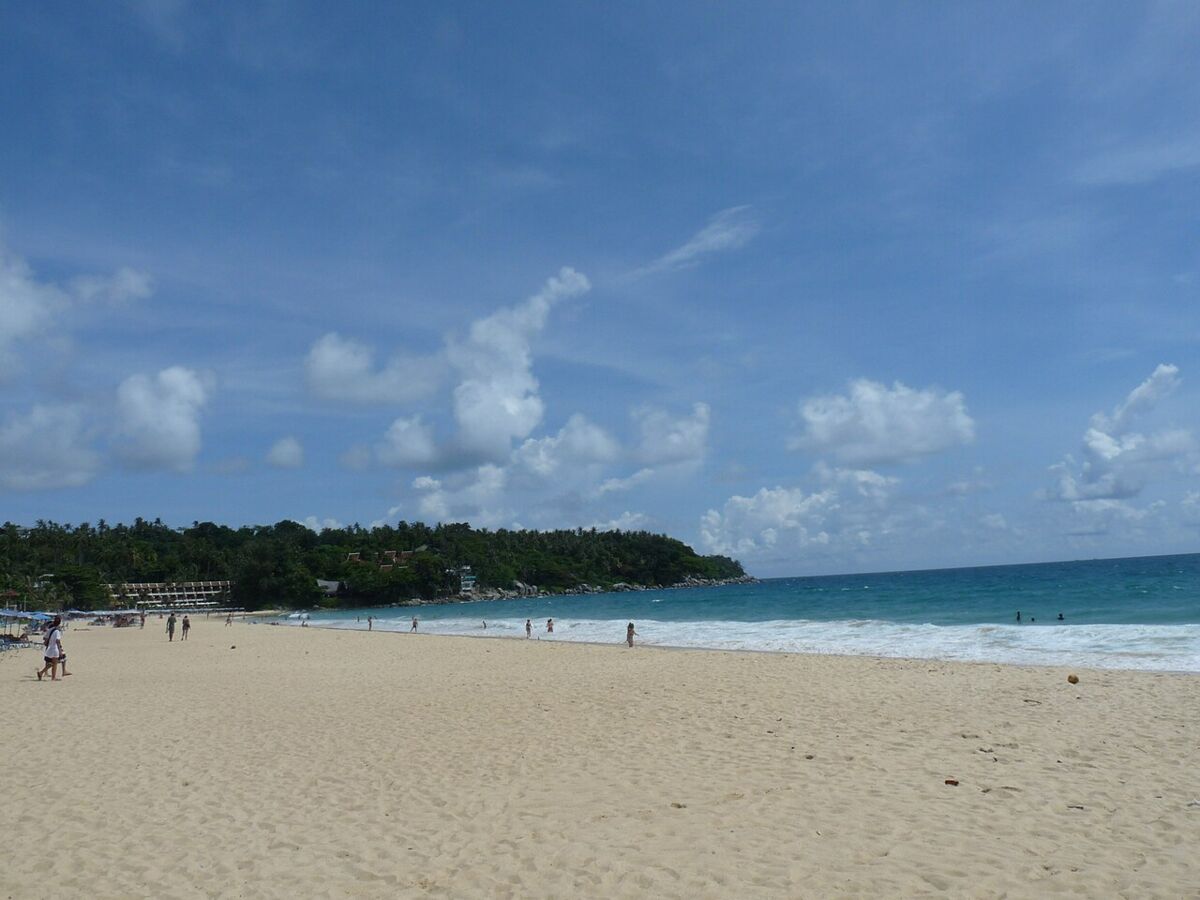
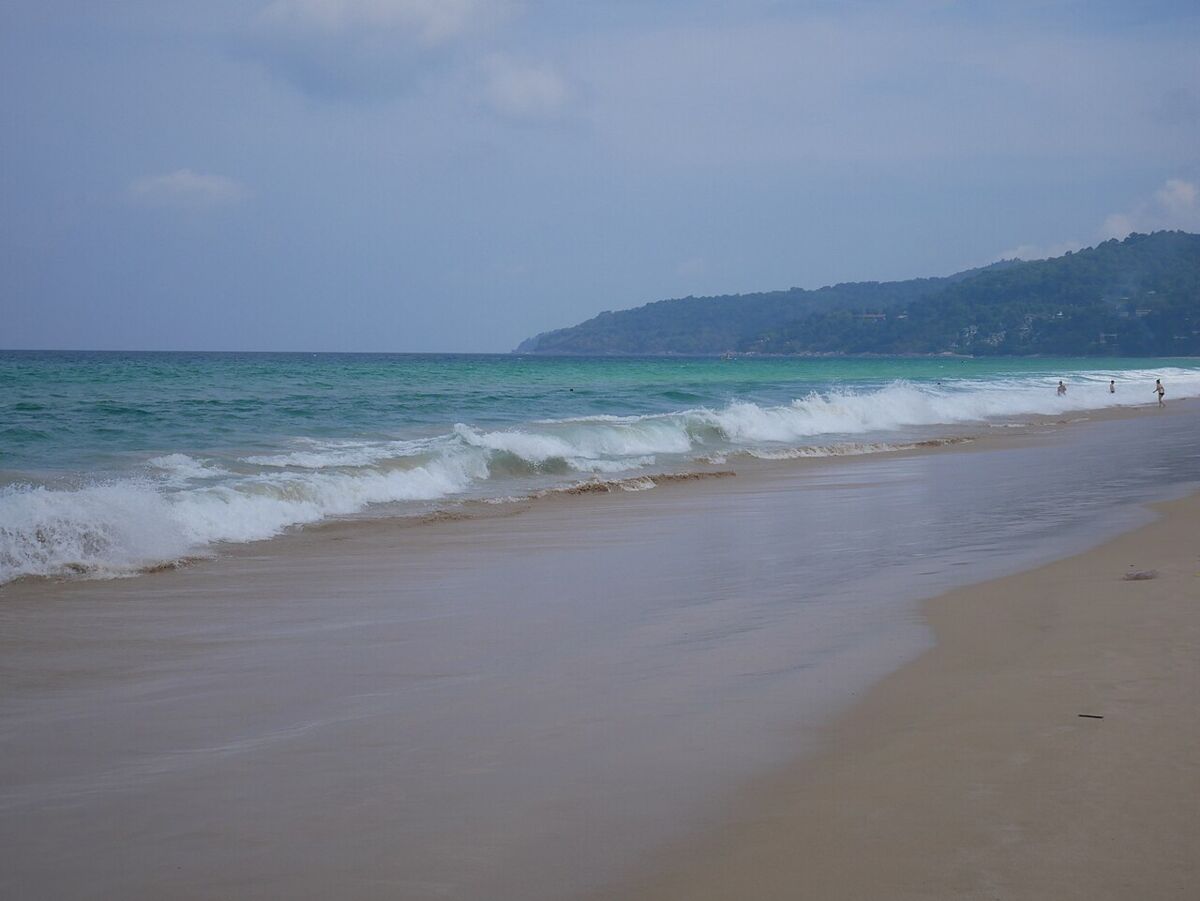
South of Patong and noticeably calmer, Kata and Karon are the areas most SG parents end up loving. Karon has a long, soft-sand beach with a gentle slope into the water, ideal for paddling and first sea swims, while Kata offers easy access, sunset views and gentle waves on calm days. Both have family restaurants, pharmacies and convenience stores within walking distance, so you are not taxiing every time you run out of nappies. These areas suit babies, toddlers and cautious young swimmers especially well.
Kamala, Bang Tao and Nai Yang: quieter and more spacious
For a slower pace and more room, look north. Kamala is laid-back with several larger family resorts; Bang Tao is a long, broad stretch with resorts that lean into kids' clubs and pools; and Nai Yang, near the airport, is one of the calmer beaches and handy for a short transfer with a tired baby. The trade-off is that you will taxi to most attractions, so these suit families happy to settle into resort life rather than dart around the island.
Patong: lively, central, and not for little ones
Patong is the nightlife and shopping hub: central and convenient, with the widest choice of restaurants and the busiest beach, but the late-night bar scene and crowds make it the least suitable base for young children. Most families with toddlers sleep better a few beaches south.
Whichever beach you choose, watch the flags every day. A red flag means the sea is unsafe to swim, and during the green season strong rip currents can appear even when the water looks inviting. Keep little ones in the shallows, swim only where it is flagged safe, and never let children swim unsupervised.
Getting around Phuket safely with kids
Phuket is bigger than the map suggests and the attractions are spread out, so most families lean on taxis, ride-hailing or pre-booked transfers. The detail every parent needs up front: standard taxis and ride-hailing cars usually do not carry child car seats. If your child needs one, bring your own or book a transfer service that supplies certified seats, and confirm in advance. Our guide to car seats in Singapore helps you decide whether a travel-friendly seat is worth packing.
- Airport transfers. The airport sits in the north, so the drive to southern beaches like Kata and Karon often takes an hour or more. Pre-booking through your hotel saves negotiating and hunting for a car seat with overtired kids.
- Grab and taxis. Ride-hailing apps operate in Phuket and remove most of the haggling. For taxis, agree the fare or confirm the meter before you set off.
- Scooters: think hard. They are cheap and common, but Phuket's roads, traffic and weather make two wheels a genuine risk, and they are no way to carry children. Stick to taxis and transfers.
- Seatbelts. Buckle up in every vehicle, keep babies and toddlers in a proper restraint rather than on a lap, and avoid open-back songthaews with very small children.
Things to do in Phuket with kids
You do not need a packed itinerary. A rhythm of pool or beach mornings, a quiet lunch, naps, and one gentle outing a day keeps everyone happy far longer than three attractions crammed into a sweaty afternoon.
- Beach and pool days. The simplest pleasures usually win. Calm bays like Karon are made for sandcastles and a first sea swim, while a shallow resort pool is where toddlers happily spend hours. If your kids love a slide, a half-day at one of the island's water parks adds adrenaline; confirm hours and tickets first.
- Ethical elephant sanctuaries, observation only. Phuket has several no-ride, no-show sanctuaries where rescued elephants roam and visitors observe respectfully. Choose responsibly: look for a reputable, accredited sanctuary that follows no-riding and no-bathing practices and does not make the animals perform. Avoid any operation offering rides or shows.
- Aquariums and rainy-day backups. Keep indoor and shaded options ready for hot afternoons or monsoon showers. The Phuket Aquarium at Cape Panwa, run under Thailand's fisheries authorities, suits younger children, and larger resorts often add splash pools and supervised kids' clubs. Confirm hours on the official site first.
- Old Town and easy day trips. Phuket Old Town is a walkable change of pace, with colourful Sino-Portuguese shophouses and cafes, best in the cooler morning. For older, confident children a calm-day island boat trip can be a highlight: book a small, well-reviewed operator, go only in clear weather, and make sure children's-size life jackets are worn. Skip boats with very young toddlers, and never head out on a rough sea.
Passports, entry and travel admin
Singapore passport holders can currently visit Thailand for tourism without a visa for short stays, with the exact length set by Thai immigration policy. Because that visa-free period can change, always confirm the current rule before you fly on the official Singapore Ministry of Foreign Affairs Thailand travel page rather than relying on a friend with a different passport.
- Passport validity. Each traveller's passport, children included, should be valid for at least six months from your entry date. New child passports and that six-month rule catch out more families last-minute than almost anything else, so check every expiry early.
- Thailand Digital Arrival Card (TDAC). Non-Thai arrivals must submit the online TDAC before entering Thailand. It is free and should be completed for every family member at the official site, tdac.immigration.go.th. Beware of lookalike sites that charge a fee for a free government form.
- Documents and insurance. Have proof of onward travel and your accommodation booking ready, and take out family travel insurance covering medical care, kids included, before you go.
Heat, food and water
Phuket is hot and humid year-round, and a few sensible habits keep small bodies comfortable. None of this needs to be a worry, just a routine.
- Sun and heat. Pack reef-safe sunscreen, wide-brim hats and rash vests, reapply after swimming, keep water bottles topped up, and retreat to shade or air-conditioning in the hottest hours. Babies under six months should stay out of direct sun entirely.
- Food hygiene. Thai food is delicious and surprisingly kid-friendly, but ease younger children in gently. Choose busy, freshly-cooked stalls, go easy on chilli and raw items, and be cautious with food left sitting out.
- Drinking water. Stick to bottled or filtered water for drinking and brushing teeth, and ask for drinks without ice if unsure of the source.
- A small first-aid kit. Rehydration salts, plasters, child paracetamol, insect repellent and any regular medicines beat hunting for a pharmacy with a feverish toddler at 11pm.
Tips by age: babies and toddlers vs older kids
The same destination plays very differently depending on who you travel with, so plan around your youngest. With babies and toddlers, lean into calm: base yourself somewhere quiet like Kata, Karon or Nai Yang, pick a resort with a shallow pool, a family room and ideally a cot, build the schedule around naps, pre-arrange a car seat, and do not over-plan. School-age kids open up the adventurous side: a calm-day boat trip, water-park slides, an ethical elephant visit, and a morning in Old Town. They are also old enough to learn the beach-flag rules and basic sea safety, worth teaching directly. Flying with a little one for the first time? Our Changi Airport with kids guide covers the departure end of the trip.
Budgeting and what to pack
It is hard to put exact figures on a trip when fares, rooms and the exchange rate move constantly, so treat this as a framework, not a quote. Flights, accommodation and transfers are your biggest costs, and all three swing sharply with timing: travelling outside the SG school holidays or in the quieter green season can cut them noticeably, while peak December and June weeks cost the most. Eating at local restaurants keeps food costs gentle, and a contingency buffer helps.
On packing, a short list beats overpacking. The items that earn their place are reef-safe sunscreen, hats, rash vests and water shoes; a car seat if your child needs one; a compact first-aid kit; familiar snacks and any formula you rely on; and a dry bag for boat days.
Frequently Asked Questions
Is Phuket good for toddlers and babies?
Yes, with the right base. Stay somewhere calm like Kata, Karon, Kamala or Nai Yang, choose a resort with a shallow pool and a family room, and keep the schedule relaxed around naps. The short flight and absence of jet lag make Phuket genuinely manageable even with very young children.
How many days should we plan?
Four to five nights is plenty for a relaxing first trip, with most days at the beach or pool and one or two gentle outings. A full week suits families who want a slower pace or more time to settle in.
When is the best time to visit Phuket with kids?
The dry season, roughly November to April, brings the calmest seas and the most reliable beach weather, which makes it the easiest window for families. The green season, roughly May to October, is cheaper and quieter but the sea can be rough, so heed the flags and supervise children closely. Check the forecast and sea conditions close to your dates either way.
Do we need to book activities in advance?
For popular ethical elephant sanctuaries and boat trips, booking ahead is wise, especially over the school holidays. For beaches, pools and water parks you can usually decide day by day based on the weather.
Is the sea safe for children in Phuket?
It can be, on the calmer beaches and in the dry season, but it is not guaranteed. Rip currents are a real risk, especially in the green season, so always check the beach flags, swim only where it is flagged safe and a lifeguard is present, and never let kids swim unsupervised. A resort pool is the safer bet for the youngest swimmers.
Whichever beach you settle on, the formula stays the same: a calm base, an unrushed pace, sensible sun and sea habits, and one good outing a day. Confirm flights, entry rules, resort details and sea conditions when you book, and reconfirm venue hours on the official site close to your dates. For more short-haul ideas, browse our wider family travel guides, then let Phuket do what it does best for SG families: make a beach holiday feel genuinely easy.

Babymoon Singapore: when to go, where to stay and how to travel safely
Planning a babymoon Singapore mums-to-be will love? See the best trimester to travel, staycation vs short-haul ideas, an...
9 min read
Bali With Kids: A Family Holiday Guide From Singapore
Planning Bali with kids from Singapore? The short flight, entry rules, best family areas, things to do, and real parent ...
11 min read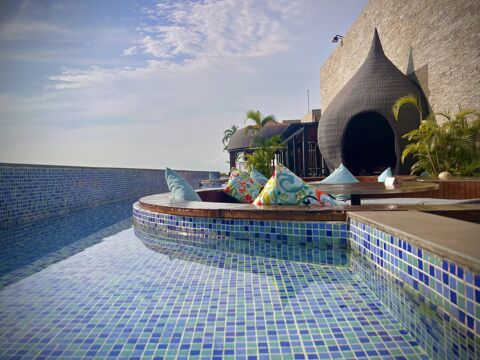
Batam With Kids: A Family Getaway Just a Ferry Ride From Singapore
Planning Batam with kids? Our family guide covers the short ferry from Singapore, resorts with pools, things to do, mone...
11 min read