

Best Car Seats in Singapore: A Parent's Buying and Safety Guide
In this article
A car seat is one of the rare baby buys where getting it wrong genuinely matters, and one of the most confusing, because parents get hit with ISOFIX, i-Size, rear-facing, convertibles and boosters all at once on three hours of sleep. This guide is for any Singapore family who drives, rides in grandparents' cars, or takes taxis and private-hire with a little one. We will cover the law plainly, the stages your child moves through, the non-negotiable safety points, what to look for when buying, and how to fit the seat with confidence. One principle from the start: buy new whenever you can, and never use a seat with an unknown past.
The Singapore car seat law, explained simply
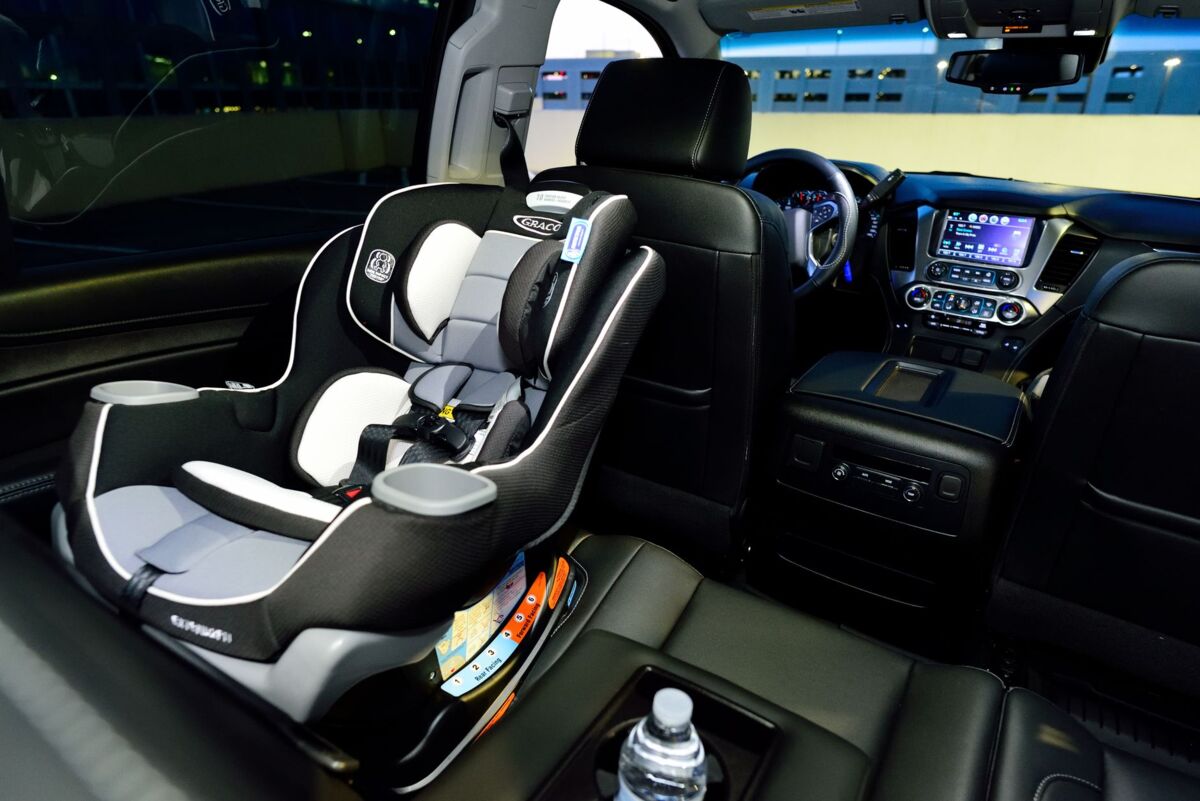
In Singapore the rule for child restraints is built around height, not age. A child below 1.35 metres tall must be secured in an appropriate child restraint suited to their height and weight when travelling in a car; once a passenger reaches 1.35 metres or taller, the adult seat belt is used instead. Because it is a height rule, a tall seven-year-old may move to the adult belt while a smaller child the same age still needs a booster, so go by your child's actual height, not their age.
The driver is responsible for making sure every child below 1.35 metres is properly restrained. Non-compliance is an offence and currently carries a fine and demerit points, with heavier penalties possible in court. Because the exact figures can change, treat any number you read online as a guide and confirm the current penalty directly with the Singapore Police Force / Traffic Police.
What counts as an approved car seat
Your seat must carry an approved safety certification, and Singapore recognises several internationally accepted standards. In a June 2025 review, the Traffic Police added the newer European standard ECE R129 (marketed as i-Size) as an approved standard with immediate effect, and announced that some older British standards and a Japanese standard will stop being accepted from 1 January 2031 after a transition period. Most reputable seats sold here today already meet a current standard such as ECE R44/04 or R129. Confirm a seat is compliant by looking for the standards sticker on the shell, asking the retailer, or checking the manufacturer's information; confirm the current approved list with the Traffic Police when in doubt.
Taxis, private-hire and buses
This is where Singapore parents trip up most. Taxis are generally exempt from the child-restraint requirement, which is why you can take a metered cab home from the hospital without your own seat. Even so, a child without a suitable restraint should sit in the rear, never the front, and a portable seat is far safer than none. Private-hire and ride-hail cars are treated differently from taxis, so do not assume the exemption applies to a booked car; some operators offer family or booster options if arranged ahead. Because these distinctions can change, verify the current position with the operator and the Traffic Police before you travel, especially for a newborn's first trip home.
The stages: rear-facing, forward-facing, then booster
Children move through restraint types as they grow, with transitions set by your seat's weight and height limits, not by birthdays, so always follow the label on your specific seat. Pushing a child to the next stage early is a common and dangerous mistake, because each stage protects the body differently.
1. Rear-facing infant seat
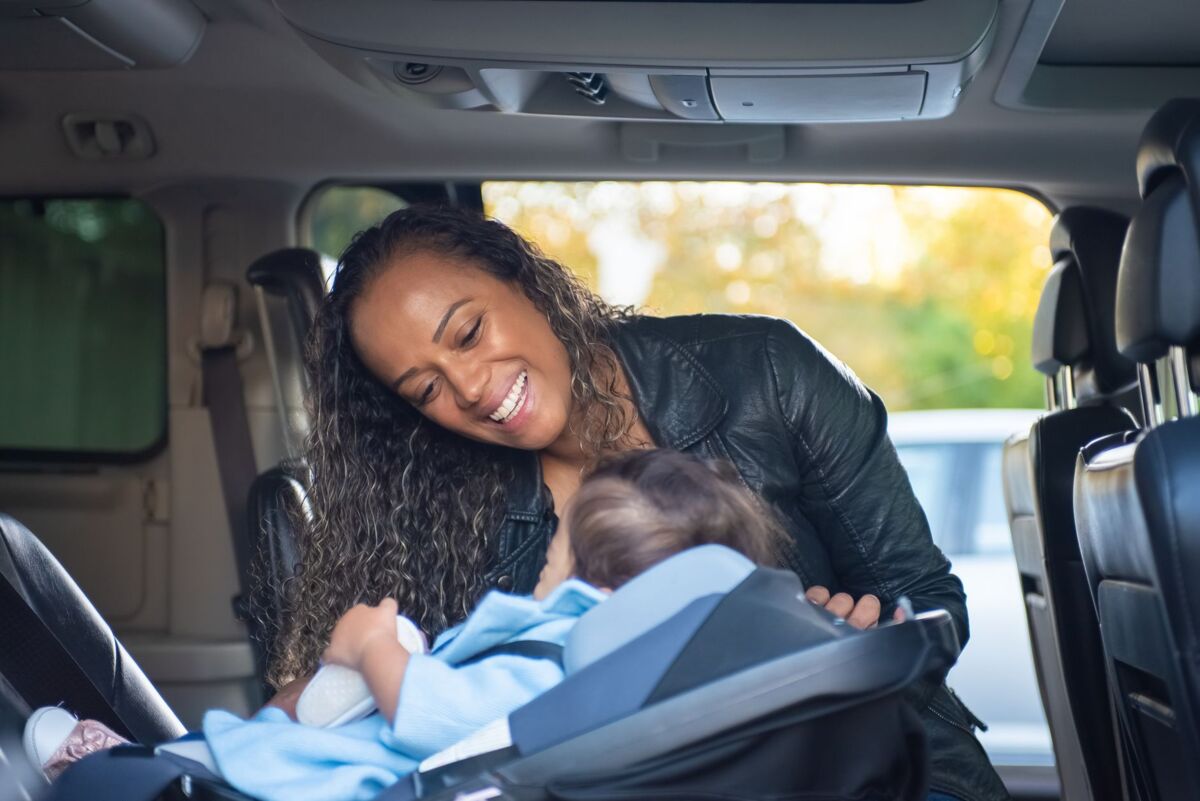
From newborn, your baby rides facing the rear. Rear-facing is the safest position for young children because, in a frontal crash, the shell cradles the head, neck and spine and spreads the force across the whole back; babies have proportionally heavy heads and fragile necks, so this matters enormously. Many parents start with an infant carrier that clicks onto a base in the car and often onto the pram, which makes moving a sleeping baby far easier. Keep your child rear-facing for as long as the seat allows; longer is consistently safer.
2. Convertible and forward-facing seats
A convertible seat is used rear-facing for a baby or younger toddler, then turned forward-facing with its five-point harness once your child outgrows the rear-facing limits. It stays installed in the car, and because one seat can cover several years, convertibles are popular value picks, but only if the model genuinely fits your car and your child. A forward-facing harness holds the body at five points across the shoulders, hips and between the legs, keeping far more crash force off a child than a belt alone could.
3. Booster seat
A booster lifts an older child so the adult belt sits correctly: the lap belt low and flat across the hips, the shoulder belt across the chest and the middle of the shoulder, never across the neck or loose over the tummy. A high-back booster adds side-impact protection and guides the shoulder belt better than a backless cushion. Your child stays in a booster until they reach the height where the adult belt fits on its own, around the 1.35 metre mark.
ISOFIX and i-Size, explained without the jargon
ISOFIX (called LATCH in some American seats) is a set of standard metal anchor points built into the car. An ISOFIX seat clicks directly onto these anchors instead of relying on the seat belt, which removes much of the guesswork and makes it far harder to fit a seat loosely or at the wrong angle. Most cars made in the last decade have ISOFIX points in the gap where the seat back meets the base; check your car's manual. Many ISOFIX seats also use a top tether strap or a support leg that braces the floor, both of which stop the seat tipping forward in a crash.
i-Size is the ECE R129 standard, designed around ISOFIX. It uses your child's height to guide the right stage, includes side-impact testing, and encourages longer rear-facing use. ISOFIX itself is a fitting system, not a legal requirement, so a belt-installed seat that meets an approved standard and is fitted correctly is perfectly safe and legal. But if your car has ISOFIX anchors, an ISOFIX seat is well worth prioritising, because it makes the most common installation errors harder to make.
What to look for when buying
The most expensive seat is not automatically the safest. Any seat that meets an approved standard, fits your car and your child, and is installed properly does the core job; higher prices usually buy convenience features, not crash protection. Here is what genuinely matters.
- An approved standard. Look for the ECE R44/04 or R129 (i-Size) label, or another currently approved standard, physically on the seat. No label, no buy.
- It fits your actual car. A seat can be excellent and still not suit your vehicle, so try the fitting in your own car where possible, especially the recline angle and support-leg clearance.
- It fits your child right now. Match the current height and weight to the seat's range; a seat your newborn swims in, or that your toddler has outgrown, is wrong regardless of reviews.
- Check the expiry date. Car seats expire, typically several years from manufacture, as plastics and foam degrade with Singapore's heat. The date is usually on the shell or a label; do not use a seat past it.
- Be cautious with second-hand seats. A used seat may have been in a crash that left no visible damage but weakened its structure, and you often cannot verify its history, expiry or recall status. New is the safe default.
Common installation mistakes to avoid
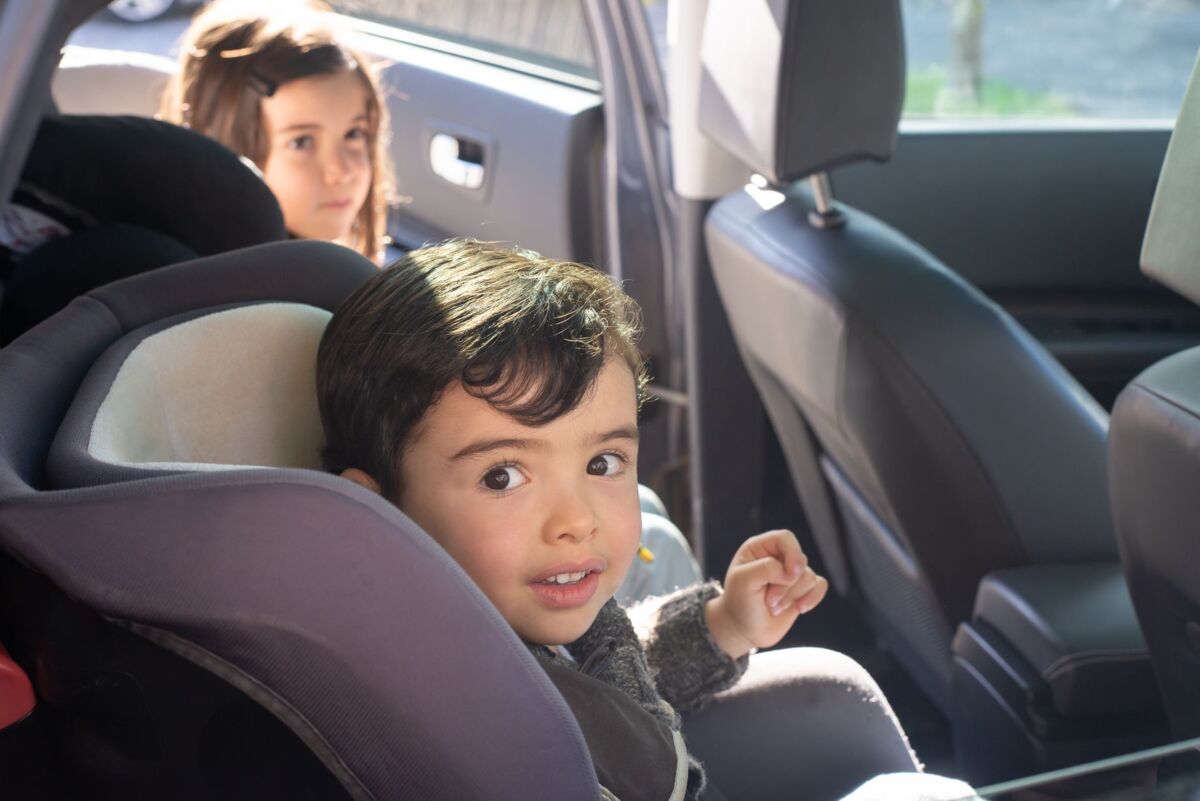
Crash surveys consistently find a large share of child seats fitted or used incorrectly, which quietly cancels out much of the protection a good seat is designed to give. These errors catch out even careful parents.
- Reading neither manual. The car seat's instructions and your car owner's manual tell you exactly where the anchors and belt paths are; skim them once and you avoid most mistakes.
- Leaving the seat loose. Once installed, it should not move more than a couple of centimetres side to side or front to back when you tug firmly at the belt path or anchor points.
- Forgetting the top tether or support leg. These are easy to overlook and are exactly what stops a seat pitching forward in a crash.
- A loose or badly placed harness. Straps should be snug enough that you cannot pinch a horizontal fold at the shoulder. Rear-facing, the harness sits at or just below the shoulders; forward-facing, at or just above.
- Bulky jackets. Thick clothing compresses in a crash and leaves the harness dangerously loose. Strap your child in over light layers, then drape a blanket on top if the air-con is fierce.
- Putting the seat in the front. Children are generally safer in the back, and a rear-facing seat must never go in front of an active airbag. If unsure of any fitting, many retailers will check or demonstrate it for you.
Practical tips for Singapore families
Living here brings its own car-seat puzzles, from compact cars to multi-generational driving and taxis.
- Small cars and three across. If you drive a compact car or need three children across the back, measure before you buy. Narrower booster and seat models exist for tight rear benches, and trying the fit in-store saves an expensive return.
- Grandparents' and helpers' cars. For regular drop-offs, fit a second seat in their car or choose a lighter model that moves between vehicles, and walk whoever drives through the install once in person.
- Taxis and ride-hail. In a taxi, sit your child in the rear and consider a lightweight portable restraint, far safer than none. For private-hire, arrange a family or booster option ahead where available. Never carry a baby in a sling or your arms in a moving car; a carrier cannot withstand crash forces.
- Travel and flights. Some seats are certified for aircraft, worth it on long flights, and a familiar portable seat you trust often beats whatever an overseas rental desk supplies. Keep the seat installed between outings, so a rainy-day dash never tempts you to skip it.
Once the car seat is sorted, the rest of the baby kit tends to follow. Our guides to the best strollers in Singapore and the best baby carriers in Singapore cover the gear that pairs with travel-system seats, and the best baby cots in Singapore roundup is a sensible next stop. For more picks, browse the rest of our blog guides.
Frequently Asked Questions
Do I need a car seat if I do not own a car?
If your child will ever ride in a private vehicle, including the trip home from the hospital, you need an appropriate restraint for those journeys. Many car-free families start with an infant carrier and base for exactly this reason.
What is the car seat law in Singapore?

A child below 1.35 metres tall must be secured in an appropriate child restraint suited to their height and weight; from 1.35 metres they use the adult seat belt. The driver is responsible, and non-compliance is currently an offence with a fine and demerit points. Confirm the latest rules with the Traffic Police, as they can change.
Are taxis exempt from car seat rules?
Taxis are generally exempt, and a child without a seat should sit in the rear. Private-hire and ride-hail cars are treated differently, so do not assume the exemption carries over to a booked car; check the current position with the operator and the Traffic Police before you travel.
How long should my child stay rear-facing?
As long as your seat's height and weight limits allow. Rear-facing is the safest orientation for young children because it protects the head, neck and spine in a frontal crash, so resist turning the seat forward early just because your child looks big.
Is a more expensive car seat always safer?
No. Any seat that meets an approved standard, fits your car and your child, and is installed correctly does the core safety job. Higher prices usually buy convenience features rather than extra crash protection.
Can I buy a second-hand car seat?
Best avoided unless you completely trust its history. A used seat may have been in a crash that weakened it invisibly, be past its expiry, or be under a recall you do not know about. If you do use one, confirm it is unexpired, uncracked, complete, and never crashed.
The bottom line
Choose a seat that matches your child's current height and weight, carries an approved certification, and fits your car. Buy it new where you can, install it tightly, check the harness on every trip, and watch the expiry date. Get those basics right and the brand matters far less than the fit. This is general guidance only; confirm the current law with the Singapore Police Force / Traffic Police and follow your manufacturer's instructions.

Art Jamming in Singapore: A Family Guide to Painting and Art Fun
Your parent's guide to art jamming in Singapore: what it is, the best ages, studio vs cafe vs at-home, what to bring, ro...
11 min read
Baby Fairs in Singapore: A Parent's Guide to Deals, Dates and Smart Shopping
A practical guide to baby fairs in Singapore: where they run, what to buy and skip, how to spot real deals, what to brin...
10 min read
Best Baby Swaddles and Sleep Sacks in Singapore
How to choose safe, breathable baby swaddles and sleep sacks in Singapore's hot climate, when to stop swaddling, and wha...
9 min read