

Public Swimming Pools in Singapore: A Family Guide to ActiveSG Complexes
In this article
For a cheap day out that genuinely tires the kids, almost nothing beats a public pool. Singapore is dotted with them, and the ActiveSG swimming complexes run by Sport Singapore sit in nearly every neighbourhood. The best part for families is that many are no longer a plain rectangle of water. The newer and revamped ones come with toddler wading pools, splash pads, tipping buckets, water cannons, multi-lane slides, and at a handful of spots, wave pools and lazy rivers. Entry is heavily subsidised, so a whole family can swim for the price of a coffee. This guide is for parents juggling mixed-age kids: where to go for the fun features, how to keep little ones safe, what to pack, how the pass system works now, and how an ActiveSG pool differs from a free outdoor water playground.
Why ActiveSG pools work so well for families
There are more than 20 ActiveSG swimming complexes across the island, so most families live within a short bus ride or drive of one. They suit a family with a baby, a six-year-old and a confident tween all at once. A typical complex lines up several pools side by side: a deep competition or lap pool for strong swimmers, a shallower teaching or learner pool for kids building confidence, and a very shallow wading or kiddy pool for toddlers who only want to sit and splash. Many family-favourite sites also add a dedicated water-play zone with slides, sprayers and shaded structures.
The other big draw is the price. ActiveSG admission is one of the most affordable family outings going, with children and seniors paying the lowest rates and a small bump on weekends and public holidays. As rough guidance, a child entry typically lands under a dollar and an adult around a dollar or two on weekdays, with feature pools (the ones with slides and wave pools) sometimes a little higher. Treat those as a ballpark only and confirm the live rate on the official ActiveSG site before you go, because fees and pass types do change.
The best ActiveSG pools for families
If your crew wants more than laps, these complexes are built for play. Features get added, removed or refreshed during upgrading works, and pools rotate through closures, so treat any single slide, wave pool or lazy river as a bonus to verify rather than a guarantee. Always check the complex page on the official site for the exact day you plan to visit.
Wave pools and lazy rivers (West)
- Jurong East Swimming Complex (near Chinese Garden MRT) is the best-known spot for a wave pool and lazy river, alongside kiddy pools and a splash-pad play area with jets, buckets and tunnels. Its older spiral water-slide tower was removed during a major revamp, and the complex went through staged reopening through 2026, so confirm which pools are open before you travel.
- Jurong West Swimming Complex (off Jurong West Street 93) is a strong all-rounder, known for a tall winding tower slide, a generous kids' water playground and a lazy river, plus a jacuzzi pool. Features close off for maintenance from time to time, so the lazy river is worth checking before you set out.
- Choa Chu Kang Swimming Complex rounds out the west with a wave pool, a wading-pool playground, a tipping splash bucket, fountains and a couple of slides. Its old tall tunnel slide was retired in an earlier renovation.
Slide-lovers and water-play zones (North-East and East)
- Sengkang Swimming Complex (near Sengkang MRT) is the pick for slide-mad kids, with several colourful slides of varying difficulty, a water playground, splash bucket, water umbrella, a baby pool and a jacuzzi. Playground slides usually carry a minimum height (commonly around 1.2m), so set expectations before the queue.
- Heartbeat @ Bedok (inside the Bedok integrated hub) pairs a competition pool and learner pool with a kids' interactive pool full of sprayers and play features, plus a jacuzzi. Being part of a community hub makes it an easy rainy-day pivot.
- Pasir Ris Swimming Complex is a long-standing east-side favourite for its tower slides, water-play area and sheltered sections, but it has had stretches of closure for works, so check before you go.
- Our Tampines Hub (the Tampines complex on the upper levels of the hub) offers around six pools including a garden-themed children's wading pool roughly ankle-to-shin deep, dotted with mushroom and flower fountains, spray guns and a jacuzzi. The all-under-one-roof hub means food, toilets and shelter are steps away.
Modern hubs and newer pools (North and Central)
- Bukit Canberra (Sembawang) is a large, modern sports hub with indoor and outdoor pools and an outdoor wet-playground area pitched at younger children.
- ActiveSG Sport Park @ Teck Ghee and the redeveloped Hougang sport centre are recent additions with fresh water-play zones, slides, water blasters and shallow streams designed with toddlers in mind.
- Woodlands is worth a mention because it has historically run seven days with no fixed weekly closure day, which is gold when every other pool near you is shut for maintenance.
A few more pools have kid-friendly wading and play features without the headline slides, including Clementi, Geylang East, Senja-Cashew and Jalan Besar. New complexes at Punggol and Queenstown have been flagged to open around the end of 2026. Whichever you choose, the official complex page is the single source of truth for what is open on your chosen day.
ActiveSG pools vs free outdoor water playgrounds
Know the difference before you pack the car. ActiveSG complexes are swimming pools: you pay a small admission, there is real water depth, lifeguards are on duty, and the rules around floats, diapers and supervision are strict. Free outdoor water playgrounds are a different beast: splash pads, jets and shallow trickling streams in parks and HDB town centres, usually with no entry fee, no real depth and no lifeguards. They are brilliant for a quick toddler splash but are not a substitute for a proper swim, and many run on timers or seasonal schedules. If you are still deciding what kind of day you want, our roundup of the best playgrounds in Singapore covers the free splash-and-play spots, while this guide maps the paid pools with depth, slides and lifeguards.
Water safety with children
Public pools are well-staffed, but drowning is silent and fast, and lifeguards cannot watch every child in a busy pool. The most important rule for young or weak swimmers is touch supervision: a sober adult stays within arm's reach the entire time, even in shallow water and even if your child has had lessons. Decide who the water-watcher is before you get in, and that person does not scroll a phone, chat or doze. Swap the role openly when you need a break.
- Keep non-swimmers and toddlers in the wading or shallow teaching pool, never the deep competition end.
- Treat a well-fitted swim vest or armbands as a backup, not a babysitter. Inflatable floats and toys are often restricted, especially in slide and feature areas, so check the rules at each pool.
- Brief older kids on the basics: no running on wet decks, no diving in shallow water, no pushing at the top of slides, and always obey the lifeguards.
- Remove goggles, watches and loose accessories before going down slides, and follow the one-at-a-time and height-limit signs.
- Take regular breaks for water, snacks and shade, and reapply sunscreen at outdoor pools roughly every two hours.
If you want your kids to build real water competence rather than just splash, look into SwimSafer, Singapore's national water-safety programme. It runs across six progressive stages through schools and accredited swim schools, and is designed to cut drowning risk by teaching survival skills alongside strokes.
What to bring
A little prep is the difference between a smooth swim and a meltdown at the turnstile. Pack:
- Swimwear, goggles and a swim cap (some pools require caps), plus a full change of clothes for everyone.
- Towels, slippers or pool sandals, and a waterproof or dry bag for sopping wet items on the way home.
- Sunscreen, a hat and a rash guard for outdoor pools, plus a refillable water bottle to dodge the vending-machine queue.
- Swim diapers for babies and toddlers who are not toilet-trained. These are generally required, and a leak can close a pool, so do not skip them.
- A coin or card for lockers, and a few snacks for the inevitable post-swim hunger crash.
Leave valuables at home where you can. Most complexes have changing rooms, showers and lockers, but the layout and condition vary by site, so set expectations with younger kids and scope out the nearest family or accessible toilet when you arrive.
Accessibility, strollers and nursing
Newer complexes and those inside integrated hubs (like Our Tampines Hub, Heartbeat @ Bedok and Bukit Canberra) tend to be the most stroller-friendly, with lifts, ramps and family facilities, and they often sit beside a nursing room or accessible toilet in the wider building. Older standalone complexes can be more stairs-and-poolside. If accessibility or a nursing space matters, the hub-based pools are the safer bet, and the official complex page or the hub's directory will tell you what is on site.
How entry and passes work
ActiveSG has moved bookings and passes onto the MyActiveSG+ platform at activesg.gov.sg and its app. Instead of paying cash at a counter, you buy a swim pass digitally and scan in at the turnstile. The flow is straightforward once you have done it once:
- Create or log in to your ActiveSG account using Singpass on the MyActiveSG+ app or website.
- Buy a swim pass or top up your ActiveSG e-wallet for each swimmer. Children, adults and seniors have different rates, and feature pools may carry a separate or higher pass.
- At the complex, scan the QR code on your pass (or scan in as prompted) and your entry is deducted.
- Check the specific complex's opening hours and weekly maintenance closure before you leave home. Most pools shut one fixed weekday each week for cleaning, and that day differs from pool to pool.
For current passes, prices, feature-pool rules and any renovation closures, go straight to the official ActiveSG site rather than older third-party listings. Slide availability, lazy-river status and closure days change often, and the official page is the only one that stays in step.
Make a day of it
Many ActiveSG pools sit inside larger sports centres or community hubs with food courts, hawker stalls and shaded seating close by, which is perfect for the post-swim feeding frenzy. Sites like Our Tampines Hub, Heartbeat @ Bedok and the Jurong complexes are near major malls and MRT stations, so you can fold the swim into lunch or an indoor play area without much extra travel. For an eastern day out, the swim pairs neatly with a morning at Pasir Ris Park or a scoot around Bedok Reservoir Park first. For more low-cost ideas, browse the Fussy Mama blog for parks, playgrounds and rainy-day options.
Frequently asked questions
How much do public swimming pools in Singapore cost?
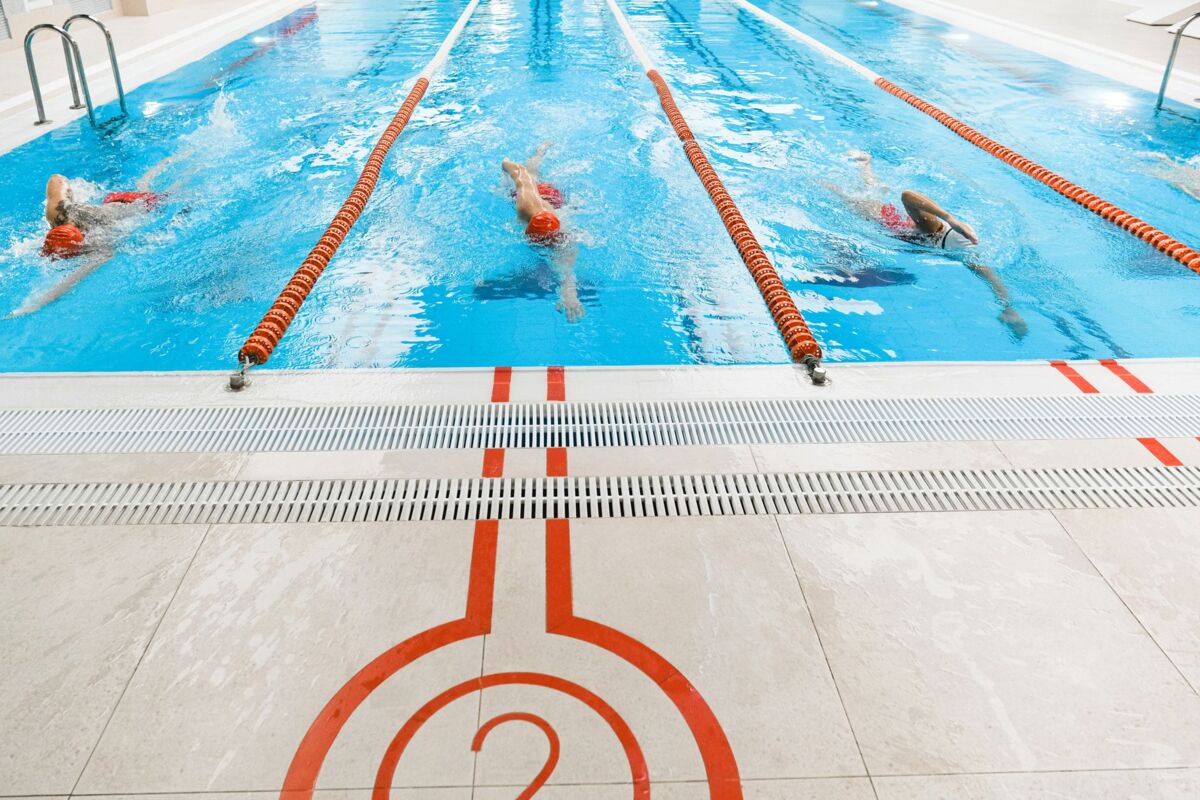
ActiveSG pools are very affordable, with children and seniors paying the lowest rates and a small surcharge on weekends and public holidays. As rough guidance a child entry is typically under a dollar and an adult a dollar or two on a weekday, with feature pools sometimes higher. Exact prices change, so confirm on the official ActiveSG site.
Which Singapore public pool has a wave pool and lazy river?
Jurong East Swimming Complex is the best known for both a wave pool and a lazy river, and Choa Chu Kang and Jurong West also offer wave-pool or lazy-river style features. Slide towers and lazy rivers do get retired or closed during upgrading works, so always check the specific complex page on the official site before visiting.
Can babies and toddlers use ActiveSG pools?
Yes. Most complexes have very shallow wading or kiddy pools that are ideal for toddlers, and several have garden-themed splash zones. Babies and toddlers who are not toilet-trained generally must wear swim diapers, and an adult should stay within arm's reach the whole time.
Is there a height requirement for the water slides?
Most slides carry a minimum height limit (commonly around 1.2m) and sometimes a maximum for the smaller playground slides, plus rules like one rider at a time and no loose accessories. Limits vary by pool and by slide, so check the signs on site and look out for any feature-pool pass you may need.
Which ActiveSG pools are best for a rainy day?
Pools inside integrated hubs or with sheltered indoor sections, such as Our Tampines Hub, Heartbeat @ Bedok and Bukit Canberra, are the natural rainy-day picks because you can swim under cover and dart to food and toilets without getting soaked. They do fill up fast when it rains, so go early. Note that outdoor pools may close during thunderstorms for safety.
How do I buy a swim pass?
Log in to MyActiveSG+ at activesg.gov.sg or on the app using Singpass, buy a swim pass or top up your e-wallet for each swimmer, then scan the QR code at the turnstile to enter. Children, adults and seniors are priced differently, and feature pools may need a separate pass, so check before you go.
Admiralty Park Family Guide: Singapore's Playground With the Most Slides
Family guide to Admiralty Park, the Singapore playground with the most slides. Play zones by age, inclusive swings, mang...
11 min read
Archery in Singapore: A Family Guide to Beginner Sessions for Kids
Archery in Singapore for families: how beginner sessions work, suitable ages for kids, indoor vs outdoor ranges, safety ...
9 min read
ArtScience Museum Family Guide: Future World, Tickets and Tips for Singapore Parents
A Singapore parent's guide to the ArtScience Museum: Future World with kids, tickets, the Family Friday free-child deal,...
9 min read