

Qian Hu Fish Farm: A Family Guide to Longkang Fishing and More
In this article
There is something gloriously old-fashioned about handing a child a net and letting them chase wriggling fish around a shallow pool. Qian Hu Fish Farm in the Sungei Tengah farming belt near Choa Chu Kang is one of the last places in Singapore where you can still do exactly that. It is one of the island's largest ornamental fish farms, and what pulls families in is the hands-on activity zone: nostalgic longkang (little-stream) fishing, a ticklish fish spa, ponds of hungry koi and terrapins to feed, and rows of display tanks that double as a casual nature walk. It is best for families with kids aged roughly three to twelve who enjoy getting a little wet, and for anyone craving a screen-free morning that costs almost nothing to enter.
What Qian Hu Fish Farm is, and why it works for families
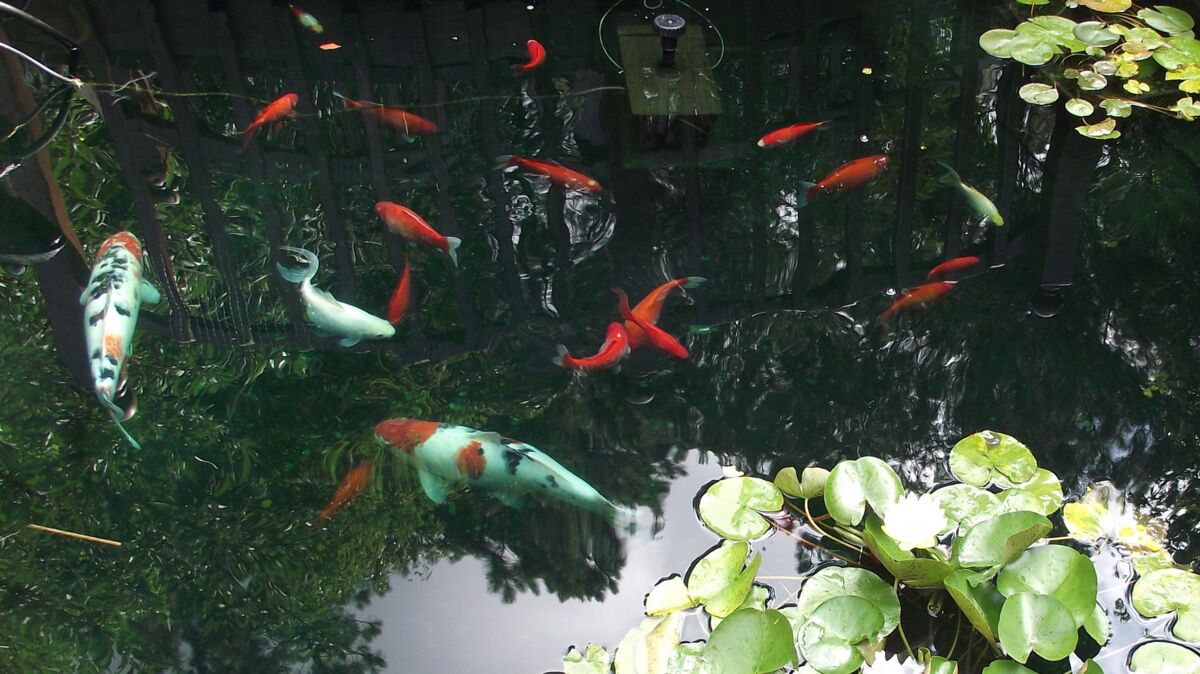
Qian Hu grew into a major exporter of ornamental fish, so this is a genuine working farm rather than a theme park dressed up as one. For visiting families that is the charm. Instead of looking at fish through aquarium glass, children get to scoop them, feed them, and watch them up close in open ponds. The pace is slow, the setting leafy and open-air, and the place rewards curiosity rather than queuing.
The other big draw is value. Wandering the farm and browsing the tanks is generally free, so you only pay for the activities your kids want to try, without the all-or-nothing ticket price of a big attraction. If your weekends usually revolve around malls and indoor play gyms, this is a refreshing change, and it pairs naturally with other green outings like our Bukit Timah Nature Reserve family guide when you want a more outdoorsy month.
Longkang fishing, the main event
This is the activity most families make the trip for. Longkang means drain or little stream, and decades ago Singapore kids really did catch fish in roadside canals. Qian Hu recreates that safely in a clean, shallow pool stocked with small, fast fish. Your child gets a net and a holding container, then kneels at the edge or wades in to chase darting guppies, mollies and similar little fish. The gear is provided, so there is nothing to buy in advance. Confirm the current session rates and durations on the official site, since these are adjusted from time to time.
What kids actually catch, and keeping them
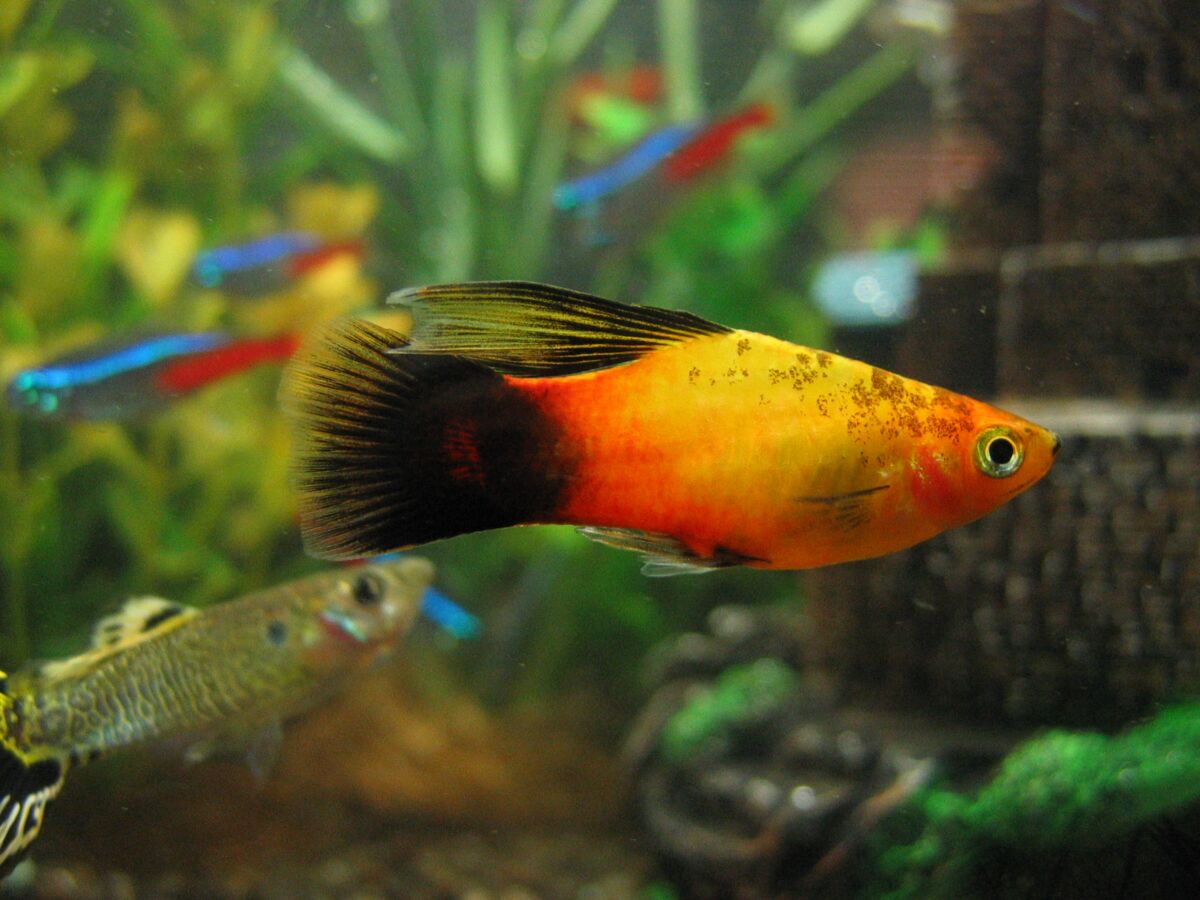
The fish are small, hardy community species rather than prized show fish, which is what makes them easy for little hands to scoop. At the end of a session your child usually has a choice: tip the catch gently back into the pool, or take a few home if you have a tank ready. Plenty of families release everything and treat it as the thrill of the chase, which keeps your packing light too.
If you do want to bring fish home, a little planning saves heartbreak. Guppies and mollies are beginner-friendly, but they still need a proper filtered tank with dechlorinated water rather than a bowl, and a slow acclimatisation so the temperature and water do not shock them. Talking your child through this beforehand turns it into a gentle lesson on caring for a living thing rather than a meltdown in the car park.
- Bring a lidded container plus a bottle of your own tap water so fish travel in familiar water.
- Set up the home tank a day or two ahead so it is filtered and settled before they arrive.
- Pick the small fish over the largest ones; they travel and adapt better, and release the rest.
The other activities
Fish spa
For something different, dip your feet into the fish spa pool, where tiny Garra rufa fish nibble at dead skin. It is more ticklish than relaxing, which is precisely why it sends kids into fits of giggles. Older children and curious adults tend to love it, while younger toddlers sometimes find the sensation alarming, so let your little one test a single toe first. As a gentle hygiene habit, rinse feet beforehand, keep any open cuts out of the water, and dry off afterwards. Sessions are timed and priced separately, often at different rates for children and adults, so check the latest on the official site.
Fish and terrapin feeding
Buy a packet of fish food from the on-site shop and head to the ponds near the activity area to feed the koi and terrapins. A swarm of koi breaking the surface for a single pellet is an easy, low-cost thrill for younger children, and it stretches into a slow wander past the display tanks where you can spot guppies, mollies, koi, arowana and more. It is the gentlest activity on offer and ideal for toddlers not ready for nets and water.
Farm tours and DIY workshops
Qian Hu also offers guided farm tours behind the scenes of how an ornamental fish farm runs, which is genuinely interesting for school-age kids and a tidy tie-in with science topics. From time to time it also runs hands-on DIY sessions such as building a small aquarium or terrarium to take home. Tour and workshop availability varies and some need booking ahead, so check what is currently running on the official site before you build your day around one.
Getting there
Qian Hu is at 71 Jalan Lekar, Singapore 698950, in the Sungei Tengah area, tucked among plant nurseries off Old Choa Chu Kang Road. By Singapore standards this is properly out in the countryside, so sort out your route before you leave.
- By car (easiest with little ones): The most stroller-friendly and weather-proof option, with free parking on site. Drivers generally come via Sungei Tengah Road or Old Choa Chu Kang Road, then turn into Jalan Lekar.
- By free shuttle bus: Qian Hu runs a complimentary shuttle from Choa Chu Kang MRT/LRT station. Departures are spaced through the day and the exact pick-up bay can change, so confirm the current schedule and pick-up point on the official site first.
- By public bus: Services along Old Choa Chu Kang Road get you into the area, but you will still have a walk to the farm gate, which is less fun with a pram in the midday heat.
- By taxi or ride-hailing: A reliable door-to-door choice, especially handy for the trip back when tired, damp children are not in the mood to wait for a shuttle.
Best ages and what to expect by stage
Qian Hu suits a wide span of ages, though each activity lands differently. Toddlers (around one to three) do best with koi and terrapin feeding and a toddle past the tanks, with the fishing kept as a watch-and-cheer affair under a firm hand. Preschoolers (around four to six) hit the sweet spot for longkang fishing with help, all short bursts of focus and soggy enthusiasm. Primary-age kids (around seven to twelve) get the most out of everything, from competitive netting to the fish spa giggles and the farm tour. Tweens and reluctant teens are usually won over more by the fish spa and a behind-the-scenes tour than by the nets.
What to bring
- A full change of clothes and a towel per child; wet sleeves and splashed shorts are close to guaranteed.
- Covered shoes or sandals that can get wet, plus a dry spare pair for the journey home.
- Sunscreen, hats and refillable water bottles, since much of the farm is open-air and Singapore-sticky.
- Insect repellent, because it is a leafy, pond-side setting where mosquitoes gather, especially late afternoon.
- Some cash, as smaller farm outlets do not always take cards; check on arrival.
- A lidded container if you plan to take a catch home, plus hand sanitiser for after pond-side play.
Practical tips for a smooth visit
Timing and crowds
Aim for a weekday or an early weekend morning to beat both the heat and the crowds, with mid-morning the sweet spot before younger children slide towards their nap. Weekends and public holidays are livelier and the activity pools fill faster, so arriving close to opening makes a real difference if longkang fishing is the priority.
Weather and rainy-day backup
Because so much of the experience is open-air, the forecast matters more here than at an indoor attraction. Heavy rain can pause the water activities and the unsheltered paths get slippery, so keep a wet-weather plan in your back pocket. An easy pivot is an indoor option back towards town; our roundup of the best playgrounds in Singapore includes covered choices, or you can save the farm for a brighter day.
Strollers, facilities and feeding
The main paths are mostly flat and pram-manageable, though you will park the stroller and crouch at the water's edge for the fishing. As a working farm rather than a polished attraction, facilities are functional, so do not assume a dedicated nursing room or full baby-change suite; if you have an infant, plan feeds and changes around what you would expect at a rustic outdoor venue and bring your own changing mat. On-site food is limited, so many families pack snacks or eat afterwards.
How long to set aside
Allow around two to three hours to do the fishing, feed the fish, try the spa and wander the tanks without rushing. Add buffer time if you are relying on the shuttle both ways, since you may wait at each end.
What is nearby
Sungei Tengah is Singapore's quiet farming pocket, so it is easy to turn a fishing trip into a half-day country outing. Several other farms sit along Sungei Tengah Road, including vegetable and hydroponics farms with weekend markets, though hours vary and some need booking. For meals, options at the farm are limited, so many families picnic or drive back towards Choa Chu Kang town, where Lot 1 and the surrounding shops have plenty of kid-friendly dining.
If you would rather string together a few proper attractions, the wider northwest has plenty going on. You could pair the farm with animal-spotting at our Bird Paradise family guide for a nature-heavy day out, or browse the Fussy Mama play listings for more local ideas.
Frequently Asked Questions
Is Qian Hu Fish Farm free to enter?
Walking around the farm and browsing the fish tanks is generally free. You pay only for the activities you choose, such as longkang fishing, the fish spa or a guided farm tour. Because rates change, confirm current prices on the official Qian Hu website.
What age is longkang fishing suitable for?
It works best for children of around four and up, who can hold a net and manage the shallow water with a bit of help. Younger toddlers can join under close supervision but will mostly watch; primary-age kids get the most out of it.
Can we keep the fish we catch?
Usually yes. You can take a few small fish home if you have a suitable filtered tank set up, or release the whole catch back into the pool at the end. If you keep them, bring a lidded container and acclimatise the fish slowly at home so the water change does not shock them.
Does it get rained out?
Much of the farm is open-air, so heavy rain can pause the water activities and make the paths slippery. There are sheltered spots for a passing shower, but for a washed-out forecast it is wise to have an indoor backup plan or reschedule.
How do we get there without a car?
The simplest car-free option is the free shuttle bus from Choa Chu Kang MRT/LRT station. Departures are spaced through the day and the pick-up point can change, so check the current schedule on the official site. A taxi or ride-hailing trip is a reliable alternative, especially for the journey home.
How long should we set aside for a visit?
Most families spend around two to three hours covering the fishing, feeding, fish spa and a stroll past the tanks. Add extra time if you rely on the shuttle, as you may wait at both ends.
Qian Hu Fish Farm is a charming, screen-free outing that taps into a slice of old Singapore. Pack a towel, a spare set of clothes and an open morning, keep an eye on the weather, and you have a memorable, budget-friendly family adventure.

Admiralty Park Family Guide: Singapore's Playground With the Most Slides
Family guide to Admiralty Park, the Singapore playground with the most slides. Play zones by age, inclusive swings, mang...
11 min read
Archery in Singapore: A Family Guide to Beginner Sessions for Kids
Archery in Singapore for families: how beginner sessions work, suitable ages for kids, indoor vs outdoor ranges, safety ...
9 min read
ArtScience Museum Family Guide: Future World, Tickets and Tips for Singapore Parents
A Singapore parent's guide to the ArtScience Museum: Future World with kids, tickets, the Family Friday free-child deal,...
9 min read