

School Holiday Camps in Singapore: A Parent's Guide to Choosing and Booking
In this article
Every school break starts with the same standoff: a long stretch of empty days, parents who still have to work, and a child whose default setting is the iPad. School holiday camps in Singapore are the release valve. They hand your child structured hours, new friends and a reason to be tired by dinnertime, while you reclaim a workable routine. The catch is choice: robotics labs, beach adventures, drama showcases, multi-sport rotations and Mandarin immersion all jostle for the same week. This guide is built for the parent staring at twenty tabs trying to decide, covering when the holidays fall, the main types of camps, how to match one to your child, the budget-friendly ActiveSG route, and the packing and safety questions worth asking before you pay.
When do the school holidays fall in Singapore?
Camps cluster tightly around the four MOE break periods, so the calendar is your starting point. The main school holidays land in March (a one-week break), the long June holidays, September (another shorter break), and the year-end stretch from late November into December. June and the year-end break are the longest, which is why they attract the biggest camp line-ups and sell out earliest. The shorter March and September windows fill faster than parents expect, simply because there is less time to spread plans across. Term structures can shift slightly year to year, so confirm the exact dates on the official MOE school calendar before you commit. If you are weighing camps against free or cheaper options, our guide to school holiday activities in Singapore is a useful companion.
The main types of holiday camps
Almost every camp in Singapore falls into one of a handful of buckets, and knowing the categories turns an overwhelming search into a quick shortlist. Most providers run multiple age cohorts and price by the week, with single-day drop-ins at some.
Multi-sport and active camps
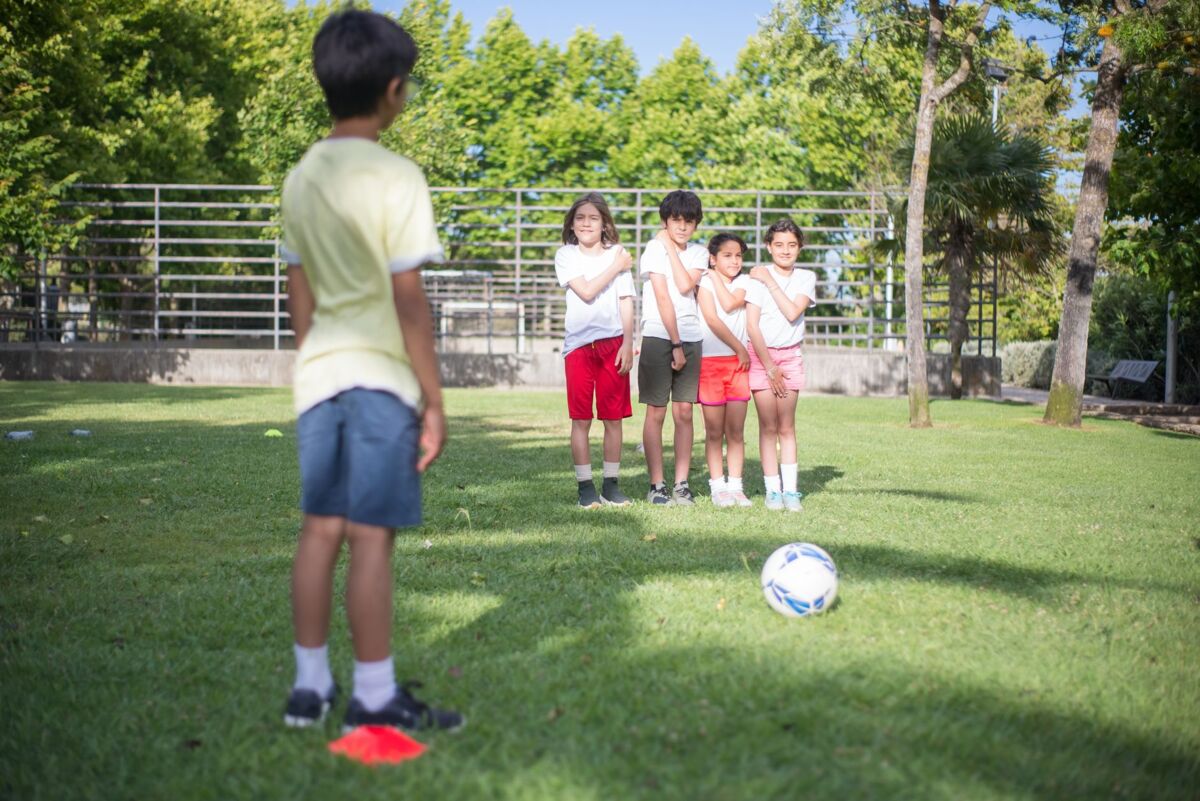
These keep kids moving from morning to pick-up, a gift for high-energy children. A multi-sport camp rotates through a different discipline each day, so a child might do football on Monday, badminton on Tuesday and swimming on Wednesday without committing to one sport. Great for coordination, teamwork and a healthy dose of tiredness. The ActiveSG School Holiday Programme, run by Sport Singapore at sports centres across the island, is the most affordable entry point and a sensible first stop for low-cost coverage near home (check current sessions on the official ActiveSG site).
Single-sport camps
For the child who already loves one thing, a single-sport camp goes deeper: a full week of swimming, tennis, gymnastics, football training or martial arts with coaches who specialise. These suit kids who want to genuinely improve rather than sample, and often map onto a sport your child already does in term time. Check the coach's credentials and the skill level the camp is pitched at, so a beginner is not thrown in with competitive juniors.
Arts, drama, dance and music camps
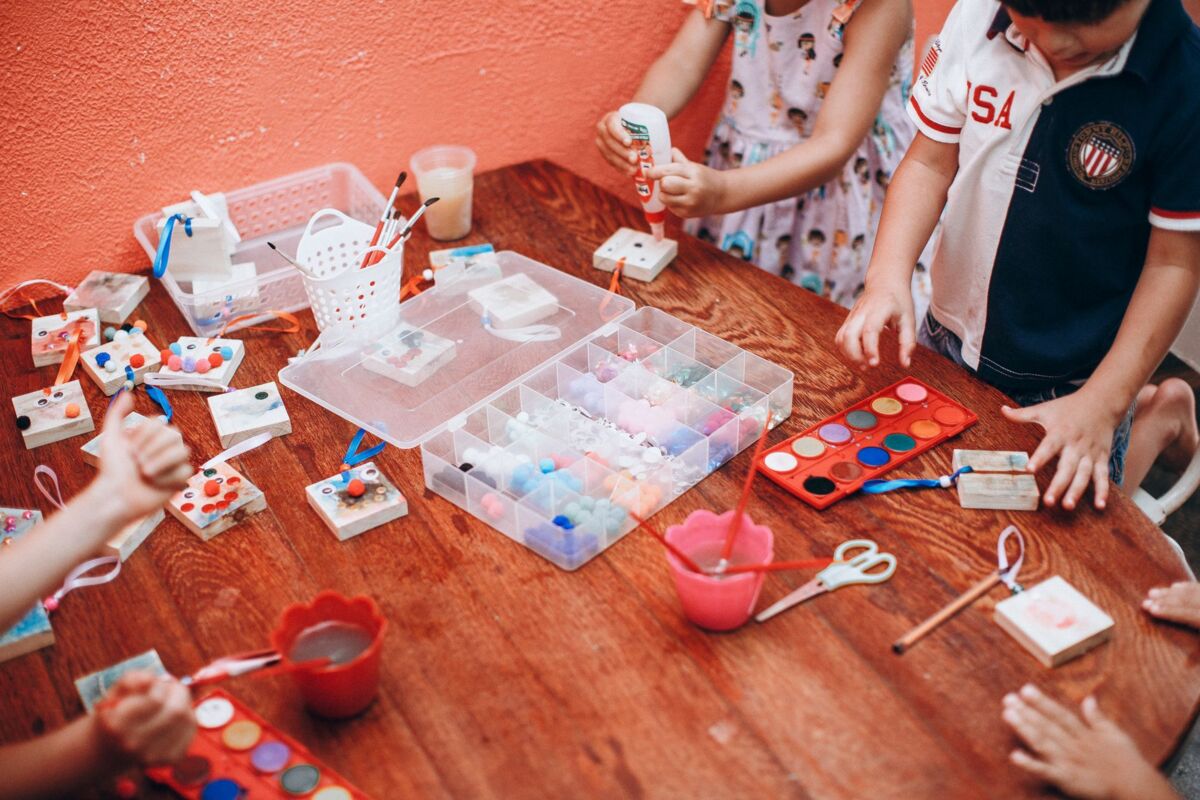
Perfect for the creative child who would rather perform, paint or choreograph than chase a ball. Expect theatre and drama, visual arts, dance and music, many building towards a small showcase on the final day. Kids love the finish line and parents get a front-row seat. These camps tend to be gentler in pace, which can suit children who find a full day of sport too much.
STEM, coding and robotics camps
A booming category in Singapore. Children build and program robots, code their own games, tinker with electronics, or explore age-appropriate slices of AI and design. These suit curious, hands-on kids and usually carry tighter age bands, since the content scales sharply with reading and reasoning ability. Read the recommended age carefully so the material is neither too easy nor over your child's head.
Outdoor, nature and adventure camps
Think nature trekking, kayaking, climbing, beach games and forest-style play that pulls children off screens and into the open, often out of Sentosa, East Coast or nature reserves. They build resilience and confidence and feel like a genuine change of scene for kids who spend the school year indoors. Outdoor camps need more thought on heat, hydration and a wet-weather backup, which we cover below.

Language and academic camps
Holiday Mandarin immersion, English enrichment, writing workshops and exam-prep programmes fall here. Done well, a language camp feels like play with the target language baked in rather than a classroom in disguise. They appeal to parents who want the break to nudge a specific skill forward, but watch your child's appetite: a full week of academic content on top of a school year can tip into burnout for some kids.
Cooking and life-skills camps
Junior culinary camps, baking workshops and broader life-skills programmes (first aid, money basics, independence skills) are a smaller but growing slice. A lovely fit for children who light up in the kitchen, with an edible end-of-day output that is hard to beat. Confirm allergy handling and kitchen safety supervision before booking.
Multi-activity camps
If your child cannot pick a lane, or you simply want variety, multi-activity camps blend sport, arts, STEM challenges and games into one programme. They carry the widest age ranges and are the safest bet for a first-ever camp. Use one as a low-stakes way to discover where your child's interest sits before you invest in a specialist camp next break.
Day camps vs full-day care vs residential
Beyond subject, camps differ in shape, and this often matters more for your week than the activity itself.
- Half-day camps (usually a morning block) suit younger children who tire easily and families combining camp with afternoon plans. Gentler and often cheaper, but they leave a chunk of the day to fill.
- Full-day camps are more immersive and work far better for working parents and older kids. Check whether the day is genuinely supervised throughout or has an unstructured lunch gap.
- Extended or wraparound care: some providers offer before-care and after-care add-ons that bookend the core hours, which can decide whether a camp works for a full-time job.
- Day vs residential: most Singapore camps are day camps where your child comes home each evening. Residential or overnight camps are usually pitched at older, more independent children and are a bigger emotional step. If you are considering one, talk it through with your child first and confirm supervision and contact arrangements with the provider.
How to choose the right camp for your child
Start with your child, not the brochure. The flashiest camp is the wrong one if it does not fit who your child actually is. A few honest questions narrow it fast:
- Interest and temperament: lean into what your child loves, then weigh their temperament. A shy child may thrive in a small arts group but freeze in a loud 30-child sports hall; a restless one may climb the walls in a quiet workshop. Match the energy of the camp to the energy of the kid.
- Age fit: camps commonly start from around age 3, with specialist programmes for younger toddlers and others running into the mid-teens. Check the stated age range so your child is with peers, not lost among much older or younger kids.
- Beginner-friendly or not: for a first attempt at a sport or skill, choose a camp explicitly pitched at beginners. Being the only one who cannot keep up sours the whole week.
- Care vs enrichment: be clear about the real job. If the priority is reliable cover for a working week, a well-run full-day multi-activity camp beats a glamorous half-day specialist one. If it is genuine skill-building, the reverse may be true.
- Cost and budget: fees vary enormously by type, duration and provider, and change every season, so we will not quote figures that go stale. Look for early-bird rates, sibling discounts and single-day options, and consider mixing one paid camp with cheaper or free activities to keep the spend in check.
- Location and transport: a brilliant camp an hour away by MRT and bus can defeat the purpose. Factor in travel time, parking if you drive, and any pickup service. A camp ten minutes from home that your child enjoys beats a famous one across the island.
- Ratios, safety and coach credentials: smaller groups and lower instructor-to-child ratios usually mean more attention and a safer experience, especially for younger children and anything water-based. Ask what training the staff have and whether coaches are certified in their sport.
- Refund and make-up policies: children fall sick, especially mid-holiday. Before you pay, read the cancellation, refund and make-up terms so an unexpected fever does not cost you the whole fee.
If you are mapping out the wider break rather than a single camp, our school holiday activities guide and the Singapore public holidays calendar show where camps fit around long weekends. For the creatively inclined, our look at children's theatre in Singapore pairs nicely with a drama or performing-arts camp.
Book early, especially for peak holidays
This is the single most useful sentence in this guide: popular camps fill up well before the holidays begin. Sessions are usually capped at small group sizes, the most sought-after weeks (the start of the June break, for instance) go first, and many providers run early-bird pricing that quietly closes weeks ahead. If you have your eye on a specific camp or week, treat it like booking flights for a school-holiday trip and lock it in early rather than hoping a spot survives. Keep a backup option in mind too, in case your first choice is full or gets cancelled for low enrolment.
What to pack and good things to know before you go
A little prep saves a lot of lost-property grief and mid-week scrambling.
- Label everything. Water bottles, bags, hats, jumpers and shoes all wander off at camp. A name label on each item is the cheapest insurance you will buy all break.
- Pack for Singapore weather. Sun hat, sunscreen, a refillable water bottle and a change of clothes cover most camps. Outdoor and beach camps need extra: spare socks, covered shoes, a small towel, insect repellent and a dry bag.
- Plan for rain. Singapore downpours are a given. Ask what an outdoor camp does on a wet day; the good ones have an indoor backup so a thunderstorm does not write off the session.
- Check what is included. Confirm whether meals, snacks and materials are provided or whether you are packing lunch, and flag any allergy or dietary needs in writing when you register.
- Ask about supervision and first aid. Ask about instructor-to-child ratios, whether staff are first-aid trained, and how they handle a child who is unwell or upset, especially for younger kids or water activities.
- Ease the first day. A familiar comfort item, a clearly named bag and arriving a few minutes early to meet a coach can turn nervous tears into a confident wave goodbye.
Frequently asked questions
What age can children start holiday camps in Singapore?
Many camps welcome children from around age 3, with some toddler or parent-accompanied programmes for younger ones and others catering right up to the teen years. Specialist STEM and academic camps often have tighter age bands than sports or multi-activity ones. Check each camp's stated age range before booking so your child is grouped with genuine peers.
How much do holiday camps cost?
Prices vary widely by camp type, duration and provider, and change every season, so we will not quote figures that may be out of date. Specialist and full-day camps generally cost more than half-day or community options. Check the provider's current rates directly, watch for early-bird and sibling discounts, and consider ActiveSG's School Holiday Programme as a more affordable, multi-sport alternative.
What is the ActiveSG holiday programme?
ActiveSG is Singapore's national movement for sport, run by Sport Singapore. Its School Holiday Programme offers sports and multi-activity sessions for children at ActiveSG sports centres around the island, and it is generally one of the more wallet-friendly camp options. Sessions, sports and dates vary each holiday, so confirm what is on and how to register on the official ActiveSG website.
How early should I book a holiday camp?
For the popular June and year-end holidays, book as far ahead as you can; the most sought-after weeks and early-bird pricing usually close weeks before the break begins. Even the shorter March and September breaks fill faster than expected. Confirm current schedules on each provider's official website before you pay.
What if my child gets sick during the camp week?
Mid-holiday illness is common, which is why the refund and make-up policy matters. Before booking, read the cancellation and make-up terms. Some providers offer a make-up session or partial credit against a medical certificate; others do not refund once the camp starts. Knowing this upfront saves both money and stress.
For more seasonal ideas during the breaks, browse the Fussy Mama blogs hub and our guide to school holiday activities in Singapore, and cross-check the MOE calendar so you are planning against the right dates.
Planning a Baby Shower in Singapore
A warm, practical guide to planning a baby shower in Singapore: timing, venues, themes, food, games, gifts and etiquette...
10 min read
Children's Day Singapore: When It Is and How to Celebrate with Kids
Children's Day in Singapore is the first Friday of October, a primary-school holiday. When it is, why, and warm, low-cos...
9 min read
Children's Theatre in Singapore: A Family Guide to Kids' Shows
A Singapore parent's guide to children's theatre and kids' shows: who stages them, picking by age, relaxed performances,...
11 min read