

School Holiday Activities in Singapore: A Parent's Guide to Filling the Break
In this article
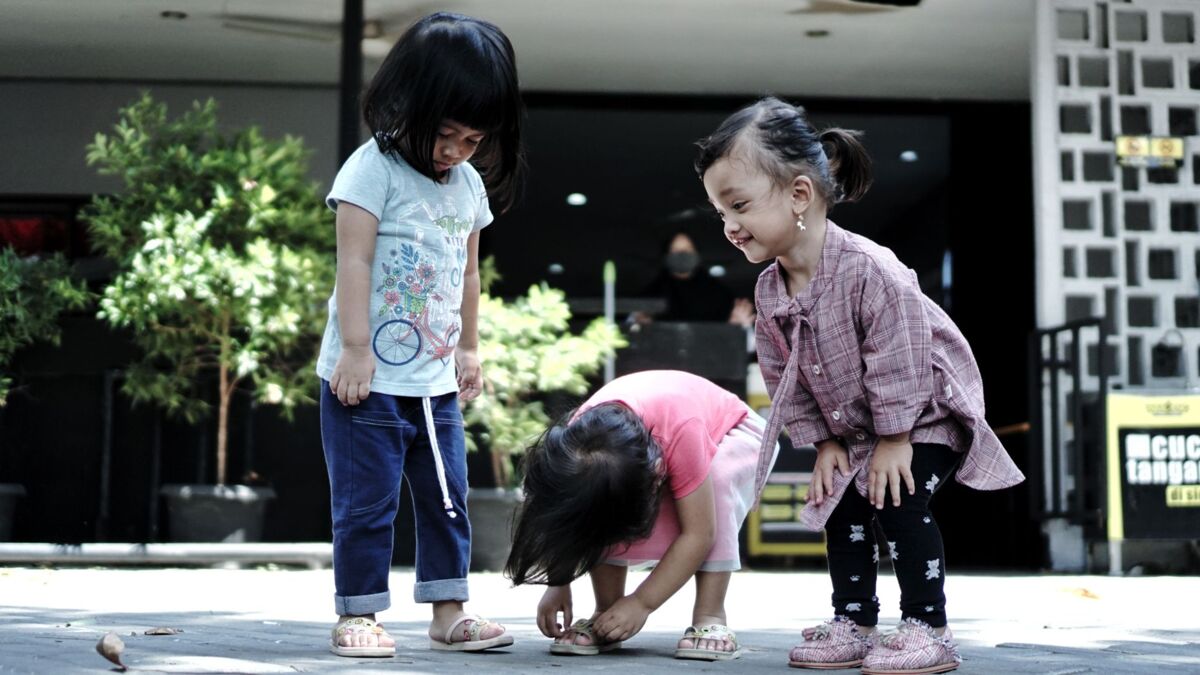
The first morning of the school holidays always arrives the same way: a child announcing they are bored, weeks of empty calendar ahead, and a small worry about whether you are about to spend a fortune or hand over the iPad until term starts. This guide takes that pressure off. Instead of a dated list of one-off events, it gives you an evergreen menu of categories plus a simple planning framework, so you can build a break that suits your child's age, your budget and your own sanity, whether you are a working parent juggling care or a stay-at-home parent pacing a long stretch.
First, know the four school holiday windows
Singapore's MOE school calendar gives families roughly the same four breaks every year, and the effort each one needs is very different. Knowing which break you are facing tells you how hard to plan.
- The March break is a single week between Term 1 and Term 2. Short and sweet, it usually needs one or two highlights, not a full programme.
- The mid-year break is the long one, roughly four weeks across late May and June. It needs real structure, especially if both parents work, and it is when camps and attractions are busiest.
- The September break is another single week, between Term 3 and Term 4, often near a long weekend. A good window for a short getaway or a couple of outings.
- The year-end break is the second long one, from late November to the start of the new school year in January, overlapping the festive season and, some years, Deepavali.
Because dates, programmes and opening hours shift every season, this guide deliberately avoids specific dates. Treat it as your idea bank, then check current listings on each official site before you commit. The long breaks reward planning ahead; the short ones, keeping it loose.
Holiday camps: the structured option
Camps are the workhorse of the Singapore school holidays, and for working parents they are often the difference between a manageable break and a logistical nightmare. A full-day camp covers care, keeps kids active and social, and beats unsupervised screen time. The trick is matching the camp to the child, not to your own wishlist.
Types of camp to look for
- Multi-activity camps rotate through sports, swimming, art, drama and games. Best for younger kids and those who tire of one thing all week.
- Specialist camps go deep on coding, robotics, science, music, dance, gymnastics, art or a single sport. Ideal when your child has a clear passion.
- Themed week-long camps built around wizards, superheroes, space or lab experiments keep the excitement high and make the week feel like an adventure.
- Sports academies and swim schools run intensive holiday clinics that move a child on fast through daily training.
What to check before you pay
- Daily timings, and whether before- or after-care covers your work hours
- Whether lunch, snacks and water are provided, or what you need to pack
- Age bands, and whether your child sits at the top or bottom of the group, which changes the experience a lot
- Staff-to-child ratio (especially for water or adventure activities) and the cancellation policy for illness
Popular camps for the long June and year-end breaks sell out weeks ahead, so book early. Because camps are a deep topic in their own right, our companion guide to school holiday camps in Singapore covers choosing, comparing and budgeting for them in detail.
Big attractions and annual festivals
Every break has room for one or two big-ticket days, the kind your child talks about long after term starts. Singapore's paid attractions span a wide range of ages and interests, and many lay on extra holiday programming.
- Theme parks and play attractions for a full day of rides and shows, best for school-age kids who can handle a long, busy outing
- The Mandai wildlife parks (zoo, river and bird parks) for animal-mad children, with shaded trails and tram options for tired legs
- Science and discovery centres where hands-on exhibits turn a rainy afternoon into proper learning without anyone noticing
- Annual festivals such as light displays, children's festivals and seasonal carnivals that pop up during the breaks, often with free outdoor elements
Ticket prices, timed-entry rules and opening hours change constantly, so always confirm current pricing and any advance-booking requirement on the venue's official site, and look out for resident, family or multi-park bundles. Year-end and Deepavali-period festivals often tie in with the wider celebration, and our guides to Deepavali for families and Christmas in Singapore for families map out the seasonal events worth building a day around.
Free and low-cost outdoor play
On a tight budget, Singapore's free playgrounds, gardens and water-play areas are unbeatable. Pack sunscreen, a hat, a change of clothes and a water bottle, go early before the midday heat, and a whole morning is sorted for the price of an MRT ride. A few family-loved, free-admission spots to anchor a morning around:
- Jacob Ballas Children's Garden in the Singapore Botanic Gardens, designed for children aged 14 and below, with tree-houses, trails and a water-play zone; admission is free, and children aged 12 and below must be accompanied by an adult
- Far East Organization Children's Garden at Gardens by the Bay, with free admission and water play for children aged 12 and below; it closes on Mondays, so check before you go
- Jurong Lake Gardens, home to the Forest Ramble nature playground and the Clusia Cove water-play area, a good all-in-one spot for a range of ages
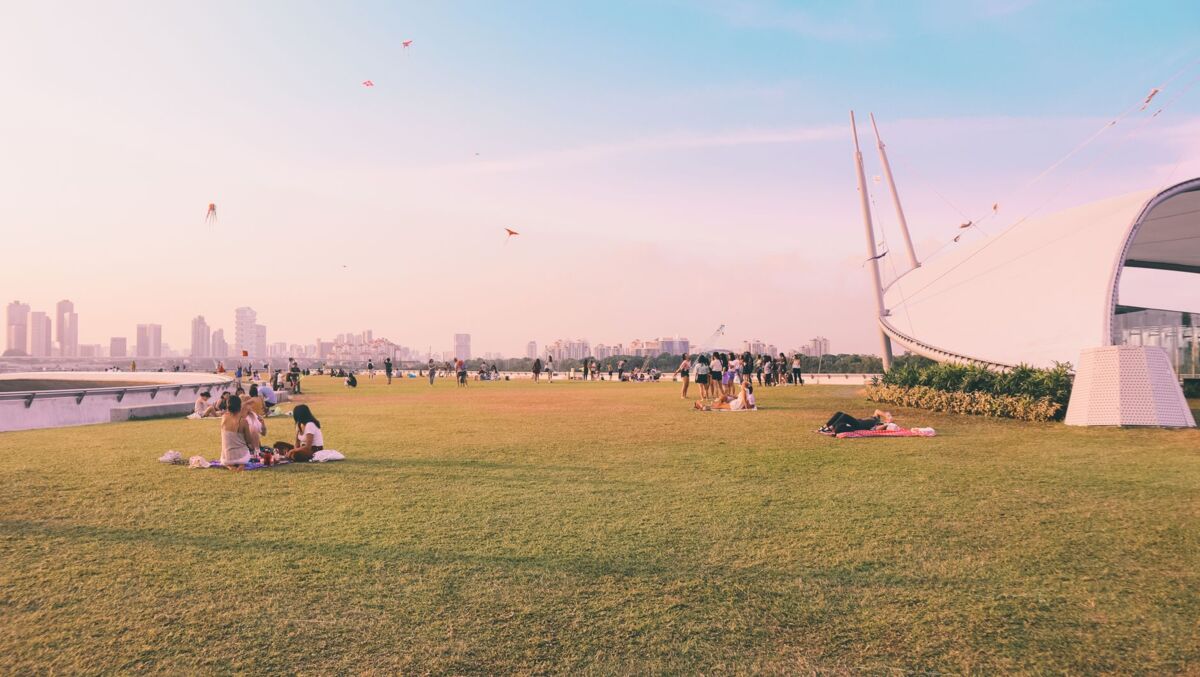
- Marina Barrage, with a free water playground and a breezy rooftop lawn that is hard to beat for kite-flying and an early-evening picnic
Practical things parents actually ask about
- Facilities: the larger gardens generally have nursing rooms, family toilets and water points, and main paths are stroller-friendly, though some nature playgrounds have uneven terrain
- Getting there: many spots sit near an MRT station, which saves the parking hunt; if you drive, arrive early on weekends and holidays as car parks fill
- Water-play hours: these vary by site and areas can close for maintenance, so confirm on the official site before you promise the kids a splash
Beyond the headline gardens, do not overlook the everyday free options: neighbourhood playgrounds, the park connector network for a family cycle, public beaches at East Coast and Pasir Ris, and the People's Association PA Kiddies and community-club courses that run low-cost holiday sessions in many estates.
In this climate, water is the most reliable way to wear kids out happily, and much of it is free. The garden water playgrounds above are the easy starting point, while public swimming complexes offer cheap entry and, at several sites, water-play features for younger children. Pack swim gear, reef-safe sunscreen, towels and a dry change of clothes, reapply often, and supervise closely as depths vary. For more, see our guide to water play parks in Singapore.
Library programmes and indoor culture
When the weather turns or the wallet is empty, the National Library Board is a parent's best friend. NLB runs free school-holiday programmes across its branches, from multilingual storytelling to clay art, coding and science workshops, alongside reading initiatives for younger children. Sessions are free but usually require registration and fill quickly, so check the NLB website early and sign up the moment registration opens.
For culture on a budget, the National Gallery Singapore's Keppel Centre for Art Education is an interactive space designed for children aged 4 to 12, and general admission to the Gallery is free for Singapore Citizens and PRs (children must be accompanied by an adult). Paid venues such as science centres and the ArtScience Museum are worth budgeting for as a highlight day; confirm current prices and booking rules on each official site first. Indoor museums also double as excellent rainy-day backups over a long break.
Creative and enrichment workshops
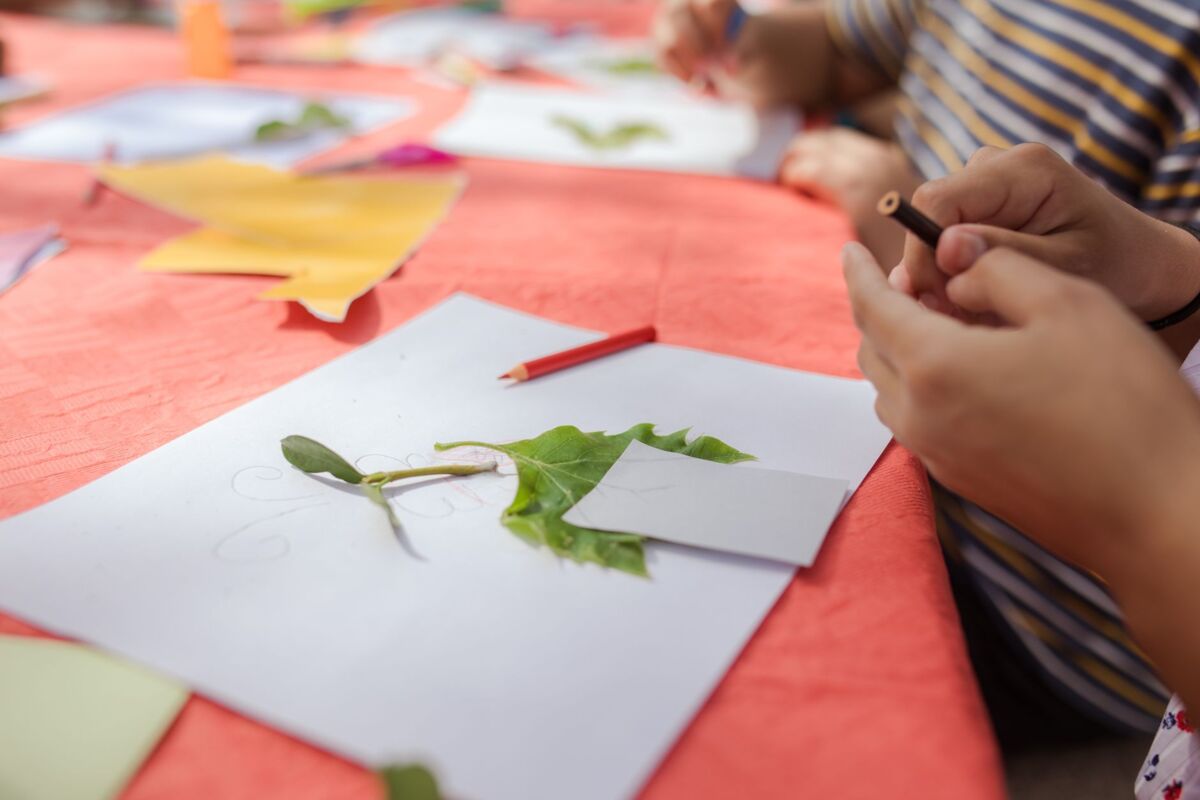
Holidays are a low-stakes window to try something new without a term-long commitment. One-off workshops let a child sample a skill (pottery, baking, art jamming, music, drama, coding or robotics), run by community centres, libraries, museums and private studios at modest cost. Themed enrichment pairs neatly with the calendar too, and our guide to Chinese New Year for families shows how seasonal craft and food activities can do double duty as fun and learning.
Rainy days and home days
It will rain, probably on the day you have nothing planned, and not every day needs an outing anyway. Home days are how you get through a long break without going broke or burning out. The goal is light structure, not a worksheet boot camp. A mix of indoor outings and easy home ideas covers most days:
- Indoor playgrounds, trampoline parks, bowling, skating or climbing for burning off energy
- Museums, galleries, the science centre and public libraries, where a downpour buys hours of dry, engaged time
- Baking together, which quietly folds in reading, measuring and patience
- A blanket fort, a dress-up box or a craft afternoon using recycled materials from around the house
- A balcony science experiment, or free reading with a fresh stack of library books
- Letting each child plan one outing during the break, which builds ownership and cuts the whining
Indoor venues fill the moment it rains during a holiday, so go early or have a backup ready. A spare set of clothes and a small towel in your bag covers most weather surprises.
A planning framework for the break
If you want a simple structure, try this weekly rhythm and loop it through the holiday. It keeps costs sensible, keeps kids happy, and protects everyone's downtime.
- One free outdoor or water-play morning
- One free library, culture or community-centre session
- One paid highlight: an attraction or a camp day
- Two or three slow home days with light learning-through-play
- One family rest day with no agenda at all
Working-parent care options
If both parents work, the long breaks need a care plan, not just an activity plan. Full-day camps are the obvious anchor, but they add up fast across four weeks, so mix them with cheaper cover: a week with grandparents, a shared rota with another family, a part-time helper, or full-morning community-centre programmes. Booking the busiest camp weeks first, then filling the gaps, usually works out cheaper and less stressful than full-day camp every week.
Budgeting and screen time
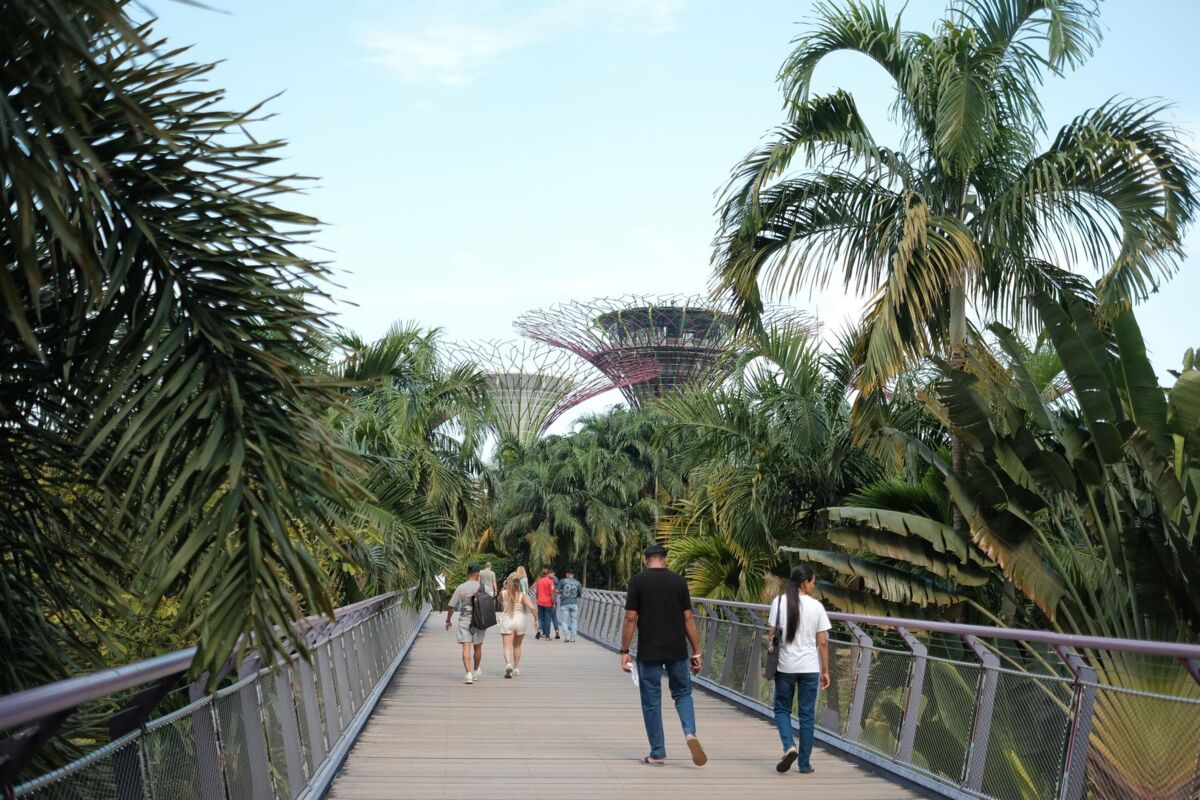
Set a rough budget at the start; most families do best spending big on one or two highlights and keeping the rest free or low-cost. On screens, a clear agreed rule (a set window, or time earned after an outing or reading) avoids the daily negotiation, and a busy morning out is the simplest screen-time reducer there is. To weigh holiday spending against the family budget, the tools in our tools hub can help.
Frequently asked questions
What are the cheapest things to do during the school holidays in Singapore?
The free options are excellent: the children's gardens at the Botanic Gardens and Gardens by the Bay, neighbourhood and nature playgrounds, public beaches, the park connectors, and free NLB library programmes. Add cheap entry at public swimming complexes and low-cost community-centre courses, and you can fill most of a week for the price of transport and snacks.
How far ahead should I book holiday camps?
For the long June and year-end breaks, the most popular camps sell out weeks in advance, so book as soon as slots are released. The short March and September breaks are easier, though specialist camps with limited places can still go quickly.
What should I pack for a day out with kids in Singapore?
For outdoor and water play: sunscreen, a hat, a water bottle, a change of clothes, a small towel, and a light rain cover since showers come fast. For younger children, add wipes, snacks and nappy-change supplies. A compact umbrella or poncho handles most weather surprises year-round.
What can we do on a rainy day?
Indoor playgrounds and trampoline parks, museums and the science centre, public libraries, bowling or skating, and craft cafes all work well. Air-conditioned venues fill the moment it rains during a holiday, so go early or keep a backup in mind. A planned home day with baking, a fort or a board-game tournament is an underrated rescue.
What is the best age for camps versus free play?
There is no hard cut-off, but multi-activity and specialist camps suit school-age children from around primary level who enjoy structure and social time, while toddlers and preschoolers often do best with shorter sessions, water and nature play, and unstructured time. Always check a camp's stated age bands before booking.
Treat the break as a marathon, not a sprint. With a loose weekly rhythm, a couple of free mornings each week and one or two paid highlights, the Singapore school holidays turn from a stretch to endure into one the whole family enjoys. For more seasonal ideas, browse our blogs.
Planning a Baby Shower in Singapore
A warm, practical guide to planning a baby shower in Singapore: timing, venues, themes, food, games, gifts and etiquette...
10 min read
Children's Day Singapore: When It Is and How to Celebrate with Kids
Children's Day in Singapore is the first Friday of October, a primary-school holiday. When it is, why, and warm, low-cos...
9 min read
Children's Theatre in Singapore: A Family Guide to Kids' Shows
A Singapore parent's guide to children's theatre and kids' shows: who stages them, picking by age, relaxed performances,...
11 min read