

Singapore Otters: A Family Guide to Spotting Them in the Wild
In this article
- Why otter spotting is a brilliant family outing
- How Singapore's otters actually live
- The famous Singapore otter families
- Where families often see Singapore otters
- The best times to go
- How to watch otters responsibly (the most important part)
- What to bring and good to know before you go
- Join the OtterWatch community
- Frequently asked questions
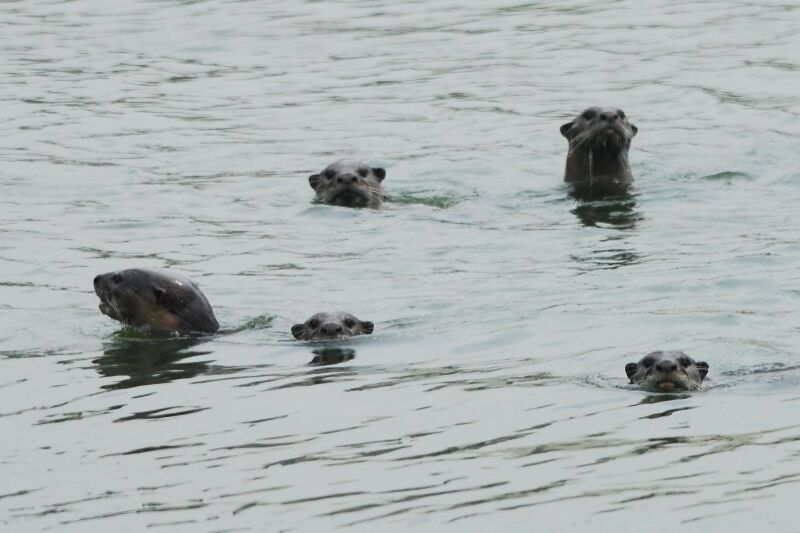
Few things make a Singapore morning more memorable for a child than the sight of a real otter family slipping into the water, all noses and whiskers, off on a fishing trip. Our wild smooth-coated otters have become one of the city's best-loved residents, and the wonderful part is that you do not need a ticket or a tour to meet them. With a little timing and a lot of patience, families can spot Singapore otters in the wild for free, right in the heart of town. This guide is best for parents who want a low-cost, screen-free morning adventure with kids of any age, and who care about doing it the right way so these wild animals stay wild.

Below you will find where families often see otters, the famous otter families worth knowing, the best times to go, how otters actually live, and (most importantly) how to watch them safely and respectfully. One thing to set expectations on first: otters roam where the fish are, so a sighting is always a lovely bonus and never a guarantee.
Why otter spotting is a brilliant family outing
Otters are a perfect first taste of real wildlife for Singapore kids. They are active, social and surprisingly playful, sliding down banks, grooming their fur and herding fish together as a family. Watching them is a gentle, no-cost lesson in nature, patience and respect for living things, and it gets everyone outdoors and moving along our waterways. It is also a proud local story. Otters had all but vanished from a polluted Singapore decades ago and have since returned to thrive in our cleaned-up rivers and reservoirs. They are now what scientists call a keystone species, which means their presence is a living sign that the water and the ecosystem around it are healthy.
How Singapore's otters actually live
Understanding a little about otter life makes a sighting far richer for kids, and it helps explain why the safety rules matter so much. According to the Animal and Veterinary Service (AVS) under NParks, Singapore is home to two otter species, and they behave very differently from one another.
- Smooth-coated otters are the ones almost every family sees. They are the largest otter species in Southeast Asia, locally listed as endangered, and they live and travel in tight-knit family groups along our rivers, reservoirs, mangroves and coastlines.
- Asian small-clawed otters are the world's smallest otters and are far rarer here, found mainly on Pulau Tekong and Pulau Ubin, so they are not the ones you will meet on a city waterfront walk.
Smooth-coated otters live in pairs or larger family groups, resting and raising young in dens called holts dug into riverbanks. Pups are born in litters of up to five, and the whole family helps look after them, which is exactly why adults turn protective when little ones are around. They are superb swimmers, able to stay underwater for up to eight minutes on a single breath, and they hunt mainly for fish, often herding a shoal as a coordinated team. If you hear a chorus of high-pitched chirps and squeaks near the water, that is a family chattering, and it is one of the best ways to find them before you see them.
The famous Singapore otter families
Part of the fun for older kids is that some of our otter families are local celebrities, tracked and named by the community of watchers who follow them. Groups split, merge and shift territory over time, so the cast of characters changes, but it is simply lovely for children to know that the animals they are watching have a story and a place in the city.
- The Marina family has long been associated with the heart of the city, ranging widely across the Marina Reservoir, the bay and the surrounding waterfront.
- The Bishan family traces back to Bishan-Ang Mo Kio Park, where Singapore's modern otter comeback story really took hold along the restored river.
- Other groups patrol stretches such as the Kallang Basin, Pasir Ris and the northern coast, expanding as more young otters grow up and strike out to claim their own territory.
Where families often see Singapore otters
Otters travel surprisingly long distances along our connected waterways and park connectors, so the same family can pop up in very different spots from week to week. These are the areas where families most commonly report sightings, with the relevant park guides linked so you can plan the rest of the morning.
- Marina Bay, Marina Reservoir and Gardens by the Bay - one of the best-known families ranges across the bay and is sometimes seen near the shoreline around Gardens by the Bay. Pair an early walk with a wander through the gardens for an easy, flat, pram-friendly family morning.
- The Singapore River - the quayside stretches around the river are a regular part of the otters' patrol route as they fish along the banks, with cafes and open promenades close by.
- Kallang River and the Kallang Basin - the waterfront promenades around the Kallang area and the Sports Hub are another favourite haunt, with wide open paths that suit prams and scooters.
- Bishan-Ang Mo Kio Park - the park's naturalised river and ponds are where Singapore's modern otter story took off, and otters are still spotted here from time to time.
- Singapore Botanic Gardens - the lakes here are listed by AVS as smooth-coated otter habitat, and an early stroll combines wildlife with shade and easy paths.
- Sungei Buloh Wetland Reserve and Pasir Ris (Sungei Api Api) - these northern coastal and mangrove areas are classic otter and wider-wildlife territory, best for families who do not mind a slightly longer journey.
- Punggol Waterway - the long, flat promenade along the waterway is another spot where families catch the otters fishing on quieter mornings.
Because otters wander, the single most reliable tip is to look for the small clusters of photographers and otter watchers who quietly gather where a family has been seen. They are usually delighted to point excited kids in the right direction. If you want to explore more outdoor ideas around these spots, browse our guide to the best playgrounds in Singapore for an easy plan B nearby.
The best times to go
Otters are most active around early morning and dusk, when they head out to feed. Around the Marina Bay, Singapore River and Kallang stretches, families often have the best luck roughly between 7am and 9am and again between 4pm and 6pm. Getting there just after daybreak is the smart move: the otters start fishing very early, and the waterfront is cooler and quieter for little ones.
- Aim for the early window: a 7am start beats both the heat and the crowds, and morning light is kinder for photos without any flash.
- Weekday mornings are calmest: fewer people means less chance of an otter family being crowded or spooked, which is better for them and for your viewing.
- Follow the food and the tide: coastal spots like Sungei Buloh and Pasir Ris can be more active around tidal changes when fish move, so a quick check of the day's tide helps.
Keep expectations gentle. Some mornings you will see a whole boisterous family tumbling through the water; other days, nothing but a calm reservoir and a few herons. Treat the walk itself as the outing and a sighting as the cherry on top, and nobody goes home disappointed.
How to watch otters responsibly (the most important part)
Otters are generally curious and will not attack unless they feel threatened, but they are wild animals that can bite if cornered, and adults become defensive around their pups. The simplest rule to teach kids is this: look, do not touch, and give them lots of space. The points below follow the official AVS and NParks guidance on encountering otters, and they are worth running through with children before you set off.

- Observe from a distance. Watch quietly from afar and never crowd, surround, chase or corner them. Getting too close can frighten otters and may push them to act in self-defence, especially when there are pups.
- Never feed them. Otters find their own food in the wild, and feeding any wildlife in Singapore is prohibited under the Wildlife Act. Feeding makes otters bolder around people and harms both the animals and us.
- Do not touch, chase or block their path. If a family is crossing in front of you, stop, stay still and let them pass. Be especially calm and keep well back if you can see pups.
- Stay quiet and switch off the flash. Loud voices and bright camera flashes can startle and provoke otters, so keep voices low, phones on silent and flash firmly off.
- Keep dogs on a tight leash. A loose or barking dog can chase and frighten otters and trigger a defensive response, which is dangerous for the otters, the dog and your family.
- Do not litter or leave sharp objects in the water. Clean, safe, fish-filled waterways are exactly what keep otters here, so take your rubbish home and leave nothing behind.
Teaching this calm, respectful approach is part of the magic. Kids who stand quietly and watch without grabbing or chasing get a far better sighting, and they carry that respect into every other wildlife encounter, from the macaques at Bukit Timah Nature Reserve to the birds along any park connector.
What to bring and good to know before you go
- Binoculars and patience: a small pair of binoculars turns a distant ripple into a proper sighting and lets kids watch closely without going anywhere near the animals.
- Best ages: otter spotting suits all ages. Toddlers in prams enjoy the waterfront and the water, while school-age kids old enough to stay quiet and follow the rules tend to get the most out of an actual sighting.
- Pram and stroller friendly: the promenades around Marina Bay, the Singapore River, Kallang and Punggol are largely flat and paved, so they suit prams and little legs. Sungei Buloh has boardwalks but a longer walk in.
- Dress for the weather: bring hats, sunscreen, water and a light rain cover. Early mornings are the coolest and most comfortable for young children.
- Facilities: the major waterfront parks generally have public toilets and nursing or diaper-change facilities, but they can be a fair walk apart along the promenades, so plan a quick stop before you settle in to watch.
- Pack a plan B: a snack and a backup like a nearby playground or the gardens keeps the outing happy even when the otters are shy. A rainy morning is a good day to swap to an indoor option instead.
- Hours and prices change: for any paid attraction you pair the walk with, such as Gardens by the Bay, always check the official website for current opening hours and ticket prices before you go. The waterfront walks and parks themselves are free.
Getting around is easy on public transport, as most spotting areas sit along the MRT network and bus routes near the city and the reservoirs. Plan your route on the official journey planner and aim to arrive for that early window. For more outdoor ideas you can pair with an otter morning, browse our play guides, and see the Fussy Mama blog for the latest family outings around town.
Join the OtterWatch community
If your family gets hooked, Singapore has a wonderful network of otter enthusiasts who share daily sightings, family updates and locations. The OtterWatch community, active on social media and dedicated groups, is the easiest way to find out where a family was last seen and to learn the local otter stories. It is a friendly, informative place for parents, and following along between outings keeps the excitement going for kids. Always treat shared locations gently, and stick to the same quiet, respectful distance whether you found the otters yourself or through a tip-off.
Frequently asked questions
Are Singapore otters dangerous to children?
Otters are wild and generally avoid people, and they will not attack unless they feel threatened or are protecting their pups. They can bite if cornered, so keep children calm, close to you and at a respectful distance, and never let kids run towards, chase or try to touch them. Watched quietly from afar, they are a joy and not a danger.
What kind of otters live in Singapore?
There are two species. The ones families almost always see are smooth-coated otters, which live and fish in family groups along our rivers, reservoirs and coastlines. The much rarer Asian small-clawed otter, the world's smallest otter, is found mainly on Pulau Tekong and Pulau Ubin.
Can we feed the otters?
No. Feeding otters, or any wildlife in Singapore, is not allowed under the Wildlife Act, and it harms the animals by making them dependent and bolder around people. They find plenty of their own fish in our waterways.
What is the best time to see otters in Singapore?
Early morning, roughly 7am to 9am, and dusk, around 4pm to 6pm, are when otters are most active and out feeding. The early window is also coolest and quietest, which is best for both the otters and young children.
What should we do if otters come close to us?
Stay calm, keep still or slowly give them room, and do not chase, corner or block their path. Let the family pass, keep children and any dogs back, and keep voices low. Crowding or startling them is what causes problems, so space and quiet keep everyone safe.
What if we do not see any otters?
That is completely normal, since they are wild and roam widely. Enjoy the walk, the waterfront and the other wildlife you might spot, follow the OtterWatch community for recent sightings, and try again on another early morning or evening.
Admiralty Park Family Guide: Singapore's Playground With the Most Slides
Family guide to Admiralty Park, the Singapore playground with the most slides. Play zones by age, inclusive swings, mang...
11 min read
Archery in Singapore: A Family Guide to Beginner Sessions for Kids
Archery in Singapore for families: how beginner sessions work, suitable ages for kids, indoor vs outdoor ranges, safety ...
9 min read
ArtScience Museum Family Guide: Future World, Tickets and Tips for Singapore Parents
A Singapore parent's guide to the ArtScience Museum: Future World with kids, tickets, the Family Friday free-child deal,...
9 min read