

Tioman Island With Kids: A Family Guide From Singapore
In this article
- Why Tioman works so well for families
- Is Tioman right for your kids' ages?
- Getting there from Singapore
- Best time to go (and the monsoon you must avoid)
- Where to stay, village by village
- What to do with kids
- What to pack for an island this simple
- Money, connectivity and rainy-day backups
- A realistic budgeting overview
- Frequently Asked Questions
If your idea of a family holiday is slow mornings, warm shallow water and a phone that finally stays in the bag, Tioman Island is one of the gentlest tropical escapes you can reach from Singapore without a flight. It sits off the east coast of Peninsular Malaysia, in Pahang's Rompin district, and has kept the low-rise kampung pace that busier resort islands traded away long ago. This guide is for Singapore parents weighing up a long weekend or a week away with babies, toddlers and primary-aged kids. It is a planning guide rather than a resort review, so we keep resorts and prices broad and stay accurate on the part that catches families out most: the journey and the season.
Why Tioman works so well for families
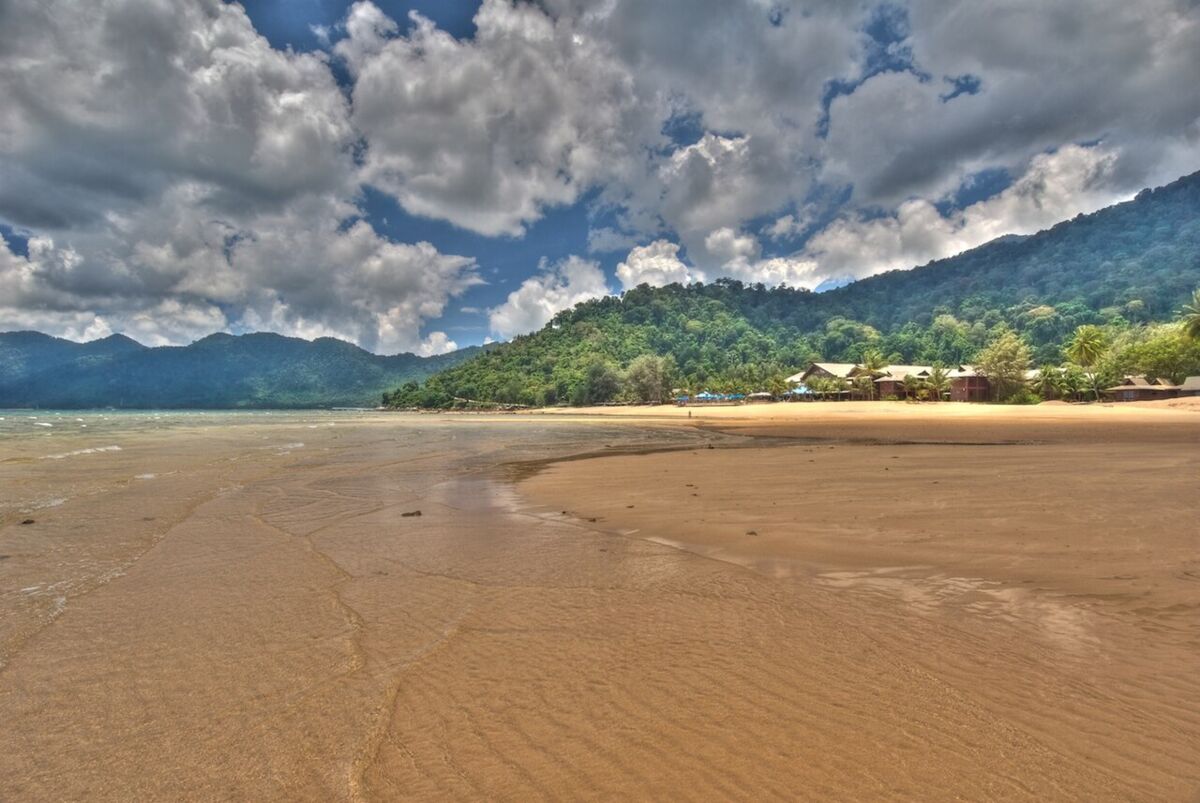
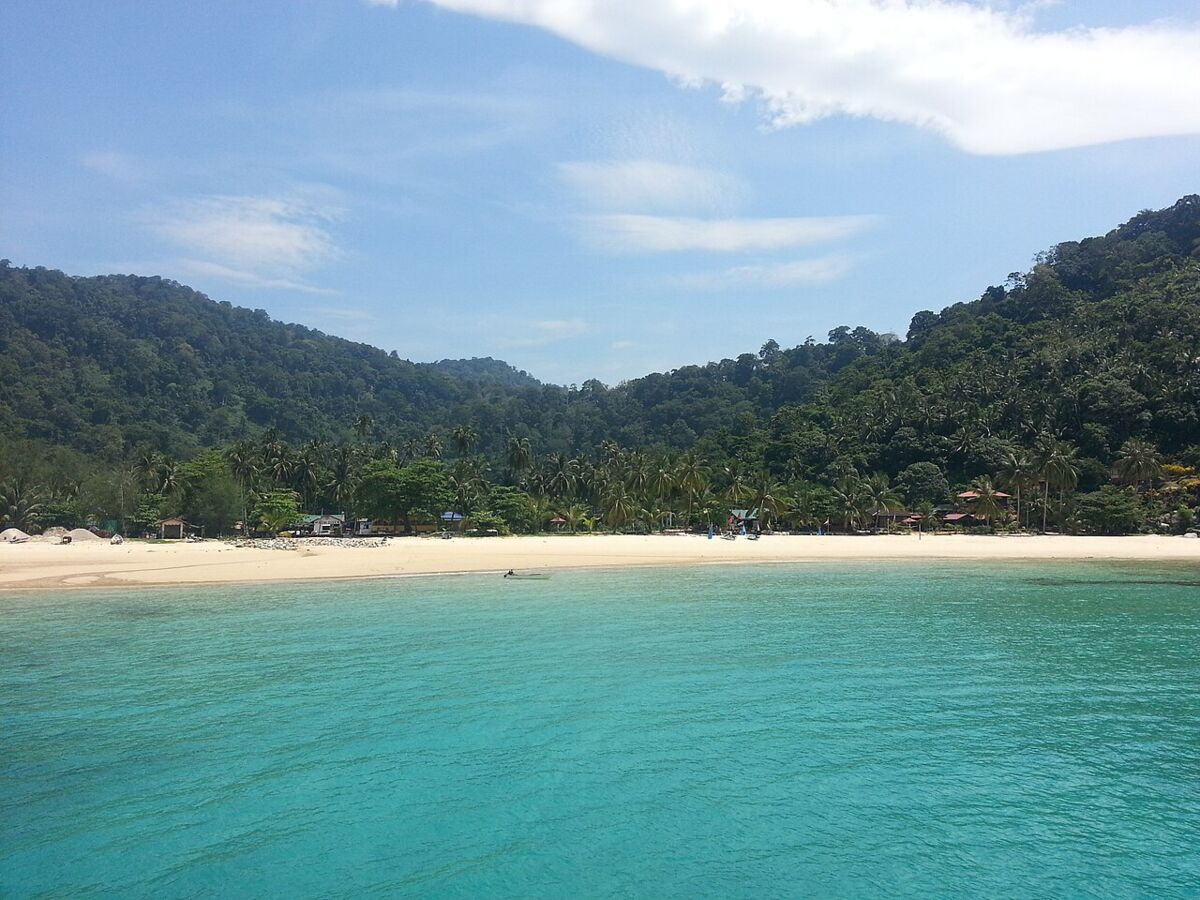
The biggest reason is also the simplest: there is no flight. You travel overland to a mainland jetty and take a short ferry across, so no airport queues and no jet lag. The island is a protected marine park, so the water is famously clear and full of life, and the small villages along the west coast each have their own beach and quiet rhythm. Kids paddle in calm bays, watch the fishing boats come in, and fall asleep to the sea instead of traffic.
- No plane needed. The whole trip is road plus a ferry, far less stressful with young children than a budget flight.
- Calm, shallow bays. Many west-coast beaches stay gentle and shallow a long way out, which suits younger swimmers (supervise closely).
- Easy snorkelling. You can snorkel straight off some beaches, and boat trips reach vibrant reefs and islets nearby.
- Marine park protection. The reefs and turtles are part of a conservation area, so there is genuine wildlife to show curious kids.
- Duty-free and unhurried. A duty-free island with a real village feel rather than a built-up resort strip, lovely for slowing everyone down.
Is Tioman right for your kids' ages?
Tioman rewards families who want a quiet, beach-and-water break rather than playgrounds and constant activity. Babies and toddlers do well because the bays are shallow and the days are unstructured, though you carry them over sand and jetties rather than wheeling a pram. Primary-aged children tend to love it most: strong enough to snorkel with a float, curious about turtles, and happy to fill a day with sandcastles and shallow swimming. Teens who need constant Wi-Fi may find it slow. If your family wants structured entertainment and reliable connectivity, a more built-up option such as a Bintan family getaway may suit better; Tioman is for families chasing calm.
Getting there from Singapore
There is no bridge, so the route is always the same in shape: cross into Malaysia, travel overland to a mainland jetty, then take a ferry across. The two gateways are Mersing in Johor, the more popular one and closer to Singapore, and Tanjung Gemok in the Rompin area of Pahang. The sea crossing typically runs around 1.5 to 2 hours depending on the jetty and which beach you are headed to. Confirm exact timings on the official ferry operator sites, as they shift with season and tide.
Coach or drive yourself?
- Choose coach or car. Direct coaches run from Singapore to the Mersing or Tanjung Gemok jetties and are the low-stress option with young kids. Driving can be quicker door to door (Mersing is roughly a couple of hours from the Causeway plus border time) but you take on parking and checkpoint queues. You cannot bring your car onto the island, so it sits at a jetty car park.
- Clear immigration. Everyone needs a valid passport, including babies and children. By coach you get off at both checkpoints to clear immigration in person, so factor in time for little legs.
- Board the ferry, then transfer. Arrive at the jetty well before departure. At the island the ferry calls at several village jetties in sequence, and some smaller stays send a little boat to bring you the last stretch to the beach.
A few border notes. Each passport should have plenty of validity left, since six months beyond your travel dates is the usual rule of thumb. If you are driving your own car in, sort out the Vehicle Entry Permit (VEP) and car insurance first. A small marine park conservation fee is usually collected on arrival, payable in Malaysian ringgit; check the current rate, as it changes. Confirm the latest timings, fares and fees on the official operator and tourism sites before booking.
One more crossing note: the open-sea leg can get bumpy. If anyone is prone to seasickness, ask your doctor or pharmacist about options suitable for children before you travel, sit mid-boat, look at the horizon rather than a screen, and keep a spare set of clothes and a plastic bag within reach.
Best time to go (and the monsoon you must avoid)
Plan around this first. Tioman sits in the path of the northeast monsoon, roughly November to February, when seas turn rough, ferry services are reduced or suspended, and many resorts close. It is not a season to gamble a family trip on. The usual window for calm water and reliable crossings is the drier stretch from around March to October, and even then weather can change quickly, so check current sea and ferry conditions before booking non-refundable nights. If a crossing looks doubtful, our Desaru family getaway guide covers a mainland east-coast option that is far easier to reach.
Where to stay, village by village
Tioman is a series of small bays, each with a different feel, and where you base yourself shapes the trip. The ferry stops at the main village jetties in turn, so pick one quiet bay as your home and treat the others as day hops. Confirm what is open for your dates, since some properties shut over the monsoon.
- Salang sits at the northern end and is one of the livelier bays, with small places to stay, eat and arrange snorkelling trips. Good for a bit of buzz and easy reef access.
- Air Batang (ABC) is a relaxed bay with a walkable beachfront path, simple chalets and a friendly, low-key feel for easygoing families.
- Tekek is the main village and transport hub, with the airstrip, more shops and the most facilities, which can be reassuring with young children.
- Genting is busier at weekends and popular with domestic visitors, with a long beach and plenty of basic accommodation.
- Paya is a quieter, family-leaning bay with a gentle beach and mid-range stays, for those wanting calm over nightlife.
- The Berjaya Tioman Resort area near Tekek is the largest single resort, with a pool and on-site dining for families who prefer everything in one place.
Whichever bay you pick, expect island-basic rather than city-hotel facilities, and check directly about cots, family rooms and whether your stay runs its own boat transfer. For resort-style comforts closer to home, compare with our roundup of the best family hotels in Singapore.
What to do with kids
You do not need a packed itinerary here. Most of the joy is unstructured: sandcastles, floating in a warm bay and wandering a quiet village on foot. When you want a little more, these are the classics.
Snorkel the reefs, including Renggis Island
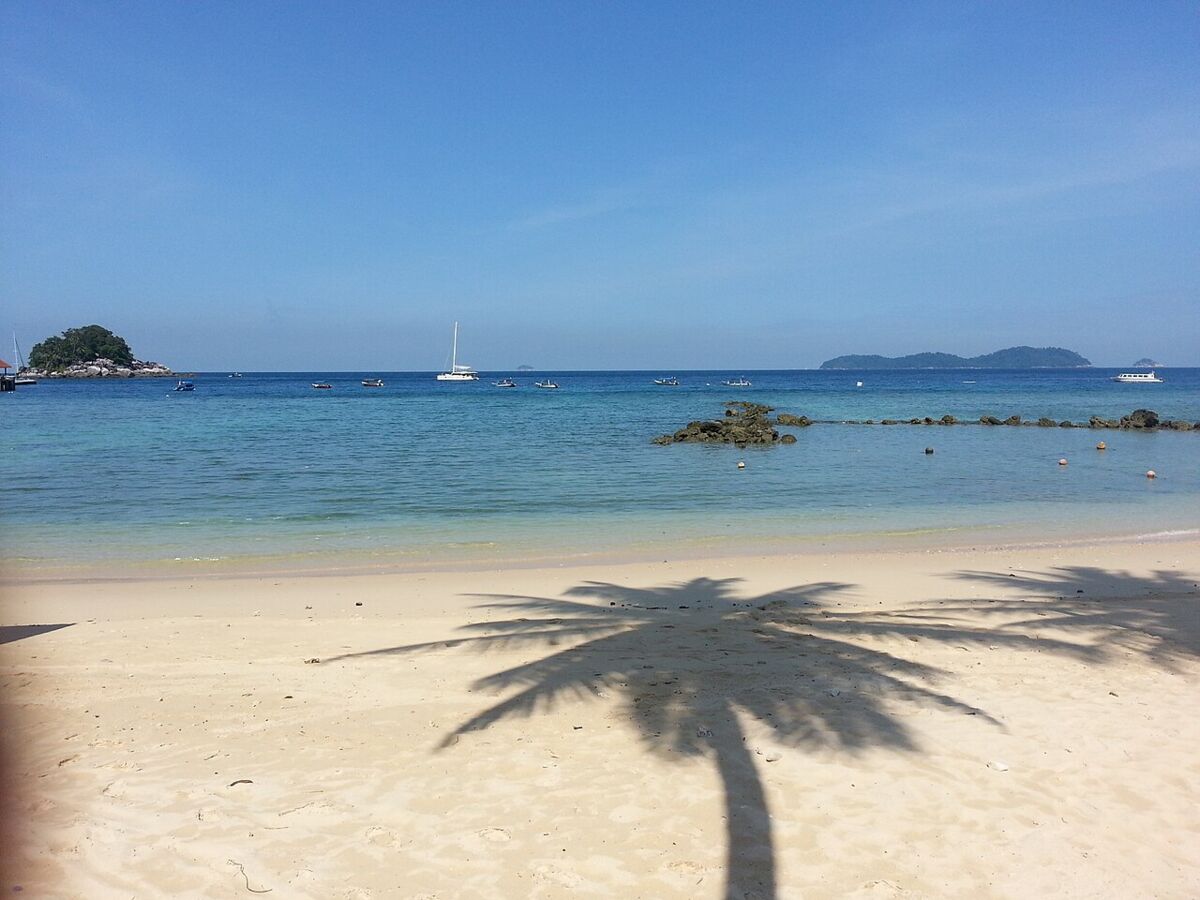
Many bays have decent snorkelling close to shore, and beachfront operators run easy boat trips to nearby reefs. A favourite is the water around Renggis Island, a small islet a short boat ride off the west coast, known for shallow, fish-rich coral that suits first-time snorkellers. Bring or rent child-size masks, use a flotation aid for little ones, pick a calm morning, and never let kids snorkel unsupervised.
Beach-hop the bays and meet the turtles
Because the ferry threads the west-coast villages together, families often base in one quiet bay and take short walks or boat hops to the others; a morning at a livelier beach and an afternoon on your own calm stretch is plenty of variety. Over on the east coast near Juara, a community turtle conservation project looks after nesting sites and, in the right season, lets you glimpse hatchlings, a memorable, screen-free lesson for curious children. Treat any wildlife with gentle, hands-off respect.
What to pack for an island this simple
Tioman is wonderfully low-key, and that simplicity is what you plan around. Facilities are basic compared with a city hotel, so a little preparation goes a long way.
- Cash in Malaysian ringgit. Card acceptance is patchy and ATMs are very limited and can run dry. Withdraw or change money on the mainland, around Mersing town, before you cross.
- Reef-safe sunscreen and sun protection. Rash vests, hats and high-SPF reef-safe sunscreen protect both your kids and the coral.
- Water shoes. Rocky entries, jetties and hot sand all go easier with proper water shoes for everyone.
- Motion-sickness remedies. Sort these before you travel; do not rely on buying them on the island.
- A small first-aid kit. Plasters, child paracetamol, rehydration salts, insect repellent and regular medicines, since pharmacies are limited.
- A baby carrier, not a stroller. Sandy paths and jetties are not pram-friendly, so a carrier is far more practical for little ones.
- A power bank and offline entertainment. Some stays have simpler power and weak signal, so download maps, shows and music before you arrive.
With a baby or toddler you often need more than the island can supply, so pack diapers, wipes, formula and snacks for the whole trip rather than counting on village shops.
Money, connectivity and rainy-day backups
- It is largely a cash economy. Carry small ringgit notes for the conservation fee, boat transfers and tips.
- Connectivity is limited. Signal and Wi-Fi can be patchy in quieter bays. Many families lean into the digital detox; warn anyone who needs to reach you.
- Plan a wet-weather hour. Even in dry months a storm can keep you off the boats, so pack card games and a downloaded film per child.
- Nursing and changing are basic. Quiet bays make discreet feeding easy, but bring your own changing mat and do not expect baby-care rooms.
A realistic budgeting overview
Treat this as a framework, not a price list, since fares and rates move with the season. Costs fall into a few buckets: getting to the jetty (cheapest if you drive your own car; a coach adds a per-seat fare but removes the hassle), the return ferry (a fixed, bookable cost with lower children's fares), the small per-person marine park conservation fee in ringgit, accommodation and food (the biggest swing, from a simple chalet to the largest resort, with village warungs keeping meals modest), and activities like boat snorkelling and gear rental. Confirm each on the official source before you commit.
For a useful contrast, our cruises from Singapore for families guide shows the opposite model: a cruise bundles everything into one price, where Tioman keeps fixed costs low and leaves more up to you.
Frequently Asked Questions
Is Tioman Island good for young children?
Yes, especially for families who want a quiet, beach-focused break. Many west-coast bays are calm and shallow and the slow pace suits little ones. Go in with realistic expectations on facilities and supervise water time closely.
Do children need a passport for Tioman?
Yes. Tioman is in Malaysia, so every family member, including babies, needs a valid passport to clear immigration at the border. Check that each has enough validity left before you travel.
How long does the journey from Singapore take?
Plan for most of a travel day: the overland leg to the jetty, the Causeway and immigration, then a ferry crossing of roughly 1.5 to 2 hours depending on the jetty and beach, plus check-in buffers. Confirm current timings on the official ferry sites before you set off.
When should we avoid going?
Avoid the northeast monsoon, roughly November to February, when seas are rough, ferries are cut back or suspended, and many resorts close. The drier window from around March to October is the usual time for calm water and reliable crossings; always check conditions before booking.
Can I bring a stroller, and are there ATMs?
A stroller is more hindrance than help on sandy paths and jetties, so bring a baby carrier. ATMs on the island are very limited and can run out of cash, so withdraw or change enough Malaysian ringgit on the mainland before you cross.
How does Tioman compare to flying for a beach holiday?
Tioman trades polish for calm and a no-flight journey. If you want resorts, kids' clubs and reliable Wi-Fi, a flight-based destination may suit better; if you want quiet bays, easy snorkelling and a real wind-down without a plane, Tioman is hard to beat.
Get the season and sea conditions right, pack cash and patience, and Tioman rewards you with the kind of unhurried, screen-free family time that is getting harder to find. Confirm current schedules, fares and fees on the official sites below before you book.

Babymoon Singapore: when to go, where to stay and how to travel safely
Planning a babymoon Singapore mums-to-be will love? See the best trimester to travel, staycation vs short-haul ideas, an...
9 min read
Bali With Kids: A Family Holiday Guide From Singapore
Planning Bali with kids from Singapore? The short flight, entry rules, best family areas, things to do, and real parent ...
11 min read
Batam With Kids: A Family Getaway Just a Ferry Ride From Singapore
Planning Batam with kids? Our family guide covers the short ferry from Singapore, resorts with pools, things to do, mone...
11 min read