
Where to Buy (and Borrow) Children's Books in Singapore: A Parent's Guide
In this article
Few things settle a restless toddler or a wired-up six-year-old quite like a good book at bedtime. The catch is that building a home library in Singapore gets pricey fast, especially when little ones tear through picture books in a single sitting. The good news: between the free public library system, bookstore chains, curated independents, online shops and a lively preloved scene, you can keep your child in children's books in Singapore without blowing the budget. This guide covers where to borrow, where to buy, how to pick the right books for kids at every age, and how to turn it all into a reading habit that sticks, whether you are starting from scratch or just trying to spend smarter.
Borrow for free first: the National Library Board
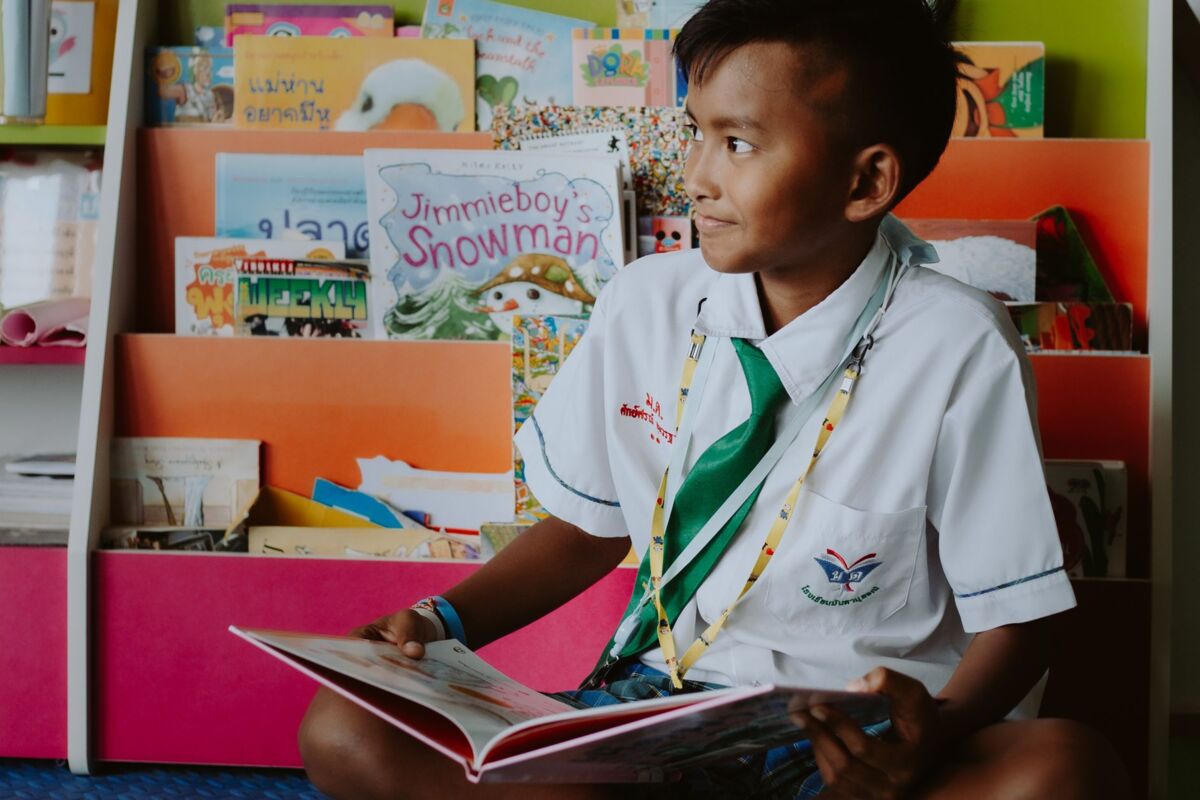
Before you spend a cent, sign up at the library. The single best deal for any reading family in Singapore is the public library run by the National Library Board (NLB), with branches island-wide from regional libraries to small neighbourhood ones tucked into malls and community hubs. Basic membership is free for Singapore citizens. Permanent Residents can join too (a small one-time registration fee typically applies), and foreigners living here can become members as well. Once you are signed up, you can borrow a generous number of physical items at a time for several weeks, then renew online or return them at any branch, not just the one you borrowed from.
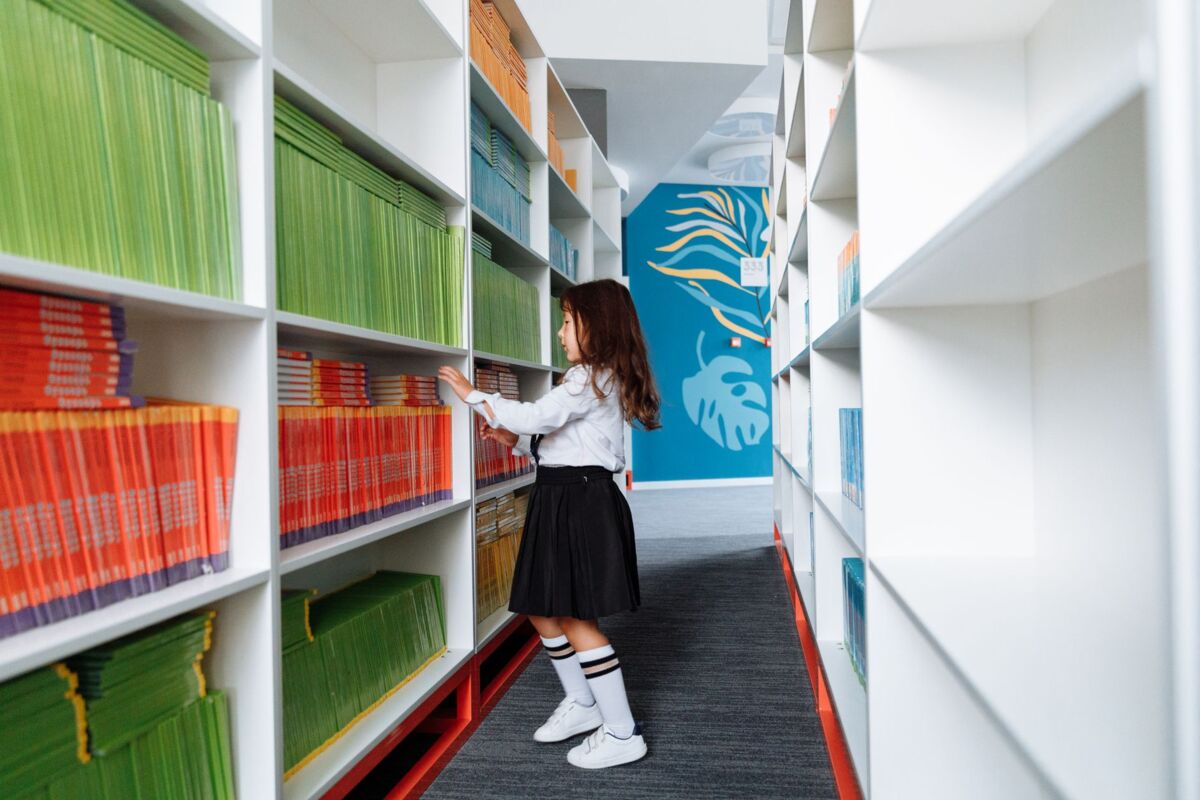
The children's sections are genuinely lovely: low shelves sized for small hands, cosy reading corners, and a deep range of board books, picture books, early readers and chapter books across English, Chinese, Malay and Tamil. Many branches run free story-time sessions for young children, a brilliant rainy-day outing and a low-pressure way to get a fidgety toddler used to sitting with a book. NLB has also long run a programme that registers babies as members, sometimes with a welcome pack of board books, so your child can have a library card from the very start. Perks and schedules change, so check the official site for what is on now.
On the days you cannot face leaving the house, the digital collection does the heavy lifting. Through the NLB Mobile app you can borrow children's eBooks and audiobooks, browse the catalogue, reserve titles and manage loans. Digital loans expire on their own at the end of the borrowing period, so there is nothing to return and currently no overdue fines. Audiobooks in particular are a quiet-time saviour on long car rides or when you need ten minutes to cook dinner. For exact loan limits, membership fees, app details and branch opening hours, check nlb.gov.sg, as these details do change.
Where to buy children's books in Singapore
When you do want to own a book, in-person browsing is hard to beat because kids choose better when they can flip pages and see covers. The big chains are the easiest starting point and the most stroller-friendly, sitting inside malls with lifts, nursing rooms nearby and food courts for the inevitable post-shopping meltdown.
The big bookstore chains
- Kinokuniya has large, well-organised children's sections with a wide English-language range plus imported picture books and series. Its flagship at Ngee Ann City on Orchard Road is the biggest, with other branches around town. Check kinokuniya.com.sg for current store locations before you head out, as outlets do shift over time.
- Popular bookstores are scattered across the heartlands and malls, carrying storybooks, early readers, activity books and the assessment and workbook titles local kids eventually graduate to. Handy when you want everything in one trip near home.
- Times and other general bookshops also stock children's titles and often run sale tables worth a rummage. Stock and branches vary, so a quick check of the store's site or a call ahead saves a wasted journey.
Tip for the chains: weekday mornings or right after opening are calmest, which matters if your child needs space to browse without being jostled. Most have parking and direct MRT access, so a book run pairs neatly with errands.
Independent and specialist children's bookshops
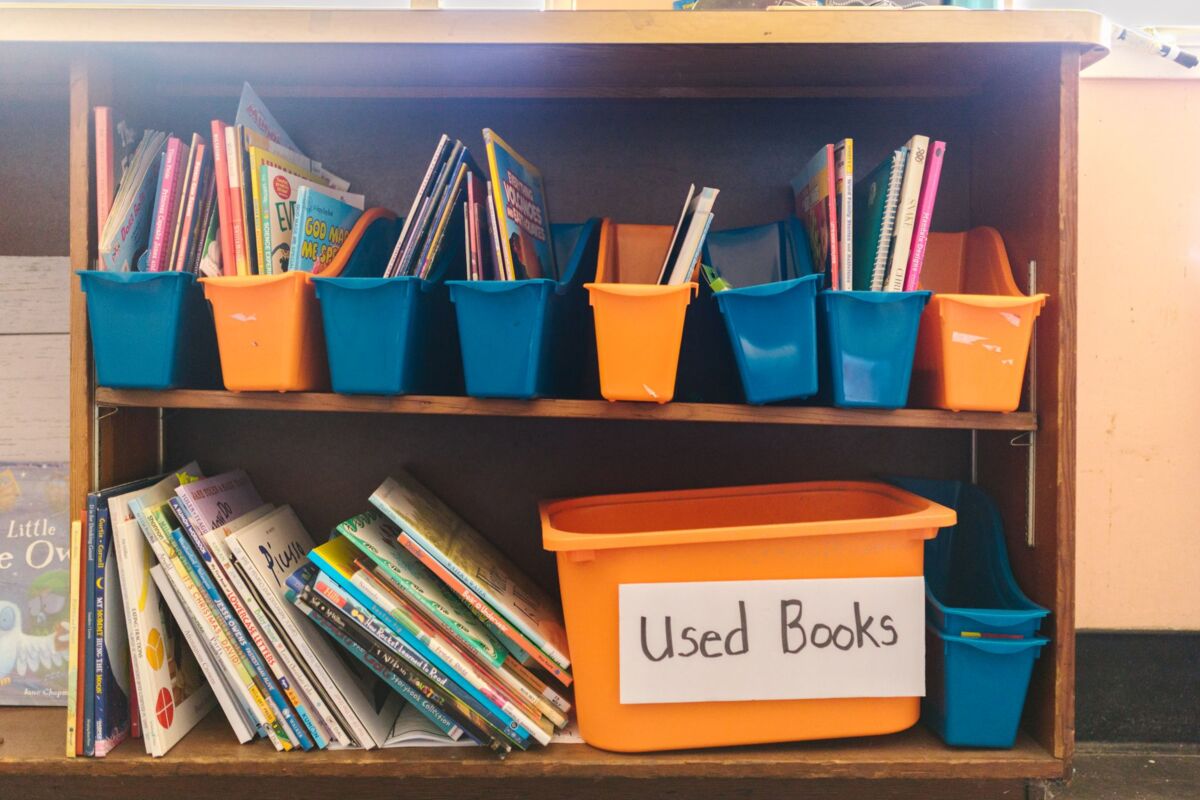
For a more curated experience, Singapore has a growing number of specialist children's bookshops. Some focus on beautiful picture books and well-chosen middle-grade and young-adult titles imported from the UK, US and Australia, the kind of stock a big chain will not always carry. Others specialise in Chinese children's books and bilingual readers, a lifesaver for families building a mother-tongue collection. These smaller stores often run storytelling sessions and author events, and the staff give genuinely useful, age-aware recommendations, so they are worth seeking out if your child is a reluctant reader and you need a person, not an algorithm, to match a book to them. Hours at independents can be shorter or weekend-weighted, so confirm before visiting.
Online children's bookstores
Prefer to shop from the sofa during nap time? Several Singapore-based online children's bookstores let you filter by age, reading level or theme and deliver to your door, often with free shipping above a minimum spend. They are great for restocking a series, buying gifts or finding mother-tongue titles that are harder to track down in person. Prices, stock and delivery thresholds change constantly, so check the shop's own site before checkout, and watch for festive and back-to-school sales.
Preloved books, swaps and book fairs
Children outgrow books faster than almost anything, which makes the secondhand market a parent's best friend. Online resale marketplaces and thrift platforms here carry stacks of gently used picture and chapter books at a fraction of retail, and they are an easy place to pass on the ones your kids have outgrown. For in-person browsing, the Bras Basah Complex area near Bugis is the classic hunting ground for secondhand bookshops, where patient digging turns up real bargains.
Keep an eye out for book fairs and pop-up sales too. Large warehouse-style book sales surface through the year, and schools, libraries and community centres often hold their own sales and swaps. Literary events such as the Asian Festival of Children's Content, organised by the Singapore Book Council, frequently include a family book fair. Follow your favourite bookshops, your school's parent group and the Singapore Book Council online so you catch the dates. Fairs are also a chance to let kids pick their own titles, which does wonders for motivation, and a neighbourhood swap with other parents costs nothing and refreshes everyone's shelves at once.
How to choose books by age
Matching the book to the child is half the battle; the right fit is what keeps them turning pages instead of wandering off. Here is a rough age map that works for most families, but treat it as a starting point, not a rule.
- Babies (0 to 1): chunky board books, cloth books and bath books built to be chewed, dropped and flipped. High-contrast images, simple shapes and faces hold their attention; the book is a toy as much as a story here.
- Toddlers (1 to 3): board books and short picture books with rhythm, rhyme and repetition. Lift-the-flap and touch-and-feel titles invite little hands in, and books about daily routines, animals and feelings land well.
- Preschool (3 to 5): picture books with a clear story arc and rich illustrations. Stories about sharing, big feelings and starting school resonate, and silly, funny books earn endless re-reads.
- Early readers (5 to 7): easy or phonics readers with short sentences, repeated words and plenty of picture support so kids can sound words out and feel like real readers. First illustrated series build confidence here.
- Lower primary (7 to 9): first chapter books and heavily illustrated series. Familiar characters across a series keep momentum going, and humour is gold for hooking this age.
- Middle grade (9 to 12): longer adventure, mystery, fantasy and funny realistic fiction, plus age-appropriate non-fiction for fact-loving kids. This is where many children fall in love with reading for its own sake.
- Young adult and teens (13+): full-length novels spanning fantasy, dystopia, romance and stories about identity and growing up. Some YA tackles mature themes, so it is worth skimming reviews or the blurb if you want to gauge content for a younger or sensitive teen.
A trick borrowed from good booksellers: shop by what your child already loves. If they devoured a funny series, ask staff or search for read-alikes in the same vein; if they are dinosaur-obsessed, a non-fiction title a notch above their level will still hold them because the subject does the pulling. Pick books with the child in mind, not just the age label on the back.
Supporting bilingual and mother-tongue reading
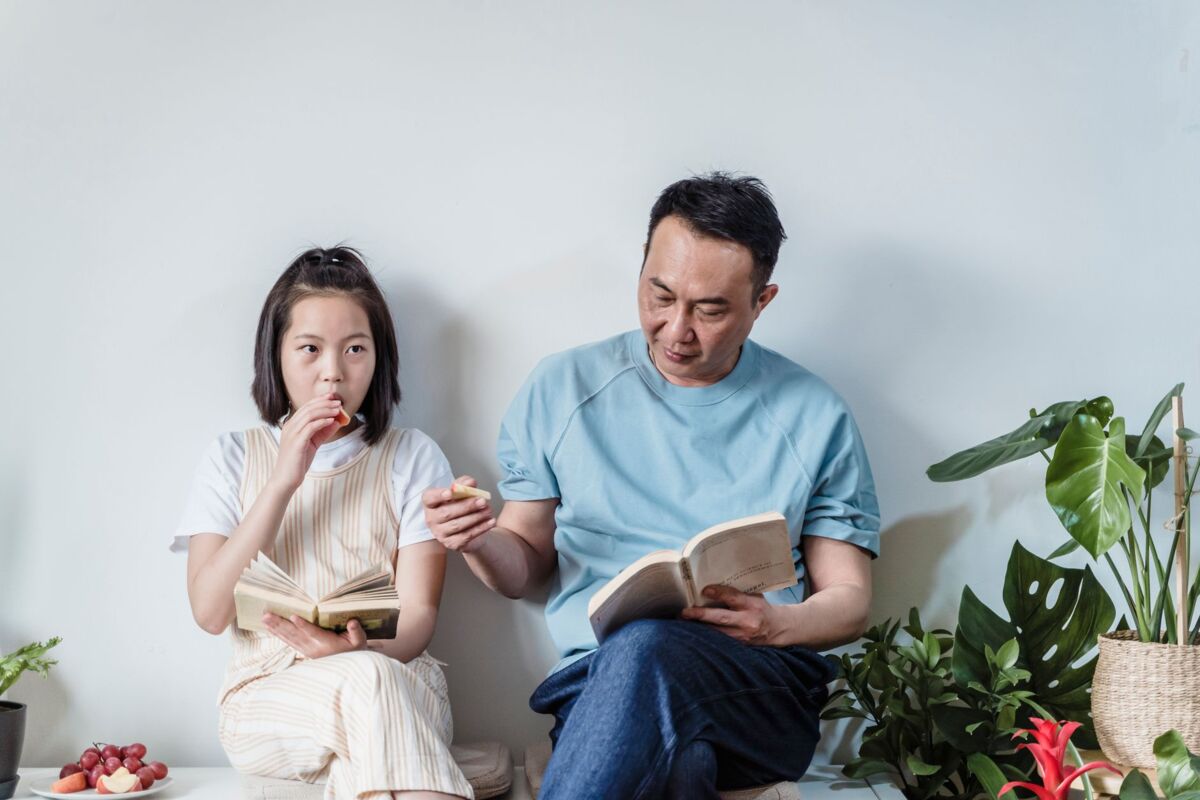
For many Singapore families, building a Mandarin, Malay or Tamil reading habit alongside English is a priority, and also where parents most often get stuck. A few things help. Start mother-tongue books as early as English ones, with the same board-book-to-picture-book progression, so the second language never feels like the harder, later one. Bilingual picture books with both languages on the page are a gentle bridge if you are less confident reading the mother tongue aloud. Specialist Chinese-language bookshops, the chains' mother-tongue sections and the NLB collections all carry strong ranges, and library audiobooks help with pronunciation. Pick fun, story-driven titles over textbook-style ones at home; the goal is to make the language feel like play, not revision.
Winning over a reluctant reader
Not every child takes to books straight away, and pushing harder usually backfires. What tends to work instead:
- Follow the obsession. Football, slime, sharks, video games: there is a book for it, and interest beats reading level every time.
- Lean on funny and graphic. Comics, graphic novels and joke-heavy series are real reading, and they often unlock a child who has decided books are boring.
- Let audiobooks count. Listening builds vocabulary and story-sense, and many reluctant readers happily follow along with the print version once the pressure to decode is gone.
- Keep sessions tiny. Five forgiving minutes beats a tense thirty, and stopping while they still want more leaves them keen to come back.
- Make them the chooser. A trip to the library or a book fair where they pick freely turns reading from a chore into a treat.
Building a daily reading habit
Owning or borrowing books is only step one; the habit is what counts, and habits beat motivation. A few routines that work for Singapore families with packed schedules:
- Anchor reading to something that already happens, like every night after the bath, so it runs on autopilot.
- Keep it short and pressure-free. Ten minutes a day beats an hour once a week, and consistency builds fluency.
- Let them choose. Free choice at the library or bookshop gives kids ownership and makes reading feel like theirs, not homework.
- Read aloud well past the age they can read alone; it grows vocabulary and keeps reading a warm, shared thing.
- Make books visible. A low shelf or basket in the living room gets reached for far more than books shut in a cupboard.
- Be the example. Kids who see parents read for pleasure quietly absorb that reading is just a normal part of life.
Frequently asked questions
Is it free to join the library in Singapore?
Basic NLB membership is free for Singapore citizens. PRs can typically join with a small one-time registration fee, and foreigners living here can also become members. Confirm the current terms at nlb.gov.sg.
Can my baby have a library card?
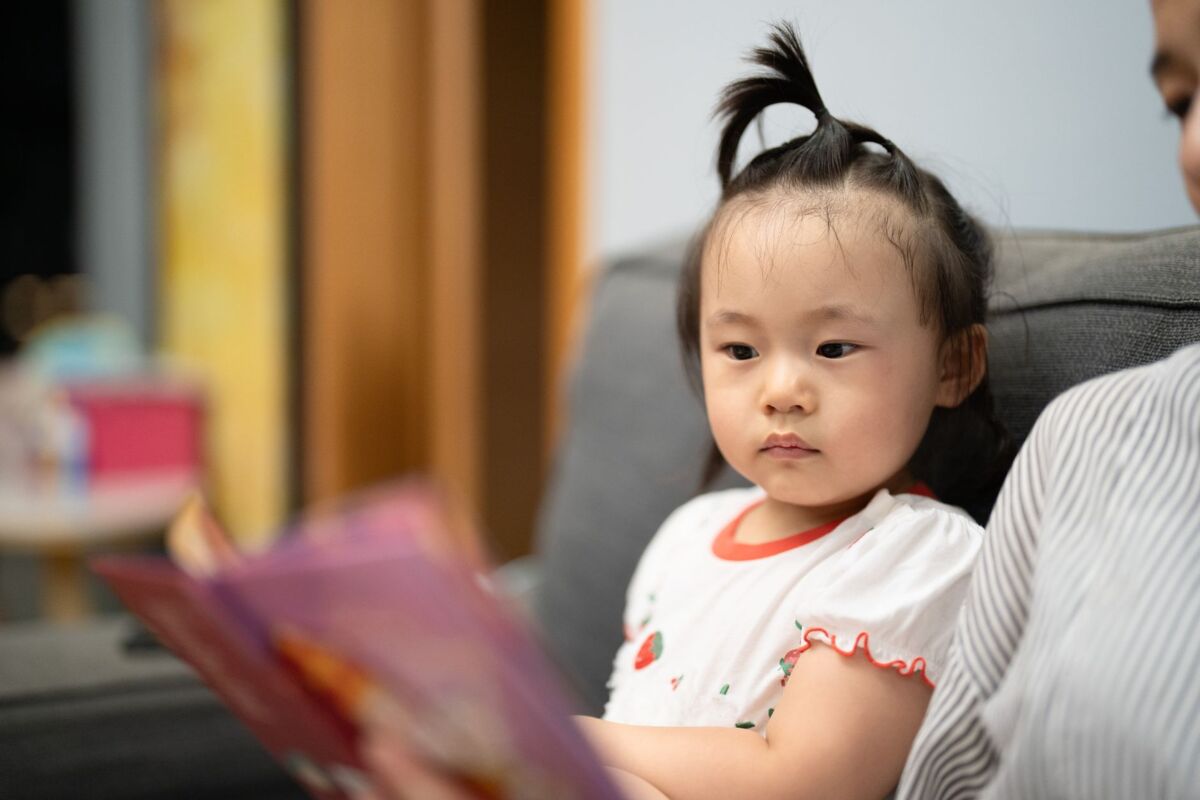
Yes. NLB has run a programme specifically to register babies as members, so even your littlest can have their own card and start borrowing board books, sometimes with a welcome gift. Check the official site for the latest details and perks.
What are good books for a 4 year old?
At four, picture books with a clear story and lots of illustration are the sweet spot, especially funny ones and stories about feelings, sharing and routines they recognise. Pick titles you will not mind reading over and over, because re-reading is how this age learns, and let your child help choose along whatever subject they are obsessed with.
What are the best books for 8 year olds?
Eight-year-olds usually thrive on first chapter books and illustrated series, with humour, adventure and mystery near the top. A series is ideal because familiar characters keep them coming back. If your child loved a particular book, ask a bookseller or librarian for read-alikes; matching the next book to what already worked is the most reliable way to keep an eight-year-old reading.
What is the cheapest way to keep my child in books?
Combine the library for endless variety, preloved shops, swaps and fairs for cheap ownership, and the occasional new purchase for the few titles they will reread forever. That mix keeps both the budget and the clutter under control.
How do I find Chinese or mother-tongue children's books?
Look to specialist mother-tongue bookshops, the dedicated language sections in the big chains, online stores that let you filter by language, and the NLB's Chinese, Malay and Tamil collections. Bilingual picture books are a gentle starting point if you are less confident reading the language aloud.
For more family ideas, browse our guide to baby fairs in Singapore for sales worth catching, plan a wet-weather day around our family-friendly malls guide where many bookshops live, or turn a library trip into an outing with our Great World family guide. Find more in our blogs hub. Happy reading.
Art Jamming in Singapore: A Family Guide to Painting and Art Fun
Your parent's guide to art jamming in Singapore: what it is, the best ages, studio vs cafe vs at-home, what to bring, ro...
11 min read
Baby Fairs in Singapore: A Parent's Guide to Deals, Dates and Smart Shopping
A practical guide to baby fairs in Singapore: where they run, what to buy and skip, how to spot real deals, what to brin...
10 min read
Best Baby Swaddles and Sleep Sacks in Singapore
How to choose safe, breathable baby swaddles and sleep sacks in Singapore's hot climate, when to stop swaddling, and wha...
9 min read