

Cat Cafe Singapore: A Family Guide to Animal Cafes
In this article
- What is an animal cafe?
- How animal cafes work: entry fees and minimum spend
- The minimum-age question, honestly
- Etiquette and animal welfare: teaching kids gentle, respectful interaction
- How to choose a responsible, AVS-licensed cafe
- What to expect with kids, step by step
- Hygiene and allergies
- Getting there, accessibility and crowd timing
- Frequently asked questions
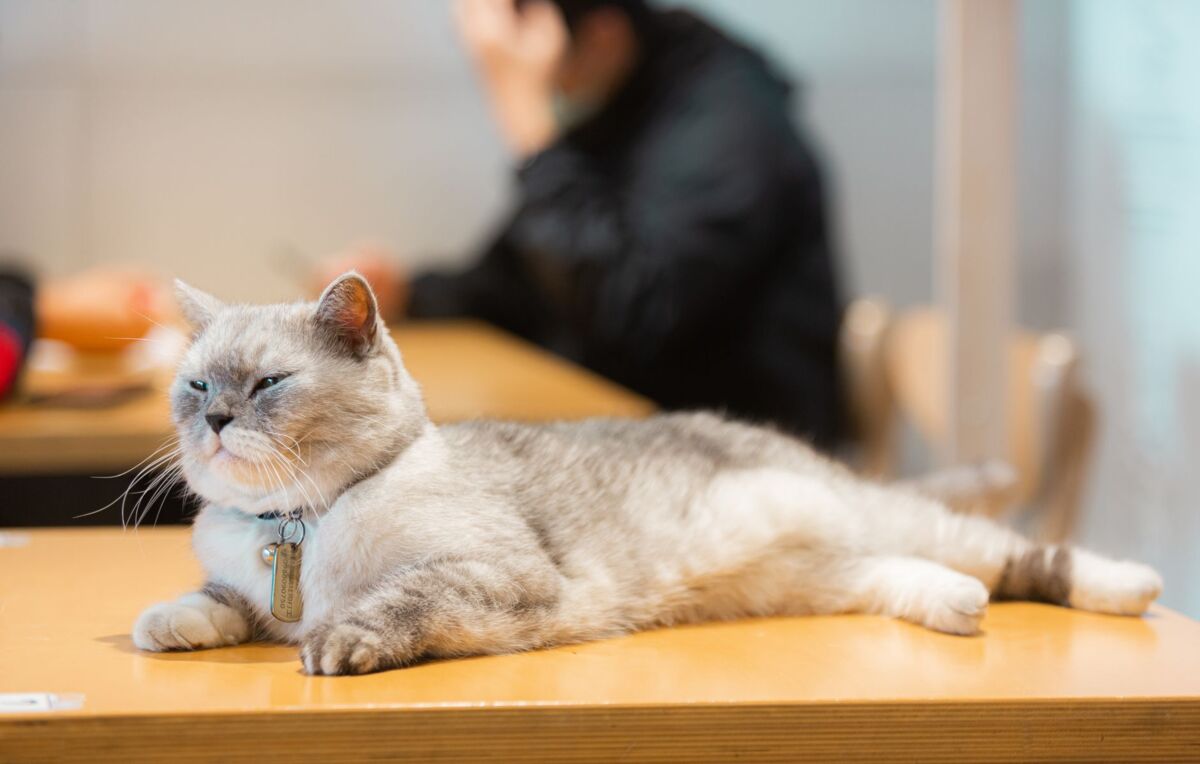
There is a particular kind of magic in watching your child sit very still, hand outstretched, hoping a sleepy tabby will wander over and choose them. A cat cafe in Singapore, along with the small crowd of dog and other animal cafes around it, gives families a calm, air-conditioned way to be around animals without owning a pet, and for many children it is the gentlest introduction to caring for another living thing. This guide is best for parents weighing up a first visit: it covers what animal cafes are, how they charge, the etiquette that keeps the animals happy, the realistic age question, and the one habit every responsible family should build first - checking ahead, because policies, prices and welfare standards vary enormously from one cafe to the next.
What is an animal cafe?
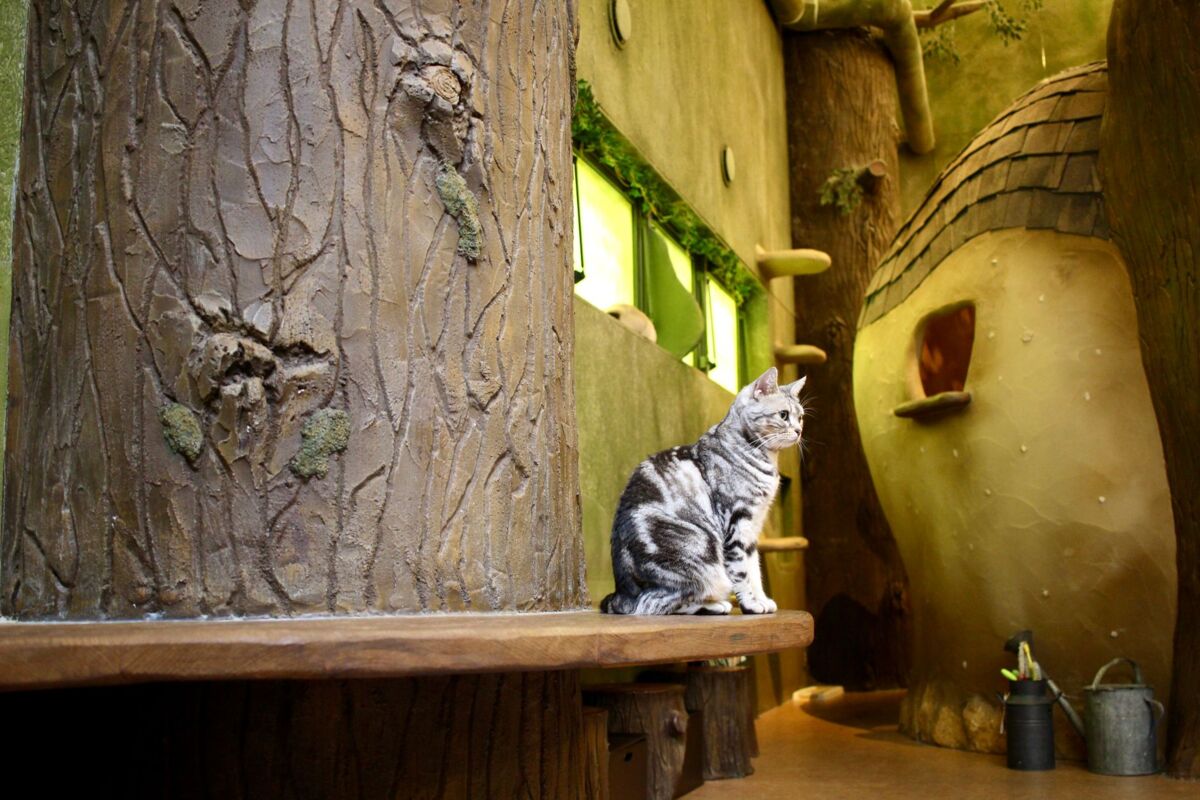
An animal cafe is a cafe-style space where you pay to spend a set period in a room with resident animals. The most established format here is the cat cafe, where a dozen or so cats roam, nap and occasionally deign to be petted. You will also find dog cafes - some built around a single breed, such as chow chows, samoyeds or pomeranians - and a handful of places keeping other animals. Some cafes home rescued and rehomed local cats and dogs; others keep pedigree breeds. Both can be lovely, but they have a different feel and different house rules, so it helps to know which kind you are visiting.
Outlets open, move and close over time, so it is worth confirming a cafe still exists and is licensed before you travel. The Bugis area has long been associated with the cat-cafe scene, and there are dog cafes clustered out at Seletar Aerospace Park. A long-running cat cafe along Upper Bukit Timah Road has since closed - which is exactly why you should check the cafe's official website or social media for the current address and opening status before you set off.
How animal cafes work: entry fees and minimum spend
Most animal cafes do not charge like an ordinary cafe. Instead, expect one of two models, and sometimes both layered together:
- An hourly or per-session entry fee. You book a slot - often one hour, sometimes 45 minutes or a fixed two-hour session - and the fee covers your time in the animal area. A drink or snack is frequently bundled in, though not always.
- A minimum spend. Some places charge a lower entry fee but ask each visitor to order from the menu. Children may or may not count towards this, so ask when you book.
- Add-ons. Treats, socks and extra time are usually charged separately.
We are deliberately not quoting figures, because prices change and differ wildly between a budget rescue cafe and a premium pedigree one. Confirm the exact fee, what it includes, and whether children are charged on the cafe's own page before you commit.
The minimum-age question, honestly
This is the single thing parents most often get wrong. Many animal cafes set a minimum age and require an adult to accompany younger children - thresholds commonly range from around four to ten years old, and some cafes are stricter. The reason is sensible: many resident cats are older, were once strays, or simply need calm, and a sudden grab or a loud toddler can frighten an animal and lead to a scratch. So do not assume your child can simply walk in.
Beyond the cafe's rule, think about your child's temperament, not just the number. A calm seven-year-old who can keep their voice low and hands gentle will get far more out of a cat cafe than a bouncy four-year-old who wants to chase. As a rough guide, cat cafes reward stillness and suit ages roughly six and up; lively dog cafes can work for slightly younger children if the dogs are gentle and your child is comfortable - but you know your child best.
Etiquette and animal welfare: teaching kids gentle, respectful interaction
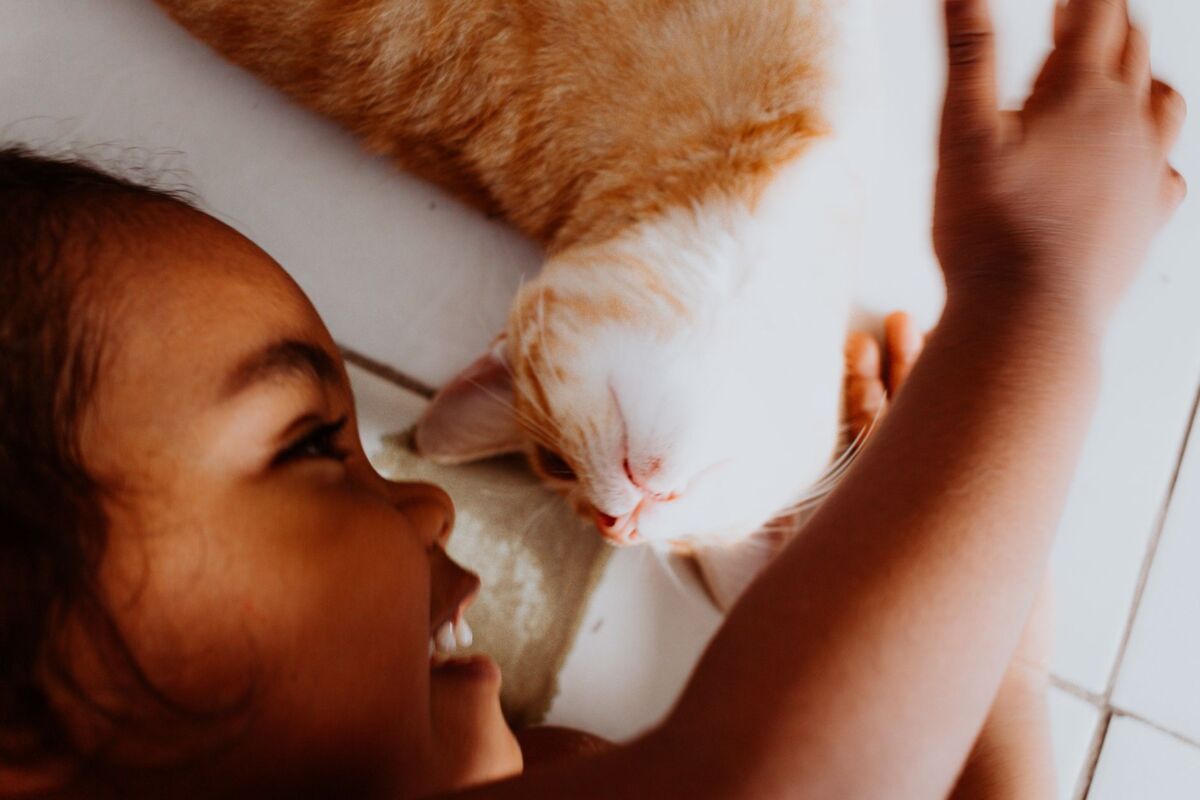
This is the part worth slowing down for, because it is the real lesson of the visit. Animal cafes run on a short list of rules that keep the animals relaxed and everyone safe, and they double as a way to teach children to respect a living creature. Coach your kids through these before you arrive:
- Let the animal come to you. The golden rule. No chasing, cornering, grabbing or picking up the cats and dogs, and never wake a sleeping animal. Show your child how to sit low, stay still and offer a slow open hand for the animal to approach in its own time.
- Gentle hands only. Stroke along the back or chin if the animal leans in, never the tail, ears or belly, and never pull fur. If it walks away, that is a no - and that is fine.
- Quiet voices, no sudden moves. Squeals, running and flapping arms read as threats. Keep the volume down and movements slow.
- No flash photography. A flash can startle and stress the animals; turn it off and skip the posed shots.
- Wash and sanitise hands before and after handling, and bring that habit home.
- No feeding unless the cafe allows it, and only with cafe-approved treats from staff - never your own food.
- Bring or buy socks. Most cat cafes require socks in the animal area for hygiene; many sell a pair at the door.
- Read the animal, and leave if one is stressed. Teach kids to spot a flattened ear, swishing tail, a tucked-away cat or a dog backing off, and to give it space.
Framing matters. Tell children before you go that this is not a petting zoo and the animals are not performing - some cats will nap through the entire visit, and that is a success, not a let-down. The win is a calm room, a gentle hand, and an animal that felt safe enough to wander over.
How to choose a responsible, AVS-licensed cafe
Animal-related businesses in Singapore are regulated by the Animal and Veterinary Service (AVS), part of NParks, which licenses pet-related establishments and sets out a Code of Animal Welfare covering minimum standards of housing, management and care. Not every cafe meets the same standard, so a little judgement protects both your family and the animals. Look for signs of a well-run place:
- The animals look healthy and unstressed - clear eyes, clean coats, alert but relaxed, with no signs of illness, fear or fighting.
- There are clear places to retreat - high shelves, beds, hideaways or a separate room - so animals can opt out of being touched.
- Animals are not made to interact non-stop, and staff enforce the rules and give them rest and quiet feeding time.
- Numbers are capped so the room is never crammed, which is why booking ahead is often required.
- The space is clean, with litter trays and food areas away from where people sit, and hand-sanitiser available.
If something looks wrong - animals that seem sick, frightened, cramped or with no way to escape attention - you can simply leave. If you suspect genuine neglect or cruelty, report it to NParks on the animal cruelty hotline at 1800-476-1600 or through the AVS animal welfare channels. Choosing carefully is itself a quiet lesson for kids about voting with your feet.
What to expect with kids, step by step
Set expectations early and the visit almost always goes well. Sessions run for a set time; an hour is plenty for younger children. Build the trip like this:
- Brief them before you arrive on the let-the-animal-come-to-you rule, while they are calm and listening.
- Settle in quietly and let everyone watch before reaching out.
- Keep babies and toddlers close and supervised - little fingers wander towards tails, food bowls and litter areas.
- Know your exit. If a child gets overwhelmed or an animal needs space, it is fine to wrap up early - nobody is owed a cuddle.

Pair the visit with a calm meal nearby to make a relaxed half-day - browse our family-friendly picks in the eat hub - and if anyone has a sensitive tummy, our guide to allergy-friendly eating in Singapore is worth a look before you choose where to refuel.
Hygiene and allergies
Animal cafes are warm, fur-filled rooms. If anyone in your family has a cat or dog allergy, asthma, or eczema that flares around animals, weigh that up before booking - a sealed, air-conditioned room concentrates dander and a reaction can cut the visit short. For everyone else the basics are simple: sanitise hands on the way in, wash thoroughly on the way out, and stop children putting hands near their mouths mid-visit. Dress simply too - cats climb and dogs jump, and pale clothing shows fur, so leave the school whites at home.
Getting there, accessibility and crowd timing
Several animal cafes sit in well-connected parts of town. The Bugis area is served by Bugis MRT on the East-West and Downtown lines and surrounded by malls, hawker food and the Kampong Glam and Haji Lane streets, so you can build a half-day around it. Dog cafes out at Seletar Aerospace Park are better reached by car or bus and pair well with a nearby park stroll. A few practical realities families often forget:
- Stroller access can be tricky. Many cafes sit inside shophouses or older buildings with stairs and no lift, and a stroller is awkward in a small animal room anyway. Check accessibility with the cafe, and consider a carrier for babies.
- Nursing and diaper-change facilities are rarely on-site. Plan to use a nearby mall - the Bugis area has plenty.
- Crowd timing matters. Weekday mornings and early afternoons are usually calmest, which is gentler for the animals and your kids alike. Weekends and school holidays get busy, so book ahead and avoid peak slots.
- It is a reliable rainy-day or hazy-day backup. Being indoors and air-conditioned makes it a dependable plan when an outdoor outing falls through.
Always pull up the exact address, hours, parking and nearest bus stop from the cafe's own site before setting off, especially for outlets tucked inside shophouses or aerospace-park buildings.
Frequently asked questions
Are cat cafes in Singapore suitable for young children?
It depends on the cafe and on your child. Many cafes set a minimum age - commonly somewhere between four and ten years old - and require an adult to accompany younger children. Beyond the rule, cat cafes reward stillness and quiet, so a calm older child usually does better than a lively toddler. Check the specific cafe's age policy before booking, and supervise closely throughout.

What should I bring?
Socks are the main thing for cat cafes; most sell a pair if you forget. Otherwise bring good hand-hygiene habits, simple clothes you do not mind getting fur on, and a calm, gentle approach. Treats are provided by the cafe if feeding is allowed at all, so do not bring your own.
How much do animal cafes cost and what are the opening hours?
Fees are typically charged per hour or per session and may include a drink, with some places also asking for a minimum spend. Prices and hours change and differ a lot between budget rescue cafes and premium breed-specific ones, so we are deliberately not quoting figures here. Check the cafe's official website or social media for current pricing, what is included, and timings.
What is the difference between a cat cafe and a dog cafe for kids?
Cat cafes are quieter - cats nap and approach on their own terms, which suits children who can sit still. Dog cafes are more energetic, sometimes built around one breed, which can delight a confident child but overwhelm a nervous one. Match the venue to your child's temperament, not just their age.
How can I tell if an animal cafe treats its animals well?
Look for healthy, relaxed animals with clear places to retreat, capped visitor numbers, clean conditions, and staff who enforce the rules. Animal-related businesses are licensed by AVS under a Code of Animal Welfare. If something looks wrong, you can leave, and report suspected cruelty to NParks on 1800-476-1600.
Do animal cafes adopt out their cats and dogs?
Some rescue-focused cafes rehome resident animals, and a visit is a gentle way to talk to kids about adoption and responsible pet ownership. Do not treat one visit as a decision to adopt, though - bringing an animal home is a years-long commitment that deserves its own careful family conversation.
Once your little animal-lovers have had their fix, keep the day going with ideas from our blog, or plan where to eat next with our roundups of the best ice cream in Singapore and family-friendly bakeries across the island.

Gluten Free and Allergy-Friendly Eating Out in Singapore: A Parent's Guide
A practical parent's guide to gluten free and allergy-friendly eating out in Singapore: allergens, hawker safety, talkin...
9 min read
Bak Kut Teh in Singapore: A Family Guide to the Comforting Pork Rib Soup
A parent's guide to bak kut teh in Singapore: peppery vs herbal styles compared, what to order for kids, spice tips and ...
10 min read
The Best Bakeries in Singapore: A Family Guide for Parents and Kids
A parent's guide to bakeries in Singapore: artisanal sourdough, French boulangerie pastries, heritage buns, plus halal, ...
11 min read