
Gluten Free and Allergy-Friendly Eating Out in Singapore: A Parent's Guide
In this article
- Allergy, intolerance or coeliac: why the difference matters
- Know the common allergens
- Going gluten free in Singapore: the hidden sources
- Hawker centre realities
- How to communicate clearly with restaurants and hawkers
- Dedicated free-from kitchens vs allergen-aware restaurants
- Reading labels for packed snacks and groceries
- Planning a smooth meal out
- Know the signs of a reaction and when to act
- Frequently asked questions
Eating out is one of Singapore's great family pleasures, but when your child has a food allergy, coeliac disease or a gluten intolerance, even a simple hawker lunch can feel like a minefield. The good news is that gluten free and allergy-friendly eating out is genuinely doable here once you know what to ask and what to watch for. This is a calm, parent-to-parent guide to navigating allergens, talking to restaurants and hawker stalls, spotting hidden triggers in local food, and keeping meals out safe. It is best for parents of young children with a diagnosed allergy, though plenty of it helps any cautious family.
Allergy, intolerance or coeliac: why the difference matters
These words get used interchangeably, but they are not the same, and the caution your child needs depends on which one you are dealing with. The Singapore Food Agency draws a clear line, and so should you when talking to staff.
- Food allergy. An immune-system reaction where the body treats a harmless food protein as a threat. Reactions can come on within minutes to a couple of hours and range from mild itching and hives to anaphylaxis, which is life-threatening. Even a tiny trace can be dangerous, so 'just a little' is never okay.
- Food intolerance. A digestive problem (for example lactose intolerance) rather than an immune reaction. It can cause bloating, cramps, diarrhoea or nausea, usually some hours later, and depends on how much was eaten. Uncomfortable, but not life-threatening.
- Coeliac disease. An autoimmune condition triggered by gluten (in wheat, barley and rye). Unlike a mild gluten intolerance, people with coeliac disease need strict, lifelong avoidance, and even small traces can cause harm over time.
Only your child's doctor can tell you which category applies and how strict to be. If unsure, treat it as the more serious option until a specialist (for example at KKH or NUH) advises otherwise. For plain-English definitions of anaphylaxis, cross-contact and more, see our glossary.
Know the common allergens
The Singapore Food Agency recognises eight major classes of food allergens that cause most serious reactions. Knowing these by heart makes ordering faster and safer:
- Milk (dairy)
- Egg
- Fish
- Crustaceans (prawn, crab, lobster)
- Soya beans
- Peanuts
- Tree nuts (almond, cashew, walnut and others)
- Wheat (and other gluten-containing grains)
In Singapore, egg is the most common food allergen in young children, while seafood and shellfish allergies are common across all ages because seafood is everywhere in our diet. KKH's allergy specialists estimate around 5 percent of children here have a food allergy, and have reported sharp rises over the past decade in both positive skin-prick tests (to egg, cow's milk, peanut and shellfish) and emergency visits for food-induced anaphylaxis. So you are far from alone. Sesame and bird's nest are also recognised local triggers worth flagging if relevant to your child.
Going gluten free in Singapore: the hidden sources
Gluten hides in places you might not expect. Plain rice and rice noodles are naturally gluten free, but many local dishes are seasoned with sauces that contain wheat, mainly soy sauce, dark sauce and oyster sauce. Keep an eye out for these too:
- Soy, light, dark and sweet sauces (most contain wheat unless labelled gluten free or made with tamari)
- Oyster sauce, hoisin and many ready-made marinades and gravies
- Wheat noodles such as mee, wonton noodles, ban mian, mee pok and instant noodles
- Battered and fried foods, where the coating is usually wheat flour
- Seasoning powders, stock cubes and 'secret sauce' mixes
- Roti prata, you tiao, bread, buns, biscuits and most local cakes and kueh that use wheat flour
Peanuts and tree nuts also hide in plain sight: in satay sauce, rojak dressings, many desserts and bubble tea toppings, and as a garnish on countless dishes. Dairy and egg turn up in sauces, custards, prata, kaya toast and baked goods. The lesson is the same across allergens: a dish that looks fine can still carry a trigger in its sauce or seasoning, so ask rather than assume.
Hawker centre realities
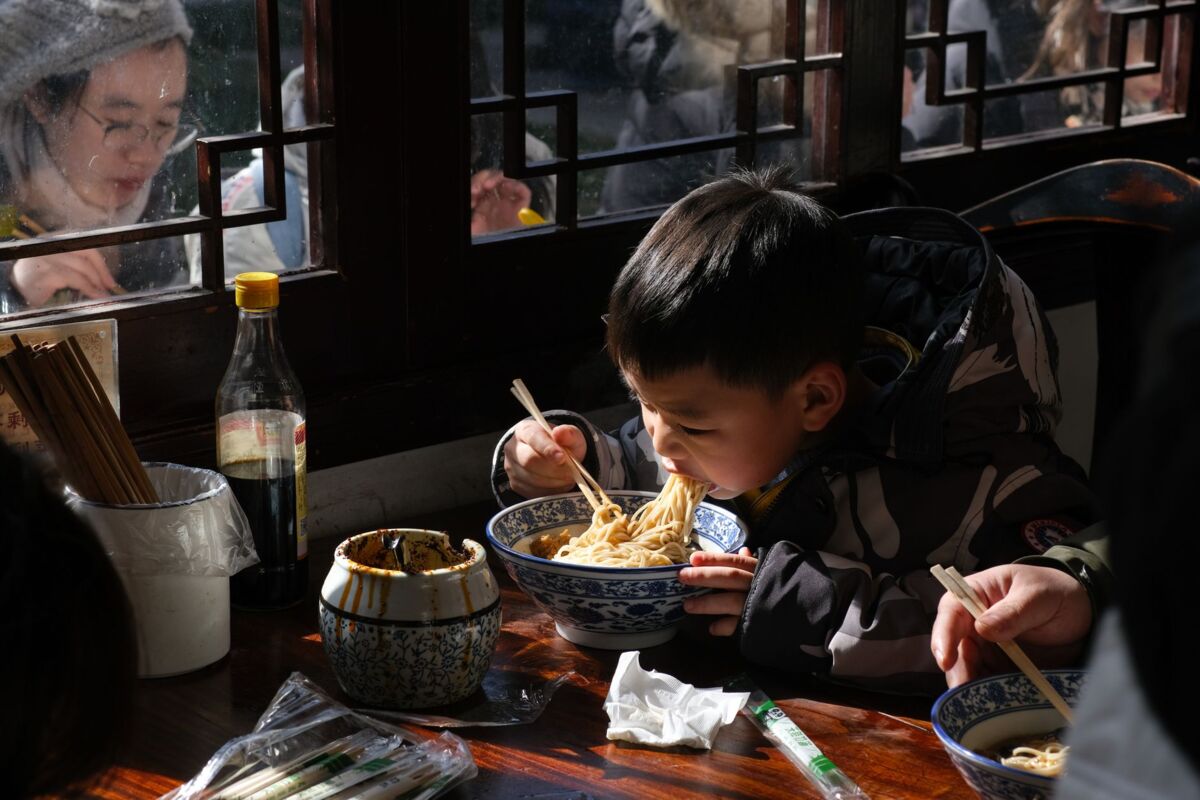
At a hawker centre, the bigger challenge is usually cross-contact rather than the dish itself. Rice noodles may be blanched in the same pot as wheat noodles, woks and tongs are shared between dishes, and the same fryer cooks battered and plain items one after another. So even a plate that should be safe can pick up traces. For coeliac disease or a serious allergy, this matters a great deal; for a mild intolerance you may have more room to relax.
A busy stall cannot deep-clean a wok between orders at lunchtime, so for a high-risk child, lean towards stalls and dishes where the risk is lowest:
- Favour dishes built on plain steamed rice, such as plain chicken rice (sauces on the side) or plain porridge.
- Choose stalls where you can see the cooking and point to ingredients, rather than pre-mixed gravies.
- Ask whether noodles share blanching water and whether a wok or fryer is shared, not only what is in the dish.
- Visit off-peak so the stallholder has a moment to answer you properly.
- Carry safe back-up snacks so a tricky stall never leaves your child with nothing to eat.
For lower-risk family meals, our roundups of the best hawker centres for families and the best chicken rice in Singapore can help you find stalls where you can see the cooking and customise an order.
How to communicate clearly with restaurants and hawkers
Clear, calm communication is your most powerful tool, far better than hoping a menu happens to suit. A few habits go a long way:
- Name the specific allergen, not just 'allergy'. Say 'no wheat, no soy sauce, no oyster sauce' rather than only 'gluten free', which not everyone recognises. For nuts, name them, since 'nut' can be read narrowly.
- Say it is a medical allergy, not a preference. This signals that even a small amount is not acceptable.
- Ask how a dish is cooked, not only what is in it. Shared fryers, woks, blanching water and utensils are common sources of cross-contact.
- Carry a written allergy card in English and, where helpful, Chinese or Malay. It removes the guesswork at busy counters.
- Keep it to one clear line at peak hours. A short, specific request lands better than a long explanation.
- Confirm at the counter, not just on the phone. Recipes and staff change, so repeat it when you order.
Make a small laminated allergy card for your bag, listing your child's exact allergens, a 'this is a serious medical allergy' line, and a request to avoid shared utensils and oil. In English plus Chinese or Malay, any stallholder or server can read it at a glance, and it doubles as a translation card when you travel abroad.
Dedicated free-from kitchens vs allergen-aware restaurants
It helps to know these kinds of eatery apart, because they carry very different levels of risk:
- Dedicated free-from kitchens. A handful of Singapore eateries are built entirely around gluten-free or allergen-free cooking, with no wheat (or no nuts) on the premises at all. Because the trigger is not in the kitchen, cross-contact risk drops dramatically. Worth seeking out for a high-risk child.
- Allergen-aware restaurants. Far more common are kitchens that offer and label gluten-free or dairy-free options but still handle wheat, nuts and dairy elsewhere. Safety depends on their cross-contact handling, so ask and confirm.
- Cafes that label allergens. Many mark dishes as gluten free, dairy free, nut free, vegan or vegetarian. Labels guide you to the right dish; a question about shared equipment confirms it.
- Vegetarian and vegan spots. These naturally remove dairy, egg, fish and shellfish from many dishes, though still check for wheat, soy and nuts.
Because menus, ownership and kitchen practices change constantly, we deliberately keep this guide general rather than naming specific restaurants as 'safe'. No outside guide can promise a venue is safe for your child on the day you visit. To find current options, use an allergen-filter app or community allergy directory, read recent reviews from other allergy families, then call and confirm before you go. For places used to special requests, our guides to the best bakeries in Singapore (for gluten-free or egg-free cakes, always confirm with the baker) and family-friendly Western restaurants are good starting points.
Reading labels for packed snacks and groceries
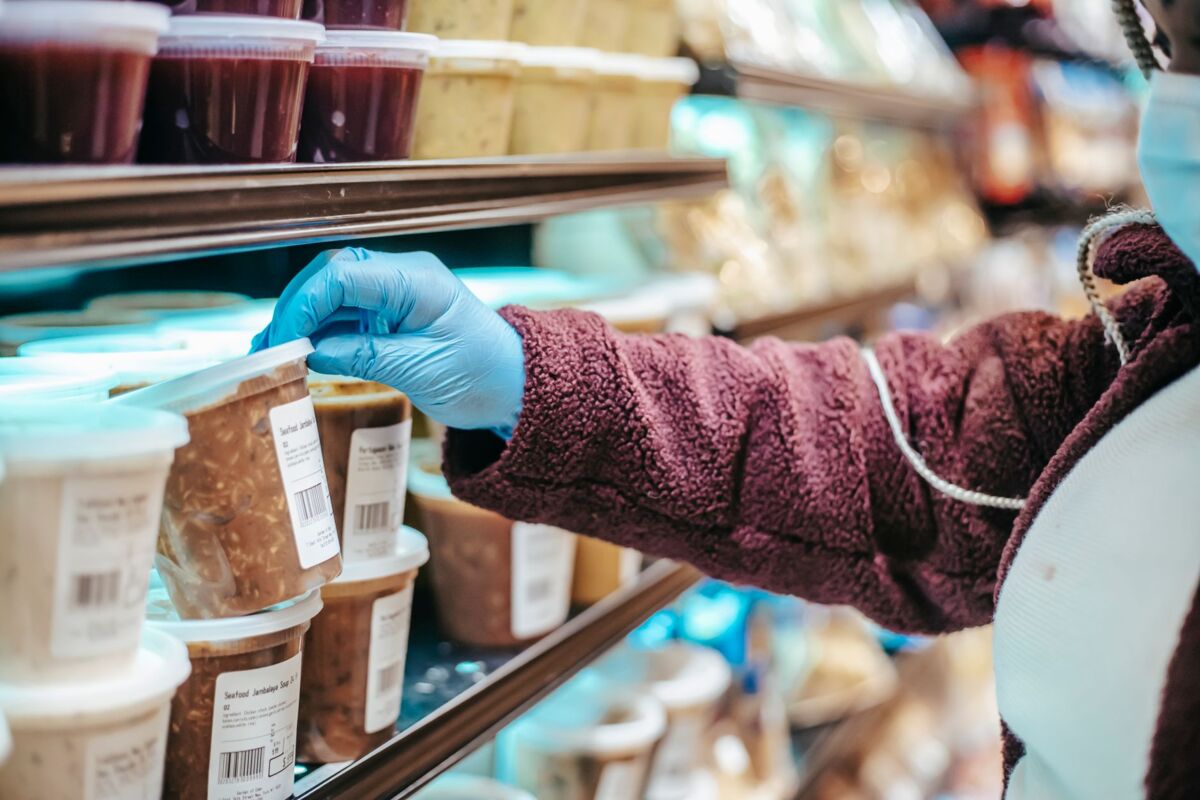
For prepacked foods sold in Singapore, the SFA requires that the eight major allergens, where present, are declared on the label, with ingredients listed in descending order. So read the full list every time, even on brands you trust, because recipes change. Look out too for advisory statements like 'May contain [allergen]', which flag possible cross-contact; these are voluntary, so their absence does not guarantee a product is trace-free. Packing a few safe, familiar snacks means your child always has something to eat if a venue cannot accommodate them.
Planning a smooth meal out
- Go off-peak. Quieter periods give staff time to answer questions and prepare food carefully.
- Call ahead for sit-down restaurants. It lets the kitchen plan, and tells you quickly if a place cannot cope.
- Carry prescribed medication every single time. An adrenaline auto-injector and antihistamine belong in your bag, not at home; an auto-injector's effect is short-lived, so emergency care is still needed after using one.
- Carry the allergy action plan. It tells any carer exactly what to do during a reaction.
- Teach age-appropriate self-advocacy. Older children can learn to say 'I am allergic to...' and to refuse food they are unsure about.
- Have a backup plan of one or two reliable nearby options.
- When travelling, pack extra. Spare medication, allergy cards in the local language, and enough safe snacks for delays.
Know the signs of a reaction and when to act
Every parent of an allergic child should be able to spot a reaction fast. Mild to moderate signs (often within minutes to two hours of eating) include an itchy mouth, hives or welts like mosquito bites, swelling of the face, eyes or lips, tummy pain and vomiting. For these, stop the food and follow your doctor's advice.
Signs of anaphylaxis, a medical emergency, include persistent coughing, a hoarse voice, noisy or difficult breathing or wheezing, swelling of the tongue or throat, trouble swallowing or speaking, looking pale or floppy, or becoming drowsy or unconscious. If you see these signs, follow the allergy action plan, give the adrenaline auto-injector if prescribed, and call 995 or go straight to A and E immediately. When unsure, treat it as severe. Manage your child's allergy with their doctor or allergist, who can confirm the diagnosis, set the right level of avoidance, review medication, and in selected cases discuss supervised oral immunotherapy.
Frequently asked questions
Is hawker food safe for a gluten-free child?
It depends on the severity. Naturally rice-based dishes without soy or oyster sauce are the safest starting point, but shared woks, utensils and noodle water mean cross-contact is common. For coeliac disease or a serious wheat allergy, choose carefully and ask how the dish is cooked and whether equipment is shared. For a mild intolerance you may have more flexibility. Always confirm at the stall, and never assume a dish is safe just because rice is gluten free.
What is the difference between a gluten allergy, intolerance and coeliac disease?
They need different levels of strictness. Wheat allergy is an immune reaction that can be severe and needs strict avoidance. Coeliac disease is an autoimmune condition requiring strict, lifelong avoidance of even tiny traces. A non-coeliac gluten intolerance is generally less severe and about digestive comfort. Your doctor can tell you which applies and how careful to be.
Do Singapore restaurants and hawkers have to label allergens?
Allergen declaration is required for prepacked foods under SFA rules, with the eight major allergens declared where present. Restaurant and hawker menus are not required to label allergens in the same way, so you should always ask staff directly when eating out and confirm how the dish is prepared.
What should I do if my child has a severe reaction while we are out?
Follow your child's allergy action plan. If there are signs of anaphylaxis such as breathing difficulty, swelling of the throat or tongue, or collapse, give the adrenaline auto-injector if prescribed and call 995 or go straight to A and E without delay. Tell responders what your child ate and when. Always seek emergency care even if symptoms ease, because reactions can return.
Where can I check official allergen information?
The SFA's food allergy pages and HealthHub are the authoritative local sources, and KKH and NUH run children's allergy services. See the SFA guide to food allergy and intolerance, and always check an eatery's own channels before visiting.
Eating out should be a joy, not a worry. With clear communication, a little label-reading, the right medication in your bag and a few trusted spots, your family can still enjoy Singapore's food scene. For more, browse our blog and tools hub.
Cat Cafe Singapore: A Family Guide to Animal Cafes
A parent's guide to the cat cafe Singapore scene and animal cafes: how they work, age rules, etiquette, welfare, and wha...
10 min read
Bak Kut Teh in Singapore: A Family Guide to the Comforting Pork Rib Soup
A parent's guide to bak kut teh in Singapore: peppery vs herbal styles compared, what to order for kids, spice tips and ...
10 min read
The Best Bakeries in Singapore: A Family Guide for Parents and Kids
A parent's guide to bakeries in Singapore: artisanal sourdough, French boulangerie pastries, heritage buns, plus halal, ...
11 min read