

Bak Kut Teh in Singapore: A Family Guide to the Comforting Pork Rib Soup
In this article
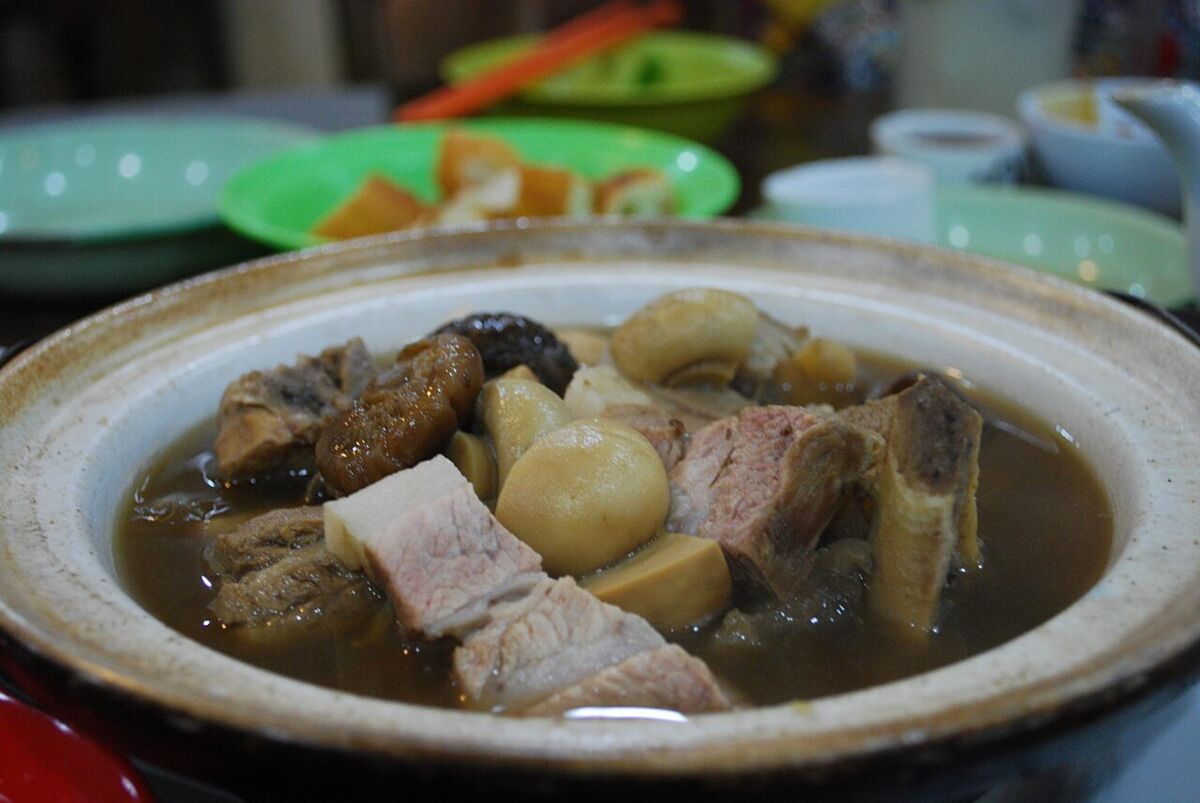
There are not many local dishes that feel as much like a hug in a bowl as bak kut teh. A clear, peppery broth steaming away, pork ribs so tender the meat slides off the bone, a stick of golden you tiao waiting to be dunked, and warm rice on the side. It is restorative on a rainy afternoon and, with a few tricks, a genuinely easy meal to share with young kids. This guide is for parents who want to enjoy bak kut teh as a family without a spice-related meltdown, and it works best for children from toddler age up, once they can manage soft rice and shredded meat.
What bak kut teh actually is
The name translates literally as meat bone tea, which trips up first-timers because there is usually no tea in the soup at all. The dish is pork ribs and other cuts simmered for hours with garlic, white pepper and seasonings until the broth turns fragrant and the meat goes meltingly soft. The tea reference comes from the pot of strong Chinese tea, often oolong or pu-erh, that is traditionally served on the side to cut through the richness and reset your palate between mouthfuls.
Singapore's National Library Board heritage records link the dish to Chinese migrant labourers, for whom a cheap, filling bowl of pork-bone soup was hearty fuel before a long day of hard physical work. One widely retold account places its early days along the Singapore River. From those humble beginnings it has become one of the island's best-loved comfort foods, eaten at almost any hour, from an early breakfast through to a late-night supper.
The two main styles, and which suits your kids
Singapore bak kut teh broadly splits into two camps. Knowing the difference is the single most useful thing for a parent to learn, because it decides how spicy the bowl in front of your child is going to be.
Teochew peppery style
The Teochew style is the version most Singaporeans picture, and the one you will meet most often. The broth is light and clear, built mainly on white pepper, plenty of garlic and a touch of soy, then simmered and skimmed for hours into a clean, garlicky soup with a warming peppery kick. It is bright and savoury rather than heavy. The one thing to flag for families is that the white pepper can be sharp for small children, so it is worth ordering with the spice in mind, which we cover below.
Hokkien and Klang herbal style
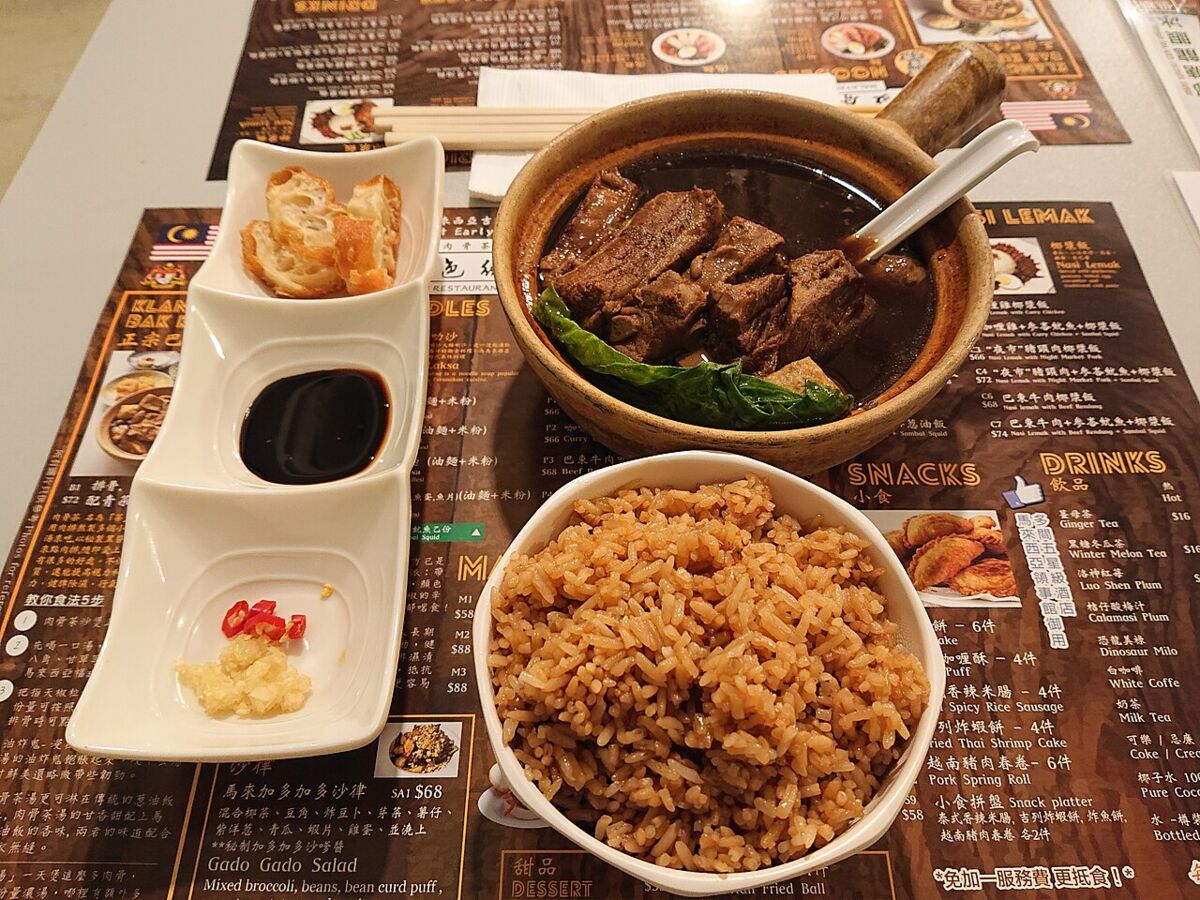
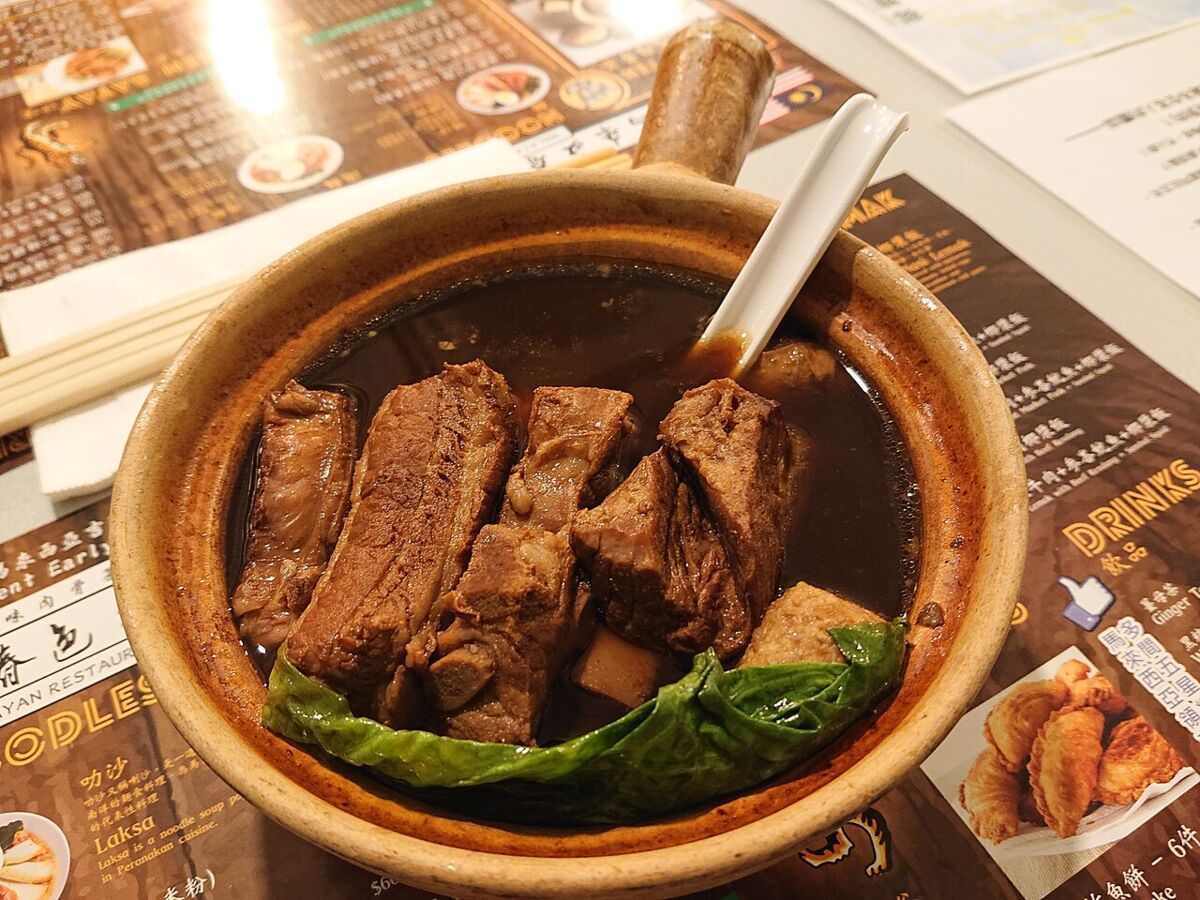
The herbal style, associated with the Hokkien community and the wider Klang tradition across the Causeway, gives you a darker, deeper broth. It is brewed with traditional herbs such as angelica root (dong quai), star anise and cinnamon, often with a little rock sugar, so it tastes more medicinal and a touch sweeter rather than peppery. Many parents find this version gentler for younger palates simply because there is far less of that nose-tingling pepper. You will also sometimes see a Klang-style dry version, where the meat is braised in a thick, savoury-sweet sauce instead of swimming in soup, which can be a tidy, less spicy option for little hands.
Why bak kut teh works for families
On paper a pepper soup sounds like an odd pick for a kids' meal, but in practice bak kut teh ticks a lot of boxes at a mixed-age table.
- The meat is soft and easy. Hours of simmering means you can shred small, tender pieces off the bone for toddlers and pre-schoolers with no effort.
- Soup and carbs is familiar territory. Warm rice with a little broth spooned over it is comforting, fuss-free food that most children happily accept.
- The you tiao is the secret weapon. Crispy dough fritters dunked into the soup until they soften are exactly the hands-on, dippable food young kids love, and they keep small hands busy.
- It is built for sharing. Order a few bowls and some sides, then portion out so everyone, including the fussiest eater, can pick what they fancy.
- It is warming and restorative, which makes it a great recovery meal after a swim, a rainy playground morning, or a long day traipsing around town.
It also slots neatly into a week of local family favourites. If you are working your way through Singapore's hawker classics with kids, it pairs well alongside a plate of Hainanese chicken rice or a comforting bowl of laksa on the milder, less spicy days.
What to order with kids
A handful of small decisions make the meal far smoother for younger children:
- Choose the milder broth for little ones. If your child is spice-sensitive, lean towards the herbal style, or ask a peppery Teochew stall for a less peppery bowl. The simplest fix is to ladle a child's portion into a separate bowl and dilute it with plain hot water.
- Share rather than ordering a full bowl each. Portions are generous and the soup-plus-rice format stretches a long way, so one or two adult bowls plus extra rice often feeds a small family.
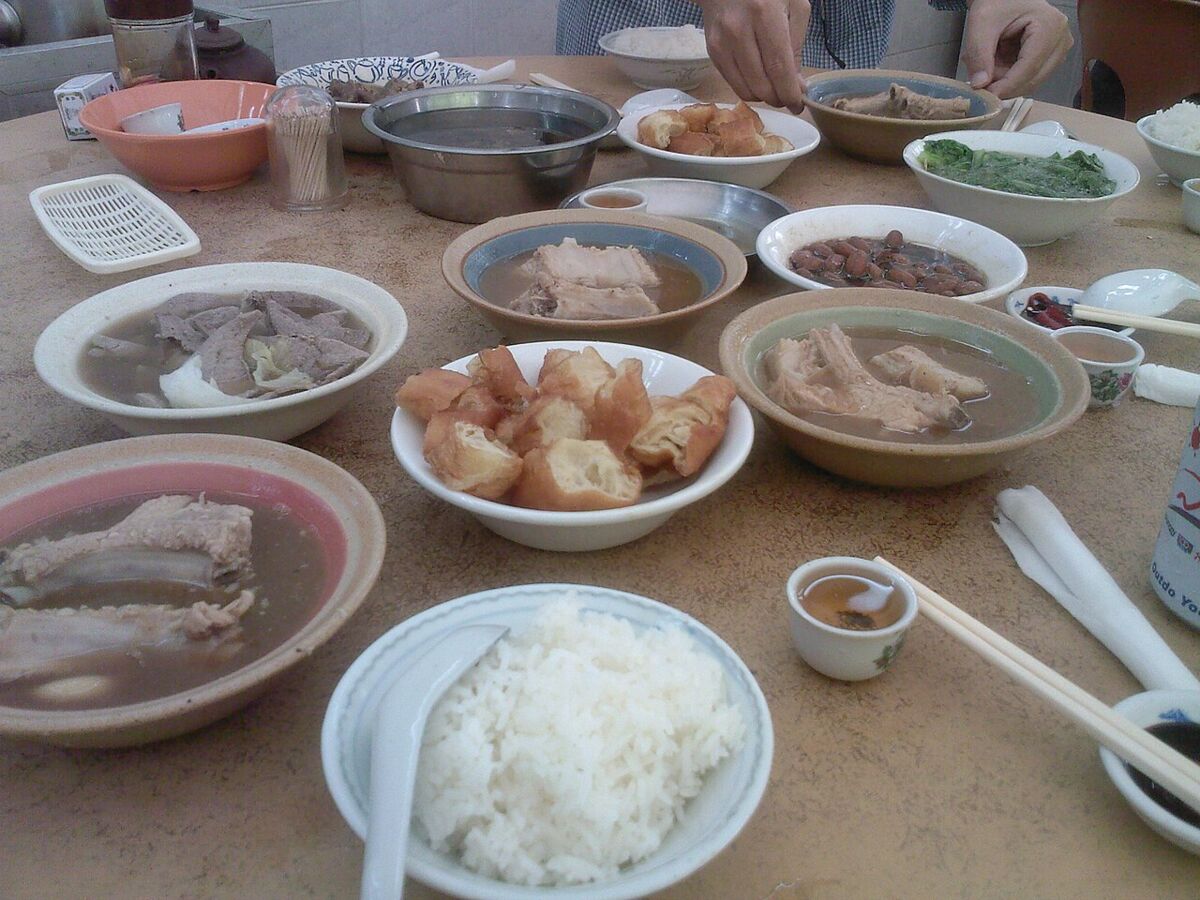
- Always get rice and you tiao. Steamed rice is the classic partner, and you tiao softened in the broth is almost always a hit. Order the dough fritters fresh and dunk them just before eating so they do not go soggy.
- Add a simple vegetable. Many stalls offer blanched greens such as kai lan or chye sim, a fresh, easy counterpoint that most children will eat without complaint.
- Be careful with offal, trotters and bones. Braised pig trotter and pig organ soup are great for grown-ups, but watch for small bones and debone the pork for younger kids first.
- Keep the chilli on the side. The cut chilli and dark soy dipping sauce is for the adults. Skip it entirely for little ones.
Pork-rib bowls are the standard order, but most stalls also offer different cuts, braised pork belly and sides such as braised peanuts, tau pok or salted vegetables, so there is plenty of room to mix and match for the table.
How to spot a good bowl
Quality varies a lot from stall to stall, so it helps to know what a strong bowl looks like before you commit the whole family to a queue:
- The broth should taste clean, not muddy. A good peppery soup is clear and savoury with a defined garlic-and-pepper edge, not greasy or flat. A good herbal soup tastes layered and aromatic rather than just bitter or oversweet.
- Look for free soup top-ups. Many traditional stalls refill your broth at no extra charge, which is a quiet sign of confidence and also handy for stretching a kid's portion.
- Check that the meat is tender, not falling apart into mush. The pork should yield easily but still hold together on the bone.
- A queue of regulars is a fair signal, especially at older specialist shops, though it is worth timing your visit to dodge the worst of it with kids in tow.
- Freshly fried you tiao matters. Stalls that fry to order, or partner with a good dough-fritter vendor, make the whole meal better.
Where and when to find it
You do not have to go far. Bak kut teh turns up across the island in a few familiar settings, and each suits a different kind of family outing:
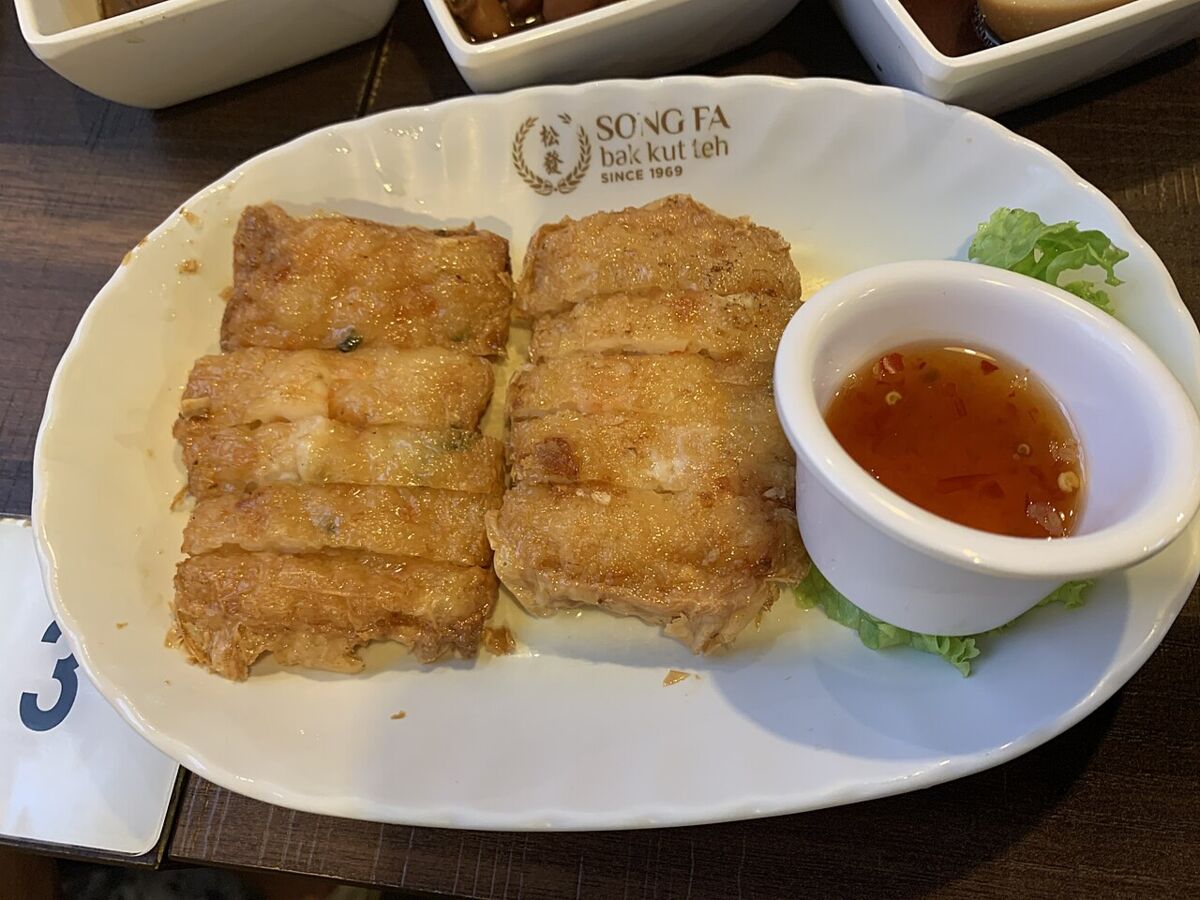
- Long-standing specialist shops and coffee shop stalls, many family-run for decades, serve the most traditional bowls. Some have grown into well-known names: the Teochew peppery brand Song Fa traces its roots to a 1969 pushcart and now holds a Michelin Bib Gourmand listing per its official site.
- Heartland kopitiams and hawker centres near home are usually the most stroller-friendly and the most budget-friendly option for a relaxed, no-fuss family meal.
- Mall food courts and casual chain outlets, which are handy when you are already out shopping and want air-conditioning, high chairs and easy pram access.
Timing matters as much as location with children in tow. Many shops are busiest at lunch and dinner, so an off-peak meal in the mid-afternoon or early evening usually means shorter queues, easier seating and somewhere to park a pram. Some traditional stalls sell out of certain cuts later in the day, so going earlier improves your odds of getting exactly what you want.
Practical tips for the family outing
Beyond the food itself, a few logistics make bak kut teh with kids far less stressful:
- Stroller access: Mall and food-court outlets tend to be the most pram-friendly and are more likely to have nearby nursing rooms and family toilets. Older standalone shops can be tight on space and may have steps, so a baby carrier is sometimes the easier call.
- Getting there: Heartland and hawker spots are usually a short walk from an MRT station or bus stop, and city and riverside stalls are well connected too. Check the exact stall address and nearest station when you plan, and look up parking if you are driving, since older areas can be limited.
- What to bring: Pack a bib, a small spoon or fork your child likes, and a cup with a lid. The soup is served hot, so let kids' portions cool and consider blowing or stirring before handing anything over.
- Rainy-day backup: Mall outlets make a reliable wet-weather plan since you can shelter, feed everyone and let the kids stretch their legs without leaving the building.
- Make a morning or afternoon of it: Pair the meal with a nearby playground or park so the kids can run around afterwards and you are not rushing the table.
A word on richness and salt
Bak kut teh is a treat rather than an everyday staple. The broth, soy seasoning and braised sides can be quite salty, and pork ribs are rich, so it is sensible to keep young children's portions modest and balance the meal with plain rice and vegetables. Singapore's HealthHub has practical guidance on cutting back on salt if you want a refresher. None of this means kids cannot enjoy it. Just treat it the way you would any rich, savoury soup: in sensible amounts, alongside something fresh, and with plenty of water on the table.
If your child has dietary restrictions, note that the broth and braised items often contain soy and may be cooked in shared pots, so it is worth flagging at the stall. Our wider notes on allergy-friendly eating in Singapore cover how to navigate hawker meals when allergens are a concern.
Frequently Asked Questions
Is bak kut teh too spicy for children?
The peppery Teochew style can be a little sharp for small children because of the white pepper, though it is a warming spice rather than a chilli heat. The herbal Hokkien or Klang style is generally milder. If in doubt, choose herbal, ask for a less peppery bowl, or ladle a child's portion into a separate bowl and dilute it with plain hot water.
What can a fussy eater have at a bak kut teh stall?
Plain steamed rice, softened you tiao and shredded tender pork are usually safe bets. A side of blanched greens such as kai lan rounds things out. Keep the cut chilli and dipping sauce on the adults' side of the table.
Is there actually tea in bak kut teh?
No. The soup itself contains no tea. A pot of strong Chinese tea, often oolong or pu-erh, is served alongside to balance the richness and cleanse the palate, which is where the name meat bone tea comes from.
What is the difference between peppery and herbal bak kut teh?
Peppery Teochew broth is light, clear and garlicky with a white-pepper kick. Herbal Hokkien or Klang broth is darker, deeper and a touch sweeter, brewed with herbs such as angelica root, star anise and cinnamon. For most families the herbal version is the gentler starting point.
What age can kids start eating bak kut teh?
Many families introduce it once a child is comfortably eating soft table food, roughly from toddler age, by offering shredded deboned pork, plain rice and softened you tiao while keeping the peppery broth diluted or to one side. Every child is different, so go by what yours can manage and check with your paediatrician if you have any concerns.
Can you refill the soup?
At many traditional stalls, yes, free broth top-ups are part of the experience. It is worth asking, since a splash of extra plain soup is also the easiest way to soften and mild-en a child's bowl of rice.
Hungry for more family food ideas? Browse our family blog for kid-friendly meals across the island, or dig into other local favourites like roti prata. When you are ready to plan the next outing, our family tools are there to help.
Gluten Free and Allergy-Friendly Eating Out in Singapore: A Parent's Guide
A practical parent's guide to gluten free and allergy-friendly eating out in Singapore: allergens, hawker safety, talkin...
9 min read
Cat Cafe Singapore: A Family Guide to Animal Cafes
A parent's guide to the cat cafe Singapore scene and animal cafes: how they work, age rules, etiquette, welfare, and wha...
10 min read
The Best Bakeries in Singapore: A Family Guide for Parents and Kids
A parent's guide to bakeries in Singapore: artisanal sourdough, French boulangerie pastries, heritage buns, plus halal, ...
11 min read