

The Best Bakeries in Singapore: A Family Guide for Parents and Kids
In this article
- The four kinds of bakeries families enjoy in Singapore
- Kid-friendly bakes worth seeking out
- Halal and allergy checks: slow down here
- How to judge a quality bakery (without being a baker)
- The family-logistics stuff nobody else tells you
- Budget, premium and turning the trip into more
- Frequently asked questions
Few outings are as reliably happy for a family as a trip to the bakery. The warm smell at the door, the glass case of glossy pastries, the small thrill of letting a child point at the bun they want: these are the moments little ones remember. Singapore is a wonderful place for this, because the island quietly stacks several very different bakery worlds on top of one another. You can chase a long-fermented sourdough loaf in the morning, grab a six-pack of soft kaya buns from a heritage shop in the afternoon, and pick up warm dinner rolls from the supermarket on the way home. This guide is built for parents: it walks through the kinds of bakeries families enjoy here, how to judge quality, which bakes kids actually love, and the practical stuff competitors skip, such as stroller access, nursing corners, crowd timing and rainy-day backups. We deliberately avoid naming specific shops, prices and menus, because those change constantly, and instead teach you how to read any bakery for yourself. It is best for parents of babies through primary-schoolers who want a treat that is also a small, low-cost adventure.
The four kinds of bakeries families enjoy in Singapore
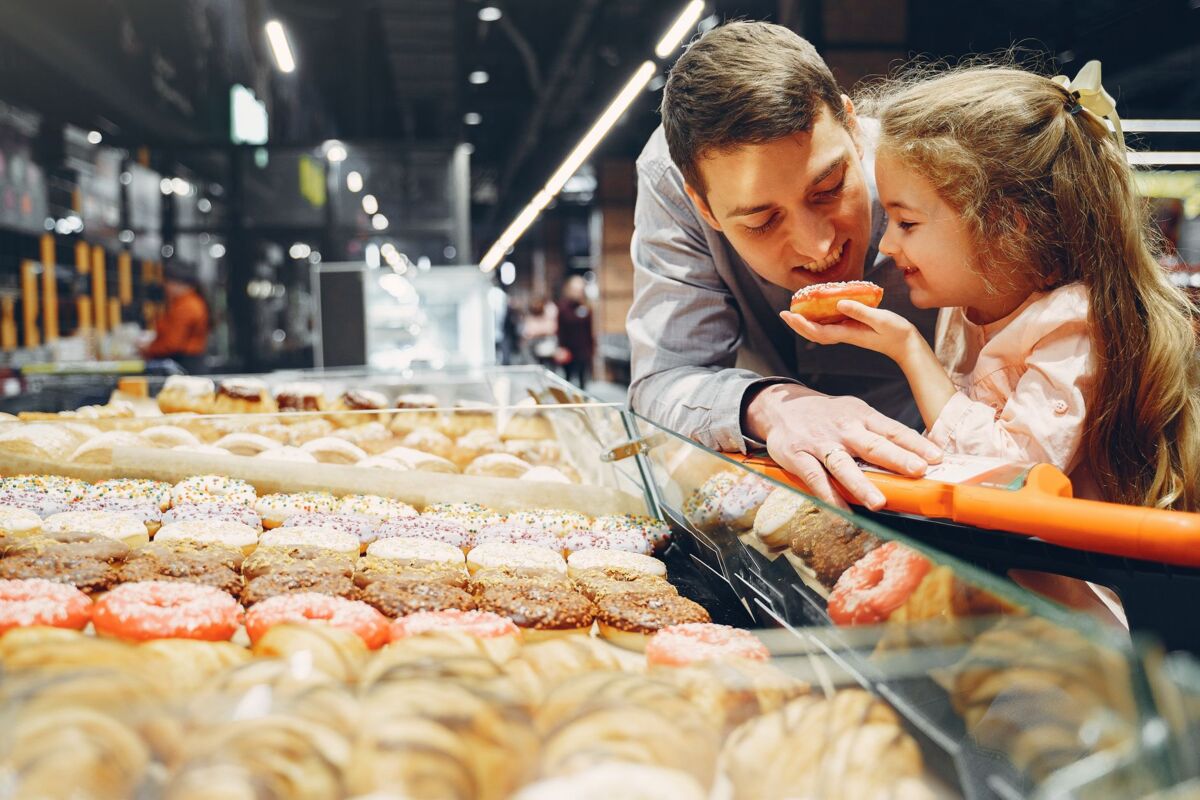
Most listicles hand you a ranked list of shops and leave it there. The more useful way to think about it is by type, because each type suits a different mood, budget and child. You will meet four overlapping kinds here, and over a year most families happily rotate through all of them.
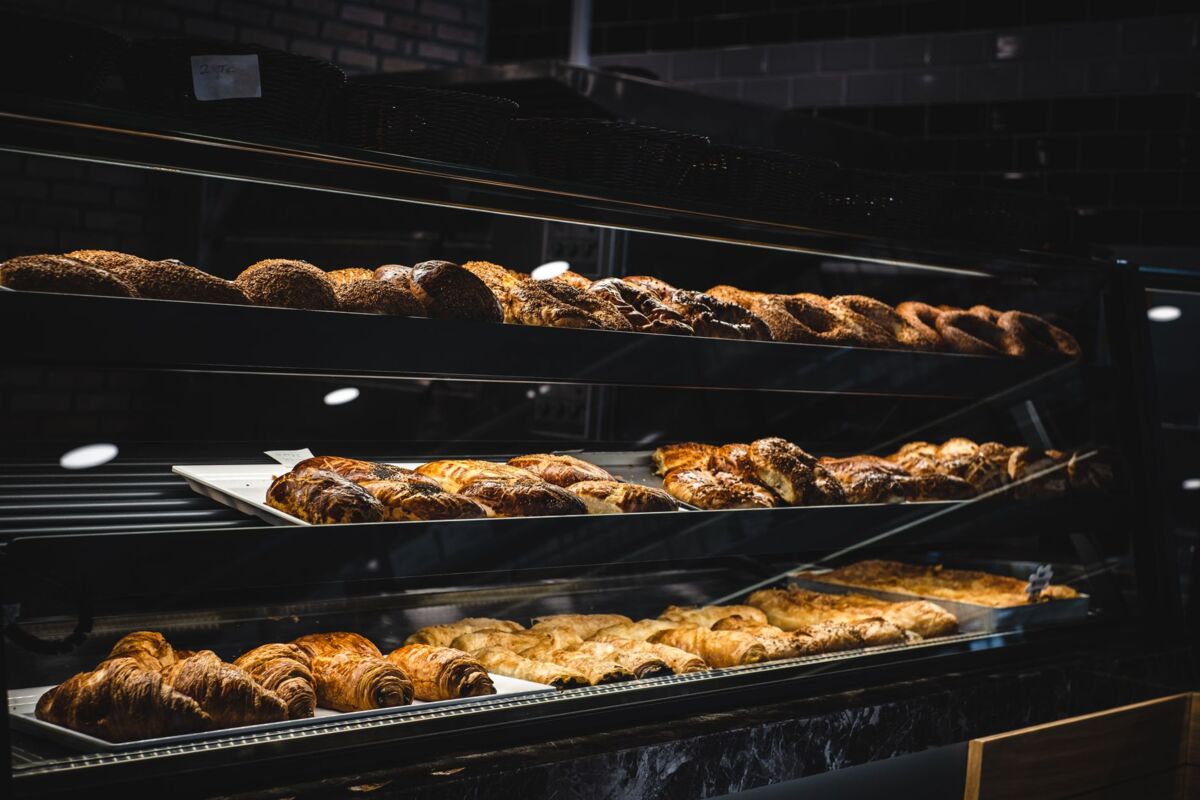
- Artisanal sourdough and bread-focused bakeries. These craft shops are built around naturally leavened bread, baked fresh in small daily batches. Expect crusty loaves, baguettes, focaccia and sometimes an open kitchen you can peek into. Children are often mesmerised by the big ovens and the crackle of a cooling crust, even if the chewy bread itself is more of a grown-up pleasure.
- French patisserie and boulangerie cafes. This is the world of croissants, pain au chocolat, kouign-amann, tarts and laminated pastries. A true boulangerie centres on bread and viennoiserie, while a patisserie leans toward fancier cakes and tarts. Many double as sit-down cafes, which makes them practical for a family breakfast or an afternoon treat with a proper coffee for the adults.
- Local and heritage bakeries. The soul of the Singapore scene: old-school shops, some running for decades, selling fluffy buns filled with kaya, red bean, coconut or custard, plus curry puffs, sausage buns, floss buns, sponge cakes and retro cream cakes. They are usually grab-and-go, affordable and loved across three generations of the same family.
- Heartland and supermarket bakeries. The in-store bakeries inside big supermarkets and the no-frills bread chains in HDB malls bake throughout the day and are the everyday workhorse for most households. They are convenient, predictable, well stocked, and a quietly brilliant place to teach children to read packaging and labels, since pre-packed items carry full ingredient lists.
There is no hierarchy here. A long-fermented craft loaf and a one-dollar heritage kaya bun both earn their place in a family's week. The skill is matching the type to the moment: a slow weekend morning, a frazzled school-run grab, or a rainy afternoon that needs rescuing.
Kid-friendly bakes worth seeking out
Children gravitate toward soft, sweet and easy-to-hold things, which Singapore bakeries do beautifully. Plain or buttered buns, milk loaves (the pillowy shokupan-style ones are a near-universal toddler win), kaya and custard buns, simple sponge cakes and small cookies are all gentle starting points. At French-leaning bakeries, a plain butter croissant or a small chocolate pastry is the safest first move before you graduate to richer, flakier things. Cheese buns, floss buns and sausage buns win over slightly older kids who prefer savoury. Heritage bakes are also a lovely, low-stakes way to introduce Singapore food culture: a kaya bun, a coconut bun, a soft curry puff once cooled, or a slice of pandan chiffon all taste like home and travel well in a bag. A few honest pointers from the trenches:
- Softer beats crustier for little mouths. Very young children find dense, chewy sourdough crusts hard to manage. Enriched soft breads and milk loaves are far kinder to toddler jaws and gums.
- Let it cool. Anything piping hot from the oven, including curry puffs, sausage buns and fresh rolls, can scald small hands and mouths. Wait a few minutes before handing it over.
- Mind the hidden sugar. Many sweet buns, cream cakes and glazed pastries carry more sugar than they look. Treating a bakery bun as a treat rather than a daily staple keeps the ritual special and the diet balanced.
- Watch the choke-risk bits. Whole nuts, hard sugar decorations and very chewy crusts deserve a quick check for babies and toddlers. Tear bread into small pieces for the under-twos.
Halal and allergy checks: slow down here
This is the part of any bakery visit where families should pause, because the details matter and they are easy to get wrong. In Singapore, halal certification is granted by the Majlis Ugama Islam Singapura (MUIS), the Islamic Religious Council of Singapore. A genuinely halal-certified bakery holds a valid certificate, and for in-store counters such as bakeries and delis the certificate should be physically displayed at the premises. A logo printed on a signboard or a wrapper is not the same thing as certification, and the MUIS halal mark must not be used by businesses that have not been certified. If halal status matters to your family, look for the displayed certificate or search the official MUIS directory rather than relying on appearances.
For food allergies, the Singapore Food Agency (SFA) requires pre-packed food to declare its ingredients and additives, with known allergens identified. The allergens to watch for include milk, egg, cereals containing gluten such as wheat, soya, peanuts, tree nuts, fish and crustaceans. Bakeries are an allergen-dense environment by nature, so eggs, dairy, wheat, nuts and sesame turn up constantly. Read the statement of ingredients and any 'Contains' line on packaged items. You will also see advisory phrases like 'May contain' or 'Produced in a facility that also processes', which flag possible cross-contact rather than a confirmed ingredient. For a child with a serious allergy, treat these warnings seriously and ask staff directly, especially at unpackaged open-counter shops where one set of tongs may move between trays.
How to judge a quality bakery (without being a baker)
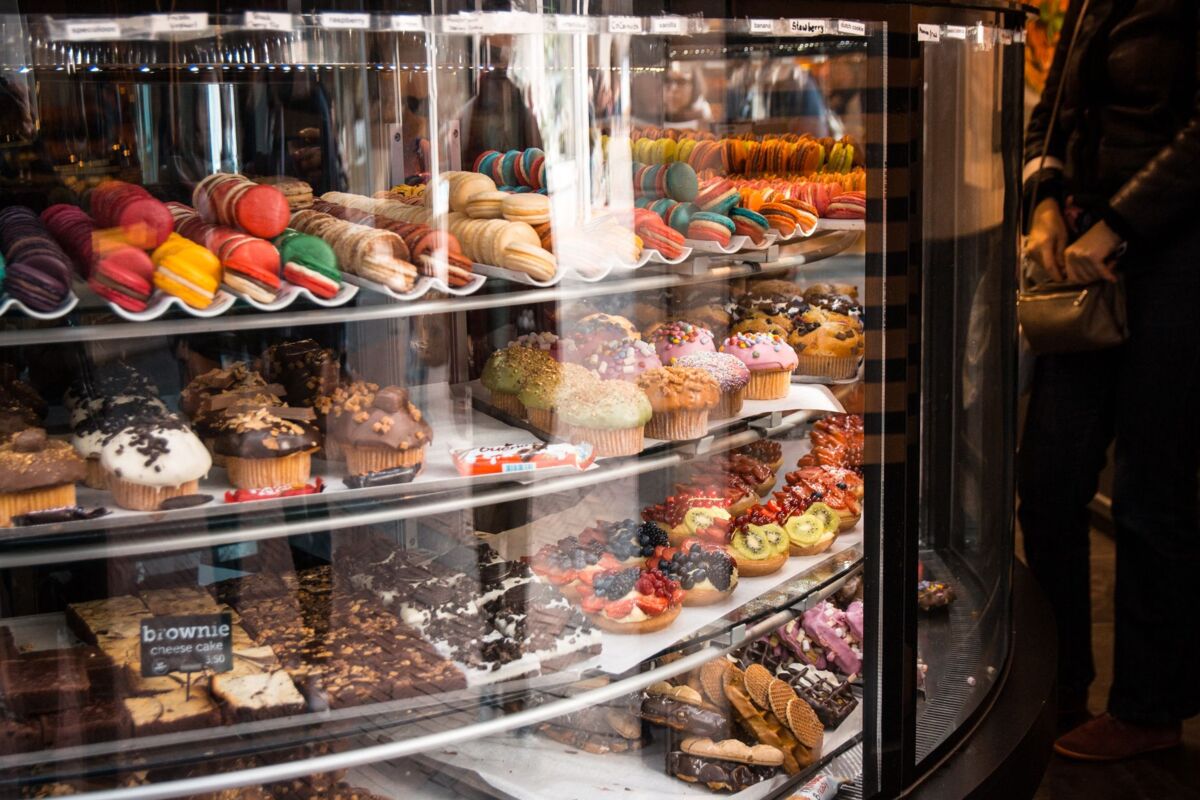
You do not need professional training to read a good bakery. With sourdough, a short ingredient list of flour, water, salt and a natural starter is a good sign; long fermentation, often many hours and sometimes more than a day, is what gives real sourdough its tangy flavour, open crumb and thin, crackling crust. This is why proper sourdough costs more and sells out fast. If a loaf labelled 'sourdough' lists added sugar, oil and commercial yeast, or keeps for weeks without spoiling, it is likely a quicker commercial bake rather than a traditionally fermented one. That does not make it bad bread, but it is worth knowing what you are paying for.
- Freshness and turnover. Busy shelves restocked through the day usually mean fresher bakes than a case that has clearly been sitting since dawn.
- Cleanliness and storage. Tidy counters, covered or well-organised displays and staff handling food hygienically are basic but telling. Glance for the SFA hygiene grade if one is posted.
- Transparency. Bakeries happy to tell you what is in a product, and packaged items with clear labels, make it far easier to feed a family safely.
- Smell and crust. Good bread smells of slow fermentation and toasty crust, not just sugar. A crisp, well-coloured crust and properly flaky, layered pastry are signs of care.
- Texture you can see. An airy, irregular crumb in bread and visible lamination in a croissant point to skill rather than shortcuts.
The family-logistics stuff nobody else tells you
This is where a bakery trip with kids is won or lost, and it is exactly what the glossy lists leave out. A bit of forward planning turns a quick errand into a genuinely lovely outing.
Stroller access, seating and space
Heritage and supermarket bakeries are grab-and-go by design, which is perfect when you only need to dart in with a pram. Craft sourdough shops and small boulangeries can be tight and standing-room-only, so a bulky stroller may be awkward at peak times; park it outside the doorway with a clear sightline if space is tight. For a sit-down treat, look for cafe-bakeries inside malls or larger standalone spaces, which tend to have room between tables, highchairs and a calmer pace for a toddler who will not sit still for long.
Nursing rooms, diaper changes and toilets
Standalone bakeries rarely have nursing rooms or baby-change tables, so if you are out with an infant the trick is location. A bakery inside a shopping mall puts a proper nursing room and diaper-change facility a short walk away, while a standalone shop in a quiet street may have only a single small toilet, if any. When in doubt, pick the mall or supermarket branch for the under-ones and save the tiny artisan corner shop for when the kids are older.
Getting there: MRT, buses and parking
Many beloved bakeries sit in walkable neighbourhoods near an MRT station, which is the easy, no-stress option with young children and a stroller. Standalone shops in landed or industrial areas often assume you drive; street parking can be scarce at weekends, so a mall branch with a carpark is the lower-blood-pressure choice for a family on a tight schedule. Always confirm the exact branch and its hours on the bakery's own page before you set off, since opening times and locations shift.
Crowd timing
- Go early or off-peak. Popular bakeries crush at weekend breakfast. Arriving soon after opening means calmer space, the fullest selection and far less queuing with an impatient toddler.
- Avoid the mid-morning weekend wave. The 10am to noon Saturday and Sunday rush is when sourdough and croissants sell out fastest and queues are longest.
- Weekday afternoons are golden. If your child is not in school yet, a 3pm weekday visit is usually the quietest, with fresh afternoon bakes just out.
- Pre-order the popular stuff. Many craft bakeries take advance orders for sought-after loaves and pastries, which saves a wasted trip when the case is already bare.
What to bring and the rainy-day backup
Pack a bottle of water and a pack of wipes, because buttery, flaky, sugary treats are gloriously messy on small fingers. A small reusable bag is handy for buns, and a clip or two keeps a half-eaten loaf fresh. For Singapore's reliable afternoon downpours, your backup is the mall or supermarket bakery: it keeps you dry, sits near a nursing room and a toilet, and pairs with a play corner or a quick meal if the weather traps you for an hour.
Budget, premium and turning the trip into more
Costs span a wide range. Heartland and heritage buns are the most wallet-friendly and ideal for an everyday treat or stocking the breakfast basket; supermarket bakeries sit in a similar everyday tier with the bonus of clear labels. French viennoiserie and craft sourdough are the premium end, where you are paying for butter quality, long fermentation, small batches and skilled hands. A sensible family rhythm is everyday buns most days, with a craft loaf or a special pastry as a weekend ritual rather than a daily habit.
You can also stretch a simple bakery stop into a proper morning out. Many shops run kids' baking workshops where children shape their own buns or decorate cookies, which delights school-age kids and turns flour-dusted curiosity into a memory. Pair a bakery treat with another family-friendly food stop nearby for variety: a refreshing scoop afterwards from our pick of the best ice cream in Singapore, a hearty plate at a kid-friendly spot from our family hawker centre guide, or a sit-down meal from our roundup of the best chicken rice in Singapore. Reading ingredient labels together at a supermarket bakery, or watching bread emerge from the oven at a craft shop, also builds genuine curiosity about food.
Frequently asked questions
How do I know if a Singapore bakery is genuinely halal?
Look for a valid halal certificate issued by the Majlis Ugama Islam Singapura (MUIS), not just a logo on a signboard or wrapper. For in-store counters such as bakeries, the certificate should be displayed at the premises, and the MUIS halal mark may only be used by businesses that have actually been certified. If you are unsure, search the official MUIS halal directory or ask staff directly rather than relying on appearances. Halal status can also vary by branch, so check the specific outlet you plan to visit.
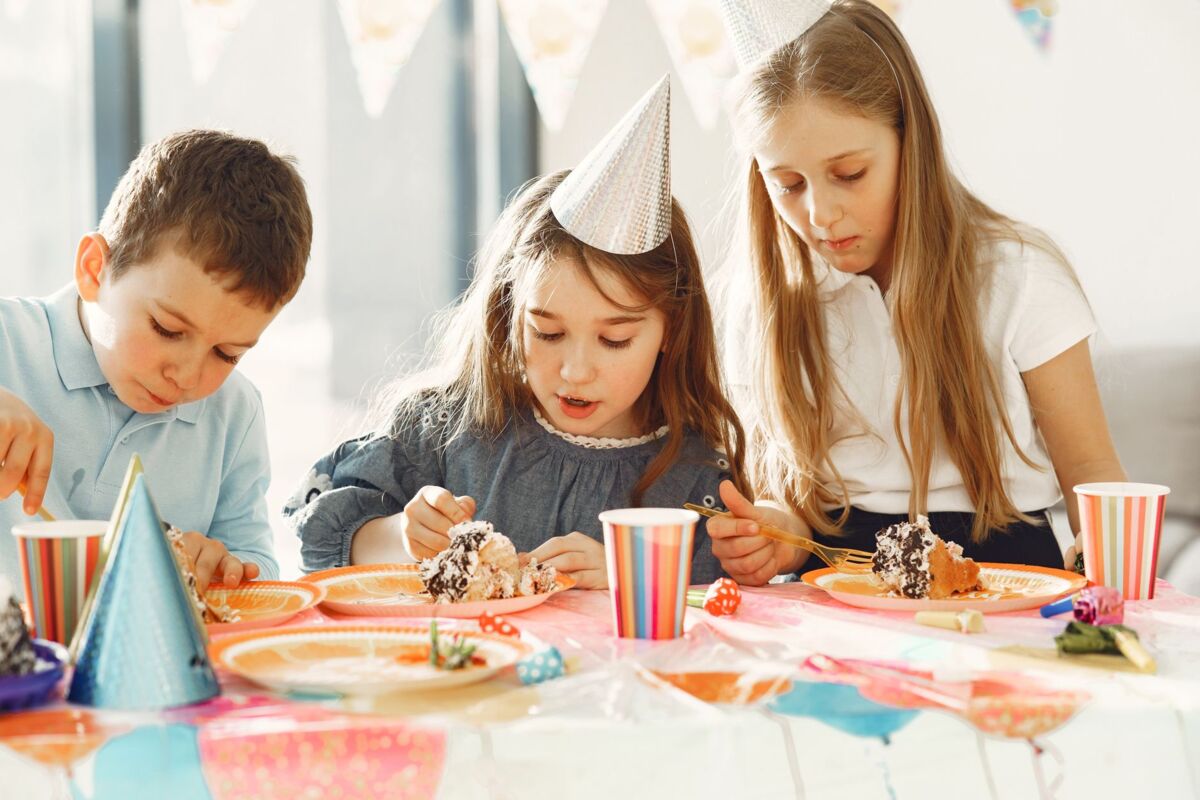
Are bakery treats too sugary for young children?
Many sweet buns, cream cakes and glazed pastries are higher in sugar than they look, so they are best enjoyed as an occasional treat rather than a daily staple. Plainer options such as buttered buns, milk loaves and simple butter croissants tend to be gentler choices, and reading the ingredient list on pre-packed items helps you compare. Balance the treat against the rest of the day's meals and the ritual stays special without taking over the diet.
What is the difference between a 'may contain' allergy warning and halal status?
They answer two separate questions. A 'may contain' or 'produced in a facility that also processes' advisory is about possible cross-contact with an allergen during production, which matters for food allergies. Halal status is about certification by MUIS. A product can carry an allergen advisory and still be halal-certified, or the reverse, so if both matter to your family, verify each one independently using the official SFA and MUIS resources.
Which type of bakery is best for a family with a toddler or baby?
It depends on the moment. For a relaxed sit-down breakfast, a cafe-bakery with seating and a bit of space works well and lets the grown-ups have a coffee. For a quick, affordable treat on the move, a local heritage bakery with soft buns is ideal, since enriched breads are easier for little ones to chew than crusty sourdough. If you have a baby and need a nursing room or change table, pick a bakery inside a mall or supermarket, where those facilities are close by.
What is the best time to visit a popular bakery with kids?
Soon after opening, or on a weekday afternoon, is calmest. The Saturday and Sunday mid-morning window from roughly 10am to noon is the busiest, with the longest queues and the fastest sell-outs of sourdough and croissants. Going early also means the widest selection, which makes the 'let each child choose one' game far less stressful.
What is the difference between a boulangerie and a patisserie?
A boulangerie is a French-style bakery centred on bread and viennoiserie such as baguettes, croissants and pain au chocolat. A patisserie focuses on finer pastries, cakes and tarts. Plenty of Singapore shops blur the two and do both well, but the distinction helps you set expectations: head to a boulangerie for a fresh loaf and a flaky breakfast, and a patisserie when you want a celebratory cake or an elegant dessert.
Hungry for more family ideas? Browse our wider Eat hub for kid-friendly food guides, plan a day out with Play, or map a weekend with Travel.
Gluten Free and Allergy-Friendly Eating Out in Singapore: A Parent's Guide
A practical parent's guide to gluten free and allergy-friendly eating out in Singapore: allergens, hawker safety, talkin...
9 min read
Cat Cafe Singapore: A Family Guide to Animal Cafes
A parent's guide to the cat cafe Singapore scene and animal cafes: how they work, age rules, etiquette, welfare, and wha...
10 min read
Bak Kut Teh in Singapore: A Family Guide to the Comforting Pork Rib Soup
A parent's guide to bak kut teh in Singapore: peppery vs herbal styles compared, what to order for kids, spice tips and ...
10 min read