
How to Choose the Best Preschool in Singapore: A Parent's Guide

In this article
- First, the basics: what counts as a preschool here
- The main types of preschools, from most-subsidised to premium
- Curriculum approaches to know (explained simply)
- How to choose: the factors that actually decide it
- The visit, waitlist and registration process
- What to observe on a centre tour
- Frequently asked questions
If you have ever stood in a playground WhatsApp group watching other parents compare waitlists, you already know the truth: finding the best preschool in Singapore is less about chasing a single ranking and more about finding the best fit for your child and your family. There is no one perfect centre that wins for everyone. The calm, structured room that settles a shy two-year-old is not always the busy, climb-and-build space an energetic four-year-old craves. This guide is for any Singapore parent shortlisting from scratch, whether you are a dual-income family who needs full-day care, a stay-home parent looking at half-day kindergarten, or somewhere in between. We will walk you through the choices in plain language so you can shortlist with confidence instead of fear of missing out.
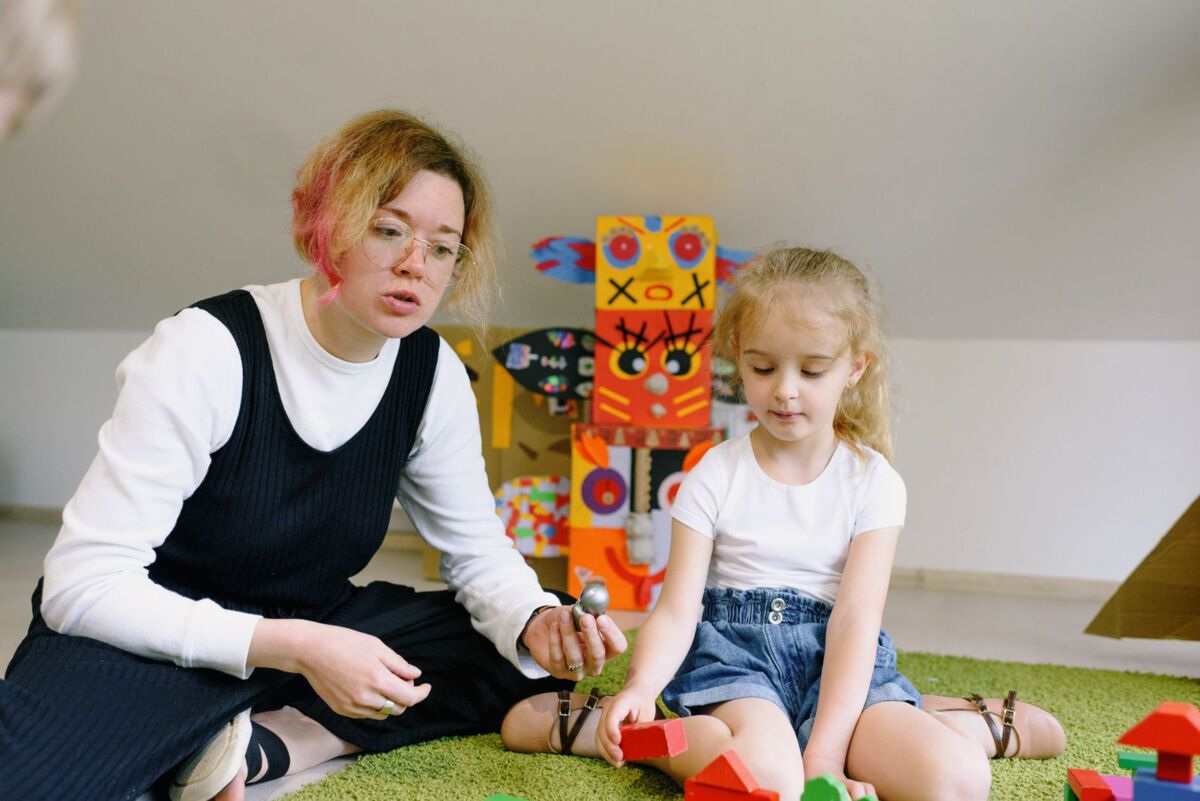
We will not publish school rankings or quote fees that go out of date the moment they are printed. Instead we focus on what actually helps you decide: the types of centres, the curriculum approaches worth knowing, the practical factors that matter day after day, and exactly how to read a centre when you visit it.
First, the basics: what counts as a preschool here
In Singapore, preschool is the umbrella term for early childhood programmes for children below age seven. The journey usually moves through a few stages, though the exact labels vary by centre: infant care (from around two months), playgroup and Nursery (roughly eighteen months to three years), then Kindergarten 1 (K1, around age four) and Kindergarten 2 (K2, around age five), which lead into Primary 1.
Programmes fall into two broad formats. Child care centres typically run full-day or half-day and often include infant care, so they suit working parents who need longer hours and meals on site. Kindergartens usually run shorter sessions of around three to four hours for children aged about three to six, focused squarely on the years before Primary 1. Both formats are regulated by the Early Childhood Development Agency (ECDA), the national authority for early childhood care and education.
Here is the part most brochures will not tell you: every licensed centre, no matter how it markets its curriculum, must meet ECDA standards and build learning around the national Nurturing Early Learners framework, which is play-based at its core. So the label on the door tells you far less than how the centre actually runs its day. That is good news, because it means you can stop worrying about finding a magic methodology and start looking at whether a real, warm, well-run place fits your child.
The main types of preschools, from most-subsidised to premium
Understanding the categories helps you make sense of the fee ranges and the level of government support behind each centre. Broadly, you will come across five kinds:
- Anchor Operator (AOP) centres: Large operators that receive the highest level of government funding in return for keeping to regulated monthly fee caps, which makes them generally the most affordable full-day option. The Anchor Operators are PCF Sparkletots, My First Skool, M.Y World Preschool, Skool4Kidz and E-Bridge Pre-School.
- Partner Operator (POP) centres: Commercial and not-for-profit operators that also receive funding and agree to fee caps, at a lower support level than Anchor Operators. ECDA appoints fresh batches of Partner Operators on multi-year terms to expand affordable, quality places across the island.
- MOE Kindergartens (MK): Government-run kindergartens for K1 and K2 (roughly ages five to six). They run 4-hour sessions, lean on purposeful play and early bilingualism in English plus a Mother Tongue, and many sit on or near primary school grounds. Some partner with Early Years Centres so younger siblings have a pathway in.
- Private preschools: Run by independent companies or individuals, with more freedom to design a curriculum around a philosophy such as Montessori or Reggio Emilia. Fees vary widely and they must still meet ECDA licensing standards.
- International preschools: Often follow an overseas or international curriculum and cater to expatriate or globally mobile families. They sit at the premium end and are not part of the AOP or POP fee-cap schemes.
Curriculum approaches to know (explained simply)
Brochures love philosophy names. Here are the ones most worth recognising, with the honest pros and cons of each:
- Play-based: Learning through guided play, exploration and hands-on activities. This is the shared foundation across all licensed Singapore preschools, not a niche choice. Pro: developmentally natural for young children and builds curiosity. Watch-out: quality depends entirely on whether teachers guide the play with intent or just supervise it.
- Montessori: Self-directed learning with specially designed materials, often in mixed-age rooms, with teachers acting as facilitators. Pro: builds independence and concentration. Watch-out: Montessori is not a trademarked standard in Singapore, so a sign saying Montessori guarantees nothing. Ask how many staff are Montessori-trained.
- Reggio Emilia inspired: Project-based and child-led, where children explore one topic in depth over time and the classroom environment is treated as a teacher in its own right. Pro: rich, creative, expressive. Watch-out: needs skilled educators to document and extend the projects, or it drifts into unstructured craft time.
- Thematic and inquiry-based: The term builds around themes (the ocean, the body, the neighbourhood) and children investigate questions within them. Pro: connects subjects naturally and keeps things relevant to a child's world. Watch-out: depth varies a lot between centres.
- More academic or structured programmes: A heavier emphasis on early literacy, numeracy worksheets and Primary 1 readiness. Pro: reassuring for parents anxious about the jump to primary school. Watch-out: pushed too early it can dull a young child's love of learning, and ECDA frameworks deliberately favour play over drilling.
- Bilingual and Mother Tongue emphasis: Many centres weight daily exposure to English and a Mother Tongue (Chinese, Malay or Tamil). Pro: a real head start on a skill that compounds. Watch-out: ask whether the second language is genuinely spoken through the day or just one timetabled lesson.
Our honest advice: do not choose by the label alone. Ask how the centre teaches language, early numeracy and social-emotional skills in an ordinary day, and how it tracks your child's progress. A warm, well-run play-based centre often serves a young child better than a fancy-sounding programme delivered poorly. If you want extra exposure later, you can always add a Chinese enrichment class or a reading and phonics programme once your child is settled, rather than choosing the whole preschool on that basis.
How to choose: the factors that actually decide it
These are the practical considerations that determine whether a centre works for your family week after week, not just on the open-house day.
Proximity and daily logistics
This is the factor parents underrate and then regret. A centre near home, your workplace or the grandparents' flat makes drop-off and pick-up realistic on rushed mornings and rainy evenings. Think about the real commute: is it walkable, near an MRT line you already use, or does it need a car and a parking struggle? A slightly less shiny centre five minutes away usually beats a dream centre forty minutes across the island. The ECDA Preschool Search, available through the LifeSG app, lets you find licensed centres by area. If grandparents or a helper will share the routine, it is worth thinking through infant care and backup arrangements early, which we weigh up in our guide to childcare centres in Singapore.
Curriculum and philosophy fit for your child
Match the centre to the child in front of you, not the child you imagine. A sensitive, slow-to-warm child may thrive in a calmer room with consistent routines and a low-key teacher. A boisterous one may need more outdoor time and movement. Watch how the staff handle a child mid-meltdown during your visit; that tells you more than any curriculum chart.
Teacher qualifications, ratios and turnover
The single biggest driver of a good preschool experience is the people. Ask whether teachers hold recognised early childhood qualifications, what the current teacher-to-child ratio is for your child's age group, and crucially how long the teachers have been there. High staff turnover unsettles young children and is often a quiet signal of problems behind the scenes. A stable, happy teaching team is worth more than a glossy renovation.
Safety, hygiene and licensing
Always confirm the centre is ECDA-licensed; licensing is your baseline safety and quality assurance, covering staff vetting, health and safety, and minimum standards. Many quality centres also pursue SPARK (the Singapore Preschool Accreditation Framework), a voluntary quality-assurance certification, so a SPARK-certified centre has chosen to be assessed against higher standards. On a visit, look past the marketing: clean nappy-change and toilet areas, sensible sick-child policies, secure entry and exit, and safe, padded play spaces.
Language exposure and transition support
If bilingualism matters to your family, ask exactly how much of the day is spent in each language and by whom. Just as important is transition support: how the centre eases a new child in, handles separation anxiety, and later prepares K2 children for Primary 1. A thoughtful orientation period (often a phased start over the first week or two) makes an enormous difference to how your child settles.
Parent communication

You are choosing a partner for two to four years, so how the centre talks to parents matters. Ask whether you will get daily or weekly updates, photos, a communication app, and easy access to your child's teacher when something is worrying you. Centres that communicate openly tend to be the ones with nothing to hide.
Cost and ECDA subsidies
Fees are only half the picture; subsidies often change the maths completely. Singapore Citizen children at ECDA-licensed childcare and infant care centres qualify for a Basic Subsidy, with a higher amount for children of working mothers, and lower-income families may qualify for an Additional Subsidy on top. Kindergarten-only programmes have their own assistance scheme for eligible families. Because the exact caps and your eligibility depend on income and working status, work out your likely out-of-pocket cost with our childcare subsidy calculator, then verify the final figures with the centre and on the ECDA site. If you are still deciding between full-time care and other arrangements, our breakdown of childcare options walks through the cost and lifestyle trade-offs in more detail.
The visit, waitlist and registration process
Here is the order of operations that keeps the search manageable rather than overwhelming:
- Search and longlist. Use the ECDA Preschool Search (via LifeSG) to pull up licensed centres in your preferred areas, then longlist by location, format (full-day, half-day, kindergarten) and rough fee range.
- Register interest early. Popular centres, especially affordable Anchor Operator ones and MOE Kindergartens, fill up fast. Many parents register interest a year or more ahead, and some put a child on waitlists from infancy. Each centre runs its own waitlist and intake timeline, so contact them directly to understand the queue.
- Shortlist three or four and book visits. Photos online never tell the full story. Tour your top candidates, ideally during a normal session rather than a polished open house, so you see the real rhythm of the day.
- Compare and decide. Weigh fit, people and logistics against cost after subsidies. Then check the practicalities: deposit, notice period, what is included, and whether a place is actually available for your target start date.
- Enrol and prepare for orientation. Once you accept a place, confirm the orientation plan and start date, and ask what your child needs to bring on day one.
What to observe on a centre tour
When you are physically there, the small things speak loudest. Notice whether the children look engaged and settled rather than bored or anxious, whether staff speak warmly and get down to a child's level, whether the space is clean without feeling sterile, and whether teachers make eye contact with you and your child. Trust your senses on noise, smell and energy; you can feel a happy room.
Useful questions to ask on a tour:
- What does a typical day look like, from drop-off to pick-up, including outdoor time, meals and naps?
- How do you settle a child who is new or crying, and what is the orientation period like?
- What is the current teacher-to-child ratio in my child's age group, and how stable is the teaching team?
- What are the teachers' early childhood qualifications, and who covers when a teacher is absent?
- How do you communicate with parents, and how do you handle illness, allergies, medication and naps?
- How much of the day is in English versus Mother Tongue, and who leads each?
- What are the current fees, the deposit and any extra charges, and is a place available or is there a waitlist?
- Are you ECDA-licensed, and are you SPARK-certified?
Frequently asked questions
What is the difference between childcare and kindergarten?
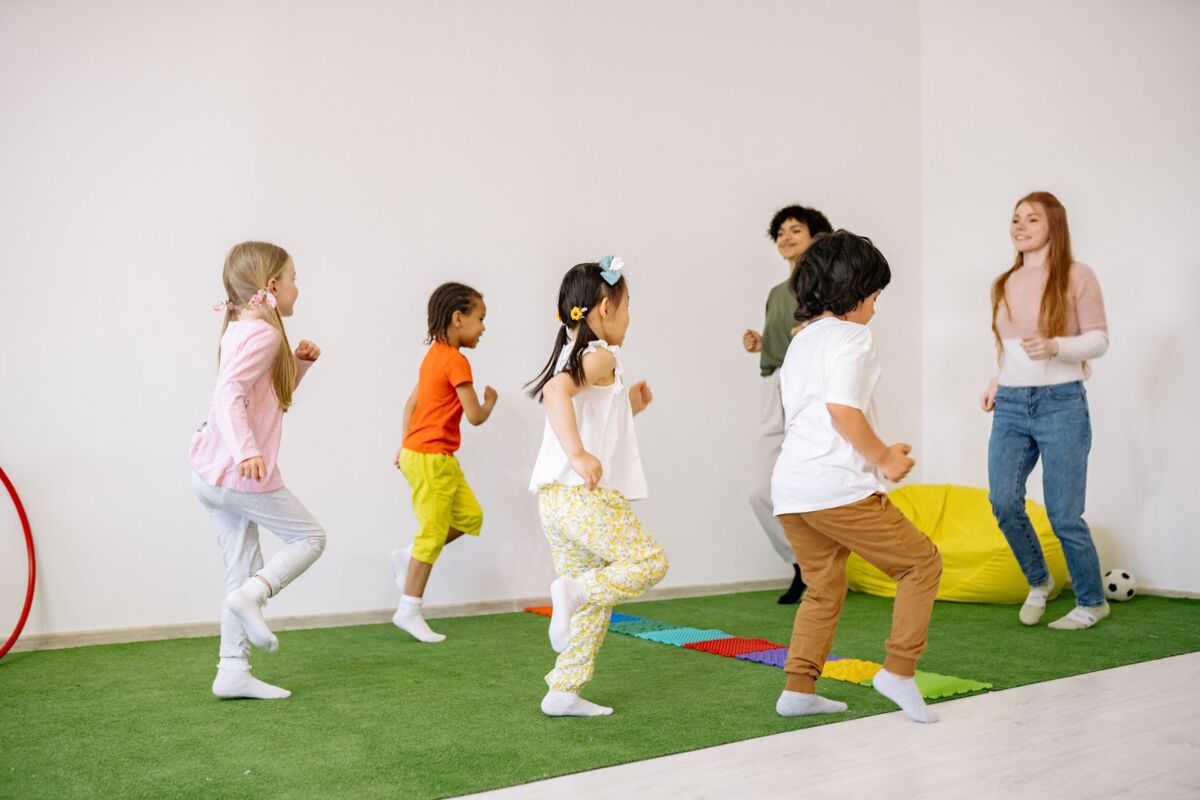
Child care centres usually run full-day (and may offer infant care and meals), suiting working parents who need longer hours. Kindergartens, including MOE Kindergartens, typically run shorter sessions of around three to four hours for children aged about three to six. Both are ECDA-regulated and play-based at their core.
Are Anchor Operator preschools cheaper?
Generally yes. Anchor and Partner Operator centres receive government funding tied to fee caps, so they are usually the most affordable full-day options, and MOE Kindergartens are low-cost for the K1 and K2 years. Private and international centres cost more. Confirm the current caps and fees on the ECDA site, as numbers change.
What age should my child start preschool?
It depends on your family. Infant care can start from around two months, many children begin playgroup or Nursery between eighteen months and three years, and almost all are in some form of preschool by K1 and K2. There is no single right age; readiness signs such as growing independence, curiosity and an interest in other children matter more than the number.
How early should I register?
As early as you reasonably can for in-demand centres. Many parents register interest a year or more ahead, and waitlists for popular affordable centres can be long. Use the ECDA Preschool Search to register interest, then contact centres directly about their enrolment timelines and queues.
How do I know a centre is safe and legitimate?
Check that it is ECDA-licensed first; that is the non-negotiable baseline. Beyond that, look for SPARK certification, observe hygiene and security on your visit, ask about staff vetting and qualifications, and notice how openly the centre communicates. A licensed, transparent centre that welcomes your questions is a good sign.
Do I have to choose a specific curriculum like Montessori?
No. Every licensed Singapore preschool is built on a play-based national framework, so a good general centre serves most children well. A named philosophy is a nice-to-have if it genuinely fits your child and is delivered by trained staff, not a requirement. If you want extra exposure in a particular area later, enrichment classes can supplement preschool rather than dictate your choice of it.
Choosing a preschool is one of the first big parenting decisions, but it does not have to be stressful. Narrow by location and budget, understand the curriculum as it is practised rather than printed, lean on the subsidies you qualify for, and always visit before you decide. For more help getting ready, browse our other parent guides on the blog and tools on the tools hub.


Childcare Centres in Singapore: A Parent's Guide to Infant Care, Subsidies and Choosing the Right One
How childcare centres in Singapore work: infant care vs full-day childcare, ECDA operators, subsidies, waitlists, fees a...
10 min read
Children's Libraries in Singapore: A Parent's Guide to NLB
A parent's guide to NLB children's libraries in Singapore: kids' sections, story times, free membership, the NLB app, Li...
11 min read
Chinese Enrichment in Singapore: A Parent's Guide to Mandarin for Kids
A practical guide to Chinese enrichment in Singapore: why Mandarin matters, play-based vs exam tuition, choosing by age,...
11 min read