

Chinese Enrichment in Singapore: A Parent's Guide to Mandarin for Kids
In this article
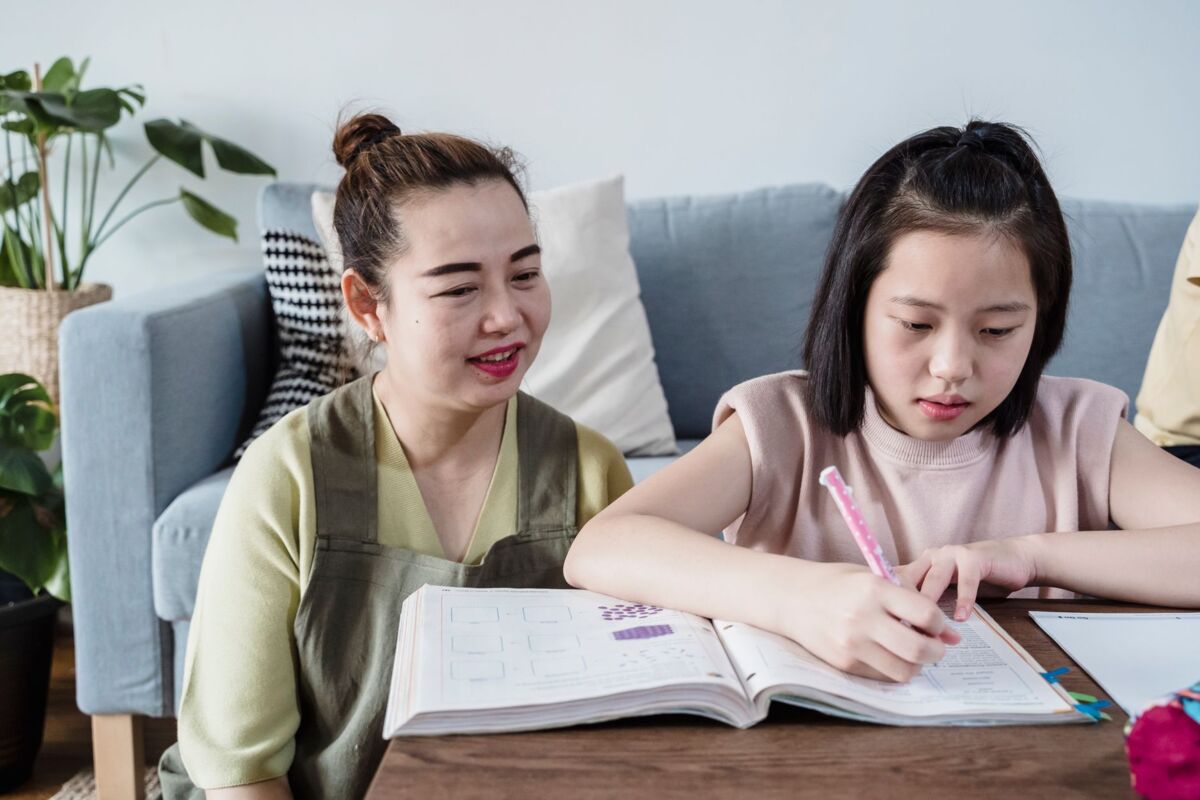
If you are a Singapore parent juggling English at home, English at work, and a child who would rather watch cartoons than open a Chinese storybook, you are in very good company. Mandarin runs through daily life here thanks to our bilingual school system, yet for plenty of families it can feel like a language that lives only inside a classroom. That gap is exactly why Chinese enrichment in Singapore has become so popular: parents want their kids to enjoy the language early, build a foundation, and not dread it later. This guide is for any parent weighing up classes, from toddlers in their first playgroup to a Primary 4 child sweating over composition. It covers why Mandarin matters, the real difference between play-based enrichment and exam-focused tuition, how to choose by age, rough costs, what makes a good centre, and the home habits that matter more than any class.

Why Mandarin matters for Singapore kids
Bilingualism has been a cornerstone of Singapore's education policy since the 1960s, and almost everyone schooled here learns English plus a Mother Tongue Language. For Chinese-Singaporean families, that Mother Tongue is Mandarin, and it is a compulsory examinable subject from Primary 1 right through to the PSLE and beyond. So there is a practical, grades-related reason to care: your child will be assessed on it for years. But the Ministry of Education frames Mother Tongue as more than an exam subject. It is meant to anchor cultural identity, connect children to their heritage, and open doors across Asia.
The challenge for many homes is exposure, not ability. In a growing number of Chinese-Singaporean families, English is now the main language spoken with young children, so Mandarin gets picked up mainly as a school subject with little practice outside it. That is the gap enrichment is designed to fill. Research on local bilingual children backs this up: one study of Singaporean bilingual kids found that attending Mandarin enrichment classes was associated with stronger word-reading, which the authors link to the extra exposure such classes add in English-dominant homes. In 2024 the MOE itself announced new efforts to grow Mother Tongue exposure from young, including a structured reading programme in primary schools and more Mandarin in MOE kindergartens. In plain terms: the more positive contact a child has with the language early, the easier the school years tend to be.
A simple rule of thumb: in the early years, prioritise listening and speaking (oracy) over characters and worksheets. Reading and writing come far more naturally once a child is comfortable hearing and using Mandarin, so programmes that rush very young children straight into stroke order and spelling tests often backfire and breed resentment.
The big choice: play-based enrichment vs exam-focused tuition
Almost every Chinese programme in Singapore sits somewhere on a spectrum, and understanding it saves you money and wasted weekends. At one end is play-based enrichment: immersion playgroups, speech and drama, storytelling and song-led classes whose whole job is to build a love of the language. At the other end is exam-focused tuition: composition, oral, comprehension and PSLE or O-Level preparation that tracks the school syllabus closely. Neither is better in the abstract. The right one depends on your child's age and what they actually need right now.
Play-based and immersion enrichment
These classes surround children with the sounds, rhythm and intonation of natural Mandarin through songs, stories, puppets, simple drama and games. The aim is not vocabulary drilling but tuning a young ear to the language so it feels normal rather than foreign. This is the right starting point for toddlers and preschoolers, and a good antidote for an older child who has decided Chinese is boring.
Speech and drama
Speech and drama programmes use acting, role-play, story dramatisation and small performances to build spoken confidence. They suit kids who learn by doing, and they are gold for a shy child who clams up when asked to speak Mandarin. By performing stories and idioms, children absorb vocabulary and sentence rhythm in a way that feels like fun, not study.
Reading and literacy programmes
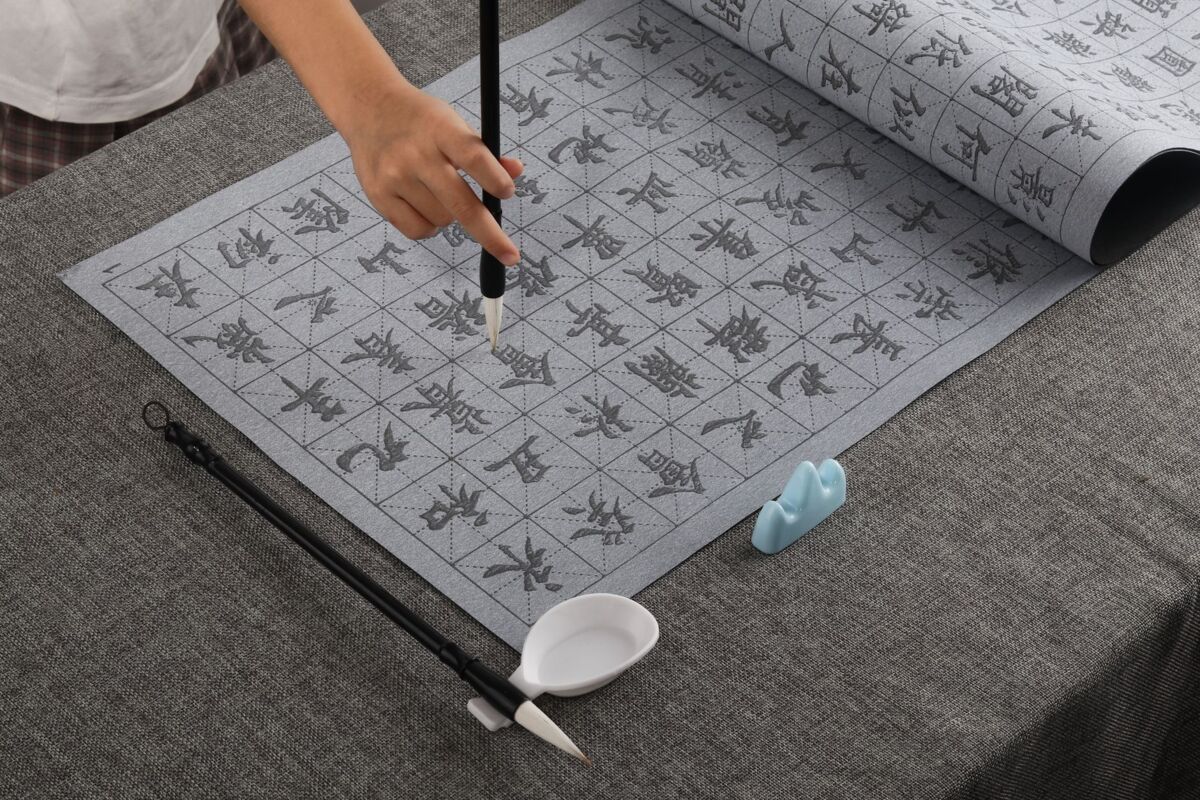
These bridge the gap from spoken Mandarin to reading, character recognition and eventually writing. The good ones grow a love of stories first and introduce characters gradually, often using hanyu pinyin as a stepping stone. They are most useful once a child already has a comfortable speaking and listening base, typically from the later preschool years into lower primary. Our guide to reading and phonics programmes in Singapore covers the same foundation-first logic for English, and the principle carries straight across.
Tuition and academic support
Tuition is syllabus- and exam-oriented, aimed at school-age children who need to keep pace with the MOE curriculum, strengthen composition and oral, or prepare for major assessments. It serves a genuine need, and many strong centres are run by ex-MOE or experienced native-level teachers. The trap to avoid: tuition works best layered on top of a positive foundation, not used as a young child's first encounter with Mandarin. A six-year-old drilled on comprehension before they enjoy the language often ends up disliking both.
Choosing by age
There is no single right format, only the right one for your child's stage. Here is a sensible way to map age to approach:
- Ages 1 to 3: Immersion playgroups and play-based exposure. Keep it light, social and song-filled. The only win you need at this stage is that Mandarin feels familiar and fun.
- Ages 3 to 6 (preschool): Speech and drama, storytelling-led classes, and gentle early reading. Focus on speaking confidence and vocabulary through games, show-and-tell and hands-on activities. This is the sweet spot for building oracy.
- Ages 6 to 9 (lower primary): Reading and literacy programmes, plus light support if your child is struggling with the school pace. A strong oral foundation laid earlier pays off here, because reading builds on what the ear already knows.
- Ages 9 and up: More targeted tuition, composition and oral help where needed, ideally still paired with reading for pleasure so the language stays alive beyond worksheets.
What a Chinese enrichment class typically costs
Fees vary widely by centre, format, location and level, and they change over time, so treat any figure as a rough planning guide rather than a quote and confirm current pricing on the centre's official website. As a broad orientation, weekly small-group enrichment and tuition here commonly runs in the low-to-mid hundreds of dollars per month, with preschool play-based classes at the lower end and exam-focused secondary tuition at the higher end. One-to-one tuition costs more than group classes, and on top of term fees you may meet one-off registration and per-term materials charges.
- Ask for the all-in number. Registration, deposit, materials and assessment fees can quietly add to the headline term price.
- Check the commitment. Some centres bill per term or package rather than per lesson, and refund policies for missed classes differ a lot.
- Factor in travel. A cheaper class an hour away can cost more in petrol, parking and frazzled evenings than a pricier one near home.
- Compare class size, not just price. A dearer class of six where your child actually speaks beats a cheaper class of fifteen where they only listen.
How to choose a good centre
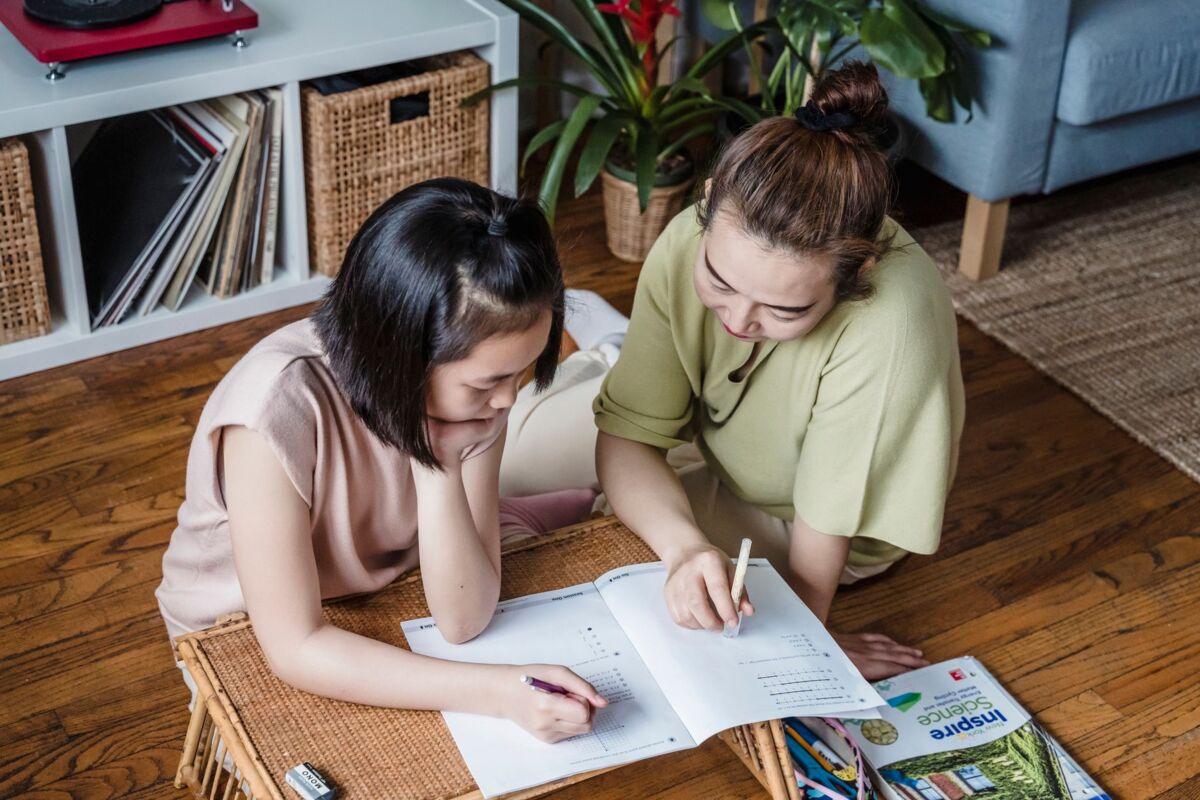
Once you have narrowed down the type of programme, the difference between a great experience and a wasted year usually comes down to the teacher, the class and the fit with your family. Run through this checklist.
- Small class sizes and real attention. Young children need to speak, not just sit. Ask how many kids per class and how much each one actually talks in a lesson.
- Qualified, native-level teachers. Look for experienced or MOE-trained educators who use warm, natural Mandarin. For exam tuition, ask about their track record with the relevant level.
- An immersive, Mandarin-mostly environment. The best classes minimise English so children must listen and respond in Mandarin, which is where real progress happens.
- A curriculum that complements MOE school Chinese. Enrichment should reinforce or extend what your child does in school, not pull in a confusing different direction.
- Convenience and consistency. A location and timeslot you can sustain every week beats an ideal class you will quietly stop attending. Consistency matters more than prestige.
- A trial class and a visit. Watch whether your child is engaged and whether the teacher connects with kids. A good centre welcomes a trial; be wary of one that pressures you to sign before you have seen a lesson.
If you are weighing Chinese against other add-ons, our broader roundup of enrichment classes in Singapore can help you balance the timetable, and parents comparing language support often look at English tuition in Singapore too, since the same choose-by-need logic applies.
Supporting Mandarin at home (the part that matters most)
Here is the honest truth no enrichment centre leads with: what happens at home usually matters more than the class. Children who hear and use Mandarin in everyday life, even imperfectly, pull ahead of children who only meet it once a week in a lesson. You do not need to be fluent yourself to make a real difference.
- Speak it, even a little. Fold simple Mandarin into daily routines: mealtimes, getting dressed, the car ride. Everyday use beats occasional formal practice.
- Read together daily. Even a short shared picture book builds fluency and confidence. Bilingual books with hanyu pinyin and English help a lot if your own Mandarin is rusty.
- Use audio and songs. Mandarin songs in the car or audiobooks at bedtime expose kids to natural tone and rhythm without feeling like a lesson. A trip to one of our favourite children's libraries in Singapore is an easy, free way to stock up on Chinese storybooks.
- Play spoken word games. Simple games like I Spy, twenty questions or guessing games in Mandarin get children using descriptive language naturally and laughing as they go.
- Keep screens supervised and short. If you use a learning app or watch a Mandarin cartoon, sit nearby, keep sessions brief, and echo new words back so it becomes real conversation rather than passive watching.
Frequently asked questions
What does wang lao shi mean, and do I need a tutor like that?
"Wang lao shi" simply means "Teacher Wang" in Mandarin (lao shi is the word for teacher), and it is a common, respectful way Singaporean families refer to a Chinese tutor whose surname is Wang. Several well-known tuition brands here trade on a teacher's name this way. You do not need a specific named teacher to do well: what matters is the qualities in the checklist above, namely an experienced native-level teacher, small classes, an immersive environment and a good fit with your child.
When should we start Chinese enrichment?

Earlier exposure helps, especially for listening and speaking, but there is no magic deadline. A relaxed, play-based start in the toddler or preschool years is ideal, and roughly ages four to eight is a valuable window for building a listening and speaking foundation. Older children benefit too, simply with a format suited to their age and ability.
Is enrichment necessary if we already speak some Mandarin at home?
If your home already provides regular, varied Mandarin and your child is comfortable speaking, you may not need formal enrichment at all. It is most valuable when home exposure is limited, or when a child specifically needs a confidence, reading or exam boost. Be honest about how much Mandarin really gets spoken in a typical week before paying for a class to fix a problem you can solve at home.
Play-based enrichment or exam tuition: which should I pick?
Match it to age and need. For preschoolers and young primary kids with no urgent grades pressure, lead with play-based enrichment to build a love of the language. Reserve focused tuition for school-age children who are genuinely falling behind the MOE pace or preparing for a major exam like the PSLE.
How do I avoid over-scheduling my child?
Pick one consistent activity your child enjoys rather than stacking several. Watch for signs of fatigue or dread, like sudden reluctance or tears before class. A single class plus relaxed home reading almost always beats a packed timetable that drains the joy out of the language. If you are already running a full week of activities, see our notes on balancing enrichment classes in Singapore before adding another.
How long before I see progress?
With a decent class plus some home reinforcement, parents often notice more confident speaking and a bigger vocabulary within a few months, while reading fluency and exam results take longer to shift. Judge by your child's willingness to use the language, not just test scores. For the latest fees, schedules, ages served and trial availability, always check each centre's official website, since these vary widely between providers and change over time.
For more, explore the wider Fussy Mama learn hub.

How to Choose the Best Preschool in Singapore: A Parent's Guide
How to choose the best preschool in Singapore for your child: centre types, curriculum, fee ranges, ECDA subsidies, wait...
11 min read
Childcare Centres in Singapore: A Parent's Guide to Infant Care, Subsidies and Choosing the Right One
How childcare centres in Singapore work: infant care vs full-day childcare, ECDA operators, subsidies, waitlists, fees a...
10 min read
Children's Libraries in Singapore: A Parent's Guide to NLB
A parent's guide to NLB children's libraries in Singapore: kids' sections, story times, free membership, the NLB app, Li...
11 min read