
Children's Libraries in Singapore: A Parent's Guide to NLB
In this article
- Why NLB libraries are a brilliant free family resource
- The NLB network and what children's sections offer
- Story times and early-literacy programmes
- How to register your child for membership
- Borrowing: how loans work
- The NLB app and digital borrowing
- Facilities, accessibility and stroller-friendliness
- Etiquette and tips for visiting with young kids
- Family-friendly library types, described generally
- Frequently asked questions
Almost nothing stretches a Singapore family budget as kindly as a library card. The National Library Board (NLB) runs public libraries right across the island, and nearly every one has a children's section built for small bodies, short attention spans and sticky fingers. This guide is for parents of babies through primary-school kids who want to know what those spaces offer, how to sign a child up, how borrowing and the NLB app work, which facilities to expect, and how to keep a visit calm with a toddler in tow. Because fees, loan quotas and programme schedules change, we point you to the official NLB pages for current numbers rather than quoting figures that may drift.
Why NLB libraries are a brilliant free family resource
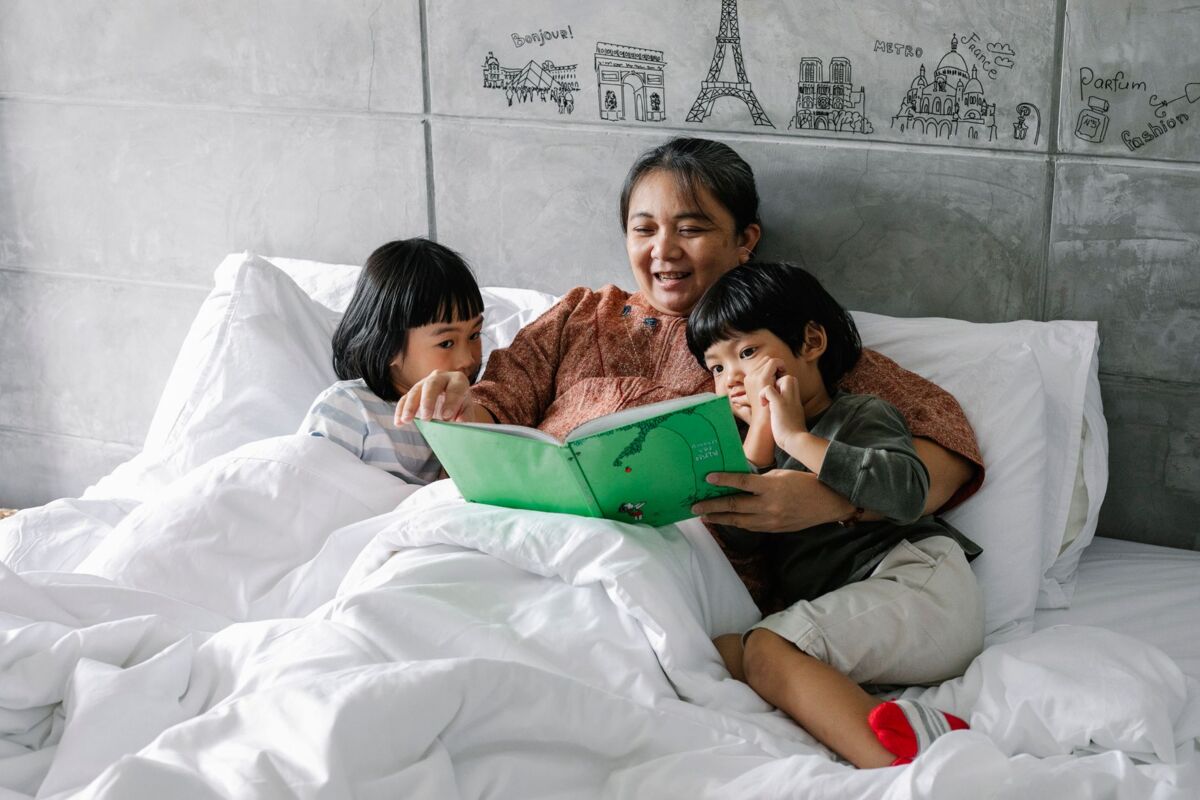
A library outing ticks an unusual number of boxes at once. It is free, air-conditioned, works rain or shine, and gives young children something Singapore's busier attractions rarely do: an unhurried, quiet-ish space where a two-year-old can pull books off a low shelf and a six-year-old can disappear into a chapter book. No admission fee, no time slot, no pressure to spend. For parents it is also one of the city's most reliable wet-weather backups, and a gentle way to build a reading habit that outlasts the storytime years.
- Genuinely free: membership costs nothing for citizens and PRs (foreigners pay a fee)
- Rain-proof and air-conditioned, so it works as a last-minute wet-weather plan
- No booking needed to visit and browse the children's section
- Easy to reach: most branches sit beside an MRT station or inside a mall or hub
The NLB network and what children's sections offer
NLB operates public libraries across Singapore, from large regional libraries down to neighbourhood branches tucked into malls and community hubs. Wherever you live, there is usually a branch within a manageable bus or MRT ride, which makes the library an easy free family outing.
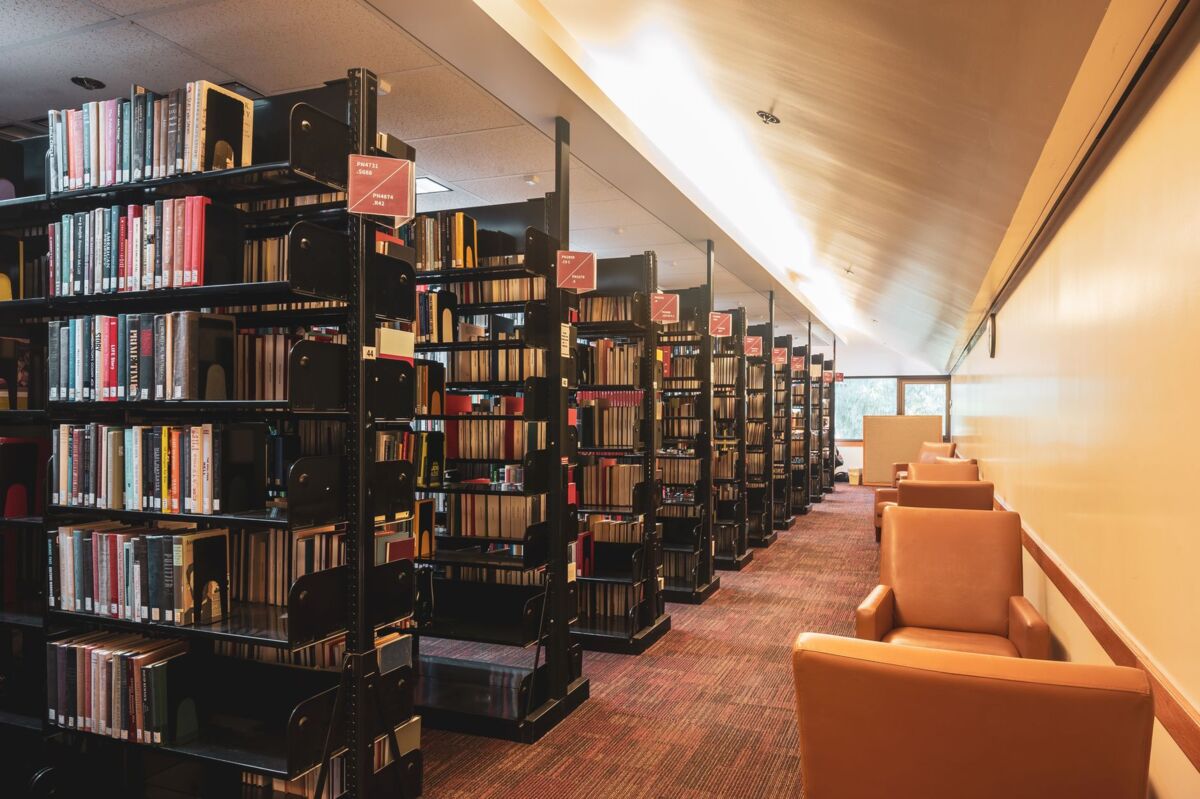
Children's sections are designed around how young kids really use a space: picture books and early readers shelved at child height, low seating and cosy corners for lap reading, and themed environments at the larger branches. Several regional libraries lean hard into this. Jurong Regional Library houses early-literacy spaces split by age, Woodlands Regional Library takes a nature theme inspired by the nearby reserves, Punggol Regional Library dedicates generous space to children, and the Central Public Library at the National Library Building reopened in 2024 with a biodiversity and marine theme. You do not need to chase a specific branch, though; a good first move is simply to visit your nearest library and explore the kids' zone there.
- Picture books, board books and early readers grouped for young browsers
- Reading nooks and low furniture suited to lap reading and floor sitting
- Collections in Singapore's official languages, supporting bilingual reading
There is no minimum age for a library visit, and NLB encourages families to start early. Roughly: babies want board books and lapsit songs in short, sensory visits; toddlers pull books off shelves and graze the early-literacy corners; preschoolers enjoy picture books and their first sit-through storytimes; lower-primary kids move on to chapter books and non-fiction; and tweens reach for graphic novels and series fiction with growing independence.
Story times and early-literacy programmes
NLB's children's services centre on building a love of reading from the earliest years. Its early-literacy programming nurtures reading roughly from birth to age six through stories, songs, rhymes and play-based activities, framing reading, talking, singing, writing and playing as the habits that grow early-literacy skills. Families meet this through recurring sessions such as storytelling, lapsit sessions for babies, songs and rhymes for toddlers, and read-aloud activities for the preschool set.
Older children and teens are catered for too. NLB also runs island-wide reading initiatives you can tap beyond a single visit: the National Reading Movement encourages reading across all ages, Kids READ is a long-running programme for younger children from lower-income families, and the MOLLY mobile library brings books out to communities and preschools. NLB also publishes online storytelling videos in the four official languages alongside printable activities for home use, handy when you cannot make it to a branch. To see exactly what is running, the cleanest path is the NLB website and app, which list children's programmes branch by branch. If you are weighing up structured reading help alongside storytimes, our guide to reading and phonics programmes in Singapore covers the paid options.
How to register your child for membership
Membership lets your family borrow physical and digital items, and children are welcome as members in their own right. For Singaporean and PR families, the simplest route is to sign your child up online using Myinfo, which pulls verified details so you are not filling in everything by hand; NLB's My First Library Card idea captures the spirit of getting little ones their own card early. You can also register in person at a public library with staff help, though branch availability for in-person sign-up varies, so check before you go.
Membership for Singapore citizens is generally free and activated immediately. For Permanent Residents and foreigners, activation typically follows payment of the applicable registration and/or membership fees, and supporting documents usually need to be valid for a minimum period at registration. Some concessions exist; NLB has noted, for instance, that a PR child studying at an MOE school may qualify for a waiver of the one-time registration fee when signing up at a library rather than online. Fee amounts and concession rules change, so confirm the current figures on NLB's membership pages before you sign up.
Borrowing: how loans work
Once your child is a member, you can borrow at any public library. NLB caps how many items a member can have on loan at once and sets a maximum loan period for physical items, with higher quotas tied to certain partner memberships. These limits and any renewal or fine rules are periodically reviewed, so verify the exact numbers on NLB's loans pages. The workflow is forgiving: borrow at the self-service stations or via the app, watch due dates, and renew or return before the deadline to avoid fines.
- Borrow at any public library once membership is active
- There is a maximum number of items on loan at one time and a maximum loan period for physical items
- Renewals may be possible if no one has reserved the item
- Returns can be made at libraries and selected book drops across the island
- Confirm current loan quotas, loan periods and any fines on the official NLB site
The NLB app and digital borrowing
You do not have to be in a branch to read. The NLB app is the main tool for discovering titles, managing your account and borrowing, opening up a large collection of eBooks and audiobooks, including a dedicated children's selection. For the actual reading and listening, NLB uses Libby, made by OverDrive, which has a built-in e-reader and audiobook player and lets you download titles for offline use. That offline feature is gold on a long car ride or a flight with restless kids.
In short, the NLB app is where you browse and borrow, and Libby is where many families read and listen. Borrowed digital titles return themselves automatically at the end of the loan window, so there are no late fees on eBooks and audiobooks, and the same membership unlocks the digital shelves.
Facilities, accessibility and stroller-friendliness
This is the practical stuff competitors often skip. Newer and larger NLB branches, especially the regional and mall-based ones, are generally well set up for families. Because most branches sit beside an MRT station or inside a mall or community hub, you can usually reach them step-free with a pram, with lifts and ramps the norm. Smaller older branches can be tighter, so if your child still naps in a stroller, a roomier regional or mall library is the easier visit.
- Lifts and step-free access at most mall and regional branches, so prams are manageable
- Nursing rooms and diaper-changing facilities are commonly in the host mall or hub; locate them on arrival
- Toilets, often including family or accessible ones, are usually nearby in the same building
- MRT and bus access at most branches; mall libraries share the mall's (paid) car park
- Facilities vary by branch, so check the branch page on the NLB website or app first
Etiquette and tips for visiting with young kids
You do not need a perfectly silent toddler to belong in a library. The children's section is built for some noise and movement, so use it as your base, keep voices low in the adult and study areas, and step out to a lobby if a meltdown brews. Eating among the books is generally not allowed, so save snacks for after. Beyond that, a trip goes best when expectations are small and the bag is packed:
- Go early or after a nap, when your child is fresh; weekday mornings are quietest and dodge the after-school and weekend-afternoon crush
- Head straight to the children's section so little ones feel the space is theirs, and let them pick a few books rather than choosing for them
- Time your visit around a story session if one is running, and arrive early as slots fill
- Locate the nearest toilet and nursing room on arrival, and plan a food stop, since most branches sit in malls or hubs with a food court close by
- Bring the NLB app so you can self-check items and skip queues
- Set a gentle leaving routine, such as returning books to a trolley together
Family-friendly library types, described generally
NLB's branches fall into a few useful categories for parents. The large regional libraries tend to have the most generous children's spaces, dedicated early-literacy areas and room for programmes, making them worth a special trip now and then. Neighbourhood and mall-based branches are the everyday workhorses: smaller, closer to home and easy to weave into errands. Across the island you will also find themed kids' sections and the MOLLY mobile library. Rather than ranking branches, start with your nearest library, then occasionally venture to a regional one for a bigger outing. Always check NLB's library locator for opening details first, since hours differ by branch and on public holidays. A library habit slots neatly alongside the other routines in our enrichment classes guide.
Frequently asked questions
Can a baby or toddler have their own library membership?
Yes. Children can be members in their own right, and NLB actively encourages signing up little ones early. For Singaporean and PR families the easiest route is online sign-up using Myinfo, or you can get help in person at a library. Check the current eligibility and any fees on NLB's membership pages.
Is it free to borrow children's books?
Borrowing is part of membership rather than a per-book charge. Membership is free and generally activated immediately for citizens, while PRs and foreigners typically pay registration and/or membership fees. Because fees change, confirm the latest figures on the official NLB site.
How many books can my child borrow at once?
NLB caps how many items a member can have on loan at a time, with higher quotas under certain partner memberships, and physical items have a maximum loan period. These limits are reviewed periodically, so check NLB's loans pages for the current numbers.
Are NLB libraries stroller-friendly?
Generally yes, especially regional and mall-based branches, which sit in buildings with lifts and step-free access. Smaller older branches can be tighter, so if your child naps in a pram, a roomier library is easier. Check the branch page for facilities before a first visit.
What is the difference between the NLB app and Libby?
The NLB app is for discovering titles, managing your account and borrowing. Libby, made by OverDrive, is where many families actually read and listen, with a built-in e-reader, an audiobook player and offline downloads. You use the same library account to sign in to both.
Are there story times and reading programmes for young children?
Yes. NLB runs read-aloud and songs-and-rhymes style sessions for babies, toddlers and preschoolers, plus activities for older children and teens and island-wide initiatives such as the National Reading Movement and Kids READ. Session names, ages and timings vary by branch and change over time, so check the live listings on NLB's website and app and book ahead where needed.
Do eBooks and audiobooks have late fines?
No. Borrowed digital titles return themselves automatically at the end of the loan window, so there are no late fees on NLB eBooks and audiobooks. That makes the app a low-stress option for families.
A library habit is one of the highest-value, lowest-cost routines you can build with young children in Singapore. Once the reading is sorted, plan the rest of the week with our childcare centres guide or browse more on the learning hub. Always confirm current details on NLB before you visit.
How to Choose the Best Preschool in Singapore: A Parent's Guide
How to choose the best preschool in Singapore for your child: centre types, curriculum, fee ranges, ECDA subsidies, wait...
11 min read
Childcare Centres in Singapore: A Parent's Guide to Infant Care, Subsidies and Choosing the Right One
How childcare centres in Singapore work: infant care vs full-day childcare, ECDA operators, subsidies, waitlists, fees a...
10 min read
Chinese Enrichment in Singapore: A Parent's Guide to Mandarin for Kids
A practical guide to Chinese enrichment in Singapore: why Mandarin matters, play-based vs exam tuition, choosing by age,...
11 min read