
Phonics in Singapore: A Parent's Guide to Early Reading Programmes
In this article
- What is phonics, and why does it help early reading?
- When does phonics make sense to start?
- The kinds of phonics and reading programmes in Singapore
- Play-based or structured? Matching the approach to the child
- How to choose a phonics programme (the checklist that matters)
- Free help from the National Library Board
- Supporting reading at home (this is the big one)
- The pressure to over-tutor, gently addressed
- Frequently asked questions
If your little one has started pointing at letters, sounding out logos on the way to the MRT, or asking what a sign says, you are at the doorstep of reading. In Singapore, phonics is the approach most preschools and parents reach for to get there. This guide is for parents of preschoolers and lower-primary kids: what phonics actually is, when it makes sense to start, how the kinds of reading programmes compare, and the everyday things at home that matter most. We stay general about centres and prices on purpose, because fees and schedules change often, so always confirm current details on a provider's official website before you commit.
What is phonics, and why does it help early reading?
Phonics teaches children the link between letters (and letter groups) and the sounds they make. Instead of memorising whole words by sight, kids learn to decode: they break a word into its individual sounds, then blend those sounds back together. The most common version taught here is synthetic phonics, where a child learns single sounds first and then blends them, so c-a-t becomes "cat". The reverse skill, segmenting, is hearing "cat" and breaking it back into c-a-t, which is the foundation of early spelling.
Underneath all of this sits phonemic awareness: the ability to hear and play with the separate sounds in spoken words, before any letters are involved. A child who can clap the beats in "but-ter-fly", or tell you that "sun" and "fun" rhyme, is building the ear that phonics depends on. That is why so much early work looks like songs, rhymes, and sound games rather than worksheets.
Why does this matter? Decoding gives children a tool they can use on any word, including ones they have never seen. Systematic phonics instruction, taught in a planned sequence rather than picked up by chance, is consistently found by reading researchers and education bodies to improve children's reading and spelling, and to help struggling readers in particular. Once decoding becomes automatic, kids stop sounding out every word and turn their attention to understanding the story.
Keep one thing in mind throughout: phonics is a tool, not the destination. It is one strand of learning to read, alongside vocabulary, comprehension, and a love of books. Decoding gets a child in the door; understanding and enjoyment keep them reading for life.
When does phonics make sense to start?
There is no magic age. Many children are ready for early phonics somewhere around three to five, but readiness matters far more than the number on the birthday cake. The groundwork begins much earlier, in the talking, singing, and shared reading you have done since babyhood. A toddler who loves nursery rhymes is already laying the oral-language and phonemic-awareness foundation that formal phonics later builds on.
Signs a child may be ready include enjoying being read to, noticing a few letters, playing with rhymes, and asking what words say. If those signs are not there yet, the answer is not to push harder, it is to read aloud, talk, and sing more. Forcing phonics on a child who is not ready usually creates resistance, not readers.
- Build oral language first. Conversations, stories, and songs come before sounding out letters, not after.
- Watch the child, not the calendar. Two children the same age can be a year apart in readiness, and that is normal.
- Remember school is part of the picture. Singapore's MOE primary schools teach early reading and English from Primary 1, so enrichment is supplementary, not the only path to literacy.
- Bilingual homes need patience. Children learning English alongside Mandarin, Malay, or Tamil may take a little longer to sort out sounds, which is a strength, not a delay.
Because formal reading instruction is part of the national curriculum, paid phonics enrichment is genuinely optional. Plenty of children learn to read happily through preschool plus a strong reading culture at home. Treat enrichment as something you add if it suits your family, not a box you must tick.
The kinds of phonics and reading programmes in Singapore
There is no single "correct" route, and many families mix a few. Broadly, your options fall into three buckets, and the teaching style within them ranges from playful to highly structured.
1. Centre-based classes
These are the structured, in-person classes you see across the island, from neighbourhood centres to larger chains. A trained teacher takes a small group through a phonics curriculum, usually with hands-on materials, songs, and games. The draws are routine, peer learning, and a teacher who can spot where your child is stuck. Formats vary: big-group classes are cheaper and more energetic, small-group classes give more individual attention, and one-to-one or remedial sessions suit a child who needs targeted help or moves at a different pace.
2. Online programmes and apps

App-based and online phonics programmes are popular for their flexibility and lower cost. They are handy for short daily practice, for revising what a child learned in class, or for families who prefer to learn at home. The trade-off is screen time and the absence of a teacher reading your child's cues in real time, so they work best as a supplement with an adult nearby, not the only thing on the menu.
3. At-home, parent-led approaches
You do not have to outsource phonics. Plenty of parents teach the basics themselves using decodable readers, workbooks, magnetic letters, and free online guidance. This is the most budget-friendly route and lets you go at your child's pace. It asks more of your time, plus a little reading-up on the order sounds are introduced, but for many preschoolers a consistent ten to fifteen minutes a day goes a long way. For a structured-but-free start, your local library and the resources below are ideal.
Play-based or structured? Matching the approach to the child
One of the biggest decisions is not which centre, but which teaching style. Younger children usually thrive with a play-based, multisensory approach: learning sounds through actions, songs, sand trays, and games where letters are something to do, not to drill. Many well-known methods pair each sound with a movement or character because young children remember through their bodies and senses. A more structured, sit-down approach can suit older preschoolers and lower-primary children, or a child who needs a clear, systematic sequence to progress. Either way, the key is engagement: if a programme keeps a young child curious and laughing, the learning sticks; if it relies on heavy repetition that leaves them glazed over or in tears, the style or timing is off, not the child.
How to choose a phonics programme (the checklist that matters)
If you decide a paid class is right for your family, here is what separates a good programme from a flashy one. None of this requires insider knowledge, just a trial class and a few questions.
- Trained, warm teachers. Ask who actually teaches the class and what their early-literacy training is. A patient, observant teacher matters more than a famous brand name.
- A systematic, research-based method. Sounds should be introduced in a planned sequence that builds week to week, not scattered at random. Synthetic-phonics-based programmes are a common, well-supported choice.
- Small classes. A smaller student-to-teacher ratio means more turns to speak, more feedback, and a teacher who notices the quiet child who is lost.
- Engagement over drilling. Watch a trial class. Are the children active and enjoying it, or being marched through flashcards? Joy is a feature, not a distraction.
- Comprehension built in over time. Ask how the programme moves children towards reading for meaning, fluency, and real books, not just letter sounds.
- Alignment with school. A programme that complements your child's preschool or primary work, rather than confusing them with a different system, makes home life easier.
- A trial, and convenience you can sustain. Almost every centre offers a trial; use it, and watch your child more than the teacher. The best class is one you can actually get to every week, so factor in MRT access, parking, and energy levels after a full day.
For the wider picture, browse our guide to enrichment classes in Singapore and, if reading sits within a broader language plan, our look at English tuition in Singapore, plus the learn hub.
Free help from the National Library Board
Before paying for anything, tap what is free, because in Singapore the free option is excellent. The National Library Board (NLB) runs early-literacy programmes that pair beautifully with any phonics approach. Its Early READ programme supports parents and educators of children from birth to around age six with resources and activities built around stories, songs, and rhymes, exactly the oral-language and phonemic-awareness groundwork that good phonics depends on.
NLB also runs read-aloud and rhyme sessions for babies and toddlers, and offers a first library card for babies. Membership terms differ for citizens and permanent residents, so check current eligibility, any fees, and the session schedule on the NLB website, as popular sessions fill up fast. For family-friendly branches and their kids' spaces, see our guide to children's libraries in Singapore.
Getting there is easy: most public libraries sit inside malls or community hubs right next to an MRT station, so they make simple stroller trips. Pop in, borrow a stack of picture books, and you have a week of free reading practice with zero pressure.

Supporting reading at home (this is the big one)
Whichever programme you pick, or even if you pick none, what happens at home day to day is what builds a reader. This is the single biggest lever you have, and it costs almost nothing.
- Read together every day. Even ten minutes grows vocabulary and the idea that books are enjoyable. Run your finger under the words so your child connects the sounds they are learning to print on the page.
- Let kids choose their own books. A child who picks the book is far more likely to finish it. Trucks, dinosaurs, fairies, comics, it does not matter; interest beats "reading level" at this age.
- Use decodable readers alongside picture books. Decodable books use only sounds a child already knows, so they get the win of reading a whole book themselves. Pair these with richer picture books you read aloud for vocabulary and story.
- Make library visits a habit. A weekly or fortnightly trip keeps fresh, free books coming and removes the pressure to keep buying.
- Keep practice short and positive. Stop before frustration sets in. A few sounds blended happily beats a long, tearful session.
- Talk, sing, and rhyme. Nursery rhymes, clapping games, and silly sound-swaps train the ear, the foundation phonics is built on.
- Re-read favourites. Repetition is not boring to a young child; it builds fluency and confidence.
The pressure to over-tutor, gently addressed
It is easy, in Singapore, to feel that everyone else's child started phonics at two and is three classes ahead. That pressure is largely noise. Children learn to read on very different timelines, and an early start does not predict a stronger reader later; what does is a home full of talk, books, and warmth. You do not need to do everything: a free library habit plus daily reading is, on its own, a complete foundation. Add a class if your child enjoys it, not because a group chat made you feel behind. And if a nagging worry tells you something is genuinely off, your child's preschool teacher can help before you spend on extra classes.
Frequently asked questions
At what age should my child start phonics?
Many begin around three to five, once they enjoy stories, recognise some letters, and can play with rhymes. There is no rush, and readiness matters more than age. Reading aloud together from babyhood is the best head start of all, and it costs nothing.
Do I need to pay for a phonics class?
No. Paid classes help with structure and a trained teacher, but they are optional. Singapore's primary schools teach early reading anyway, and a parent-led approach combined with free NLB resources and daily reading can work just as well. Choose what fits your time, budget, and child.
What is the difference between phonics and learning to read?
Phonics is one tool within reading: the part that helps a child decode words by their sounds. Full reading also needs vocabulary, comprehension, and a love of books. A strong reader can sound out words and understand and enjoy what they read, so phonics is the start, not the finish.
My child reads slowly and gets frustrated. What helps?
Keep sessions short and end on a win, re-read familiar books to build fluency, and let them choose topics they love. Make sure the material is decodable, meaning it only uses sounds they already know. If you are still worried, a small-group class or a literacy-focused teacher can help pinpoint where the gap is.
For more on learning and schooling here, browse our learn hub and guides like choosing a preschool in Singapore.


How to Choose the Best Preschool in Singapore: A Parent's Guide
How to choose the best preschool in Singapore for your child: centre types, curriculum, fee ranges, ECDA subsidies, wait...
11 min read
Childcare Centres in Singapore: A Parent's Guide to Infant Care, Subsidies and Choosing the Right One
How childcare centres in Singapore work: infant care vs full-day childcare, ECDA operators, subsidies, waitlists, fees a...
10 min read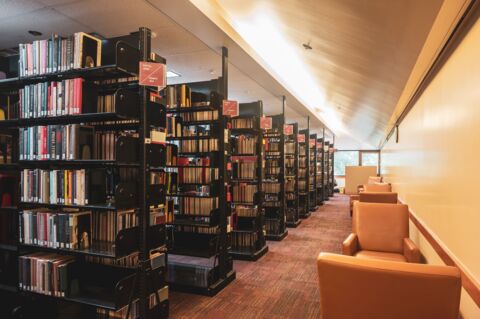
Children's Libraries in Singapore: A Parent's Guide to NLB
A parent's guide to NLB children's libraries in Singapore: kids' sections, story times, free membership, the NLB app, Li...
11 min read