

Roti Prata in Singapore: A Family Guide to Crispy, Eggy Goodness
In this article
Few local dishes win over fussy eaters as fast as roti prata. It is hot, golden and a little crispy, you can tear it with your hands, and you can have it plain, with egg, or sweet. For families in Singapore, prata is the rare meal where the toddler, the primary-schooler and the grown-ups can all order something they love at the same table, usually for very little money. This guide is best for parents who want to introduce kids to a Singapore classic without spice-related drama, and to know how to order, what is worth trying, and what to expect with small children along.
We keep things general on specific shops, prices and opening hours on purpose, because those change constantly. Instead, this is the stuff that actually helps at the table: what prata is, the varieties worth knowing, how the curries work, and how to order for young or spice-averse kids. Always check the stall or its official page before you make a special trip.
What is roti prata?
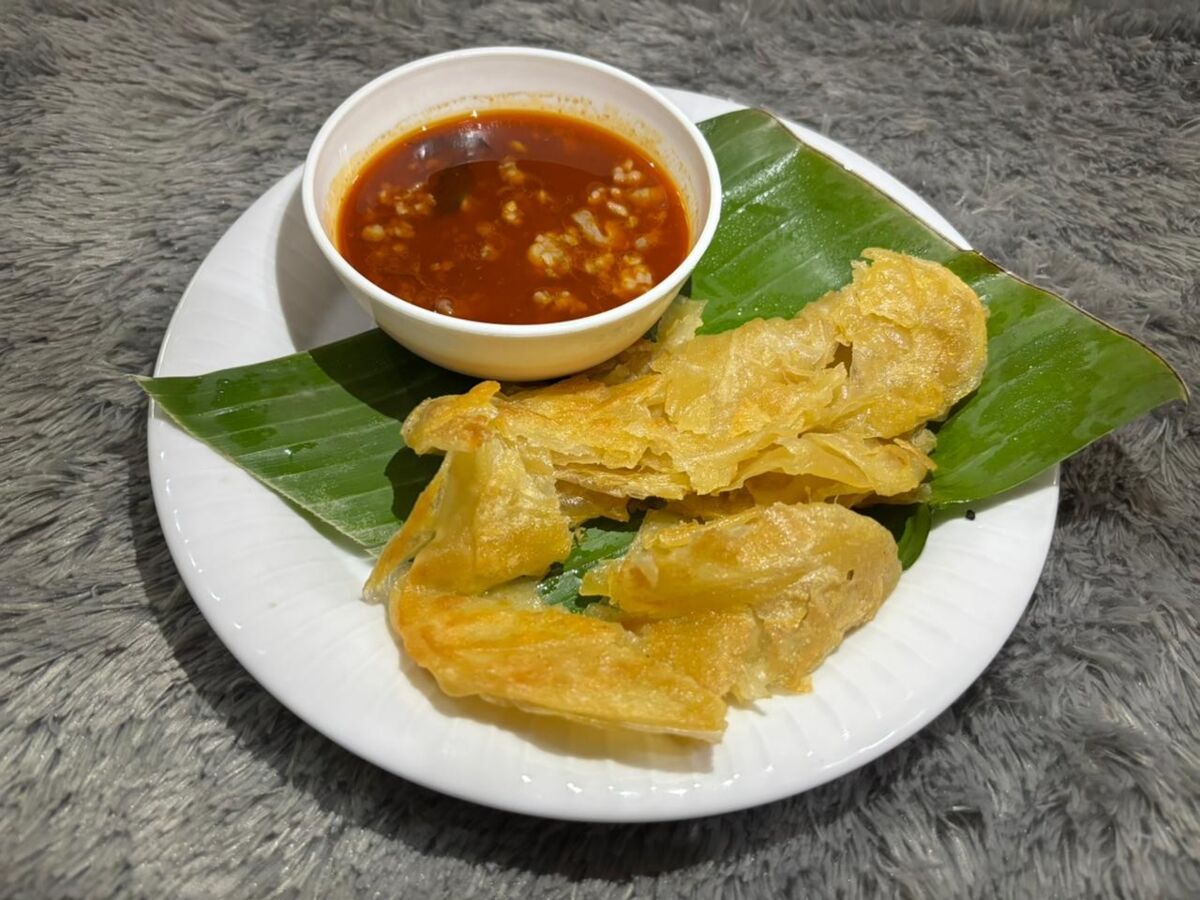
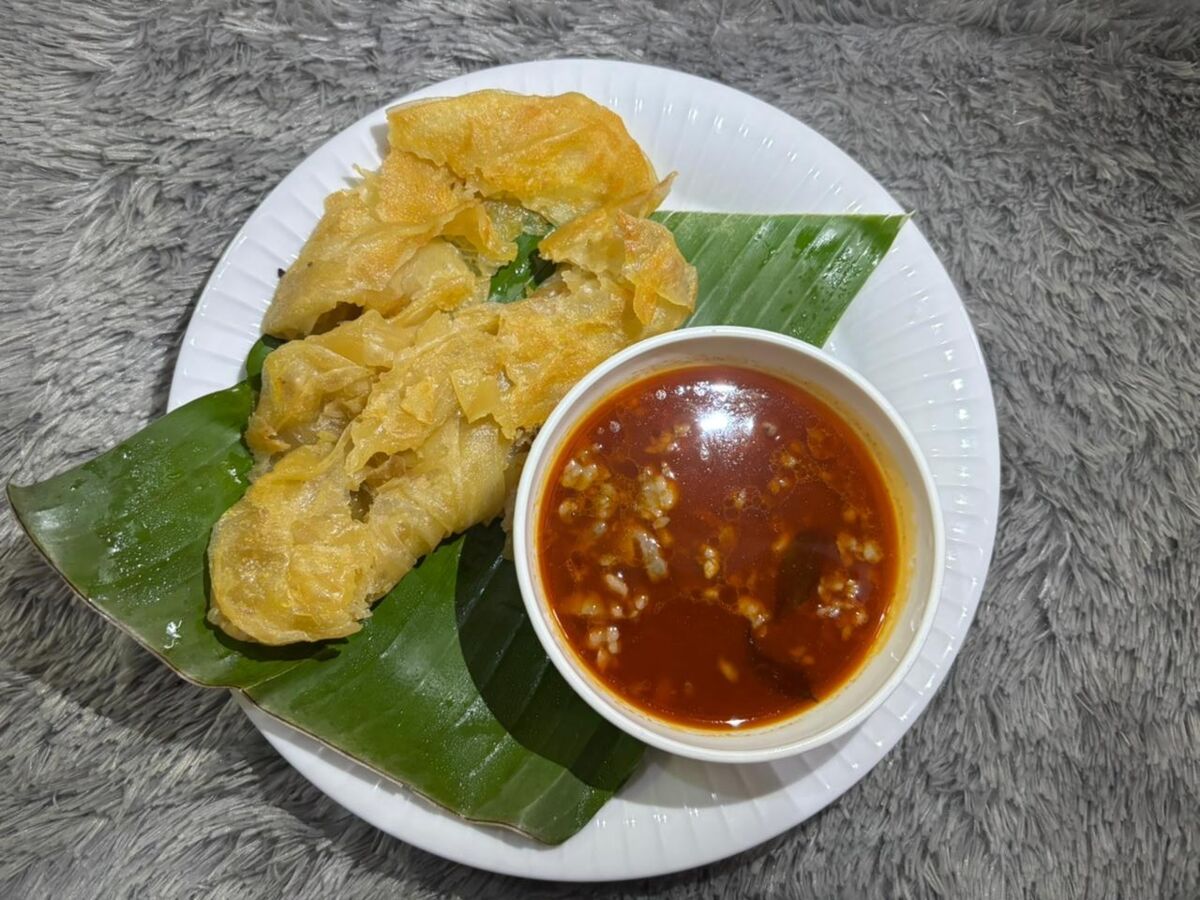
Roti prata is a fried flatbread, soft and chewy inside with crisp, slightly charred edges. The word roti simply means bread. A ball of dough is oiled, then stretched and flipped until paper-thin, folded into layers, and cooked on a hot griddle until it puffs and turns golden. Those folded layers give a good prata its flaky, almost croissant-like pull. It is most often sold by Indian-Muslim stallholders in coffee shops and hawker centres, and has been part of Singapore's food culture for generations. According to the National Heritage Board's Roots portal, prata sits firmly within Singapore's shared food heritage.
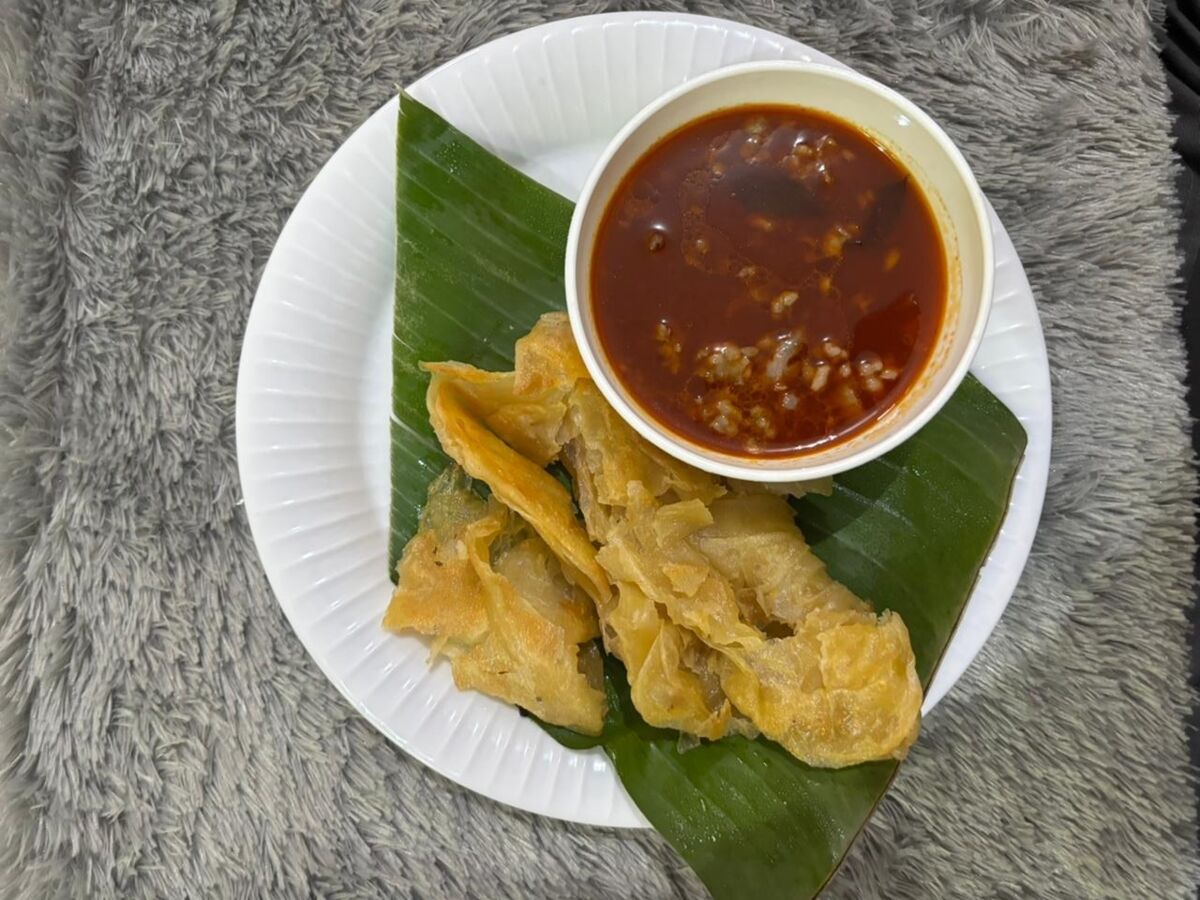
Prata is usually served with a small bowl of curry for dipping, most commonly fish, mutton or dhal (lentil) curry. Many families also enjoy it sweet, with sugar or condensed milk, which is where it becomes a real winner with young kids. A well-made prata is best eaten fresh off the griddle at its crispest, so it is one of the few hawker dishes where it pays to eat in rather than take away.
The prata varieties worth knowing
Most stalls have a long menu, but you only need a handful of styles to order well for a family, roughly from simplest to most indulgent.
The savoury classics
- Plain prata (kosong) - the original. Kosong means empty or plain. Soft, slightly crisp and perfect for little ones who dip lightly in curry or skip it altogether.
- Egg prata - an egg cracked onto the dough before folding, a more filling, protein-rich version that many kids prefer over plain.
- Onion prata - chopped onion folded in for sweetness and bite, usually mild enough for older children.
- Cheese prata - melted cheese inside, sometimes with egg. A reliable crowd-pleaser for kids wary of curry, since the cheese carries the flavour on its own.
- Mushroom or onion-and-egg combinations - heartier options if one prata is a meal rather than a snack.
The fun, kid-pleasing styles
- Tissue prata - an extra-thin, very crispy sheet pulled into a tall cone or hollow tower, dusted with sugar and drizzled with condensed milk. It arrives looking dramatic, so kids love watching it land on the table. It is large and best shared.
- Coin prata - small, thick, round, bite-sized prata. The compact size makes it easy for toddlers to hold, and the chewy-crisp texture is fun for small hands.
- Sweet prata - plain prata with a sprinkle of sugar, or drizzled with condensed milk. This is the closest thing to a dessert pancake and is hugely popular with children. Banana prata, with soft cooked banana folded inside, is another gentle favourite.
- Chocolate, Milo or peanut butter prata - dessert-leaning versions at the bigger stalls. Treat these as a shared sweet rather than a main.
The bigger, fancier ones
- Murtabak - a thicker, folded prata stuffed with savoury minced mutton, chicken or sardine plus onion and egg. It eats like a stuffed pancake and is filling enough to feed two. Most murtabak is mildly spiced rather than hot, but ask first if your child is sensitive.
- Prata bomb - a thick, puffy ball of prata, often filled with cheese or something sweet. The novelty shape is a hit with kids, though one is enough to share.
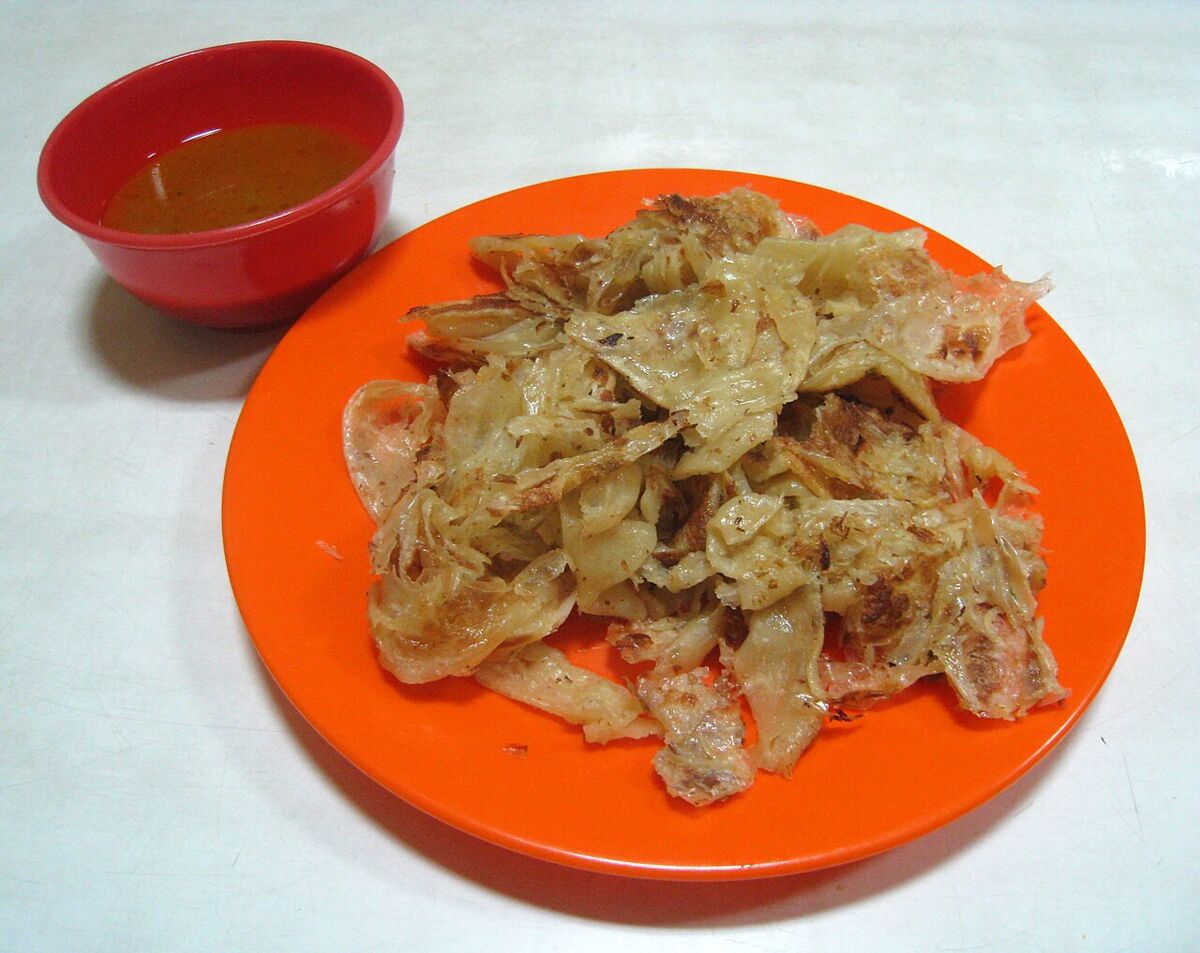
- Kothu prata - prata chopped and stir-fried with egg, onion and sometimes meat, like a savoury scramble. It is more strongly seasoned, so it suits older kids and adults more than toddlers.
If your child is new to prata, start with a plain or egg prata and a small bowl of mild curry on the side so they can dip at their own pace. Add a sweet prata to share at the end and you have covered most palates at the table.
Understanding the curries (and keeping it mild for kids)
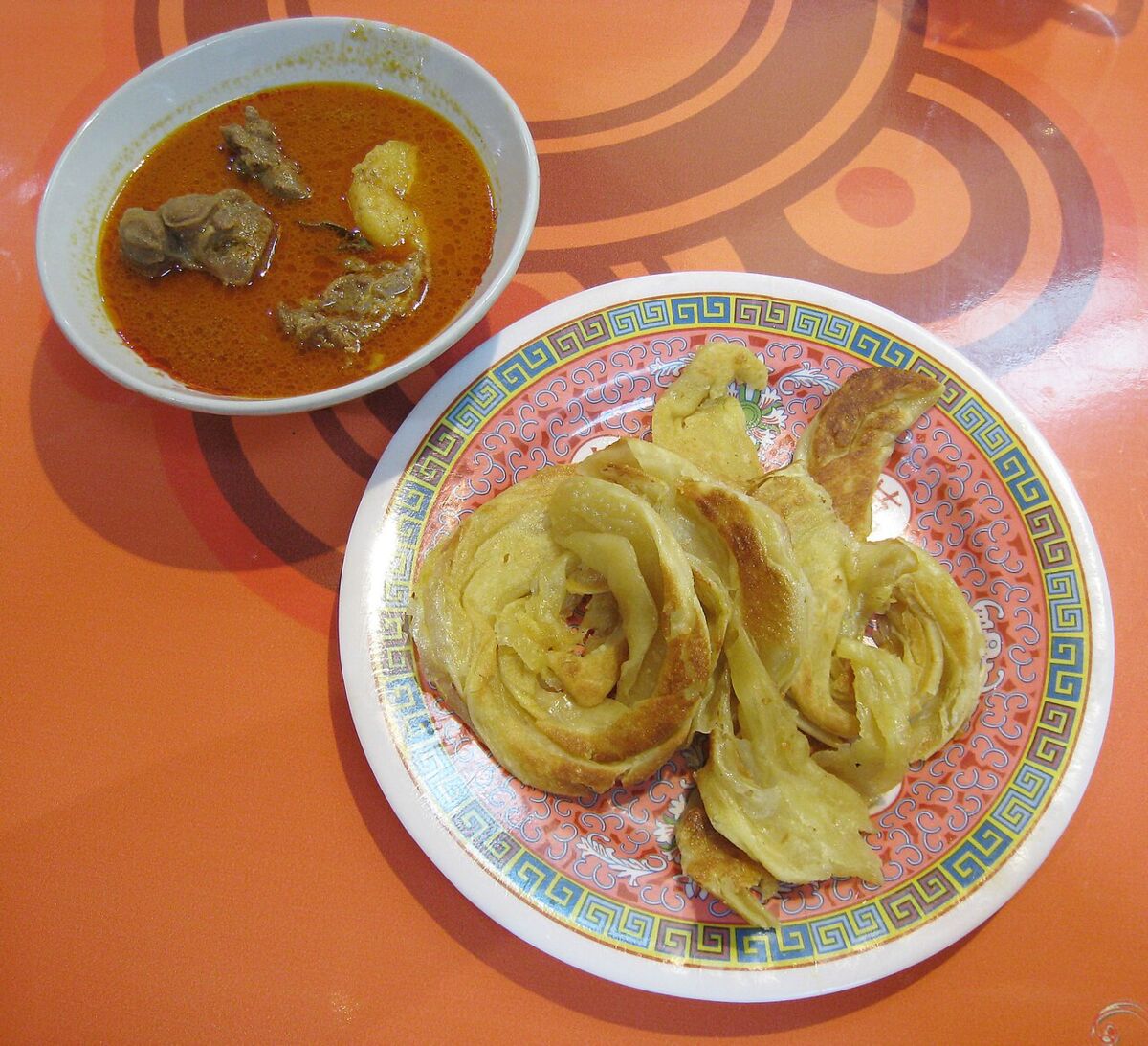
Most prata stalls give you curry for dipping at no extra charge, and you can usually ask for more. The curry is where all the heat lives, so once you know the options you can keep things comfortable for younger children.
- Dhal curry - a mild, lentil-based curry that is usually the gentlest on young palates. If you are unsure, ask for dhal first.
- Fish curry - a popular all-rounder, often with a tangy, savoury kick. Heat levels vary a lot by stall, so taste before letting a small child dip in.
- Mutton or chicken curry - richer and more robust, sometimes with tender pieces of meat. These tend to be the spiciest of the standard options.
- Sugar or condensed milk - the sweet alternative. There is no rule that prata must be eaten with curry, and plenty of local kids dip in sugar long before they touch a chilli-based sauce.
If your child is spice-sensitive, ask which curry is mildest, request it on the side rather than poured over, and keep milk or a yoghurt drink handy, since dairy calms chilli heat far better than water alone. Many local kids build up tolerance over years by dipping plain prata in just a little curry, so there is no need to rush it.
Where to find roti prata in Singapore
The beauty of prata is that it is almost everywhere, so you rarely need to travel far. You will typically find it in three kinds of spots, each with a different family vibe.
- Dedicated prata shops and restaurants - eateries specialising in prata and Indian-Muslim food, with a big menu of savoury and sweet versions. The most comfortable for a longer family sit-down, especially the air-conditioned ones on a hot afternoon.
- Coffee shops and hawker centres - many neighbourhood coffee shops have a prata or Indian-Muslim stall, so one parent can queue for prata while the rest orders other hawker favourites. Great when not everyone wants the same thing.
- 24-hour eateries - some prata spots stay open round the clock, handy for early risers, post-flight arrivals, or those nights when nobody wants to cook.
One area worth knowing is Jalan Kayu, long associated with crispy roti prata. Its reputation goes back decades, when eateries there served Indian food to servicemen near the old Seletar airbase, and the name is now shorthand for a small, round, crispy style of prata. It makes a fun outing if you fancy combining breakfast with a neighbourhood wander. As with any spot, check current outlets and hours yourself before heading down.
Prata pairs naturally with the rest of Singapore's hawker scene, so it is easy to build a meal around it. If you are mapping out where to eat with the family, our roundup of the best hawker centres for families is a good companion, and for other kid-friendly local mains see our guides to the best chicken rice and best nasi lemak in Singapore.
Best age to introduce prata, and how much to order
Plain or egg prata is gentle, soft when torn small, and easy to chew, so it works well from the toddler stage once your child is comfortably eating finger foods. Tear it small and skip the curry at first, or offer a thin smear of dhal. The bread itself is bland and unintimidating, which is exactly why it is such a good gateway to local food.
- Toddlers - half a plain prata or a couple of coin pratas, torn small, usually goes a long way. Watch for hot edges straight off the griddle and let it cool for a minute.
- Younger primary kids - one plain or egg prata each is a typical portion, with a sweet prata shared at the end.
- The whole table - prata is made to order and comes fast, so order a modest first round, taste the curry, then top up. This keeps it hot and avoids waste.
Halal and hygiene notes
Many prata stalls are run by Indian-Muslim operators and serve halal food, but halal status is not automatic, so look for halal certification or signage if that matters to your family. Singapore's official halal certification is administered by Muis (the Islamic Religious Council of Singapore). For general food safety, the Singapore Food Agency grades eating places under its Safety Assurance for Food Establishments (SAFE) framework, a useful reference for understanding the grades displayed at stalls when you are choosing where to eat with kids.
As with any freshly griddled food, prata is safest and best eaten hot. If you take it away for a child, eat it soon, since it loses both its crispness and its appeal once it goes cold and chewy.
Good to know before you go
- Getting there: Prata is widespread, so there is almost always a stall near an MRT station or bus stop. Check the shop's location and nearest transport before heading out, and note that many coffee-shop stalls have limited or no dedicated parking.
- Crowd timing: Weekend late mornings and the post-dinner supper window are busiest. If your child does not do well with waiting, a weekday breakfast or the quieter mid-afternoon lull is calmest and easier on a nap schedule.
- Hours and prices change: Opening hours, 24-hour status and prices vary by stall and can change without notice. Always confirm on the shop's official page or social media before a special trip.
- What to bring: A water bottle, wet wipes (prata is greasy and hands-on), and a hand fan for open-air spots. A bib or change of top for messy little ones is never a bad idea.
- Facilities: Open-air coffee shops can be warm and may lack baby-changing facilities, while standalone restaurants and larger hawker centres usually have toilets and more space. Stroller access and high chairs vary widely, so plan around your child's needs.
- Rainy-day backup: Many prata spots are sheltered coffee shops or indoor restaurants, a handy wet-weather option when an outdoor plan falls through.
For more local meal ideas and family outings, browse our eat hub, and if you fancy something sweet afterwards, see our pick of the best desserts in Singapore for families.
FAQ
Is roti prata spicy?
The prata itself is not spicy. The heat comes from the dipping curry, which you control entirely. Order sweet prata, ask for the mildest curry such as dhal, or keep the curry on the side for younger children.
What is the best prata for a first-timer kid?
A plain prata (kosong) or egg prata is the safest start. If they want something sweeter, plain prata with a sprinkle of sugar is reliably popular, and small coin pratas are easy for little hands to hold.
What is the difference between prata and murtabak?
Prata is a thin, folded, griddled flatbread, usually plain or with a simple addition like egg or cheese. Murtabak is a thicker version stuffed with savoury minced meat, onion and egg, so it eats more like a filling stuffed pancake and can feed two.
Is prata a good budget family meal?
Yes. Prata is one of the more affordable local meals, which makes it easy to feed a hungry family without overspending. For more wallet-friendly outing ideas, see our eat hub and the latest what's on around the island.
Is roti prata halal?
Many prata stalls are run by Indian-Muslim operators and serve halal food, but it is not guaranteed everywhere. Look for halal certification or signage at the stall if this matters to your family, and ask if unsure.
What should we drink with prata?
Teh tarik (pulled milk tea) is the traditional pairing, but it is sweet and caffeinated, so for kids plain milk, a yoghurt drink or water is better, especially if they are dipping in curry, since dairy soothes any chilli heat.
Whether it is a lazy weekend breakfast, a quick after-school treat or a late supper run, roti prata is one of those Singapore meals that just works for families. Pick your spot, order plain or egg to start, taste the curry before the little ones dip, and let the kids find their own favourite way to eat it.
Gluten Free and Allergy-Friendly Eating Out in Singapore: A Parent's Guide
A practical parent's guide to gluten free and allergy-friendly eating out in Singapore: allergens, hawker safety, talkin...
9 min read
Cat Cafe Singapore: A Family Guide to Animal Cafes
A parent's guide to the cat cafe Singapore scene and animal cafes: how they work, age rules, etiquette, welfare, and wha...
10 min read
Bak Kut Teh in Singapore: A Family Guide to the Comforting Pork Rib Soup
A parent's guide to bak kut teh in Singapore: peppery vs herbal styles compared, what to order for kids, spice tips and ...
10 min read