

Mid-Autumn Festival in Singapore: A Family Guide to Lanterns, Mooncakes and Where to Go
In this article
- What the Mid-Autumn Festival celebrates
- When is the Mid-Autumn Festival, and how to read the date
- The traditions kids love most
- All about mooncakes (and kid-friendly options)
- Where to celebrate with the family
- Choosing and using lanterns safely
- Making it special at home
- Getting there, and other good-to-knows
- Frequently asked questions
There is a particular kind of joy in handing a small child a glowing lantern on a warm Singapore evening and watching their whole face light up. The Mid-Autumn Festival, also called the Mooncake Festival or Lantern Festival, is one of the gentlest, most family-friendly celebrations on the local calendar. It happens outdoors after dark, much of it is free, and it hands children three things they love: lights, sweet treats and permission to stay up a little later. This guide is for parents wrangling anyone from a stroller-bound baby to a curious six-year-old. We cover what it celebrates, the date, the traditions kids love, where to go, how to choose a safe lantern, and the crowd, weather and food details that turn a good night into a magical one.
What the Mid-Autumn Festival celebrates
The Mid-Autumn Festival lands on the 15th day of the eighth lunar month, the night the moon is believed to be at its fullest and brightest in the year. It is one of the oldest festivals in Chinese culture, with roots in ancient harvest thanksgiving and moon worship. At its heart it is a festival of reunion, togetherness and gratitude: the round full moon stands for completeness, and families traditionally gather to eat, gaze at the moon and give thanks for one another.
That makes it a lovely theme to explain to little ones: the moon is round and whole, our family is together, and we are thankful for each other. Older children usually enjoy the legend too. The best-known tale is of Chang'e, the moon goddess, who swallows an elixir of immortality and floats up to live on the moon, gazing down each year while her family looks up at her. Keep it simple and warm while everyone shares a mooncake. For a fuller cultural background you can read together, the National Library Board's history of the festival is a good starting point.
When is the Mid-Autumn Festival, and how to read the date
Because the festival follows the lunar calendar, there is no fixed date that repeats every year. It always falls on the 15th day of the eighth lunar month, which in the Western calendar usually works out between mid-September and early October. In 2026 it falls around late September, but the safest habit is simply to confirm the current year's date before you make plans, since it can shift by a few weeks year to year.
The good news is that the celebrations are not confined to that single night. Across Singapore, the light-ups, fairs and lantern displays run for several weeks around the festival, often over multiple weekends, so you can pick a quieter weeknight or an earlier evening that suits bedtime. If you plan your year around these moments, our guide to Singapore public holidays helps map out long weekends and seasonal outings.
The traditions kids love most
You do not need to know every legend to enjoy the festival. For children, the magic lives in the hands-on, sensory parts.
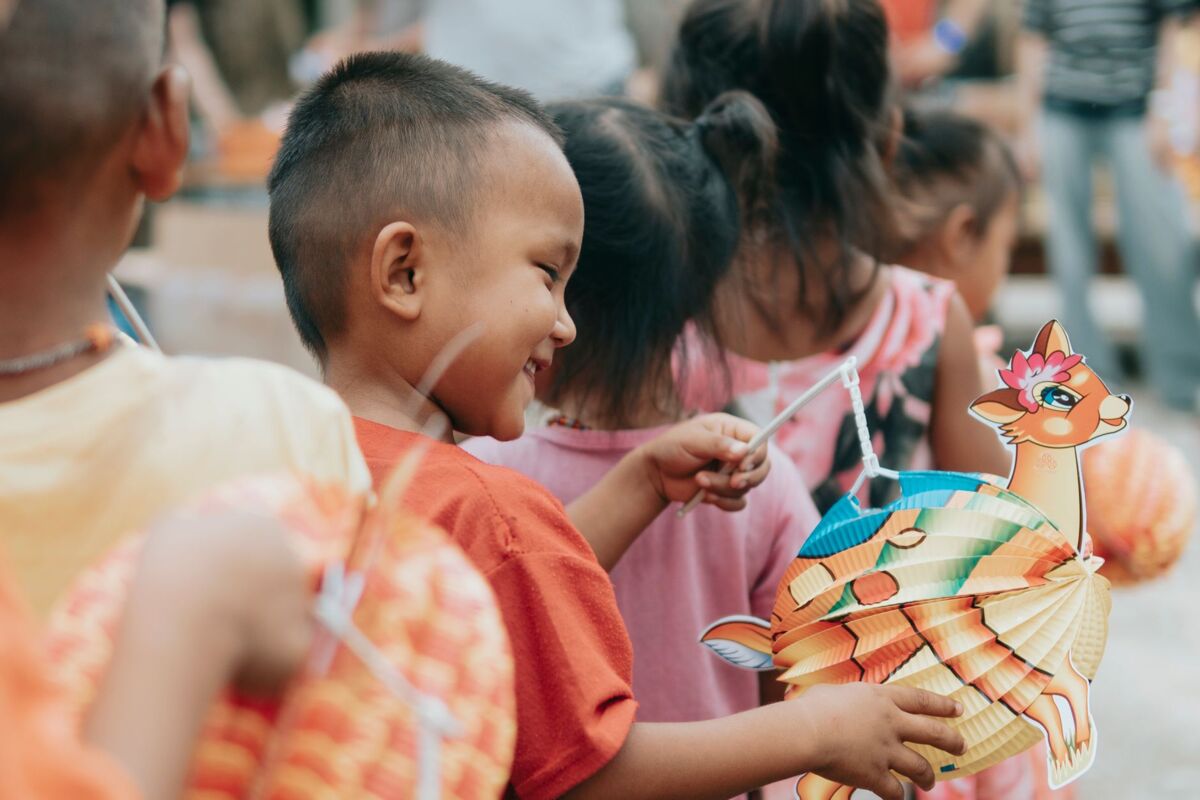
- Carrying lanterns: The signature image of the night. Children parade with lanterns shaped like rabbits, fish, stars, lotus flowers and cartoon characters, many now lit by a battery rather than a candle.
- Eating mooncakes: Cutting a round mooncake into small wedges so everyone gets a share is part of the ritual, and a neat way to teach sharing.
- Moon-gazing: The simplest tradition of all, and free. Step outside, find the big round moon, and let your child point it out, ideally with a mooncake in hand.
- Lantern riddles: A traditional game where riddles are hung beside lanterns to guess. Younger kids enjoy the spectacle even if the riddles go over their heads.
All about mooncakes (and kid-friendly options)
Mooncakes are the edible heart of the festival, with far more variety than the traditional baked version. Knowing the main styles helps you pick something your child will actually eat.
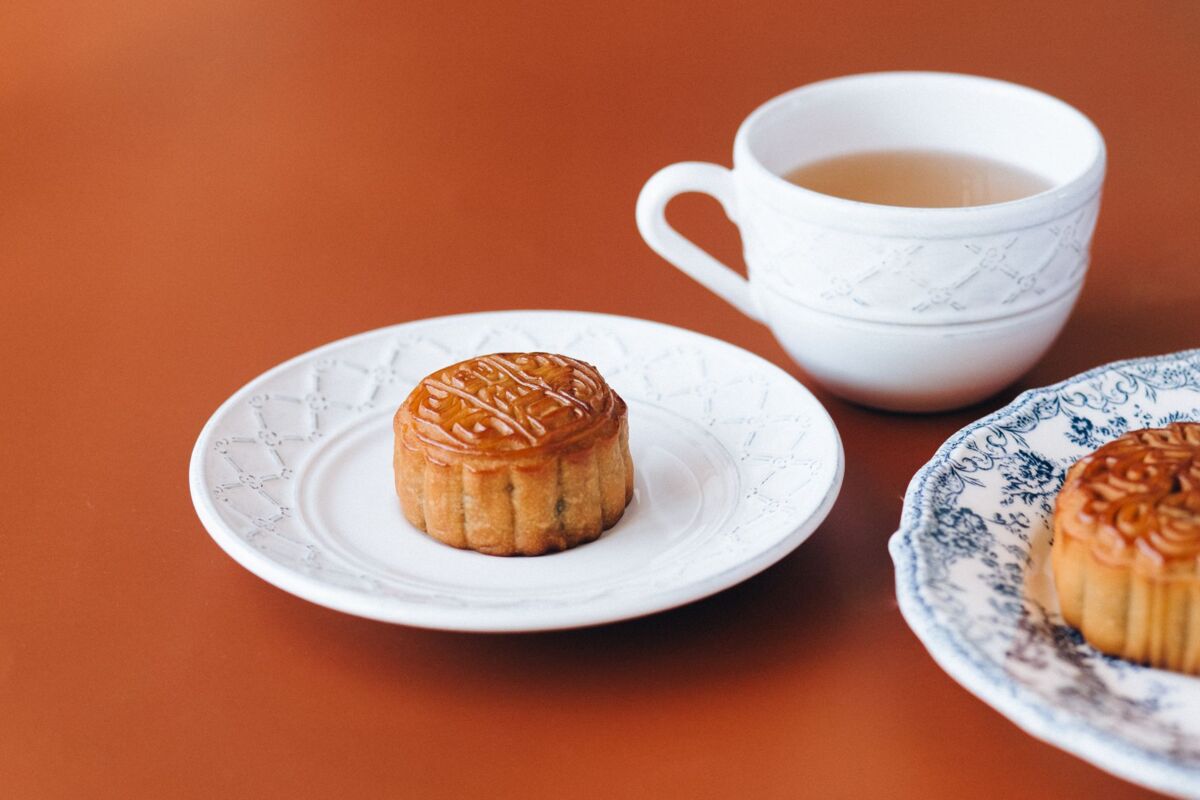
- Traditional baked: A firm golden pastry around a dense filling, usually lotus seed paste, sometimes with salted egg yolks. Rich and grown-up, often best in thin slivers for little ones.
- Snowskin: A soft, chilled, mochi-like skin in pastel colours around lighter fillings. Many children prefer these as they are cooler and less intense.
- Kid-friendly flavours: Modern ranges run to chocolate, custard, yam, matcha and fruit fillings that younger palates find more approachable than salted egg yolk.
- Sharing the right way: A whole mooncake is rich and filling, so cut it into small wedges and pass them around. It is meant to be shared, which is the point of the festival.
Mooncakes are generous in sugar and, in the baked kind, in egg, so go easy with toddlers and check labels if your child has a nut, egg or dairy allergy, since fillings vary. A small piece each, alongside some fruit, keeps the treat special without the post-sugar wobble.
Where to celebrate with the family
Singapore lights up generously for the festival. These spots are annual fixtures, but the exact dates, themes and any ticketed extras change every year, so always confirm the current programme on the official site before you head out.
Chinatown light-up and street fair
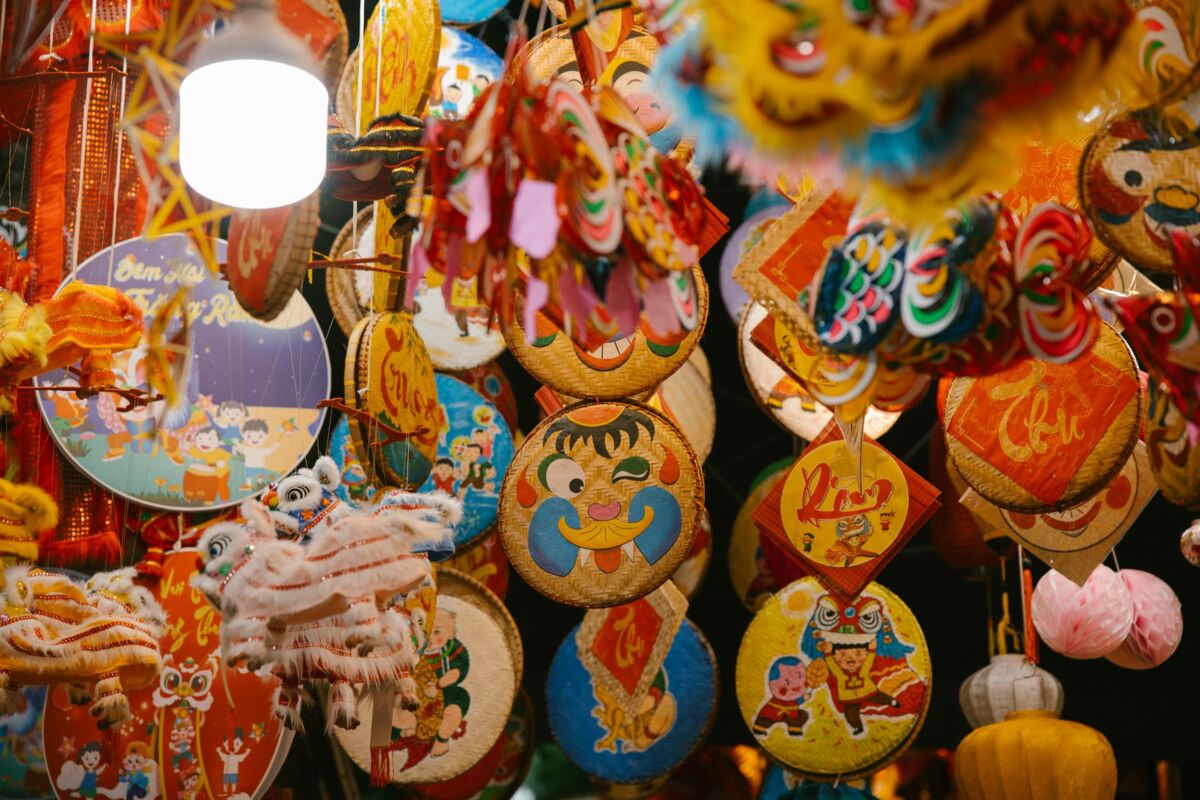
Chinatown is the spiritual home of the Mid-Autumn Festival in Singapore. For several weeks around the festival, the streets near New Bridge Road and Eu Tong Sen Street are strung with thousands of lanterns, usually anchored by a large central installation that changes each year. The free street light-up runs into the late evening, and the precinct fills with a festive bazaar, mooncake and lantern stalls, performances and a traditional mass lantern walk. It is loud, bright and gloriously sensory, which most kids adore, though it is also the busiest of the major spots. For the current dates and programme, see VisitSingapore's Mid-Autumn Festival page.
Gardens by the Bay
Gardens by the Bay usually hosts its own Mid-Autumn celebration, with large illuminated lantern sculptures around the Supertree Grove and Bayfront Plaza. Past programmes have included a family lantern walk, parent-and-child craft workshops, outdoor performances and a street-food and mooncake marketplace. Admission to the outdoor gardens is generally free, and the flat, open, pram-friendly ground makes it a calmer choice than Chinatown for families with babies. Confirm the year's dates and any ticketed elements on the Gardens by the Bay website first.
Jurong Lake Gardens: Lights by the Lake
Over in the west, Jurong Lake Gardens runs a signature annual Mid-Autumn celebration called Lights by the Lake, with larger-than-life lantern displays set against the water plus music and cultural performances after dusk. Recent editions have featured a lantern walk and parent-and-child craft workshops, making it a strong option for western families who want the spectacle without heading into the city. Check the official NParks Lights by the Lake page for the current programme and dates.
Neighbourhood and community events
You do not have to travel far. Many community clubs, malls, museums and heritage centres run smaller Mid-Autumn happenings, from lantern-making to mini lantern walks around an HDB precinct. These are often free, much quieter than the headline venues, and well pitched for toddlers, so watch your neighbourhood's noticeboards. For more seasonal outings, our school holiday activities guide is full of low-key, family-tested ideas.
Choosing and using lanterns safely
Lanterns are the part children most want to hold, so a little forethought keeps the night happy. The big decision is candle versus battery, and Chinatown stalls and many venues sell both on the spot.
- Battery-powered lanterns: The safest choice for young children by far. They glow brightly, switch on and off, survive being dropped or swung, and carry no flame. For toddlers and preschoolers, go battery every time, and pack spare batteries in case a cheaper one flickers out mid-walk.
- Candle lanterns: The traditional version has a real flame inside paper, beautiful but genuinely risky around small hands and breezy evenings. If older children want one, an adult should hold it, keep it clear of clothing and other lanterns, and never leave it unattended.
Making it special at home
Some of the warmest Mid-Autumn memories happen without leaving the flat, which is a gift on a rainy evening or when little ones are too tired for crowds. A few simple touches recreate the festival on your own balcony or by the window.
- A simple moon-viewing moment: Step outside, find the moon together, and share a mooncake with tea or warm milk. That quiet pause is the festival in miniature.
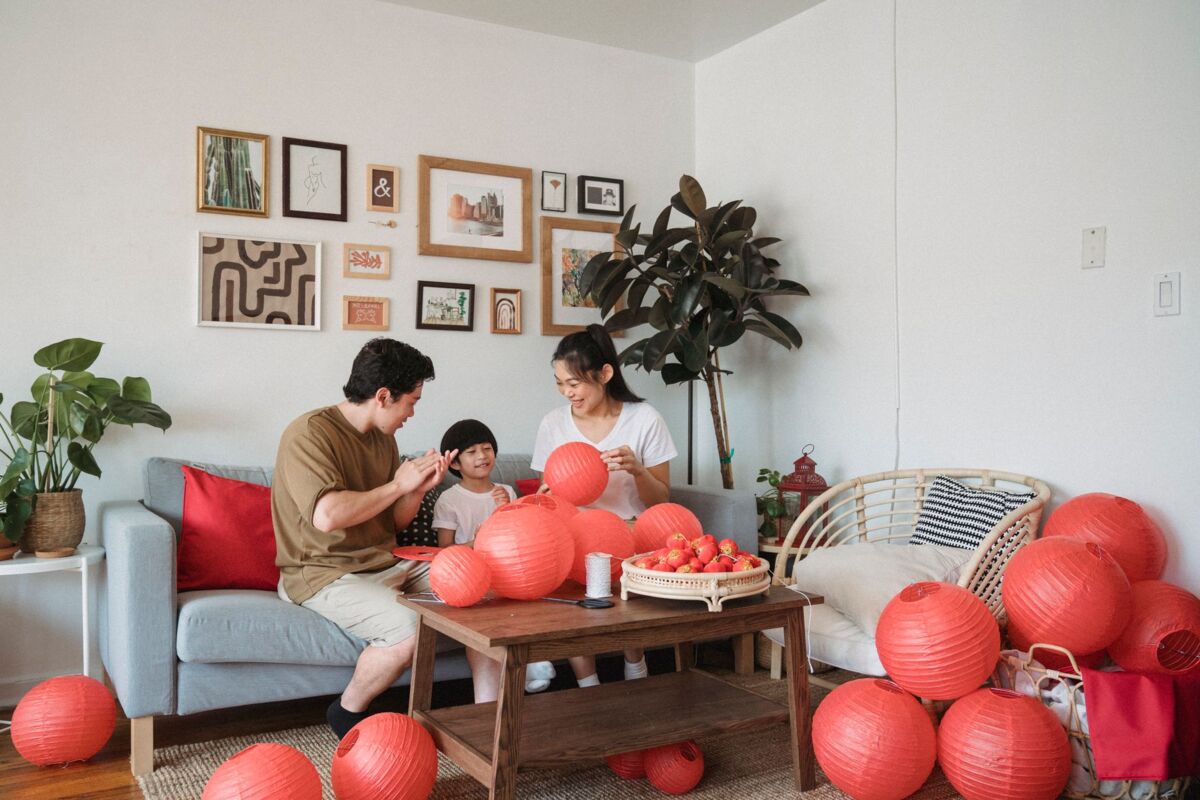
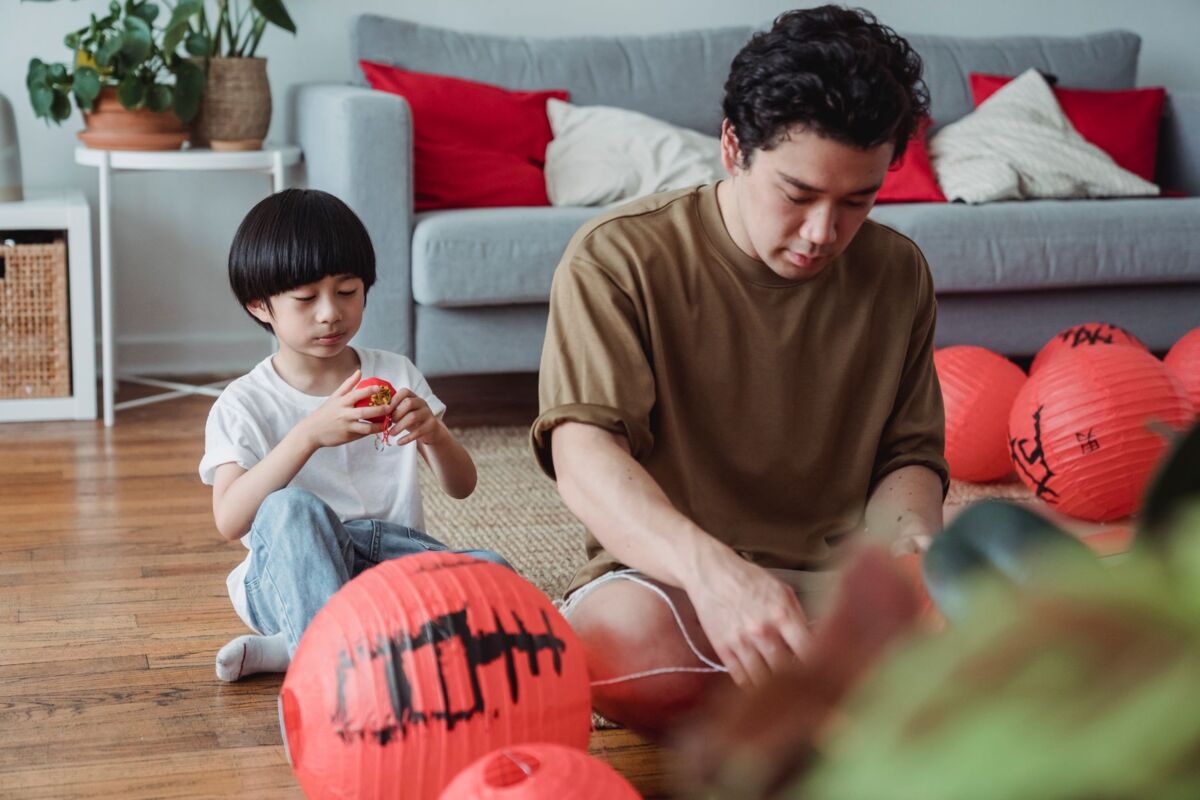
- Make lanterns from scratch: Paper, glue, a battery tealight and some decorating turns into an afternoon of craft. Older kids can try traditional shapes; toddlers can stick and colour.
- Tell the story: Read a picture-book version of the Chang'e legend and let your child draw the rabbit said to live on the moon. Mooncake moulds also work well with playdough.
If you love marking the year's festivals as a family, you might also enjoy our companion guides to Chinese New Year with kids and Deepavali for families, written in the same parent-to-parent spirit.
Getting there, and other good-to-knows
Chinatown is one of the easiest places to reach by public transport. Chinatown MRT station, on the North East Line and Downtown Line, sits in the heart of the action with exits onto the pedestrianised festival streets, so the train beats driving and hunting for parking. Gardens by the Bay is served by Bayfront MRT station with a sheltered underground link, plus buses and on-site car parks, while Jurong Lake Gardens has its own MRT and bus access in the west. Wherever you go, comfortable shoes and a stroller for tired legs are non-negotiable.
- Dress light and pack water: September and October evenings are warm and humid, so bring a handheld fan, water and a change of clothes for younger kids.
- Go on the earlier side: Lanterns look their best after dark from around 7pm, but arriving early means thinner crowds and a calmer time for babies and toddlers.
- Mind the crowds and facilities: Peak nights in Chinatown get genuinely packed, so keep little ones close and agree a meeting spot. The larger gardens have toilets, nursing rooms and accessible paths, while Chinatown's streets are tighter, so plan nappy changes and feeds first.
- Have a rainy-day backup: The displays are mostly outdoors, so keep a sheltered alternative ready, whether a mall light-up or making lanterns at home.
- Confirm the year's dates and prices: The date moves with the lunar calendar, and programmes, timings and ticketed activities change yearly, so verify on the official sites first.
If you celebrate in Chinatown, two of Singapore's most loved hawker centres, Maxwell Food Centre and the larger Chinatown Complex Market and Food Centre, are a short walk from the festival streets. Dinner there before the lanterns light up means full, happy children and one less thing to negotiate once the crowds build.
Frequently asked questions
When is the Mid-Autumn Festival in Singapore?
It falls on the 15th day of the eighth lunar month, which usually lands between mid-September and early October. In 2026 it falls around late September. Because the date shifts each year with the lunar calendar, always confirm the current year's date before you plan, and remember the public celebrations run for several weeks around it.
Is the Mid-Autumn Festival free to enjoy?
Largely, yes. The Chinatown street light-up and most outdoor lantern displays, including those at Gardens by the Bay and Jurong Lake Gardens, are free to walk through. You only pay for extras such as mooncakes, lanterns, carnival rides or certain ticketed workshops, which vary by event and year.
What is a good age to bring children?
All ages can enjoy it. Babies are happy taking in the lights from a carrier or stroller, while toddlers and older children get a real thrill from carrying their own lantern and choosing a mooncake. It suits mixed-age families well, especially if you go early and pick a calmer venue.
Are candle or battery lanterns better for kids?
Battery-powered lanterns are far safer for young children. They glow brightly, switch on and off, and carry no flame, so they survive being swung and dropped. Save the traditional candle lanterns for older kids under close adult supervision, kept well away from clothing and other lanterns.
Where is the most family-friendly place to celebrate?
For families with prams and very young children, the open, flat grounds of Gardens by the Bay and Jurong Lake Gardens are usually more comfortable than the dense crowds of Chinatown. Chinatown offers the most atmosphere, so it is wonderful with slightly older kids, ideally on an earlier evening or a quieter weeknight.
What should I pack for a Mid-Autumn outing with kids?
Water, a handheld fan, wet wipes, a light change of clothes, nappies and feeding gear, a battery lantern with spare batteries, and comfortable shoes. A baby carrier is a useful backup to a stroller if the crowds thicken, and a small snack tides little ones over until you find a hawker stall.
Planning a Baby Shower in Singapore
A warm, practical guide to planning a baby shower in Singapore: timing, venues, themes, food, games, gifts and etiquette...
10 min read
Children's Day Singapore: When It Is and How to Celebrate with Kids
Children's Day in Singapore is the first Friday of October, a primary-school holiday. When it is, why, and warm, low-cos...
9 min read
Children's Theatre in Singapore: A Family Guide to Kids' Shows
A Singapore parent's guide to children's theatre and kids' shows: who stages them, picking by age, relaxed performances,...
11 min read