

Family Karaoke in Singapore: A Parent's Guide to KTV With Kids

In this article
- What family karaoke in Singapore actually is
- Family karaoke versus nightlife KTV
- How to pick a family-friendly venue
- Best age range and what to expect by stage
- Planning the outing with little ones
- A note on volume and little ears
- Birthdays, celebrations, and bigger groups
- Getting there and making a day of it
- Good to know before you go
- Frequently Asked Questions
There is a particular magic in handing a wireless mic to a five-year-old and watching them belt out a chorus with total confidence and zero sense of pitch. Family karaoke in Singapore has quietly turned into one of the most reliable rainy-day wins a parent can plan: air-conditioned, fully indoors, weather-proof, and able to get a toddler, a tween, and a grandparent laughing in the same small room. This guide is for parents who picture karaoke as a late-night, dimly-lit affair and want to know how the daytime, kid-friendly version actually works. It is best for families with children roughly age three and up, multi-generational groups, birthday celebrations, and anyone after a cheap, joyful indoor outing that does not depend on the sky cooperating.
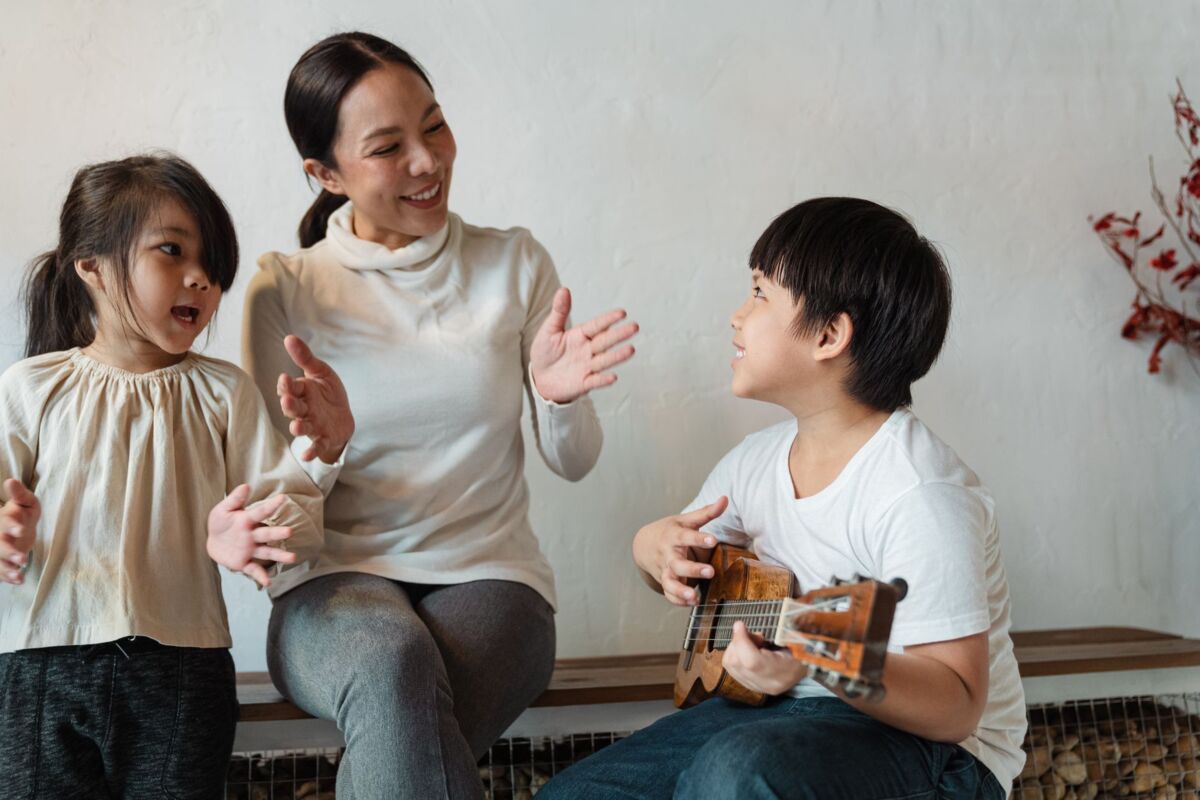
What family karaoke in Singapore actually is
It helps to know what you are walking into, because the word karaoke covers two very different things in Singapore. There are nightlife KTV lounges, adult venues built around alcohol, hostesses, and a late-night crowd, which are not for children, full stop. Then there are family karaoke studios, the wholesome daytime version, and that is what this guide is about.
A family studio rents you a private, sound-proofed room by the hour. Inside you get a big screen, two or more wireless microphones, a touchscreen or tablet song system, comfy seating, and usually a buzzer or phone line to order drinks and snacks. You key songs into the system, they queue up on screen with the lyrics scrolling, and everyone takes turns. Because the room is yours alone, nobody outside hears your kids and your kids are not bothered by strangers, which is the whole point for parents.
How the song system works
Most studios use a touchscreen where you search by song title, artist, or language, then add tracks to a queue. Bigger family chains carry songs across English, Mandarin, Cantonese, Korean, Malay, and dialect, so a session can swing from a nursery rhyme to the latest K-pop hit to a Teresa Teng classic Grandma has waited all afternoon to sing. Some systems let kids drag their own picks into the queue, which they find endlessly entertaining.
Family karaoke versus nightlife KTV
This is worth spelling out, because the venues sit at opposite ends of the spectrum and an honest mistake can land you somewhere unsuitable with kids in tow. The simplest tell is the venue's own website. If it leans into a bar, cocktails, premium liquor, hostesses, or a nightclub feel, it is a nightlife venue, not a family one. If it talks about per-room hourly rates, happy hours, students, and family packages, you are in the right place.
- Family studios: daytime-friendly, alcohol-free or alcohol-light, charge per room per hour, song-and-snacks focus. Chains here include Teo Heng, Cash Studio, and certain Jewel Music Box and HaveFun outlets.
- Nightlife KTV lounges: alcohol-centred, late-night, adult atmosphere. Not appropriate for children at any hour.
- The grey zone: chains such as Manekineko or K.Star serve alcohol to adults but still welcome families, especially in daytime slots. These can work, but go during family hours.
How to pick a family-friendly venue
Not every karaoke spot is set up for children, so it pays to check a few things before you commit. The family-focused studios in Singapore tend to share the same handful of traits, and they are easy to confirm on a website or with a quick phone call.
A no-alcohol, smoke-free room
This is the big one. Established family chains such as Teo Heng KTV Studio are widely known for clean, simple, alcohol-free rooms that suit kids and students, and Teo Heng even lets you bring in your own outside food and drinks as long as there is no alcohol. A non-smoking, no-alcohol environment is the baseline you want for anything involving young children. Confirm the current policy on the official site, since details can change by outlet.
Daytime and off-peak sessions
Weekday afternoons and early weekend slots are a parent's best friend: quieter, noticeably cheaper, and easy to slot around nap times and dinner. Many studios run happy-hour or off-peak pricing in these windows. Teo Heng, for example, advertises happy-hour rates running roughly from midday to early evening before peak pricing kicks in later. As a rule of thumb, daytime and family sessions are the cheapest, sold per room for a block of a few hours or per person with snacks included. Always confirm exact rates, hours, and any minimum spend on the official site or by phone, as these vary by outlet and time slot.
A song library that suits your family
Look for a broad, regularly updated catalogue. The larger chains refresh their song lists often, sometimes weekly, and many will take requests if a title is missing. Before you go, it is worth checking the chain's song library or app for the specific tracks your kids and grandparents want, so nobody is disappointed when their favourite is not in the system.
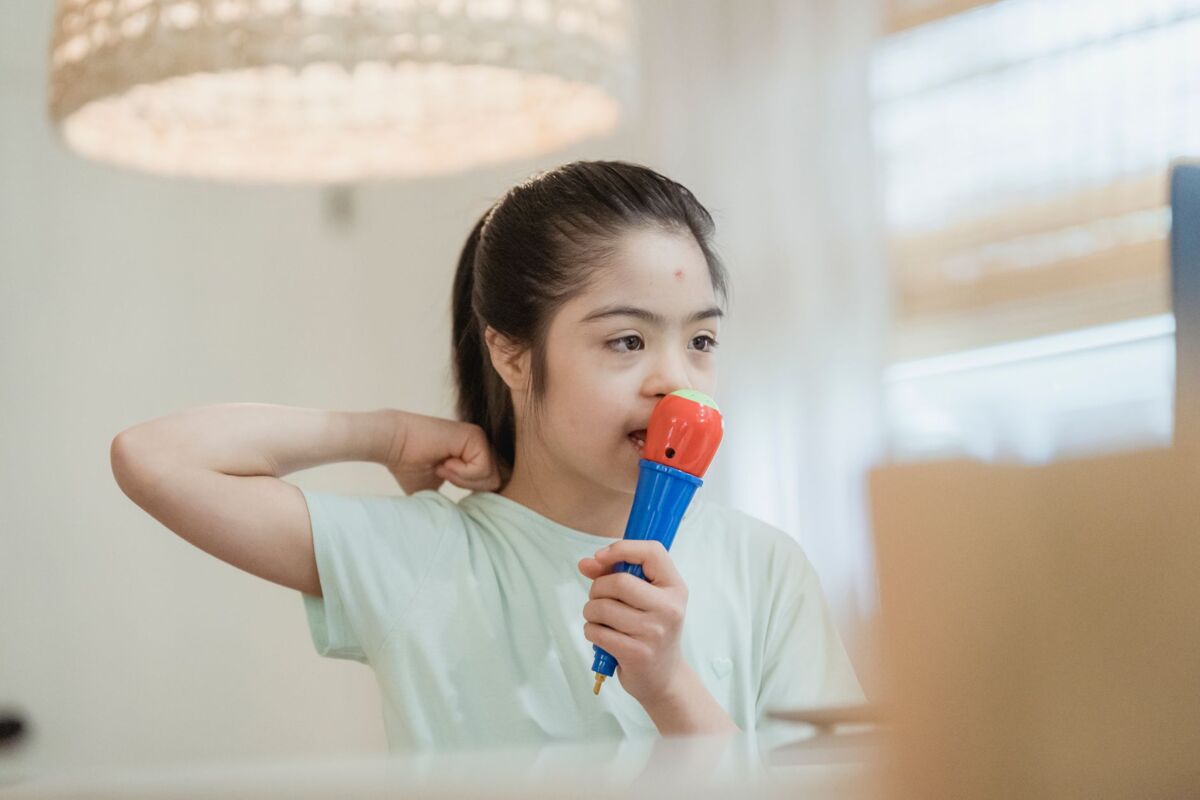
Room sizes, snacks, and facilities
Food policies differ a lot. Some family studios let you bring your own food and non-alcoholic drinks, others run a cafe or small menu, and a few include free-flow snacks in the room price, so check before you pack a picnic. Think about room size too: a slightly larger room is far comfier once you park a pram inside or bring grandparents along, and a venue inside a mall gives easy access to toilets, nursing rooms, and a food court afterwards.
Best age range and what to expect by stage
There is no official minimum age for a private family room, so the right starting point depends on your child more than the calendar. As a loose guide, here is what tends to work by stage.
- Toddlers (under 3): short bursts of dancing, banging a tambourine, and watching the screen. Keep it to thirty to forty-five minutes at a low volume.
- Preschoolers (3 to 5): the sweet spot for first-timers, who love holding the mic even if they only know the chorus. One hour is plenty.
- Primary age (6 to 12): fully into it, queuing their own songs and performing, and happy to go two hours with friends or cousins.
- Teens and grown-ups: the more the merrier. Mixed-age groups are where family karaoke shines, and splitting a room across two families makes it cheap per head.
Planning the outing with little ones
A little structure makes karaoke with young children far smoother. Think of it as a playdate with a soundtrack rather than a performance, and follow a loose plan.
- Keep it short. One to two hours is plenty for younger kids. You can always extend on the spot if everyone is still having fun.
- Go off-peak. Aim for a weekday afternoon or an early weekend slot for lower rates and a calmer venue.
- Pre-load a few favourites. Pick two or three songs your kids already know by heart so they jump straight in without stage fright.
- Mix the queue. Alternate a kid pick, a grown-up pick, then a sing-along everyone knows, so no one waits too long for their turn.
- Pack light snacks and water. Confirm the venue's food policy first, then bring easy, low-mess bites and a refillable bottle.
- Bring simple props. A tambourine, maracas, or glow sticks turn shy onlookers into enthusiastic backup performers.
- End on a high. Finish with a favourite group song so the session wraps on a laugh rather than a tired-out meltdown.
A note on volume and little ears
Karaoke rooms can get genuinely loud, and small ears are more sensitive than ours. Keep the speaker volume at a comfortable level rather than cranking it up, sit toddlers away from the speakers, and build in quiet breaks between songs. If your child covers their ears or seems overwhelmed, turn it down and step out for a few minutes. Most systems let you adjust music and mic volume separately, so you can keep the backing track gentle while voices still come through. As with any loud activity, moderation and breaks keep it fun and safe.
Birthdays, celebrations, and bigger groups
A private karaoke room makes a brilliant, low-effort birthday venue: a contained space, built-in entertainment, and no houseful of guests to manage. Larger rooms hold a whole extended family or a small party, and some venues offer party packages with snacks or decorations, though these vary. If you are celebrating, book well ahead, ask about maximum capacity and any party add-ons, and bring your own cake if the venue allows outside food. Splitting one bigger room across two families is the cheapest way to do a joint celebration.
Getting there and making a day of it
One quiet advantage of Singapore's family KTV studios is that many sit inside shopping malls, so MRT access, sheltered walkways, parking, toilets, nursing rooms, and food courts are all within a few steps. The logistics sort themselves out: take the train, sing for an hour or two, then spill out for a meal without setting foot in the heat. Pairing karaoke with lunch or an early dinner turns a one-hour activity into a satisfying half-day out.
Because outlets open and close over time, check the chain's official outlets page for the branch nearest you and confirm it is still operating before you head down. If the weather scuppers your outdoor plans, karaoke is a great backup to an indoor playground or museum visit. For more sheltered ideas, browse our roundup of the best playgrounds in Singapore for the days the sun shows up, or pair your session with a stop at the hands-on Children's Museum Singapore. If your singers love a more active outing, our guide to bowling with kids in Singapore covers another reliable indoor win, since several venues pair bowling and karaoke under one roof.

Good to know before you go
- Prices and hours change. Verify current rates, opening times, and minimum spend on the official site or by phone, as they differ by outlet and time slot.
- Book ahead on weekends. Popular rooms fill up fast on Saturdays, Sundays, and during school holidays.
- Younger child policies vary. Some venues offer free or reduced entry for very young children. Confirm directly.
- Bring a backup activity. A small toy or sticker book helps if a toddler needs a quiet moment between songs.
Frequently Asked Questions
What age is karaoke suitable for?
There is no fixed rule, and it depends on your child. Many families happily bring preschoolers and even toddlers, especially to alcohol-free family studios where you control the volume and the pace in a private room. Keep the session short for the youngest ones, sit them away from the speakers, and let them dip in and out rather than expecting them to sing the whole time.
Is family karaoke expensive in Singapore?
It can be one of the more affordable indoor outings, particularly off-peak. Family-focused chains charge by the room and by the hour, and daytime or happy-hour slots are usually the cheapest. Splitting a room with another family brings the cost down further per head. Check the venue's official pricing page for current rates, since they vary by outlet and time of day.
Can we bring our own food and drinks?
Sometimes. Several family studios allow outside food and non-alcoholic drinks. Teo Heng, for instance, permits outside food and drinks but no alcohol. Other venues have their own cafe or menu and may not allow outside food. Policies vary by venue and outlet, so confirm before you pack snacks or a birthday cake.
Are the song lists only in English?
No. The larger family chains carry songs across several languages, including English, Mandarin, Cantonese, Korean, Malay, and dialect, which is what makes them great for multi-generational outings. Some will take requests if a song is not already in their library, so it is worth checking the chain's song list or app for the specific titles you want before you go.
Is family karaoke a good rainy-day activity?
It is one of the best. The room is fully indoors and air-conditioned, the experience does not depend on the weather, and many studios sit inside malls with covered access from the MRT. It makes a dependable backup plan when an outdoor day gets rained off, and it pairs naturally with a mall meal afterwards.
How loud is it, and is it safe for young children's ears?
It can get loud, but you are in full control of the volume in a private room. Keep the music at a comfortable level rather than maximum, seat toddlers away from the speakers, take breaks between songs, and step out if your child seems overwhelmed. Treated with moderation, it is no louder than other lively family activities.
Family karaoke is one of those rare outings that delights a toddler and a grandparent in the same hour. Pick a clean, alcohol-free studio, go in the daytime, keep the session short and snack-stocked, mind the volume, and you have a reliable, joyful family activity for any weather. For more indoor and rainy-day ideas, head to our guide to the best playgrounds in Singapore or browse the wider Fussy Mama blog.
Admiralty Park Family Guide: Singapore's Playground With the Most Slides
Family guide to Admiralty Park, the Singapore playground with the most slides. Play zones by age, inclusive swings, mang...
11 min read
Archery in Singapore: A Family Guide to Beginner Sessions for Kids
Archery in Singapore for families: how beginner sessions work, suitable ages for kids, indoor vs outdoor ranges, safety ...
9 min read
ArtScience Museum Family Guide: Future World, Tickets and Tips for Singapore Parents
A Singapore parent's guide to the ArtScience Museum: Future World with kids, tickets, the Family Friday free-child deal,...
9 min read