

Horse Riding and Pony Rides in Singapore: A Family Guide
In this article
- Pony rides or riding lessons: which one is right for your child?
- The best age to start
- Where to ride or meet horses in Singapore
- Equine therapy and riding for children with additional needs
- Why families love horse riding
- Safety and etiquette around horses
- What to expect on a first visit
- Getting there, parking and timing your visit
- Rainy-day backup and what happens in bad weather
- Make a half-day of it
- Frequently asked questions
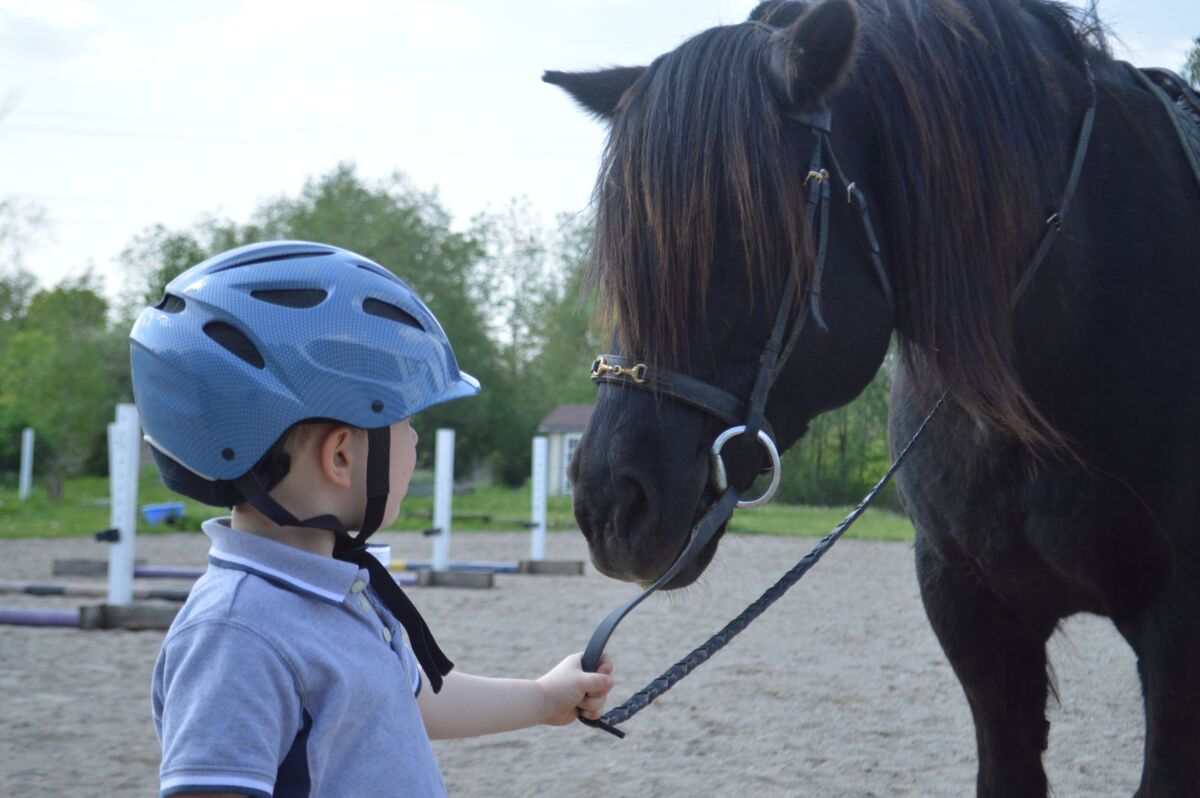
There is a particular kind of magic in watching your child stand beside a horse for the first time, a little wary, until the pony lowers its head, snuffles a warm breath, and the whole face changes. The wonderful thing is that you do not need to leave the island to find that moment. Horse riding in Singapore for kids is genuinely accessible, from short hand-led pony rides for toddlers right through to proper lessons for older children. This guide is for any parent weighing up a first visit: where to go, what age suits what activity, the safety basics, what to pack, and how to turn a stable visit into an easy half-day out.
Pony rides or riding lessons: which one is right for your child?
Before you book, it helps to know the two very different experiences on offer. They look similar from the carpark but they are not the same outing, and matching the right one to your child's age and temperament makes all the difference.
- Hand-led pony joy-rides: a short loop, usually a few minutes, with a trained handler walking the pony while your child simply sits and enjoys the wobble. Best for toddlers and young children from around age three. No skill needed, no pressure, and it is over before a nervous little one has time to worry.
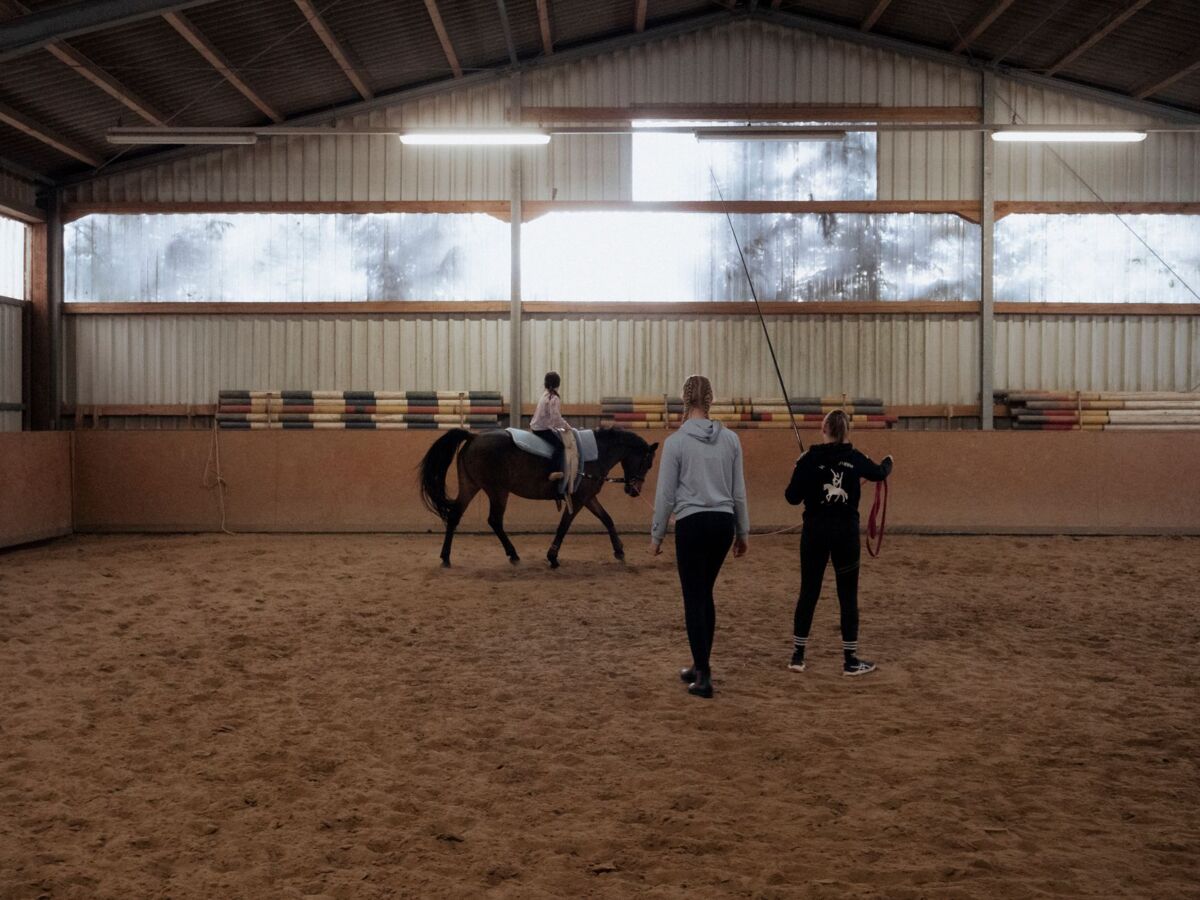
- Structured riding lessons: a coached session where children learn to sit correctly, hold the reins, steer and stop. These usually start a little older, commonly around five or six, because riders need to listen, follow instructions and hold a position. This is the path for a child who is genuinely keen and wants to keep going.
If you are unsure, start with a joy-ride. It is low-stakes and tells you everything you need to know in about ten minutes. Plenty of children who shriek with delight on a led pony are simply not ready to sit through a 30-minute lesson, and that is completely normal. There is no rush.
The best age to start
Minimum ages vary from one centre to another, so treat the numbers below as a general map rather than a rule, and always confirm on the specific venue's official site before you book.
- Around 3 and up: hand-led pony joy-rides and pony feeding or petting sessions. Toddlers do not need any ability, just a willingness to be lifted into the saddle.
- Around 4 to 5: some clubs offer toddler or pre-school pony playgroups that mix short rides with grooming and stable activities, easing children in gently.
- Around 5 to 6 and up: beginner riding lessons and school-holiday pony camps, where children start learning real riding skills.
- Around 6 and up: polo academies and more advanced equestrian programmes, for children who have caught the bug and want to progress.
Weight matters too. Ponies and horses have limits, and a child who is tall or heavy for their age may be steered towards a larger horse or a different activity. Reputable centres handle this sensibly and will tell you what suits your child best.
Where to ride or meet horses in Singapore
Singapore has a small but lovely cluster of stables, mostly tucked into greener corners of the island around Bukit Timah, the former Turf Club belt, Pasir Ris and the north. Here is how to weigh up your options.
Gentle pony rides for younger kids
For a relaxed first taste, hand-led pony rides are the way to go. A handler walks alongside while your child sits in the saddle for a short loop. Gallop Stable is the name most families reach for, with operations in the Bukit Timah Horsecity area and at Pasir Ris, typically welcoming children from around three for led joy-rides. Feeding or pony-care add-ons are often available. Locations, timings and fees do change, so check the official site before you head down.
Some riding clubs also open weekend pony rides to the public. The Bukit Timah Saddle Club is well known for led pony rides for young children, usually with a helmet provided and a guide walking the pony. Days, times and ages vary, so confirm on the club's official page rather than turning up on spec.
Lessons and riding centres for older kids
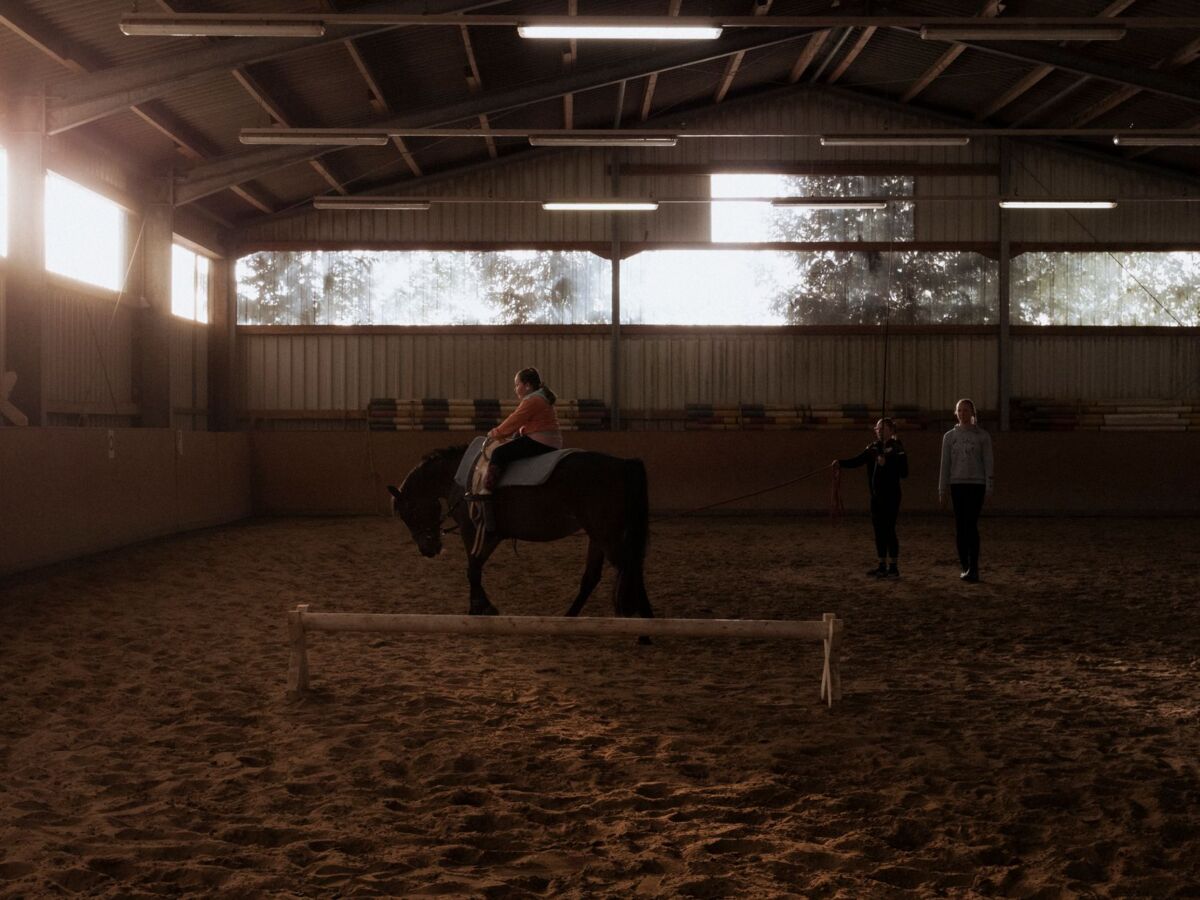
When your child is ready to actually learn, equestrian centres and saddle clubs take over with beginner lessons, holiday camps and progressive programmes, typically from around five or six. The Bukit Timah Saddle Club and the equestrian centres in the Jalan Mashhor and former Turf Club areas run coaching of this kind. Exact ages, kit requirements and booking all live on each centre's own site, so verify there.
Pony clubs, feeding and grooming for non-riders
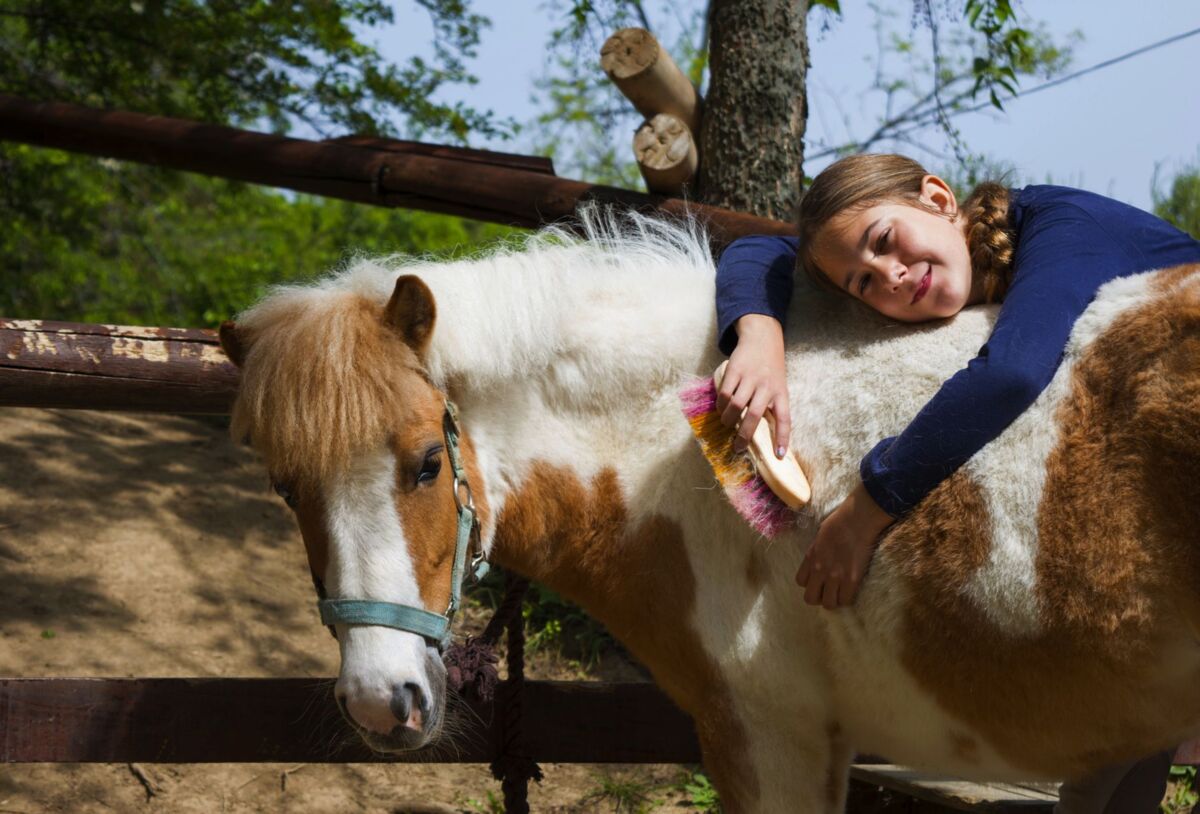
Not every child wants to climb on, and that is fine. Much of the joy of a stable is on the ground. Many centres offer feeding, grooming, leading a pony and stable-care activities where children learn how horses are brushed, fed and cared for. For an animal-loving child who is nervous about heights, this is often the perfect entry point and builds the confidence to ride later. Pony birthday parties and craft sessions are common too.
Polo academies for keen older children
Once a child is genuinely hooked, polo is an unexpected option. The Singapore Polo Club runs a riding academy and a pony academy, generally for riders from around six, covering riding skills and horse management. Priority often goes to members and sessions book up, so plan ahead and check the club directly for current programmes and ages.
Equine therapy and riding for children with additional needs
Time with horses is not only recreational. Equine-assisted and therapeutic riding is well established in Singapore and can support children's physical, cognitive and emotional development. The rhythmic movement of a walking horse, the focus it requires, and the bond formed with a gentle animal can be powerful for children with a range of needs.
The Riding for the Disabled Association (RDA) Singapore runs structured therapeutic riding sessions for people with disabilities, supported by trained volunteers and therapy horses. Demand is high, so places can involve a waiting period and it is worth reaching out early. Several equestrian centres also run equine-assisted programmes. If this is relevant to your family, contact the organisation directly to understand how their sessions, assessments and any referrals work.
Why families love horse riding
- Confidence and calm: guiding a big, gentle animal is a genuine achievement for a small child, and most kids walk away standing a little taller.
- Balance, core and coordination: staying centred on a moving pony quietly works the body without it ever feeling like exercise.
- Empathy and responsibility: feeding, brushing and caring for a pony teaches children that an animal has needs of its own.
- Outdoor, screen-free time: stables are green and open, a refreshing change from malls and tablets.
Safety and etiquette around horses
Horses are large, strong animals, so safety is not optional. Good centres make it routine, and you should expect to see it in action. Here is what to look for and how to prepare your child.
- A properly fitted riding helmet: essential for every ride. Reputable centres provide and fit one for pony rides and lessons, but confirm when you book.
- Closed, covered shoes: never slippers or sandals. A small heel helps stop the foot sliding through the stirrup. Pair with long trousers or leggings to protect the legs.
- Trained handlers and instructors: a competent adult should lead the pony or run the lesson, with calm, well-handled animals.
- Approach calmly and from the front: teach your child to move slowly, speak softly, never run or shout near the animals, and approach where the horse can see them rather than from directly behind.
- Follow the handler's instructions: children should do exactly what staff say, including how to feed a pony safely with a flat palm if feeding is offered.
What to expect on a first visit
First visits follow a gentle rhythm. For a hand-led pony ride, you check in, get a helmet fitted, then a handler lifts your child into the saddle and leads the pony on a slow loop while you walk alongside. It is over quickly, which keeps it positive for nervous toddlers. For a first lesson, expect more groundwork: meeting the pony, learning to sit, hold the reins and stop, and plenty of walking before anything faster. Some children take to it instantly; others need a session or two to warm up. Both are normal.
What to wear and bring
- Long trousers or leggings and closed, covered shoes with a small heel if possible.
- A hat, sunscreen and plenty of water. Sun protection is for waiting parents too.
- Wet wipes and a change of clothes for younger ones, since stables are dusty and messy.
- Insect repellent, as grassy, shaded stable areas can attract mosquitoes.
- A snack for afterwards and a charged phone for the inevitable photos.
Getting there, parking and timing your visit
Most stables sit in outlying, greener areas away from an MRT station, so families usually drive, grab a taxi or ride-hail, or combine a bus with a short walk. Parking is generally available nearby but can be informal, so leave a little buffer and check the exact address and drop-off on the venue's site before you set off.
On timing, go early. Mornings are cooler and far more comfortable for children, parents and ponies alike. Weekend mid-mornings are the busiest, so a weekday or an early weekend slot means shorter waits and a calmer atmosphere. As for strollers and little extras, stables are working environments with uneven, often unpaved ground, so a stroller may struggle on grass and dirt, and shaded seating, nursing corners and changing facilities are basic at best. Plan to feed or change a baby in the car if needed, and bring your own shade where you can.
Rainy-day backup and what happens in bad weather
Riding is largely outdoors, and Singapore weather turns in minutes. Sessions may be paused or cancelled in heavy rain, lightning or storms, so always have a plan B and check the centre's cancellation and rescheduling policy when you book. If the skies open, our guides to bowling with kids in Singapore and bouldering and climbing for kids are both easy pivots, and the ArtScience Museum is a reliable all-weather fallback.
Make a half-day of it
A stable visit pairs beautifully with the green spaces around it. After a Pasir Ris ride, the nearby park has playgrounds and cycling paths for an easy extension, and the Bukit Timah area sits close to plenty of nature. Pack a picnic or plan a meal afterwards and you have a proper weekend adventure. For more ideas in the same outdoorsy spirit, our roundup of the best playgrounds in Singapore is a handy companion, and you can browse the wider play hub for more family outings around the island.
Frequently asked questions
What age can kids start horse riding in Singapore?
It depends on the activity. Hand-led pony joy-rides often welcome children from around three years old, while structured riding lessons commonly start around five or six. Polo academies usually begin around six. Always confirm the exact minimum age on the specific centre's official website, as it varies and can change.
How much do pony rides and lessons cost?
Prices vary by venue and activity and change over time, so we do not list figures here. As a guide, a hand-led pony joy-ride is usually a low, one-off fee, structured lessons cost more per session, and packages or term programmes vary. Therapeutic riding is sometimes charity-supported. Check the official site of the centre you plan to visit for current fees.
Do we need to book in advance?
Often, yes. Some weekend pony rides run on a first-come basis, but lessons, camps, polo academies and therapeutic sessions usually need booking, and popular slots fill quickly. Check the centre's site or call ahead so you do not turn up to a full session or a closed day.
What should my child wear and bring?
Long trousers or leggings to protect the legs and closed, covered shoes, never slippers or sandals. A small heel helps in the stirrup. A riding helmet is essential and usually provided, so confirm when you book. Bring water, sun protection, a hat, wet wipes and a change of clothes for younger children.
Are there horse activities for children who do not want to ride?
Plenty. Many stables offer pony feeding, grooming, leading and stable-care experiences that let an animal-loving child enjoy horses with both feet on the ground. These are a lovely, low-pressure introduction and often build the confidence to ride later.
Is there equine therapy for children with special needs in Singapore?
Yes. Therapeutic and equine-assisted riding is available, including through the Riding for the Disabled Association Singapore and several equestrian centres. These structured sessions can support physical, cognitive and emotional development. Demand can be high, so contact the provider directly and early to understand their programme and any assessment process.
Horses have a way of turning a quiet morning into a memory your child talks about for weeks. Start small with a gentle pony ride, see how they take to it, and let their curiosity lead the way. For more family-friendly outings around the island, keep exploring our play hub.

Admiralty Park Family Guide: Singapore's Playground With the Most Slides
Family guide to Admiralty Park, the Singapore playground with the most slides. Play zones by age, inclusive swings, mang...
11 min read
Archery in Singapore: A Family Guide to Beginner Sessions for Kids
Archery in Singapore for families: how beginner sessions work, suitable ages for kids, indoor vs outdoor ranges, safety ...
9 min read
ArtScience Museum Family Guide: Future World, Tickets and Tips for Singapore Parents
A Singapore parent's guide to the ArtScience Museum: Future World with kids, tickets, the Family Friday free-child deal,...
9 min read