

Hospital Bag Checklist for Singapore: What to Pack and When
In this article
- When to pack your hospital bag
- Documents you need in Singapore
- For mum: labour and delivery
- For mum: postnatal recovery
- For baby: going home
- The diaper bag: from the trip home and beyond
- For your partner or birth companion
- Public, restructured and private hospitals: what differs
- What not to over-pack, and getting home
- Frequently asked questions
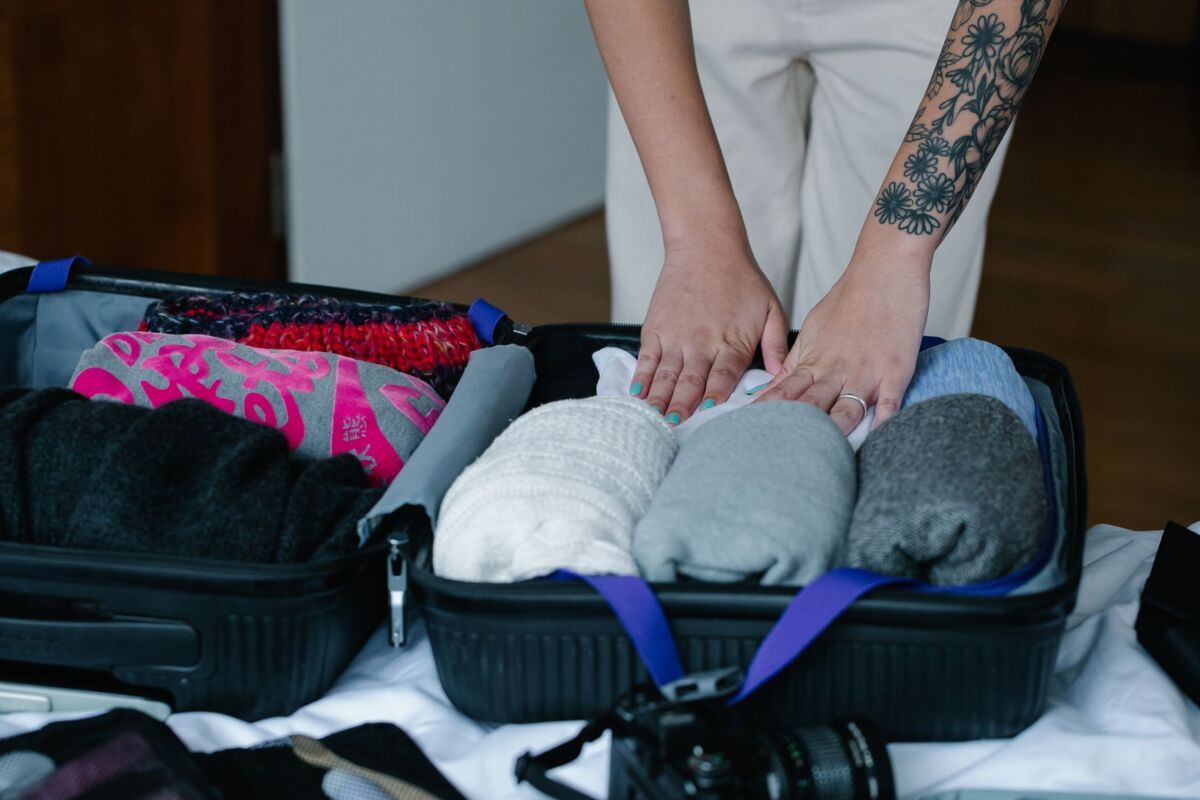
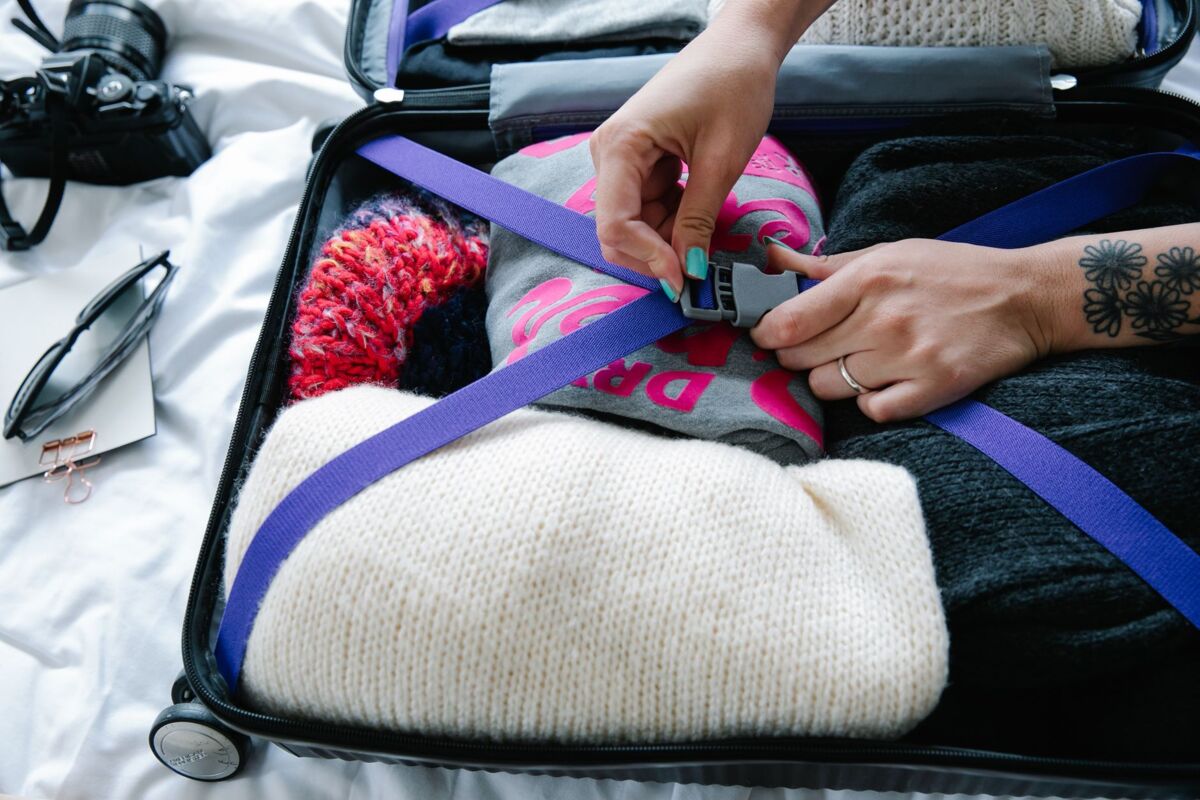
By the third trimester, one job quietly moves to the top of every Singapore mum-to-be's list: getting the hospital bag ready. Pack too late and you risk scrambling for your NRIC mid-contraction; pack too much and you lug a suitcase to a ward that already stocks half of it. This guide walks you through when to pack, what goes in for mum, baby and your partner, and which documents you must not forget for a delivery in Singapore, whether you are booked into a public, restructured, or private hospital. It is written for first-time parents who want one clear list, but works just as well as a refresher for a second baby. We deliberately avoid quoting hospital-specific provision lists or fees, because these differ between wards and change over time; for those, always check your own hospital's admission page, which we link below.
When to pack your hospital bag
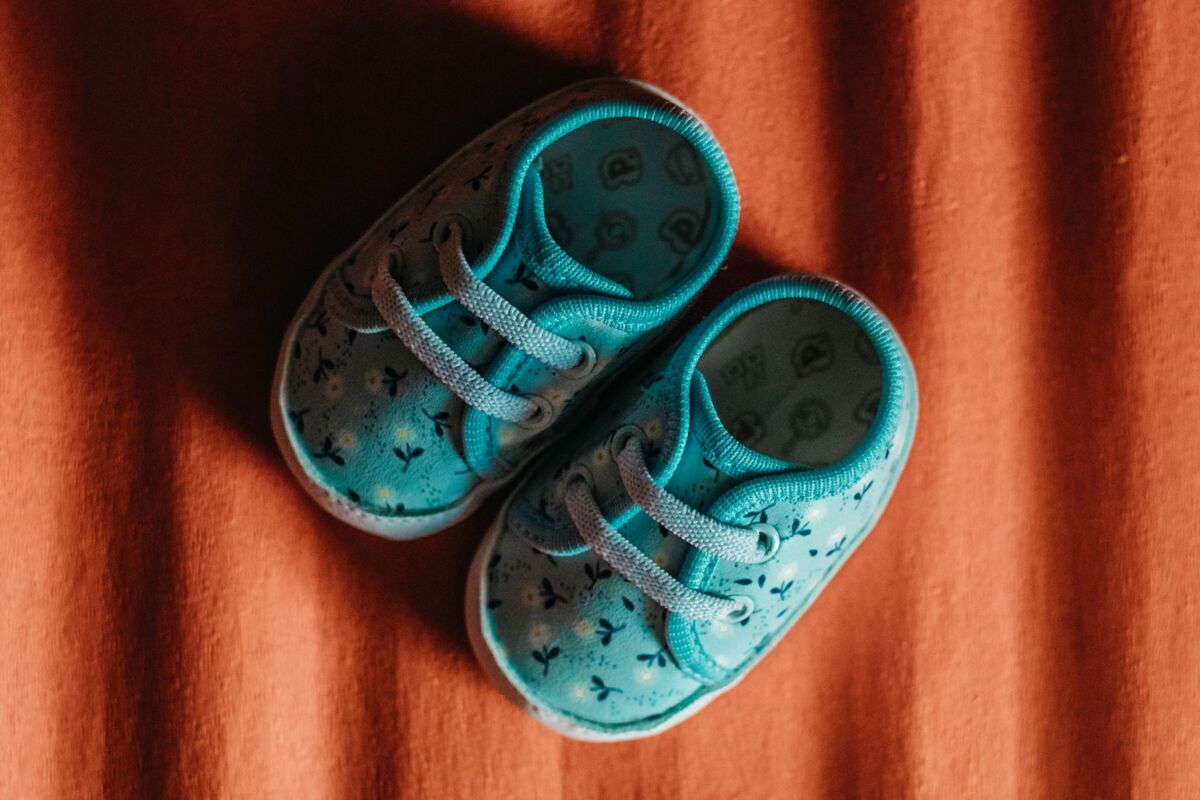
Aim to have your bag fully packed by around 35 to 36 weeks. Babies do not always wait for their due date, and labour can begin earlier than planned. Having everything ready a few weeks ahead means that when contractions start or your waters break, you can focus on getting to the hospital rather than hunting for chargers and documents. If you are not sure how to tell the real thing from a false alarm, our guide to the signs of labour in Singapore is worth a read before you finish packing.
A practical approach is to keep the bag (or two smaller bags) by the front door or in the car boot from 35 weeks onward. Many couples pack a separate small "go" bag with just documents and labour essentials, and leave the larger postnatal bag for a family member to bring to the ward later, since you rarely need everything during admission and active labour. If you are unsure whether it is time to head in, your gynae's clinic or the hospital's delivery suite can advise over the phone first.
Documents you need in Singapore
Paperwork is the one category you cannot improvise at the last minute, so pack it first. For a delivery in Singapore you will generally want:
- Identity documents for both parents - NRIC for citizens and permanent residents, or passport and pass (for example a FIN) for foreigners. You will need both parents' details when you register the birth.
- Marriage certificate, if married, used at birth registration to record the parents' particulars. If it is not in English, an official translation may be required - check the latest guidance with the Immigration and Checkpoints Authority (ICA).
- Hospital and clinic paperwork - your antenatal record, appointment card or booklet, any admission letter from your gynae, and your birth plan. If you have not drafted one, our birth plan guide for Singapore covers what to include.
- Payment and insurance details - your hospitalisation insurance information and preferred payment method. Keep any outpatient gynae receipts together too, as some can be claimed through MediSave depending on your bills. Confirm exact costs with the hospital.
- Your baby's chosen name ready in mind - you will need it to register the birth, which parents now do themselves online after you are home (see below).
A note on birth registration, because the process has changed and many older checklists still get it wrong: in-person registration at hospitals and the ICA Building was discontinued in 2022, so hospital staff no longer register the birth. Instead, parents register it themselves online, generally through the LifeSG app or website, and a digital birth certificate is issued. It must be done within 42 days of the date of birth (not the date you are discharged, and not the 14-day window some outdated guides quote), and a fee applies. Because the exact fee and process can change, confirm current requirements on the ICA birth-certificate page and LifeSG rather than relying on figures quoted elsewhere.
For mum: labour and delivery
These are the items you will reach for during admission and labour. Keep them in your smaller, easy-to-grab bag:
- A comfortable, loose top or your own gown if you prefer it over the hospital's (many hospitals provide a delivery gown - check your hospital's list).
- Warm socks and slippers, since feet often feel cold during labour, plus a hair tie or clip.
- Lip balm and a water bottle or flask; long labours leave lips and mouth dry.
- Phone, charger with a long cable, a power bank, and any music or playlist you find calming.
- Glasses or contact lens supplies if you wear them - many mums find glasses easier during a long labour.
- Optional comforts: an eye mask, earplugs, a small handheld fan, or massage oil.
- Light snacks for you if your care team allows them, and a saved copy of your birth preferences.
For mum: postnatal recovery
This is the bag for your ward stay after baby arrives. Stays are commonly a couple of nights for a vaginal birth and a little longer after a caesarean, but it depends on your recovery and care team's advice. Useful items include:
- Maternity sanitary pads - several packs for the lochia (postnatal bleeding) that lasts days to weeks. Many hospitals provide some, but your own preferred brand helps.
- Nursing-friendly nightwear - front-opening or button-down tops, plus a comfortable robe.
- Nursing bras and high-waisted, gentle underwear - disposable maternity underwear is popular for the early days.
- Toiletries - toothbrush, toothpaste, face wash, shampoo, body wash, hairbrush, and any skincare you rely on.
- Breastfeeding aids if you plan to nurse - nipple cream, breast pads, and a nursing pillow if you find one helpful. Lactation support is usually available; ask the nurses.
- A breast pump only if your care team has advised it or you already own one - otherwise it is easy to add later and not worth the bulk on day one.
- A comfortable, loose going-home outfit - your body will still be close to its later-pregnancy size, so choose forgiving, stretchy clothing.
- Phone charger, a notebook or notes app for questions, and some cash or card for small purchases.
For baby: going home
During your stay, hospitals generally provide the newborn basics in the ward - clothing, wraps, nappies and feeding support - so what you truly must bring is mainly for the journey home. Confirm what is supplied on your hospital's admission page, then pack:
- A going-home outfit - one or two newborn bodysuits or onesies suited to the weather, pre-washed in a gentle detergent, plus mittens and a hat if you wish.
- Anti-scratch mittens and socks or booties - newborn nails are surprisingly sharp, and feet feel the air-conditioning quickly.
- Swaddle or light wrap and a thin blanket for the trip home in air-conditioning or a cool car.
- A small pack of newborn diapers and wipes for the journey, even if the ward supplies them during your stay.
- An infant car seat, installed in the car before discharge if you are driving home. Do not pack this in the bag - it needs to be fitted and ready.
- Any specific feeding items you have discussed with your care team.
The diaper bag: from the trip home and beyond
Once you are discharged, your hospital bag effectively becomes a diaper bag, so it is worth setting up a proper carry-on diaper bag in the same session. The aim of a good diaper bag kit is simple: enough to handle a nappy change and a feed anywhere, without carrying your whole nursery. Use a diaper backpack, a tote with an insert, or repurpose the go-bag once labour is over. A sensible set of diaper bag essentials for the first weeks:
- Several diapers and a generous pack of wipes - more than you think you need.
- A foldable, wipe-clean changing mat, plus a wet bag for soiled clothes and used nappies (handy in Singapore's heat).
- One full change of clothes for baby and a spare top for you.
- Two muslin or swaddle cloths - they double as a burp cloth, sun shade, nursing cover, or light blanket.
- A feeding kit suited to how you feed: a nursing cover, or clean bottles, a measured pack of formula, and water if you bottle-feed.
- Nappy cream, cotton pads, baby-safe hand sanitiser, a small first-aid pouch, and a sun hat.
Restock the bag the moment you get home from an outing, so it is always ready by the door. A predictable layout - nappies in one pocket, feeding in another - turns a frantic change into a thirty-second job.
For your partner or birth companion
The supporting parent is often at the hospital for many hours, sometimes overnight, so a small bag of their own prevents mid-labour supply runs:
- A change of clothes, light layers (delivery rooms can be cool), and a phone charger.
- Snacks and a refillable water bottle - hospital outlets keep their own hours.
- Coins or small notes for vending machines, hospital parking, or a coffee run.
- Toiletries and any regular medication.
- A contact list of family to update, plus the camera or phone for first photos.
- Small comforts - a neck pillow or eye mask helps during long overnight waits.
If an older child will visit the ward, pack a small kit for them too - a favourite book or toy, drawing materials, a snack, and a spare set of clothes - and check your hospital's current visitor policy first, as age limits and visiting hours differ by ward and can change.
Public, restructured and private hospitals: what differs
Singapore mums deliver across public and restructured hospitals such as KK Women's and Children's Hospital, the National University Hospital and Singapore General Hospital, as well as private hospitals and maternity centres. What each provides in the ward, and the ward-class options, varies: lower ward classes are shared, more affordable rooms, while higher classes and private hospitals offer single rooms with more amenities and, often, room for a partner to stay over. Because in-ward supplies (gowns, newborn essentials, toiletries, meals) differ between hospitals and change over time, we do not list them item by item. The most reliable source is the "what to bring" or "preparing for admission" page published by your own hospital - use that list to trim this guide down to what your hospital does not supply, so you are not duplicating a cupboard of pads and onesies you will never open.
What not to over-pack, and getting home
It is easy to arrive with three bags. You can usually leave behind a full newborn wardrobe (the ward dresses baby), bulky bedding, large quantities of pads or diapers your hospital supplies, valuables in a shared ward, and heavy entertainment your phone already covers. How you get home matters too: if you are driving, your newborn must travel in a properly fitted, rear-facing infant car seat, installed and tested before your due date rather than on discharge day. If you take a taxi or private-hire ride, check the operator's current rules on infant restraints for very young babies, as these differ between services and can change. Related reading: our guides to epidural and labour pain relief and baby swaddles and sleep sacks.
Frequently asked questions
At how many weeks should I pack my hospital bag?
Aim to have it ready by around 35 to 36 weeks. Labour can start before your due date, so packing a few weeks early means you are not searching for documents or chargers once contractions begin. Keep it by the door or in the car from then on.
Do I need to register my baby's birth at the hospital before I go home?
No. In-person birth registration at hospitals was discontinued in 2022, so it is no longer a discharge step. Parents register the birth themselves online, generally via the LifeSG app or website, and must do so within 42 days of the date of birth. Have your baby's name and both parents' identification details ready, and check the current process and fee on the ICA and LifeSG pages linked below.
What does the hospital usually provide, and what must I bring?
Most hospitals supply newborn basics in the ward and often a delivery gown and some maternity pads, but this differs by hospital and ward class. We avoid listing exact provisions here because they change. The safest approach is to read your own hospital's "preparing for admission" or "what to bring" page, then pack only what is not supplied.
Do I need an infant car seat to leave the hospital?
If you are travelling home by car, your baby should be secured in a properly fitted rear-facing infant car seat. Install it before you head to the hospital rather than packing it in the bag, so it is ready on discharge day. If you are taking a taxi or private-hire ride, check the operator's current rules on infant restraints for newborns.
What goes in a carry-on diaper bag versus the hospital bag?
The hospital bag covers your ward stay and the trip home, much of which the hospital supplements. A carry-on diaper bag is your everyday kit for outings once you are home: a few diapers, wipes, a foldable changing mat, a wet bag, a change of clothes, muslins, and your feeding setup. Many parents set up both in the same packing session so the diaper bag is ready the moment you are discharged.
Want to keep planning ahead? Browse our pregnancy and prenatal guides, read up on the signs of labour so you know when to head in, and use our birth plan guide to put your preferences on paper before the big day.

Antenatal Classes in Singapore: A First-Time Parent's Guide
Antenatal classes in Singapore explained: what prenatal classes cover, KKH/NUH/Thomson options, when to start, costs, an...
10 min read
Writing a Birth Plan in Singapore: A Flexible Guide for Mums-to-Be
How to write a flexible birth plan in Singapore: pain relief, birth positions, skin-to-skin, vitamin K, C-section and po...
9 min read
Breast cancer in pregnancy in Singapore: a calm, careful guide
A gentle, factual guide to breast cancer in pregnancy in Singapore: how it is diagnosed and treated safely, and where to...
9 min read