
Common Pregnancy Symptoms by Trimester: What to Expect and How to Ease It

In this article
- How to use this guide (and an important note first)
- First trimester (weeks 1 to 12): the tired, queasy stretch
- Second trimester (weeks 13 to 27): the more comfortable middle
- Third trimester (weeks 28 to 40 plus): the heavy home stretch
- Red flags: when to call your doctor or go to hospital
- Frequently asked questions
Pregnancy rearranges your body in waves, and most of the queasy mornings, twinges and broken nights along the way are completely normal. Knowing roughly when each discomfort tends to appear, and which gentle measures actually help, takes a lot of the worry out of the months ahead. This guide walks Singapore mums-to-be through the most common pregnancy symptoms trimester by trimester, with safe, doctor-backed self-care for each and clear signs that it is time to call your obstetrician or head to hospital. It sits beside your antenatal care at KKH, NUH, a private gynae or your polyclinic, not in place of it. Every pregnancy is different, so if something feels wrong, trust your instinct and check with your care team.

How to use this guide (and an important note first)
We have grouped symptoms by the trimester in which they usually first appear, but bodies do not read the calendar. You might breeze through some, feel several at once, or have a symptom arrive earlier or later than described, and that spread is all within the normal range. What matters most is learning your own baseline, so you notice when something shifts. To pair this with what each stage looks like, see our guide to pregnancy week by week in Singapore.
First trimester (weeks 1 to 12): the tired, queasy stretch
The first trimester is when your hormones climb the steepest, so even though your bump is barely there, the changes inside can feel dramatic. The classic early symptoms are nausea, deep tiredness, tender breasts and constant trips to the toilet, none of them pleasant but, for most women, reassuringly ordinary.
Nausea and morning sickness
Despite the name, the queasiness can hit at any hour, and for many it is worst on an empty stomach. According to SingHealth, nausea and vomiting affect at least half of all pregnancies, usually starting around six weeks and easing by about 14 to 16 weeks as hormones settle. Gentle things that often take the edge off:
- Eat small, frequent meals so your stomach is never empty, and keep plain crackers by the bed to nibble before you sit up.
- Try ginger in tea, biscuits or sweets, which many women find settling.
- Sip fluids steadily through the day, and steer clear of strong cooking smells or greasy, spicy food if those are triggers.
- If nausea is wearing you down, ask your doctor about anti-sickness options before buying anything, as some over-the-counter remedies are not advised in pregnancy.
There is more in our deeper dive into morning sickness remedies in Singapore, for when the basics are not enough.
Fatigue, tender breasts and frequent urination
Crushing tiredness is one of the earliest signs as your body works overtime to support the baby. Rest when you can, go to bed earlier without guilt, and let some things slide. Your antenatal team will check for anaemia at routine visits and advise on iron if needed, so mention it if the exhaustion feels extreme or comes with breathlessness or palpitations. Sore, heavier breasts are normal too, and a supportive, well-fitted bra helps. Needing the toilet far more often also starts early, driven by hormones and extra blood flow to your kidneys; that is harmless on its own, but burning, stinging or pain when you go can signal a urine infection that needs treating, so flag it to your doctor.
Second trimester (weeks 13 to 27): the more comfortable middle

Many women find the second trimester the kindest stretch. Nausea usually fades, energy often returns, and somewhere between 16 and 24 weeks you may feel those first flutters of movement, though first-time mums sometimes notice them later. New symptoms tend to arrive now, mostly as your bump and weight grow and the hormone relaxin loosens your joints.
Heartburn and indigestion
Heartburn is very common, affecting a large majority of pregnancies according to SingHealth. Pregnancy hormones relax the valve at the top of the stomach, and later your growing womb presses upward, so acid rises more easily. To ease it:
- Eat smaller meals more often instead of a few large ones, and avoid lying down in the two to three hours before bed.
- Cut back on fried, fatty and very spicy foods, and on caffeine, if they set you off.
- Prop yourself up with extra pillows so you are not flat when you sleep.
- Ask your doctor or pharmacist before taking any antacid so they can point you to one that is safe in pregnancy.
Back pain and pelvic girdle pain
Back pain builds as your bump shifts your centre of gravity and relaxin softens your ligaments. Some women also feel pelvic girdle pain, a grinding or clicking ache around the front, sides or back of the pelvis that can make stairs, turning over in bed and getting out of a car uncomfortable. To protect yourself:
- Keep good posture, support your lower back with a cushion when seated, and skip the heels for flat, supportive shoes.
- Bend at the knees rather than the waist, and avoid lifting anything heavy.
- Stay gently active with walking, swimming or pregnancy-safe stretches, and place a pillow between your knees on your side.
- Move both legs together getting in and out of bed if your pelvis is painful.
If back or pelvic pain is limiting you, tell your gynae early, as a physiotherapist can teach targeted exercises and may suggest a support belt. Our guide to safe exercise during pregnancy in Singapore explains which movements help and which to avoid.
Constipation, gums, stuffy nose and dizziness
Slower digestion, plus the iron in many supplements, leaves a good number of women constipated. Drink plenty of water, build up fibre from fruit, vegetables and wholegrains, and keep moving; if it persists or you see bleeding when passing stools, tell your doctor before reaching for any laxative. Softer gums that bleed when you brush are common, so brush gently and keep up dental visits, and a blocked nose with the odd nosebleed is another harmless hormonal change. Lightheadedness can creep in too, so get up slowly, eat regularly, and from now on avoid lying flat on your back for long, as the womb can press on a major blood vessel; tilting onto your side, ideally the left, eases it. If you faint, or dizziness comes with a bad headache or blurred vision, contact your doctor.
Third trimester (weeks 28 to 40 plus): the heavy home stretch
In the final stretch your baby grows fast and your body carries the most weight. Sleep often gets harder, several earlier symptoms can return, and new ones appear. This is also when conditions like pre-eclampsia are most likely, so it is the stage to be most alert to changes.
Swelling in feet, ankles and hands
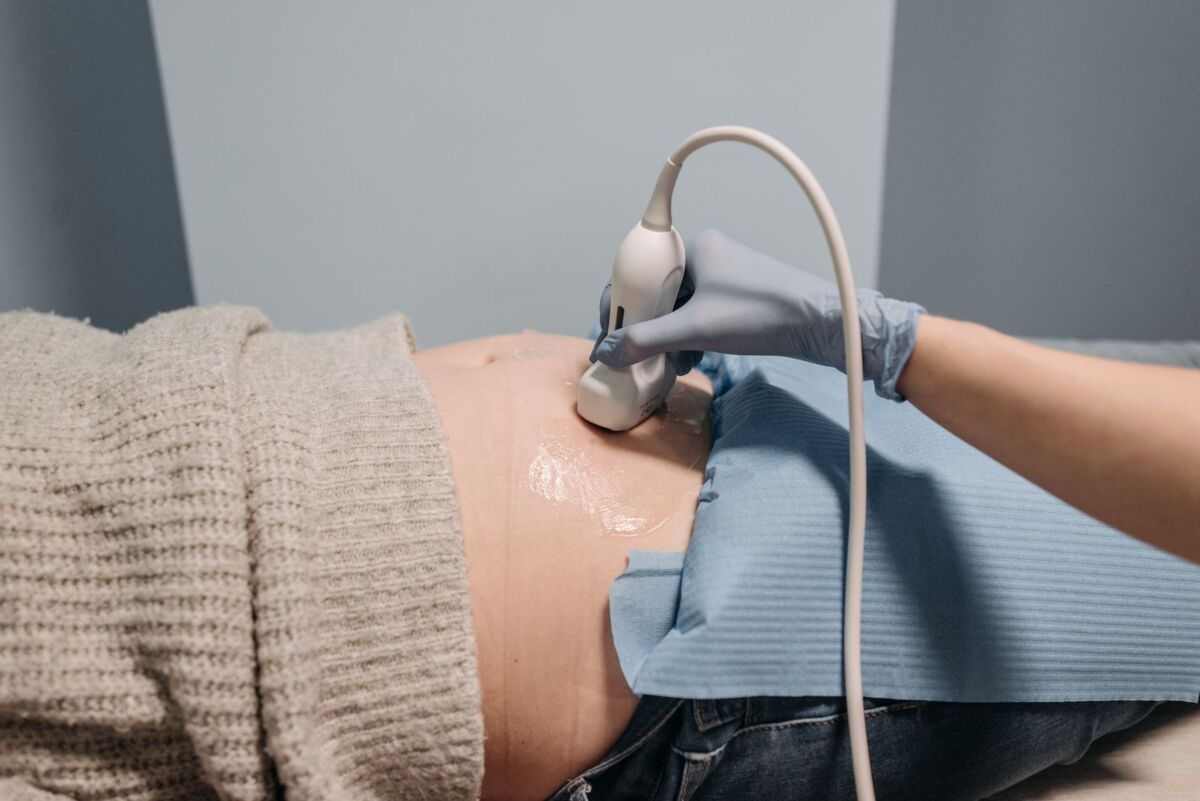
Mild swelling, or oedema, is very common in late pregnancy as your body holds more fluid and your bump slows the blood returning from your legs; SingHealth notes the great majority of pregnant women get some lower-limb swelling. To ease it:
- Put your feet up when you can, and avoid standing in one spot for long periods.
- Choose comfortable shoes and avoid tight socks or straps.
- Stay well hydrated and keep moving gently, with ankle rotations and calf flexes, and rest on your left side to help circulation.
Gradual, even swelling that goes down with rest is usually nothing to worry about. Swelling that comes on suddenly, especially in the face and hands, or arrives with a bad headache or vision changes, needs urgent review, as it can be a sign of pre-eclampsia. Swelling, redness and pain in one leg only also needs prompt attention, as it can point to a blood clot.
Leg cramps and carpal tunnel
Sudden, gripping calf cramps, often at night, affect many pregnant women. When one strikes, straighten your leg and pull your toes up towards you to stretch the calf, then massage it; regular stretches before bed and good hydration may make them less frequent. Some women also get carpal tunnel symptoms, with tingling or numbness in the hands from fluid build-up. Keeping the wrists neutral, gentle stretches, and a splint your doctor recommends can help, and it usually eases after birth.
Breathlessness, Braxton Hicks and your baby's movements
As your womb pushes up against your lungs you may feel breathless during everyday tasks, and once the baby drops lower near term you will likely be back to frequent toilet trips. Slow your pace, sit up straight, and sleep propped up. You may also notice Braxton Hicks contractions, irregular tightenings that practise your womb for labour and ease with rest or a drink. Sudden severe breathlessness, chest pain or a racing heart is not normal and needs urgent care. By now you will know your baby's usual movement pattern: there is no set number of kicks to count, but if movements slow, stop, or change from normal, contact your maternity unit straight away, even at night. Do not rely on a home doppler or app, as hearing a heartbeat does not confirm your baby is well.
Red flags: when to call your doctor or go to hospital
Most pregnancy discomforts are normal and settle with the simple measures above, but some symptoms always need prompt attention, no matter the trimester. Trust your instinct, and contact your obstetrician, delivery suite, polyclinic or hospital without delay, or call 995 in an emergency, if you notice any of these:
- Heavy vaginal bleeding, or any fluid leaking or gushing from the vagina.
- Severe or constant tummy pain, or pain high up under your ribs.
- A severe headache that will not ease, blurred vision, or flashing lights or spots.
- Sudden swelling of your face, hands or feet, a possible pre-eclampsia sign, especially with the headache or vision changes above.
- Heartburn that does not settle with antacids alongside feeling generally very unwell, which can also point to pre-eclampsia.
- A high fever, chills or feeling very unwell.
- Persistent vomiting where you cannot keep any fluids down.
- Burning or pain when passing urine, or blood in your urine.
- Reduced, absent or noticeably changed baby movements from the third trimester.
- Regular, painful tightenings, low cramping or back pain before 37 weeks, which can be signs of preterm labour.
- Swelling, redness or pain in one leg, or sudden breathlessness or chest pain.
Keeping all your antenatal appointments matters, because problems like high blood pressure and gestational diabetes are often picked up there before you feel a thing, which is why blood pressure and urine checks are routine. You will find more pregnancy guidance and tools in our learn hub. Related reading: our guides to how your pregnant belly grows.
Frequently asked questions
Are these pregnancy symptoms dangerous?
On their own, the common discomforts in this guide, such as nausea, heartburn, back pain, mild swelling and tiredness, are usually a normal part of pregnancy and not dangerous. What matters is watching for the red-flag symptoms above, which need prompt medical attention. When in doubt, it is always reasonable to call your doctor or maternity unit and ask.
When does morning sickness usually stop?
For most women nausea is worst in the first trimester and eases by around 14 to 16 weeks as hormones stabilise, though some have it for longer or, less commonly, throughout. If you cannot keep food or fluids down at any point, speak to your doctor, as you may need treatment rather than just home remedies.
Which sleeping position is safest in pregnancy?
From the second trimester onwards, sleeping on your side is generally recommended over lying flat on your back, as the weight of the womb can press on a large blood vessel and make you feel faint. A pillow under the bump and another between the knees makes side-sleeping more comfortable. If you wake on your back, simply roll back onto your side.
Can I take medicine for heartburn or pain in pregnancy?
Some medicines are considered safe in pregnancy and some are not, and it depends on the product and your stage. Always check with your doctor or pharmacist before taking any antacid, painkiller, supplement or remedy, including ones you used before, rather than self-medicating.
How do I know if my swelling is normal or a warning sign?
Gradual, even swelling of the feet and ankles that goes down with rest and elevation is usually normal in later pregnancy. Swelling that comes on suddenly, affects the face and hands, or arrives with a severe headache, vision changes or feeling very unwell can be a sign of pre-eclampsia and needs urgent review. Swelling, pain and redness in one leg should also be checked promptly.
Where do I go in Singapore if I am worried out of hours?
For non-urgent questions, your gynae's clinic or your polyclinic can advise during opening hours. For anything that cannot wait, hospitals with maternity services such as KKH and NUH have delivery suites and emergency departments that handle pregnancy concerns around the clock, and in a life-threatening emergency you should call 995. It helps to save your hospital's number and pack early, which our hospital bag checklist for Singapore can help with.
You do not have to grit your teeth through everything alone. A discomfort that is wearing you down, physically or emotionally, is always worth raising with your care team, and no symptom is too small to mention at a checkup. Looking after how you feel is as much a part of antenatal care as the scans and blood tests.


Antenatal Classes in Singapore: A First-Time Parent's Guide
Antenatal classes in Singapore explained: what prenatal classes cover, KKH/NUH/Thomson options, when to start, costs, an...
10 min read
Writing a Birth Plan in Singapore: A Flexible Guide for Mums-to-Be
How to write a flexible birth plan in Singapore: pain relief, birth positions, skin-to-skin, vitamin K, C-section and po...
9 min read
Breast cancer in pregnancy in Singapore: a calm, careful guide
A gentle, factual guide to breast cancer in pregnancy in Singapore: how it is diagnosed and treated safely, and where to...
9 min read