
Best Baby Swaddles and Sleep Sacks in Singapore
In this article
If you are a new parent in Singapore standing in front of a wall of swaddles and sleep sacks, the choices can feel overwhelming. Do you wrap or zip? Cotton or bamboo? Which TOG rating actually makes sense when your bedroom sits at 26 to 28 degrees even with the aircon on? This guide is written for tired Singapore parents who want a calmer night without second-guessing safety. We will walk through the real difference between a swaddle and a sleep sack, why our hot and humid climate changes what you should buy, how to swaddle without hurting your baby's hips, and the single most important safe-sleep rule that most marketing leaves out.
Swaddle vs sleep sack: what is the difference?
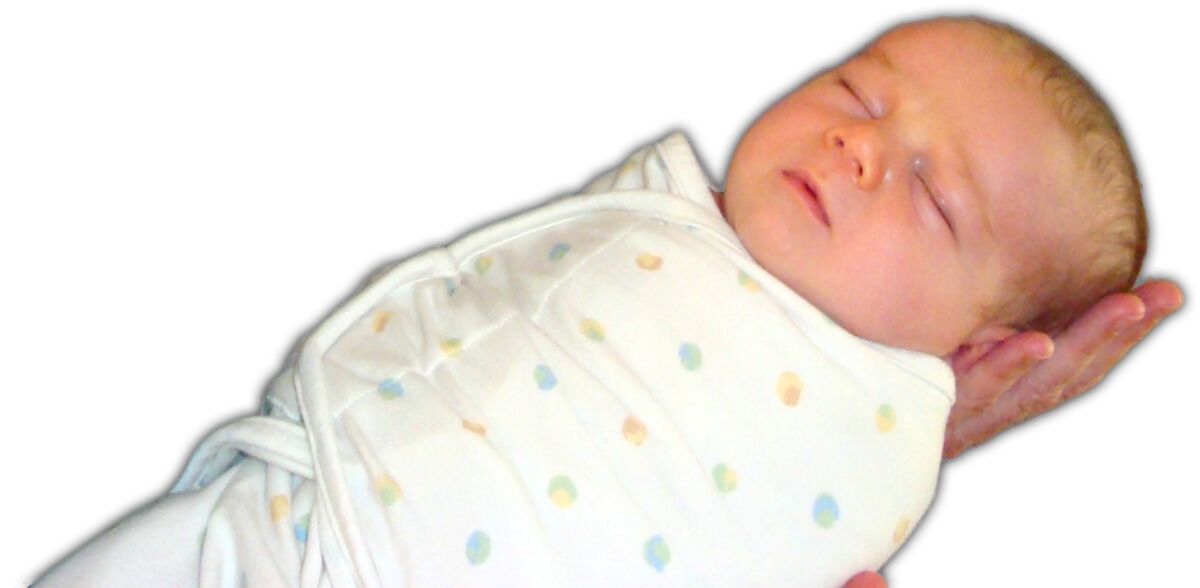
People often use the two terms as if they are the same product, but they do very different jobs. A swaddle wraps your newborn's arms snugly against the body, mimicking the close, contained feeling of the womb. A sleep sack (also called a sleeping bag or wearable blanket) leaves the arms free and only covers the torso and legs, like a sleeveless pouch your baby wears to bed instead of a loose blanket.
The short version: swaddles are for the very early newborn weeks, and sleep sacks are what your baby graduates into once arms need to be free. Many families use both across the first year, just at different stages.
When to use a swaddle
Swaddling suits the newborn phase, roughly from birth to the moment your baby shows any sign of rolling. A snug wrap can dampen the startle (Moro) reflex, the sudden jerk of the arms that wakes many newborns mid-sleep. If your baby keeps jolting themselves awake in the first few weeks, a swaddle is often the gentlest fix to try.
When to switch to a sleep sack
Once your baby can roll, or even just looks like they are trying to, the arms must come out. A sleep sack keeps them warm and signals that it is sleep time, without the risk of a wrapped arm trapping them face-down. Sleep sacks then stay useful well into toddlerhood, because they replace the loose blankets that are never safe in a baby's cot.
Why Singapore's climate changes everything
Most swaddle and sleep sack advice online is written for temperate countries with cold winters. Singapore is the opposite: warm and humid all year, with bedrooms that rarely drop below the mid-20s. Overheating is a recognised safe-sleep risk, so for local babies the priority is keeping things light and breathable, not warm.
Pick breathable cotton or bamboo
Look for lightweight, breathable natural fibres. Muslin cotton (the loosely woven, gauzy kind) and bamboo-blend fabrics are popular in Singapore precisely because they let heat escape and wick away the bit of sweat that babies produce. Avoid thick fleece, padded quilting, or anything that feels warm to the touch in the shop, even if it looks cosy. Cosy is not what our weather needs.
Choose a low TOG
TOG is simply a measure of how much warmth a fabric holds in. Higher TOG means warmer. In Singapore's climate, a very low TOG (think the lightest options available, often around 0.5 TOG or even a single-layer 0.2) is almost always the right call for air-conditioned and non-air-conditioned rooms alike. Save anything higher for travel to colder countries. If a sleep sack only comes in a thick winter weight, it is the wrong product for here.
Dress in light layers and watch the room
- Aim for a comfortable room temperature; many parents keep the nursery around 24 to 26 degrees and adjust to what their baby seems happy with.
- Under a low-TOG sleep sack, a short-sleeve bodysuit is often enough. In a cool air-conditioned room, a long-sleeve cotton onesie may be plenty.
- Check for overheating by feeling the chest or the back of the neck, not the hands and feet, which always run cooler.
- Signs of overheating include sweating, damp hair, flushed cheeks, rapid breathing, and restlessness. If you see these, remove a layer.
- Keep the cot away from direct aircon airflow and from sunny windows.
How to swaddle safely
A safe swaddle is snug across the chest and arms but loose around the hips and legs. The classic mistake is wrapping the legs straight and tight, which forces the hips into an unhealthy position and is linked to hip dysplasia. Your baby's legs should be able to bend up and out at the hips, frog-style.
- Lay the swaddle flat and fold down one corner to make a straight edge.
- Place your baby face-up with shoulders just below the folded edge.
- Gently bring one arm down alongside the body, wrap that side across the chest, and tuck it snugly under the opposite side.
- Repeat with the other arm and the remaining corner, keeping the wrap firm across the upper body.
- Leave plenty of room at the bottom so the hips and knees can bend and move freely. You should be able to slide a couple of fingers between the swaddle and your baby's chest.
Always place a swaddled baby on their back, never on the side or tummy. If wrapping by hand feels fiddly at 3am, a zip or velcro swaddle does the same job with far less origami, which we cover next.
Types of swaddles and sleep sacks
There is no single best product, only the best fit for your baby's stage and your own patience level. Here is how the main categories compare in general terms.
Traditional wrap (muslin square)
A large square of muslin you fold and tuck yourself. Cheap, breathable, and endlessly versatile (it doubles as a nursing cover, burp cloth, or pram shade). The downside is the technique: a determined newborn can wriggle free, and the learning curve is real in the first week.
Zip or velcro swaddle
A fitted pouch that closes with a zipper or velcro tabs, so the wrap is consistent every time. Quick, secure, and forgiving when you are exhausted. The trade-off is that you buy by size, so you will outgrow them, and velcro can be a little loud during night changes.
Arms-up swaddle
A wing-style swaddle that lets your baby sleep with arms bent up near the face, which is how many newborns naturally want to rest. Good for babies who fight having their arms pinned down. Brand families such as Love To Dream popularised this design. As with any swaddle, it must be stopped at the first sign of rolling.
Transition swaddle
A halfway product with removable wings or zip-off arms, designed to wean your baby off the wrapped feeling gradually (one arm out, then both). Helpful for babies who protest the sudden jump to fully free arms. Once both arms are out, you are essentially using a sleep sack.
Sleep sack / sleeping bag
The arms-free wearable blanket your baby moves into after swaddling, and the one you will use the longest. It keeps a roller or a crawler warm without any loose bedding, and most have a two-way zip for nappy changes. Brand families you will see in Singapore include Halo, aden plus anais, Elly Milley, and Feroza, among many others. Focus on fabric and TOG rather than the logo.
What to look for before you buy
Once you know which type you want, these are the features that actually matter for a Singapore baby.
- Hip-healthy, hip-loose design: the bottom should be roomy enough for the legs to bend up and out. Look for products described as hip-healthy or hip-friendly.
- Breathable fabric: muslin cotton or bamboo blends for our humidity. Skip thick padding and fleece.
- Low TOG: the lightest weight you can find, suited to a warm climate.
- Easy nappy-change access: a two-way or bottom-up zip lets you change a nappy at night without unwrapping the whole baby or fully waking them.
- Correct size and fit: buy to your baby's current weight, not to grow into. A too-big swaddle is a loose-fabric risk; a too-small sleep sack restricts the legs. Check the neck opening is snug enough that the baby cannot slip down inside.
- Washable and quick-drying: you will wash these constantly, so fabrics that dry fast in humid weather save real grief.
- Quality stitching and secure closures: no small parts, loose threads, or weak zips that could come apart.
Safe sleep: the non-negotiables
A swaddle or sleep sack is only one part of safe sleep. The wider rules, set out by the American Academy of Pediatrics and echoed by Singapore's HealthHub, matter far more than which brand you pick.
- Always place your baby on their back to sleep, for every nap and every night.
- Use a firm, flat mattress that fits the cot with no gaps. See our guide to choosing a baby cot in Singapore for what makes a cot safe.
- Keep the cot bare: no loose blankets, pillows, bumpers, or soft toys. A sleep sack exists precisely so you never need a loose blanket.
- Stop swaddling at the first sign of rolling and switch to an arms-free sleep sack.
- Never co-sleep with a swaddled baby. A wrapped baby in an adult bed cannot move freely if they end up against a pillow, duvet, or another person.
- Watch for overheating and keep the room comfortably cool rather than warm.
- Do not let the swaddle ride up over the face, and make sure nothing covers the head.
If your nights are still rough once the basics are in place, our overview of baby sleep training in Singapore and our newborn care basics walk through gentle, realistic next steps for local families. Try our free baby clothing size calculator.
Frequently Asked Questions
When should I stop swaddling my baby?
As soon as your baby shows any sign of rolling, which can begin around 8 weeks (about 2 months) for some babies. Once a swaddled baby can roll, a wrapped arm can leave them stuck face-down, so the safe move is to switch immediately to an arms-free sleep sack rather than waiting for a full, confident roll.
Do I even need a swaddle in Singapore's heat?
You do not have to swaddle at all. Some babies sleep fine without one. If your newborn keeps startling themselves awake, a thin muslin swaddle can help, just choose the lightest breathable fabric and keep the room cool to avoid overheating. A sleep sack, on the other hand, is genuinely worth having because it replaces the loose blankets that are never safe in a cot.
What TOG sleep sack is best for Singapore?
The lowest you can find. A very low TOG (often around 0.5, or a single-layer option even lighter) suits both air-conditioned and non-air-conditioned rooms here. Higher TOG sacks are made for cold-climate winters and will usually be too warm for a Singapore baby.
Is it safe to swaddle the legs tightly?
No. The arms can be snug, but the hips and legs must stay loose so they can bend up and out. Wrapping the legs straight and tight is linked to hip problems such as hip dysplasia. Always leave room at the bottom of the swaddle.
Can my baby sleep with arms out before they can roll?
Yes. Swaddling is optional, and some babies are happier with arms free from the start. A transition swaddle with removable wings lets you move from wrapped to arms-out gradually if your baby protests the change. Either way, arms must be free once rolling begins.
How many swaddles or sleep sacks do I need?
For everyday use, two to three of whatever you settle on is usually enough to cover the wash-and-dry cycle, which is quick in our climate. Buy a small number first, see what your baby actually tolerates, then stock up on sizes as they grow rather than buying a year's worth in advance.
The bottom line
Start with a light, breathable swaddle for the newborn weeks if your baby startles easily, keep the room cool, wrap snug at the chest and loose at the hips, and place baby on the back every single time. The moment rolling appears, retire the swaddle and move to a low-TOG, arms-free sleep sack, which you will keep using well into toddlerhood. Get the fabric, the fit, and the safe-sleep basics right, and the brand on the label barely matters.
Art Jamming in Singapore: A Family Guide to Painting and Art Fun
Your parent's guide to art jamming in Singapore: what it is, the best ages, studio vs cafe vs at-home, what to bring, ro...
11 min read
Baby Fairs in Singapore: A Parent's Guide to Deals, Dates and Smart Shopping
A practical guide to baby fairs in Singapore: where they run, what to buy and skip, how to spot real deals, what to brin...
10 min read
Baby Carrier Singapore: A Practical Buying Guide for Hot-Weather Parents
How to choose a baby carrier in Singapore: wraps, ring slings, structured carriers and hip seats, plus TICKS safety rule...
11 min read