

Ice Skating in Singapore: A Family Guide to the Rinks Open Now
In this article
- Where can you go ice skating in Singapore?
- Real ice or synthetic ice: which suits your child?
- What to expect on your first visit
- Suitable ages, lessons and beginner aids
- What to wear and bring
- Safety basics for kids on the ice
- Birthday parties and group bookings
- Getting there, timing and what's nearby
- Frequently asked questions
Gliding on ice in a country that never sees a winter sounds slightly absurd, and that is exactly why it works so well as a family outing. A couple of hours on the ice is a brilliant rainy-afternoon rescue, a school-holiday treat that burns off real energy, and a memorable birthday all at once, and there is nothing quite like watching a wobbly four-year-old let go of the barrier for the first time. This guide is for parents planning a first family visit: where you can go ice skating in Singapore right now, what to expect with skate and glove hire, how the beginner support frames work, the safety basics, and the tips that turn a nervous first try into a happy one.
Where can you go ice skating in Singapore?
There are two main choices for families at the moment, and they suit slightly different kids. One is a full-size real-ice rink in the Kallang area; the other is a smaller synthetic-ice rink in town built around beginners and young children. Both are easy to reach by MRT and sheltered from the weather, which is half the battle when you are out with kids.
Kallang Ice World (real ice)
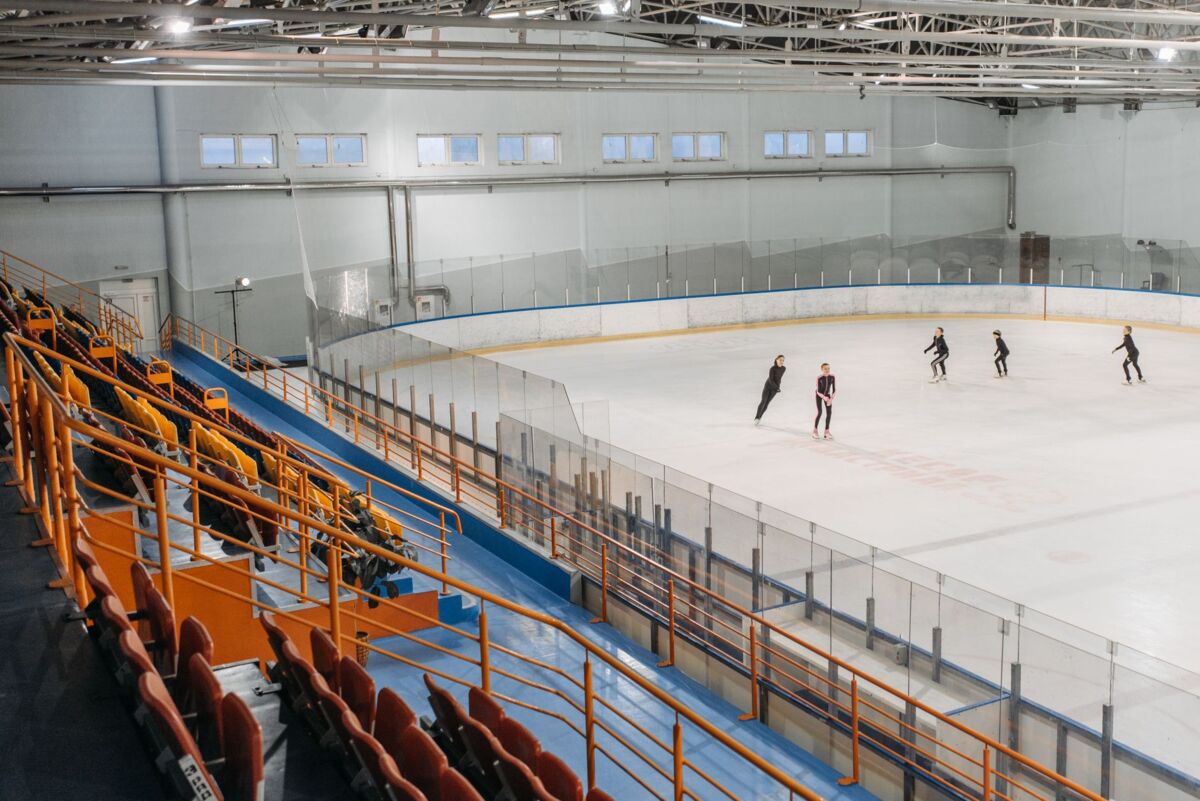
Kallang Ice World sits inside Leisure Park Kallang at 5 Stadium Walk, near the Singapore Sports Hub, and it is currently the island's main real-ice rink. It is air-conditioned and indoors, so you get the genuine cold-and-glide sensation that makes skating feel special, plus a bigger surface for older or more confident kids. Sessions usually run in timed blocks, and skate hire is typically bundled into the entry price. Beginners can cling to the barrier bars at no extra cost, and the rink offers a sturdy support frame on runners, often called a seal, that nervous skaters can lean on or that a small child can sit on while a parent pushes them along. The venue runs lessons from absolute beginner to advanced coaching and takes private bookings for parties, with gallery-style seating for non-skating family. Glove hire is usually available on site, and gloves are commonly required on the ice. Confirm the current hours, session times, prices and what is included on the official site, especially before weekends and school holidays, as skaters per session are capped.
Ice Penguin Skate (synthetic ice)
Ice Penguin Skate is a newer, smaller rink at Clarke Quay Central on Eu Tong Sen Street that uses synthetic ice rather than the frozen kind. Synthetic ice is a plastic surface that lets a blade glide much like real ice, but it is slower, more forgiving and warmer underfoot, which takes the fear out of a first attempt for a cautious or very young child. The space is designed around learning, with classes for general skating, figure skating and even ice hockey led by experienced coaches, and one accompanying parent can usually step onto the surface to steady the under-fives. Booking ahead is the norm here, so reserve through the official Ice Penguin channels first and check the current age bands, session length and what each ticket covers.
Real ice or synthetic ice: which suits your child?
Both are genuinely good fun, and the right one depends mostly on your child's age and nerve. Real ice gives the colder, faster, more authentic experience and a larger area to roam. Synthetic ice is gentler and slower, which can be the difference between a confident first lap and a tearful early exit for a timid child.
- Total beginners and very young children: a forgiving synthetic surface, or a support seal on real ice, both build confidence quickly. Less speed means less fear.
- Kids who want the full winter feel: real ice at Kallang Ice World delivers the cold, the proper glide and the bigger rink to grow into.
- Mixed-age siblings: a real-ice session lets a confident older child explore while a younger one shuffles along the barrier with a frame. Both venues run beginner lessons too, so check age groups and class days first.
What to expect on your first visit
If you have never taken the kids skating before, here is roughly how a session unfolds. You arrive, pay or collect your pre-booking, and are given a timed entry, so turn up a little early. You collect rental skates by telling staff each person's shoe size, hire gloves if you have not brought your own, and grab a locker for bags and shoes. Then you lace up snugly and head to the ice, where the first few minutes are all about standing up and finding balance near the wall before anyone tries to move. Most young children are pleasantly worn out well before the session ends, and both venues have toilets and viewing areas so a non-skating parent can sit with a baby or take a tired toddler for a break.
- Timed sessions: entry is for a set block, not all-day, so plan your arrival and do not dawdle over skate fitting.
- Skate rental: usually included on real ice and bundled into synthetic-ice tickets. Have everyone's shoe size ready.
- Gloves and socks: gloves are commonly required and protect little hands during falls; long socks stop boots rubbing. Both are often sold or hired on site.
- Lockers: bring small change, and stash anything you do not want to carry on the ice.
Suitable ages, lessons and beginner aids
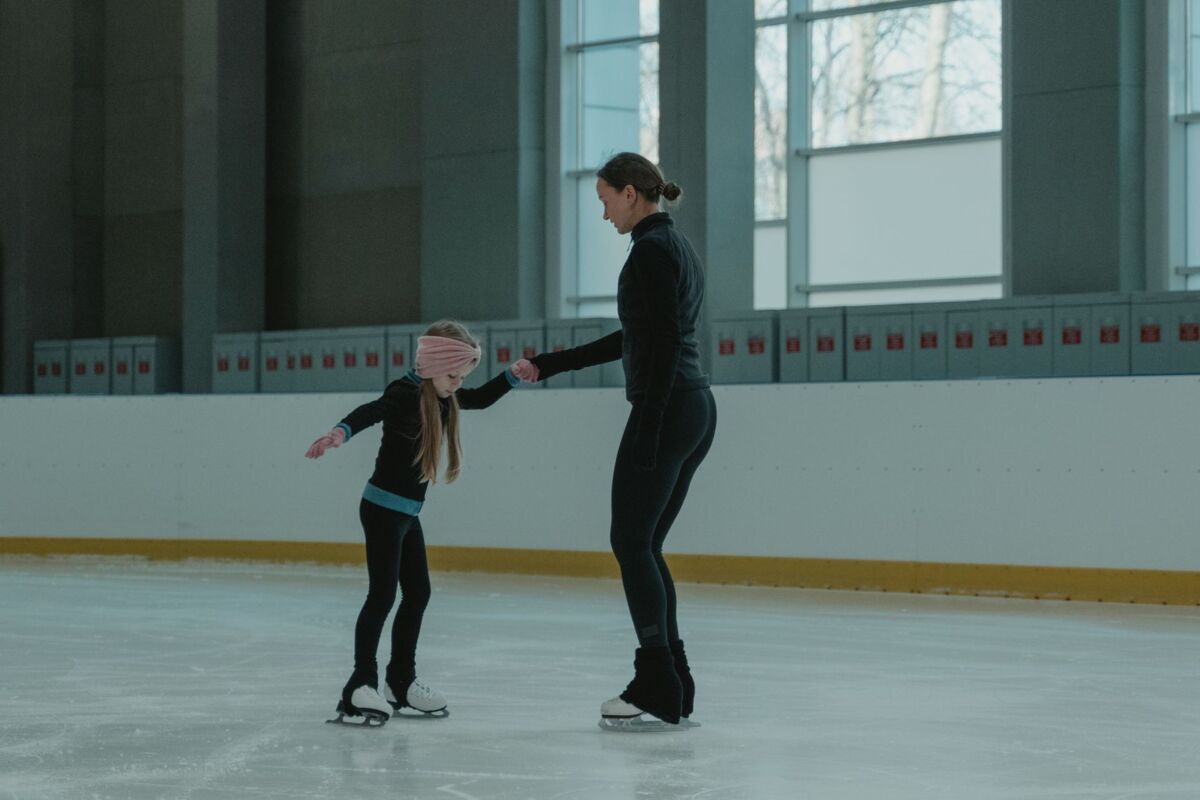
Many children can start around age three or four using a support frame with a parent beside them, and the synthetic surface tends to suit the youngest first-timers best. Minimum ages and class age bands differ between the two venues, so always check when you book. The beginner aids are what make skating realistic for small children: the barrier bars, the seal-style frame on real ice that a child can push or sit on, and the parent allowed onto the synthetic surface to hold a hand. None of it is about being a natural; it is about feeling safe enough to try a second push-off after the first wobble.
On lessons versus free skating, both have their place. A casual free-skate session is perfect for a first taster or for older kids who want to mess about with friends. A structured lesson is worth it once a child is hooked and you want them to stop relying on the frame and learn to glide, stop and turn safely. Lessons at both venues range from absolute beginner to more serious coaching, with holiday programmes during the school breaks. If you are weighing up which sport will stick, our roundups of bouldering and climbing for kids and the gentler fun of bowling with kids make easy companion outings.
What to wear and bring
You do not need to own any gear; the rinks rent the essentials. What you do need to get right is clothing, because real ice rinks are properly cold and falls are guaranteed. The aim is warm, covered and able to move.
- Long sleeves and long trousers: they keep little arms and legs warm and cushion the tumbles. Leggings or track pants are ideal.
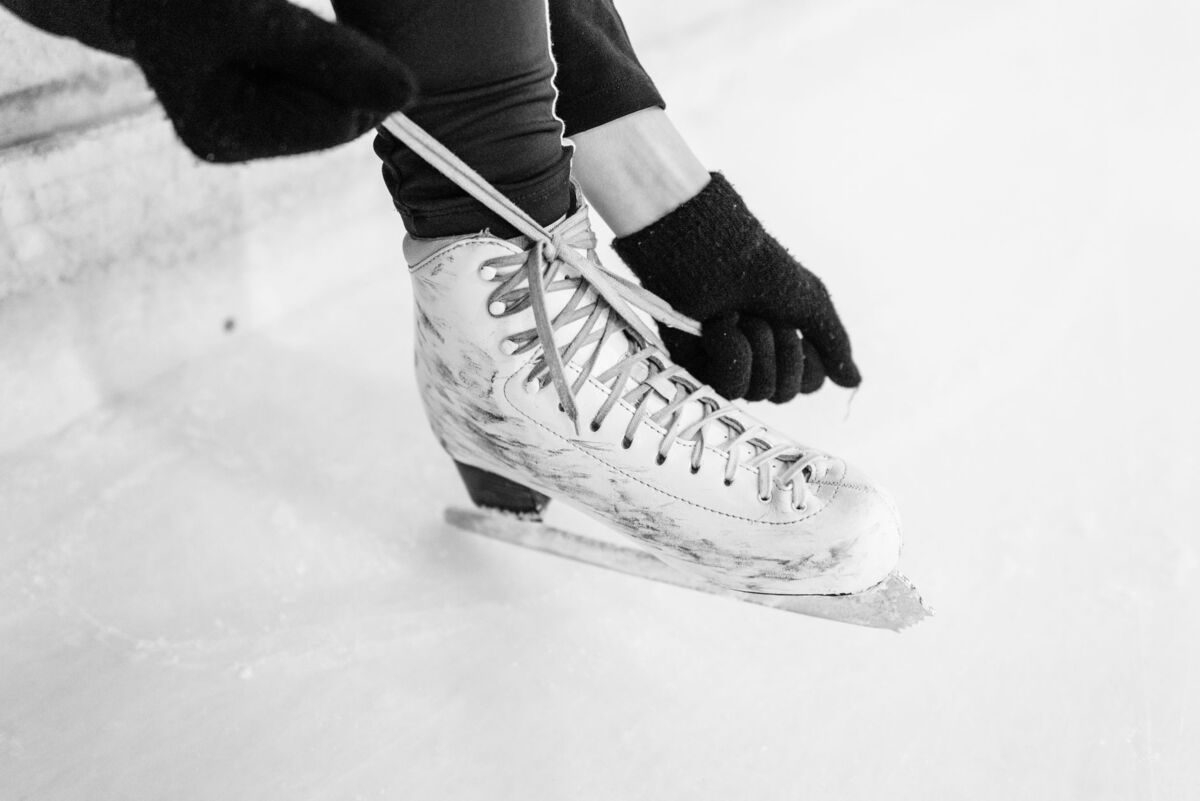
- Gloves: essential for children and sensible for first-time adults too, since hands go down on the ice during a fall and blades are sharp. Hire on site if you forget.
- Long socks above the boot to prevent blisters.
- A light jacket to peel off if a child warms up, plus a small towel and a change of clothes for younger kids, who get damp from falling on real ice.
- Water and a snack: skating is surprisingly tiring, and a hungry, thirsty skater turns grumpy fast.
Safety basics for kids on the ice
Skating is safe and a lot of fun when you set the kids up sensibly, and the golden rule is that falls and a bit of cold are completely normal. Padded up in long sleeves and trousers, most tumbles are harmless. A few habits make the difference.
- Gloves on, always: most rinks require them, and they protect small fingers from blades and the cold surface during falls.
- Helmets for young or unsteady skaters where the rink allows them; check what protective gear is available to hire on site.
- Use the support frame and barrier: there is no rush to push a nervous child into the middle. The wall and the seal frame are what beginners need.
- Skate at the child's pace and stay within arm's reach of little ones.
- Teach a safe fall: fall to the side rather than straight back, keep fingers off the ice, and get up by coming onto one knee first.
Birthday parties and group bookings
An ice rink makes a genuinely fun birthday venue, and both spots cater for it. Kallang Ice World takes private rink bookings, which suits a bigger guest list or a group that wants the place to itself, while Ice Penguin's smaller, learning-focused setup works nicely for younger party crowds where you want close supervision and a gentle surface. Either way, book well ahead for weekends and school holidays, confirm what the package includes, such as skate hire, gloves, a coach or any food, and ask about the maximum number of skaters in your slot. Our guide to planning a kids' birthday party in Singapore covers how venue-based parties like this stack up against the alternatives.
Getting there, timing and what's nearby
Both rinks are easy to reach without a car. Kallang Ice World sits inside Leisure Park Kallang, a short walk from Stadium MRT on the Circle Line, with Kallang MRT on the East-West Line also within reach; the mall has lifts and is stroller-friendly. Ice Penguin Skate at Clarke Quay Central connects to Clarke Quay MRT on the North East Line, so you stay sheltered most of the way in.
On timing, the single best tip is to go early on weekends and during school holidays, because sessions are capped and the popular slots fill up. A weekday session, or the first of the day, is usually quieter for a nervous first-timer. Both venues sit inside malls with plenty of family dining: Leisure Park Kallang is a short stroll from the riverside Sports Hub area, while Clarke Quay Central sits right on the Singapore River with an easy waterfront walk once you are back in your shoes. If the weather scuppers your plans entirely, our roundup of the best playgrounds in Singapore includes plenty of sheltered options.
Frequently asked questions
What age can kids start ice skating in Singapore?
Many children start from around age three or four using a support frame with a parent close by, and the youngest ones often sit on a seal-style frame and get pushed along. The synthetic surface at Ice Penguin tends to suit very young or cautious first-timers. Minimum ages and class age bands differ between the rinks, so check the current details when you book.
Do I need to bring my own skates and gear?
No. Both rinks rent skates, and on real ice the hire is usually included in the entry price. Gloves are commonly required and can normally be hired or bought on site, and other protective gear may be available too. The main thing to bring yourself is warm clothing: long sleeves, long trousers and long socks.
Is ice skating in Singapore suitable for total beginners?
Yes. Barrier bars, seal or penguin-style support frames and beginner lessons mean first-timers are well looked after. The synthetic surface at Ice Penguin is especially forgiving, while real ice at Kallang Ice World offers the classic experience with plenty of support around the edge.
How long does a session last and how long should kids skate?
Sessions are typically timed, often a couple of hours on real ice or around an hour on synthetic. For young children, twenty to thirty minutes of actual skating is plenty for a first visit. Tired legs lead to more falls and meltdowns, so it is fine to take breaks or finish early; you do not have to use the whole slot.
How do I help a nervous first-timer enjoy it?
Start slow and keep expectations low. Let them get used to standing and walking like a penguin near the barrier before anyone pushes off, use the support frame from the start, and stay within arm's reach. Pick a quieter session, keep the first try short, and treat a few wobbly laps holding the frame as a clear win.
Are the prices and opening hours fixed?
No, which is why this guide keeps them general. Admission usually covers a timed session and skate hire, with gloves and socks often required and available on site, but the exact rates, hours, session times, age limits and booking rules change. Always confirm the current details on the operator's official website or social channels before you go.
Planning more indoor fun for a hot or rainy day? Head to our blog hub for more family-tested ideas across Singapore, from playgrounds and parks to weekend activities.

Admiralty Park Family Guide: Singapore's Playground With the Most Slides
Family guide to Admiralty Park, the Singapore playground with the most slides. Play zones by age, inclusive swings, mang...
11 min read
Archery in Singapore: A Family Guide to Beginner Sessions for Kids
Archery in Singapore for families: how beginner sessions work, suitable ages for kids, indoor vs outdoor ranges, safety ...
9 min read
ArtScience Museum Family Guide: Future World, Tickets and Tips for Singapore Parents
A Singapore parent's guide to the ArtScience Museum: Future World with kids, tickets, the Family Friday free-child deal,...
9 min read