

Kid-Friendly Japanese Restaurants in Singapore: A Family Guide
In this article
- Why Japanese food works so well for kids
- The main styles, and which ones kids love
- What about Takumi, Megumi and the more upscale names?
- What to look for when dining with little ones
- A word on raw fish for young children and in pregnancy
- Cost, timing and crowds
- Getting there, facilities and what to bring
- Best for different ages and situations
- Pairing your meal with the rest of the day
- Good to know before you go
- Frequently asked questions
If you have ever opened a menu while a hungry toddler unravels beside you, you already know why Japanese food is one of the safest family bets in Singapore. It leans on rice, noodles and gentle, familiar flavours, the dishes split easily across a table, and most popular spots are casual chains inside malls you already pass through. This guide is for parents feeding fussy eaters: why Japanese dining suits kids, the main styles and which ones little ones love, what to look for when you book or walk in, and the one raw-fish safety point every parent of a young child - or anyone pregnant - should know before ordering.
Why Japanese food works so well for kids
Lots of cuisines are wonderful but hard work with young children. Japanese dining tends to be the opposite. The staples are easy to recognise and easy to like, which means fewer standoffs at the table and more of you actually getting to eat your own meal while it is still warm.
- Rice is everywhere - plain steamed rice, donburi bowls and rice-based sushi give a picky eater a familiar anchor on almost every menu.
- Comforting noodles - udon, soba and ramen are warm, slurpable and simple to portion into a small bowl for sharing.
- Mild, rarely spicy - most dishes are savoury rather than hot, so you can leave off the wasabi and keep things gentle.
- Made for sharing - bento boxes, platters and set meals split neatly so you are not ordering five separate mains for a family of four.
- Built-in entertainment - a moving sushi belt or a tablet to tap is often enough to hold a restless child between bites.
The main styles, and which ones kids love
Not every Japanese restaurant is built the same way, and the format matters as much as the food when you have little ones in tow. Here are the styles you will meet most often and how each one tends to go with children.
Conveyor-belt (kaiten) sushi
This is the family classic for good reason. Plates rotate past your table on a belt, so children point at what they want and watch it arrive, turning the meal into a small event rather than a wait. Many outlets also use touch-panel tablets to order, which most kids find oddly thrilling. The trade-off is that pricing adds up plate by plate, so keep a loose count. Conveyor-belt and tablet-order chains are common across Singapore malls, and some halal-certified concepts exist if that matters for your family. Menus, formats and outlet lists change, so confirm the nearest branch and current offerings on the chain's official channels before you go.
Ramen and noodle shops
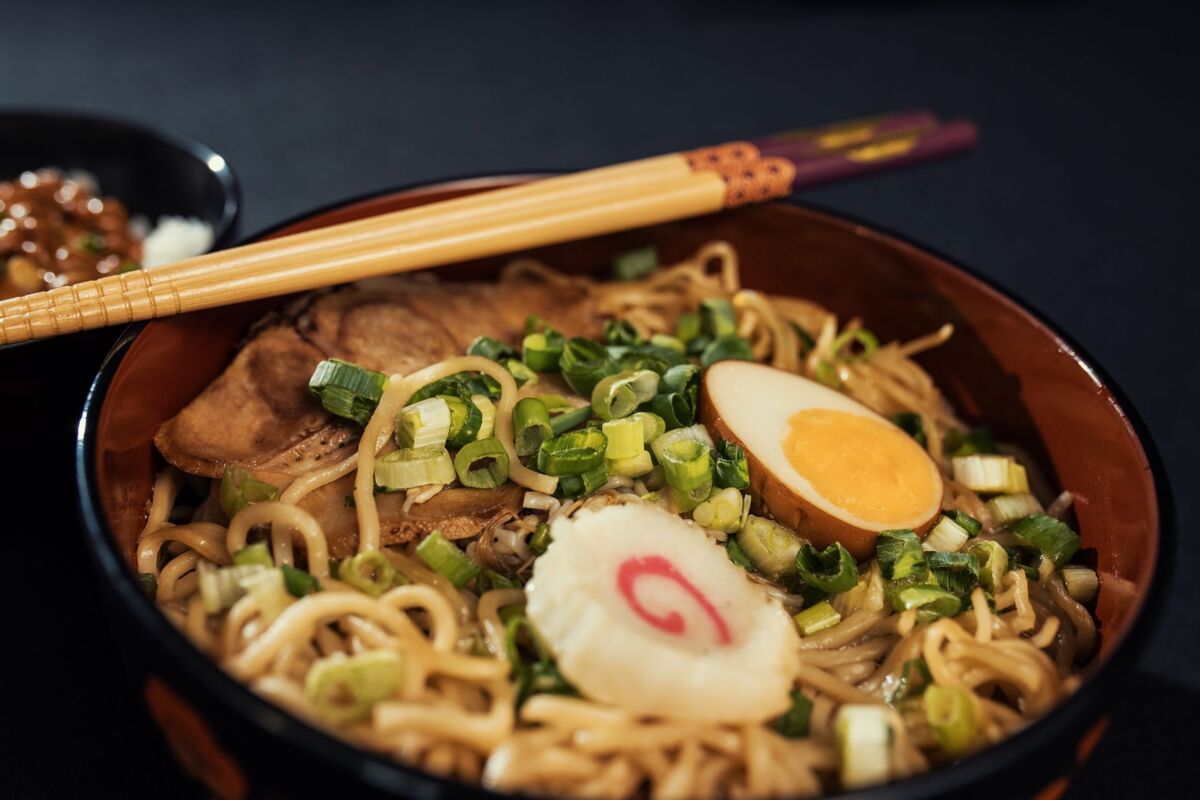
A warm bowl of ramen, udon or soba is comfort food for every age. Broths are usually savoury rather than spicy, and you can often ask for a plainer or milder bowl for a younger child, or split one bowl between two small eaters. Noodle shops tend to be quick, casual and walk-in friendly, which is a real advantage when patience is running low. The catch is heat and slurp-splatter - let hot broth cool, and tuck a bib or spare top into your bag.
Donburi and rice bowls
Donburi means a bowl of rice topped with something tasty - cooked picks like chicken teriyaki, grilled salmon or egg are easy wins. They are filling, single-bowl meals a child can manage with a fork or spoon, and they keep the order simple when you are juggling a baby in one arm and a hungry preschooler at the table. Donburi-and-set-meal chains are some of the most forgiving places to land with kids.
DIY grill: yakiniku and shabu-shabu
This is the underrated family option. At yakiniku (tabletop grill) and shabu-shabu or sukiyaki (hotpot) spots, you cook thin slices of meat and vegetables at your own table. Older children enjoy the hands-on theatre, and you control exactly how cooked everything is. The obvious caution is the hot grill or pot - these suit supervised primary-schoolers far better than crawling babies, so ask for a seat that keeps little hands clear, or save these for when the under-threes are not along.
Casual family chains and teishoku sets
Broad-menu family chains are the reliable workhorses: one place running from sushi and sashimi to ramen, udon, tempura, karaage and teishoku (balanced set meals). Sets are usually good value and let everyone get a complete plate without negotiating. These outlets are typically roomy, mall-based and used to families - a low-stress default when you cannot face a decision.
Food halls and Japanese food streets
Some malls have Japanese food-hall concepts where several stalls share one seating area - ramen at one counter, donburi at another, a sweets stand nearby. These are brilliant when the family wants different things: nobody compromises and you graze across stalls. They are casual too, so a noisy toddler blends right in.
What about Takumi, Megumi and the more upscale names?
If you have been searching names like Takumi or Megumi, it helps to know that many of Singapore's best-reviewed Japanese restaurants are pitched at adults - omakase counters, teppanyaki, robatayaki charcoal grills and quiet, refined rooms built for a date night rather than a Tuesday lunch with a pram. That does not rule them out for families, but it does change the playbook. If you want to take children somewhere more special, call ahead and ask three things directly: whether they welcome young children at all, whether they can offer a private room or a quieter corner, and whether there is something simple and cooked a child will actually eat. Lunch sittings are often calmer and better value than dinner. Because hours, menus and house policies at these venues change, verify on the restaurant's own website or by phone rather than trusting an old listing.
What to look for when dining with little ones
Two restaurants serving the same food can feel completely different with a toddler at the table. A few practical checks make the experience far smoother.
- High chairs and space - larger mall outlets generally have more room for a pram plus a high chair on request, but stock varies by branch. If a high chair is essential, ring the specific outlet before you go.
- Stroller and lift access - mall locations are almost always lift-accessible and step-free, which beats squeezing a buggy into a tight standalone shopfront.
- Seating type - booth or corner seating contains a wandering toddler far better than a stool at a narrow counter. Belt-side counter seats are fun but offer little space for a high chair.
- Speed of food - belt sushi, noodle bars and donburi counters get food down fast, which is a genuine advantage with a child at the edge of a meltdown.
- Kids' portions and not-too-spicy - ask whether smaller portions or a children's set exist, and flag if you want a dish kept mild or plain.
- Allergies and cross-contamination - if your child has a seafood, egg, soy or gluten allergy, check directly with staff. Soy and dashi turn up widely, and shared fryers and grills mean cross-contamination practices vary by outlet.
A word on raw fish for young children and in pregnancy
This is the one safety point worth slowing down for. Singapore's Food Agency advises that vulnerable groups - young children, pregnant women, the elderly, and people with chronic conditions such as diabetes - should avoid eating raw fish altogether, because raw fish skips the cooking step that kills harmful microbes and parasites. HealthHub gives the same steer for pregnancy and recommends cooked fish such as salmon over raw. The happy workaround is that Japanese menus are full of cooked, kid-friendly choices: tamago (cooked egg), cucumber or avocado maki, cooked prawn or crab-stick rolls, chicken karaage, teriyaki, katsu, udon and donburi all sidestep raw fish completely. Save the sashimi for the grown-ups. See the official guidance linked in our sources below.
Cost, timing and crowds
Japanese dining in Singapore spans a wide price range, from wallet-friendly donburi sets to belt sushi that quietly climbs as plates stack up, to omakase that is firmly a special-occasion spend. With kids, casual chains and set meals give you the most predictable bill. On timing, the best move is to arrive off-peak: an early lunch around 11.30am or an early dinner around 5.30pm means shorter queues, calmer staff and food that lands before hunger turns to tears. Weekday meals are gentler than the weekend rush. If a place takes bookings, use them; if not, going early is your queue insurance.
Getting there, facilities and what to bring
The beauty of Japanese food here is that you rarely need a special trip - most of these chains live inside MRT-connected malls, so a meal slots neatly into your day. Mall locations also tend to have the family infrastructure that makes outings survivable: nursing rooms, diaper-change facilities and family toilets are common in the larger centres, so check the mall directory if a feed or change is likely mid-meal. Parking is usually on-site at malls but hit-or-miss at standalone shops, so factor that in if you drive. As for what to pack, the short list rarely fails: a bib, a spare top, a small toy or your child's own cutlery, wet wipes, and a snack to bridge any wait.
Planning a whole family day? Pair a mall Japanese lunch with something nearby - many of these malls also have a kids' play zone or sit a short ride from a park, so you can turn one meal into an easy outing.
Best for different ages and situations
- Babies and crawlers - casual mall chains and food halls with booth seating, high chairs and quick service; skip DIY grills with hot pots within reach.
- Toddlers and preschoolers - conveyor-belt sushi and noodle bars win on speed and entertainment; keep cooked, mild picks coming.
- Primary-schoolers - yakiniku and shabu-shabu come into their own, with kids old enough to cook at the table under supervision.
- Rainy-day backup - mall-based spots are the perfect wet-weather plan: dry, indoors and close to a playground or cinema.
Pairing your meal with the rest of the day
A Japanese lunch is an easy anchor for a bigger outing. If your child has dietary needs, our guide to allergy-friendly eating in Singapore has tips for ordering out. Craving something sweet? Browse the best desserts in Singapore or our best ice cream in Singapore round-up. For bottomless weekend appetites, our pick of family buffets in Singapore is worth a look, and the eat hub has more.
Good to know before you go
Opening hours, menu items, kids' meal deals and prices change often and vary by outlet, so we have kept this guide general on purpose. Before heading out, check the restaurant's official website or call the specific branch to confirm hours, whether they take bookings, and any current family promotions. It is always better to ring ahead than to arrive with a hungry child to a full house - or to a restaurant that turns out not to welcome little ones.
Frequently asked questions
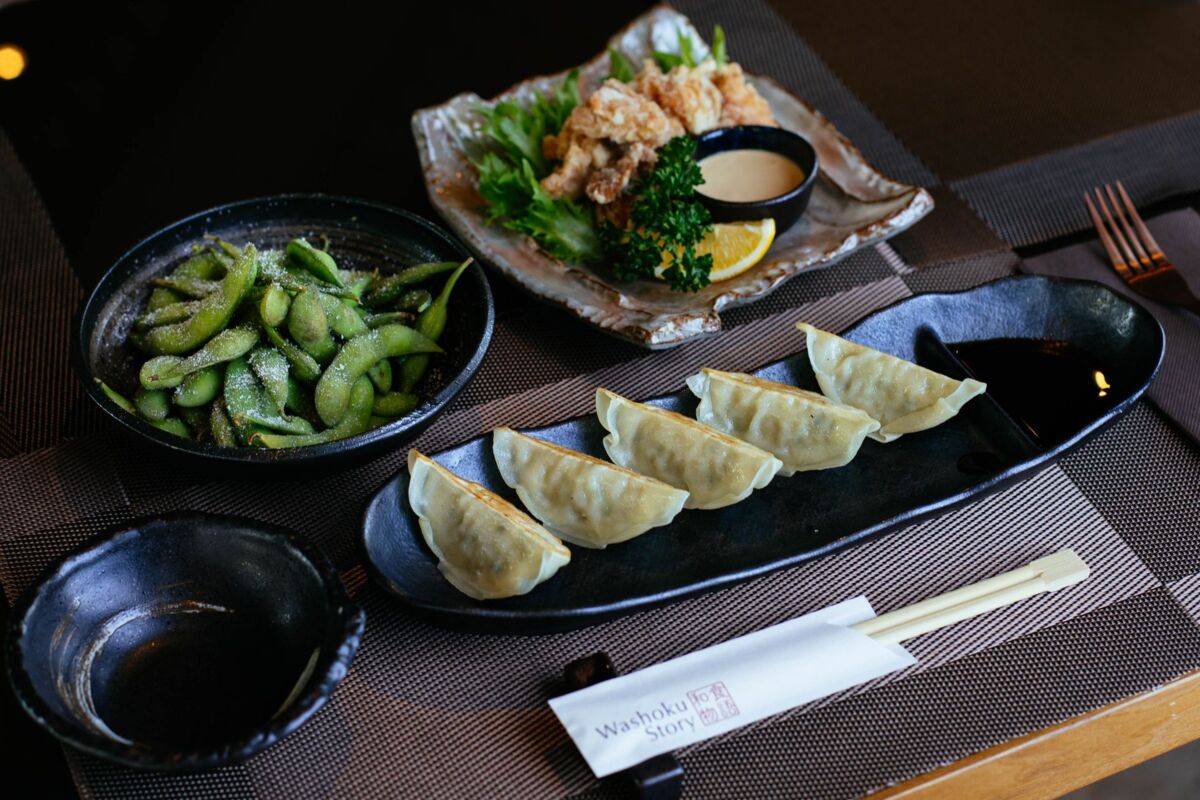
What is the easiest Japanese meal to order for a fussy eater?
Plain steamed rice, a mild udon or ramen, chicken karaage, and a few cooked sushi pieces such as cucumber maki, tamago (egg) or cooked prawn. These appear on most menus, are gentle on small palates, and avoid raw fish and strong flavours entirely.
Can my child or I eat sushi if it has raw fish?
Singapore's Food Agency advises young children, pregnant women and other vulnerable groups to avoid raw fish altogether, because it skips the cooking step that kills harmful microbes and parasites. Stick to cooked options - tamago, cucumber or avocado maki, cooked prawn, chicken karaage, katsu, teriyaki and donburi - and check the official guidance in our sources if you want the detail.
Are conveyor-belt sushi places good for toddlers?
Generally yes. The moving belt and tablet ordering keep little ones engaged, food arrives quickly, and there are usually plenty of cooked, mild options. Choose a larger mall outlet for more space and high chairs, and keep a rough count of plates so the bill does not surprise you.
Which Japanese dining style is best with a baby?
Casual mall chains, donburi-and-set-meal spots and food halls with booth seating tend to be easiest - they are roomy, used to families, and quick. Save DIY grills like yakiniku and hotpot for when children are older, since a hot grill or pot at table height is a hazard for crawlers and toddlers.
Do these restaurants have high chairs and changing facilities?
Many mall-based outlets have high chairs, but availability differs by branch, so call ahead if one is essential. For changing and feeding, the larger malls these restaurants sit in usually have nursing rooms, diaper-change stations and family toilets - check the mall directory when you arrive.
Is Japanese food expensive for a family?
It ranges widely. Donburi sets and casual chains are the most budget-friendly and predictable, conveyor-belt sushi can creep up as the plates stack, and omakase or fine-dining venues are a special-occasion spend. Prices change often, so confirm current pricing on the restaurant's own channels, and browse our tools to help plan the rest of your day out.
Gluten Free and Allergy-Friendly Eating Out in Singapore: A Parent's Guide
A practical parent's guide to gluten free and allergy-friendly eating out in Singapore: allergens, hawker safety, talkin...
9 min read
Cat Cafe Singapore: A Family Guide to Animal Cafes
A parent's guide to the cat cafe Singapore scene and animal cafes: how they work, age rules, etiquette, welfare, and wha...
10 min read
Bak Kut Teh in Singapore: A Family Guide to the Comforting Pork Rib Soup
A parent's guide to bak kut teh in Singapore: peppery vs herbal styles compared, what to order for kids, spice tips and ...
10 min read