

Laser Tag in Singapore: A Family Guide for Kids, Tweens and Teens
In this article
- How laser tag actually works
- Indoor, outdoor or mobile: choosing the right type
- Where families find laser tag in Singapore
- Who it suits: ages, equipment and readiness
- What to wear and bring
- What to expect on your first game
- Birthday parties and group bookings
- Logistics: getting there, parking and timing
- Good to know before you book
- Frequently asked questions
If your tween has outgrown the playground but still has energy to burn, laser tag in Singapore hits a sweet spot. It is fast, team-based and genuinely exciting, yet there is none of the painful impact you get with paintball. Players wear light-sensing vests and carry infrared taggers, so getting hit just means a beep, a flash and a few seconds out of action. That makes it one of the easier active outings to say yes to for a mixed group of kids, cousins and even reluctant grown-ups. This guide is built around how to choose the right kind of game for your family, rather than a list of venues that change every year.
How laser tag actually works
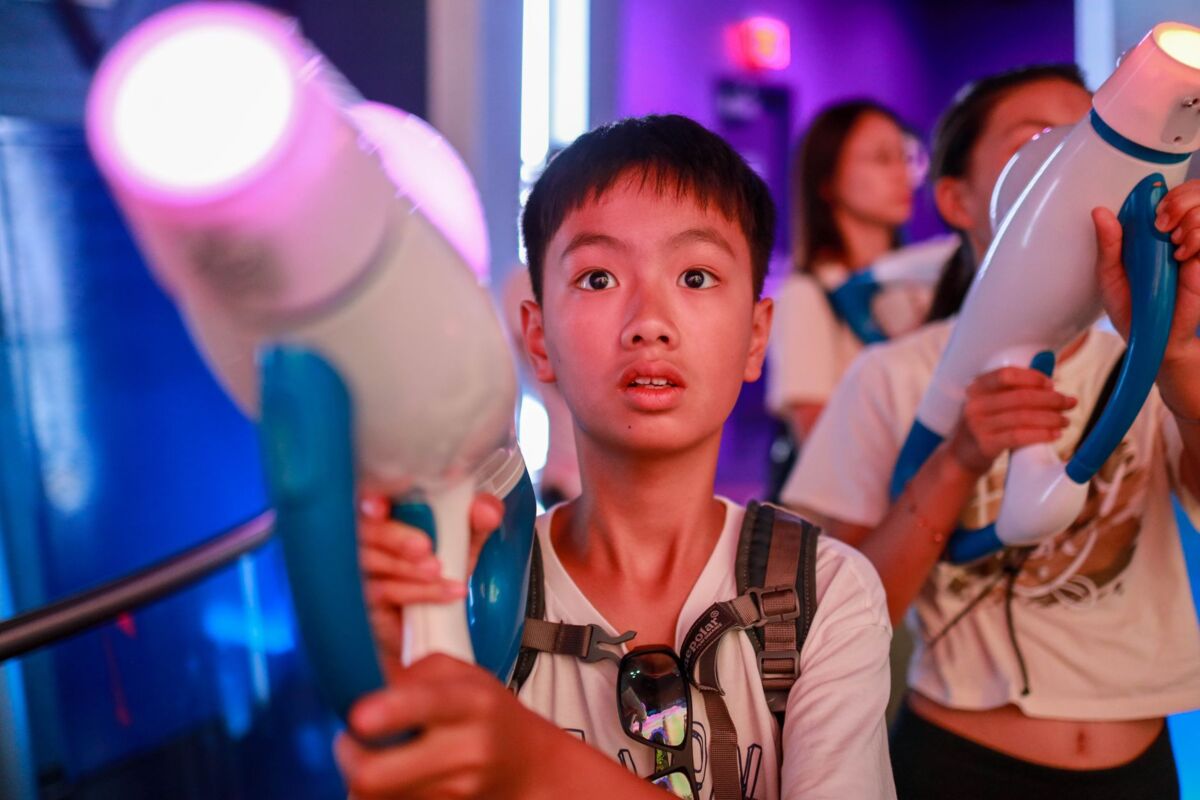
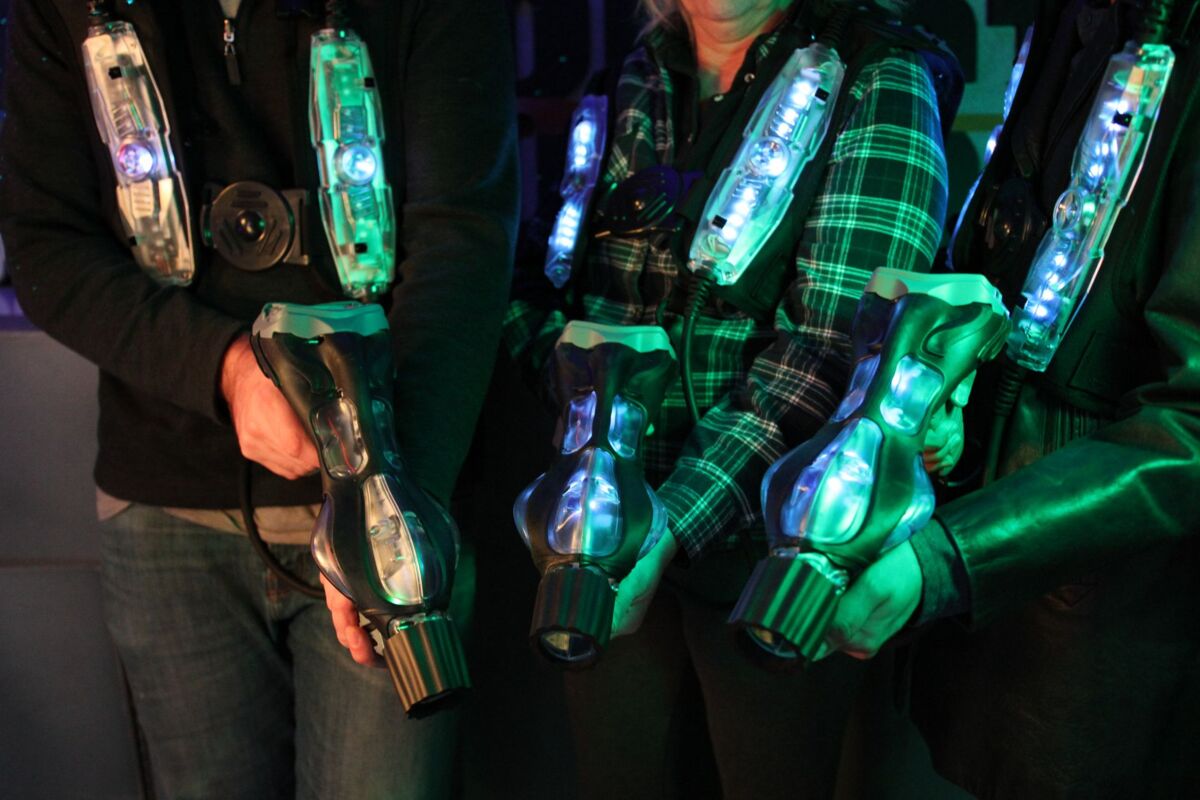
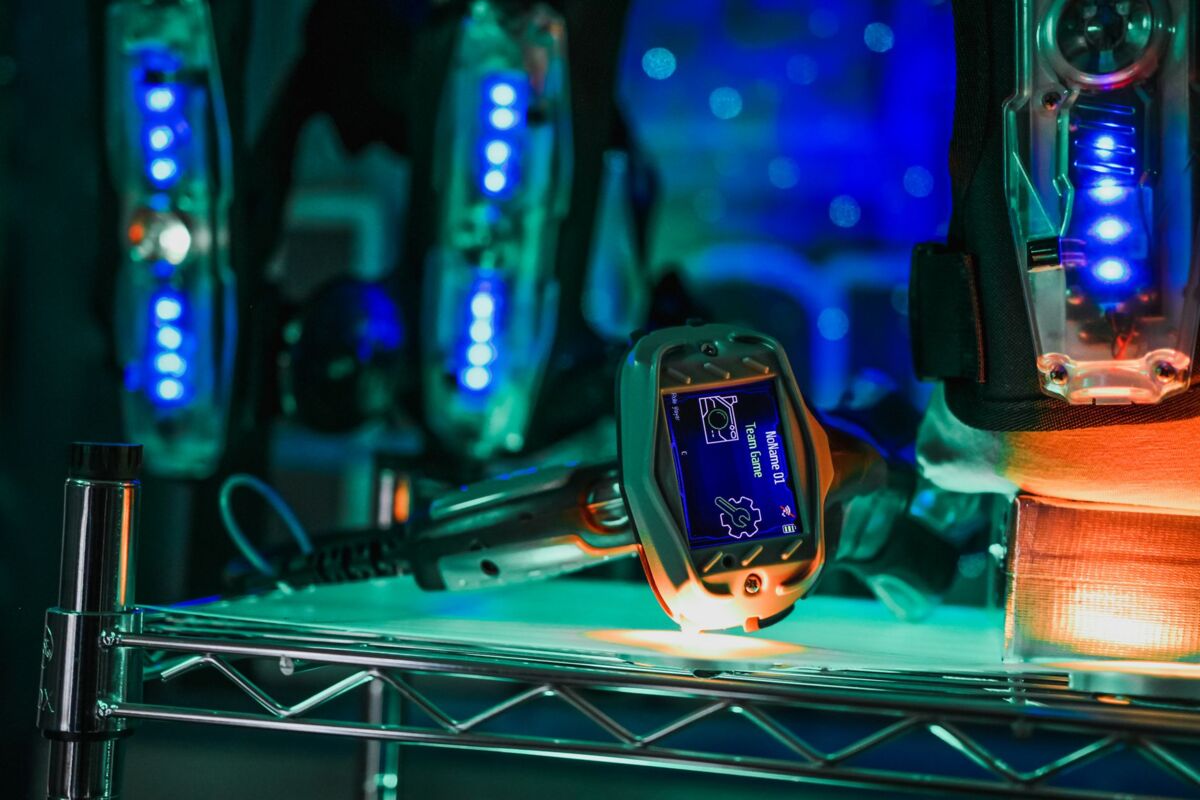
Despite the name, there are no real lasers and nothing that hurts. The taggers fire harmless infrared beams, the same kind of light a TV remote uses. Each player wears a vest or sensor pack that registers a hit when a beam lands on it. When you get tagged, your vest reacts and your tagger is briefly disabled, so you take cover and regroup before you can fire again. There are no projectiles, no paint and no physical contact, which is exactly why it sits so comfortably in the family-friendly zone.
Games are usually team-based. Players split into squads and work together to tag the other side, often chasing a score target or set objectives like capturing a flag or defending a point. Round length and game modes vary by operator, and groups typically play several rounds so everyone settles into the flow. The format rewards teamwork and a bit of strategy as much as quick reflexes, which is why it works across a wide age range and why a quieter child can still shine by playing the objective.
Indoor, outdoor or mobile: choosing the right type
This is the decision that shapes your whole outing. Singapore broadly offers three formats, and the best one depends on your group size, your child's age and the time of year. Rather than memorising who runs what, understand what each type is good at.
Indoor arenas
Indoor laser tag is played in a darkened, maze-like arena with walls, ramps and hiding spots, often dressed up with neon paint, themed lighting and atmospheric haze. Many indoor venues are air-conditioned, weatherproof and immersive, a real bonus on a sweltering or rainy Singapore afternoon. The enclosed layout keeps younger players easier to supervise and tends to suit smaller groups well. Because it is sheltered, it is also the most reliable choice when you cannot risk a washout, such as a booked birthday party. Facilities and effects differ a lot between arenas, so check the operator's site for the layout and any seating for waiting parents.
Outdoor and field games
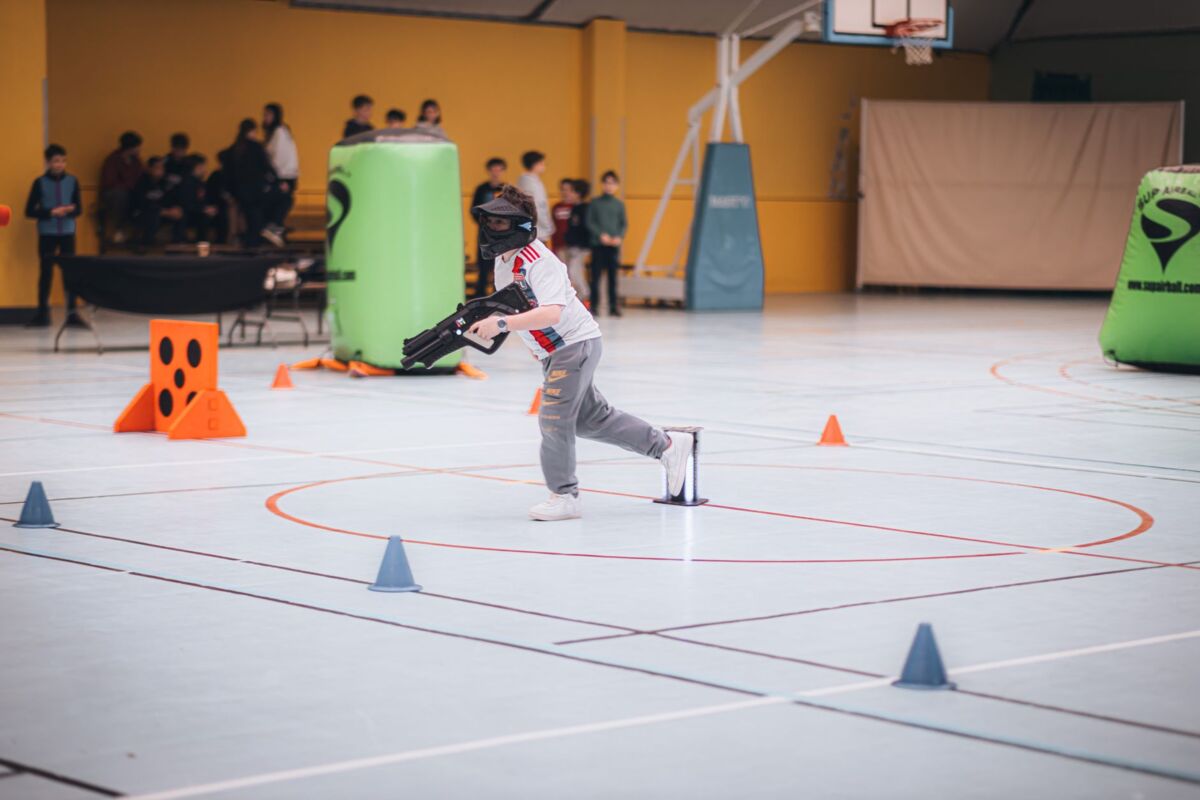
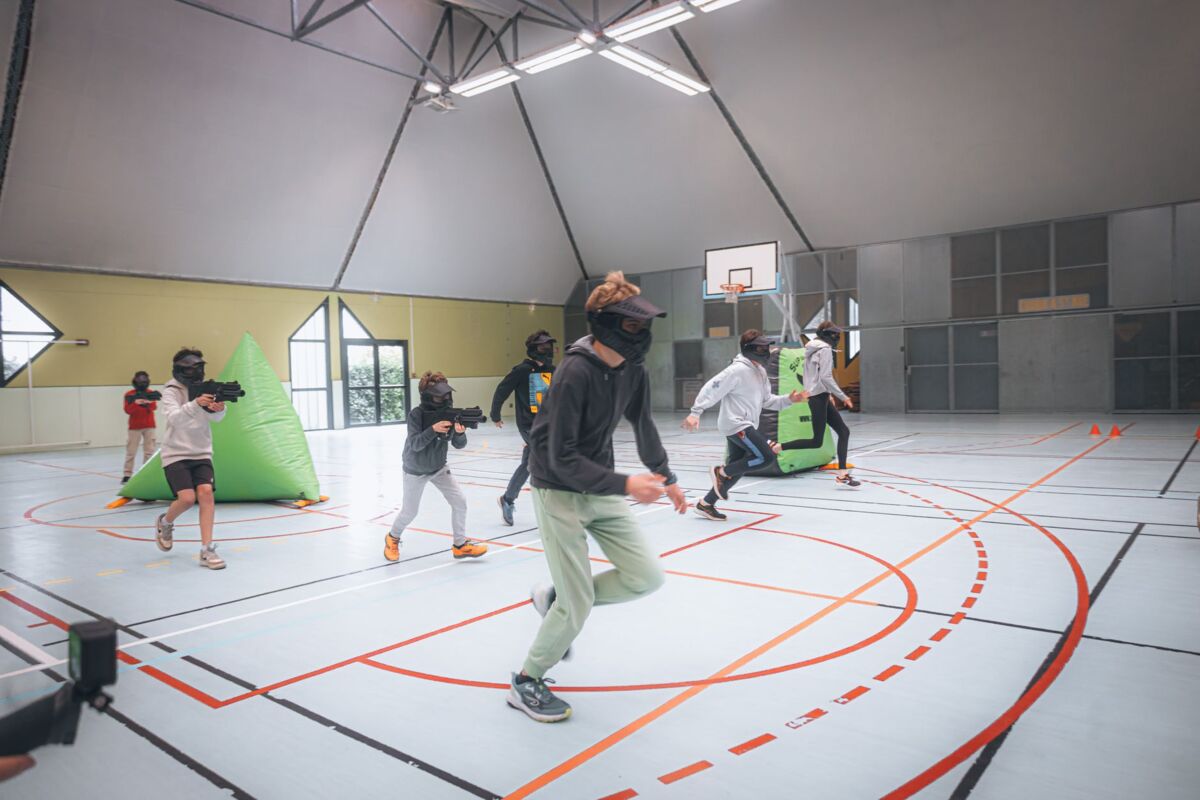
Outdoor laser tag is played on open fields, sheltered void decks or function spaces, sometimes with inflatable bunkers for cover. It gives more room to run, longer sightlines and a bigger, more physical experience that older kids and teens often love. The trade-offs are real: outdoor games usually need a minimum group size to be worth setting up, and they are weather-dependent, so plan a wet-weather backup and factor in heat, sun and plenty of water.
Mobile laser tag (they come to you)
Mobile operators bring the gear, the markers for cover and a game master to a location you arrange, which is brilliant for larger parties. People book mobile setups at condo function rooms, multi-purpose halls, community spaces, sheltered void decks and sports halls. It saves you herding a big group across the island, and the staff handle the setup and briefing. The catch is that mobile games tend to need a higher minimum number of players and you are responsible for securing a suitable, permitted space, so confirm the venue rules and any approval needed well before the date.
Where families find laser tag in Singapore
Knowing the categories makes it easier to start your search. Fixed indoor arenas are the most obvious, and some sit inside larger recreation hubs. Lifestyle clubs such as HomeTeamNS and SAFRA outlets have historically hosted laser tag or similar active attractions, handy if you are a member or live nearby. Mobile operators cover the rest of the island by coming to you. Because venues open, move, rebrand and close, treat any list you find online as a starting point and confirm directly with the operator.
- Fixed indoor arenas: dedicated, weatherproof spaces, often air-conditioned and themed.
- Recreation and lifestyle clubs: HomeTeamNS and SAFRA hubs sometimes feature laser tag or similar attractions alongside other family facilities.
- Outdoor and field venues: paintball parks, fields and open spaces that also run laser tag.
- Mobile operators: bring the kit to a venue you book, ideal for bigger parties.
Who it suits: ages, equipment and readiness
Laser tag is a great fit for older kids, tweens and teens, and plenty of parents enjoy joining in too. It is active and lightly competitive, so it suits children who can follow a safety briefing, stay aware of others in a busy space and handle a short stretch of running around in the dark or outdoors. A child who finds loud, dim, fast-moving spaces overwhelming may prefer a daytime outdoor field over a strobe-lit arena, so weigh temperament as well as age.
Minimum ages vary widely, roughly from around four to six at the younger end up to ten or more at others, and some venues add a height requirement so equipment fits safely. Many providers offer lighter taggers or smaller grips for younger children, which helps if your child tires quickly carrying a heavier unit. Do not assume; always check the operator's official website for current age, height and equipment rules before you book.
- Younger kids: look for operators with lighter equipment, and confirm the minimum age before booking.
- Tweens and teens: the core audience, ideal for birthdays and holidays, and the group that gets the most out of larger outdoor games.
- Mixed family groups: team modes let adults and kids play on the same side, so a confident older cousin can buddy up with a cautious younger one.
- Bringing a much younger sibling: check whether they can join, or whether you will need someone to mind them in a waiting area during the game.
What to wear and bring
This is the part most guides skip, but it is the difference between a smooth game and a grumpy child. Dress everyone for movement, and treat footwear as the single most important item.
- Covered, closed shoes with grip, never slippers or sandals; there is a lot of quick stopping, turning and crouching behind cover.
- Comfortable, breathable clothes you can move and sweat in; long sleeves help with mosquitoes outdoors, lighter layers suit a hot field.
- A water bottle for each child, because it is more of a workout than it looks.
- A small towel and change of top for outdoor sessions, plus sun protection and insect repellent.
- Tied-back long hair and no dangling accessories that could catch; leave loose jewellery at home.
- Glasses are usually fine; ask the operator if they have any rules around them.
What to expect on your first game
Arrive a little early so there is time to check in and gear up without rushing. Staff run a safety briefing first, covering the rules, how the tagger and vest work, and what is not allowed: no running into people, no climbing on the markers and no physical contact. Then teams are set, vests go on and you head in. The first round is always a little chaotic as everyone learns the space; by the second or third, kids find their rhythm and the close calls get funnier.
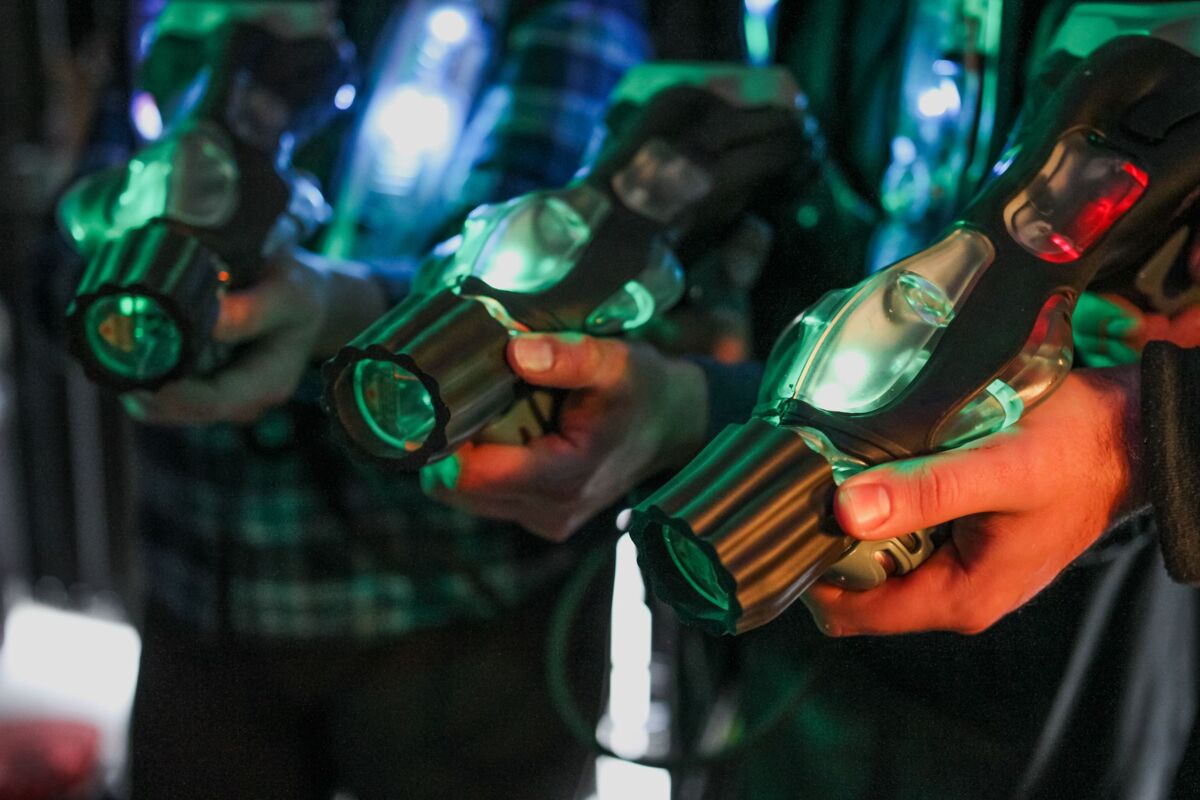
- Check in, store bags and put on your vest and tagger.
- Listen to the briefing and make sure your kids understand the no-contact rules.
- Play your first round to learn the space, then improve over the next rounds.
- Cool down, hydrate and swap stories about the near misses.
For an air-conditioned indoor session you will be comfortable throughout. For outdoor play, build in time to cool down between rounds and keep the water flowing. If you would rather start gentler, an afternoon of bowling with the kids or a session of archery for families makes a good warm-up before a more energetic tag game.
Birthday parties and group bookings
Laser tag is a popular birthday choice because it burns energy, scales to a group and needs almost nothing from you beyond cake. Operators commonly offer party packages that bundle several rounds, a private slot or room, a dedicated game master and sometimes extras like score printouts or simple decorations. Mobile providers can run the whole thing at a venue you secure, keeping a big guest list in one place.
- Confirm headcount rules early: parties and outdoor or mobile games often have a minimum, and pricing usually scales per additional child.
- Ask what is included: rounds, briefing, exclusive use of the space, time for cake, and whether a party room or shaded rest area is provided.
- Plan for non-players: check there is somewhere for younger siblings and waiting parents to sit.
- Book well ahead for weekends, school holidays and birthdays, since the best slots go first.
Logistics: getting there, parking and timing
A little planning here saves a lot of stress on the day. Because operators move and rebrand, look up the exact address and nearest MRT or bus on the venue's own site or a maps listing before you set off, and confirm whether it is a fixed location or a mobile booking. Many arenas sit inside larger complexes or industrial buildings, so the entrance is not always obvious; check arrival photos or call ahead.
- Parking: check whether the venue or surrounding mall has carpark access, or whether public transport is easier for your group.
- Crowd timing: weekday afternoons and earlier weekend slots are usually quieter than late weekend bookings and school-holiday peaks.
- Rainy-day backup: for an outdoor game, hold a sheltered or indoor alternative in reserve, or ask the operator about their wet-weather policy.
- Facilities: confirm toilets, drinking water and seating for parents, especially for a long party session.
If a downpour scuppers your outdoor plan, have a wet-weather list ready. An indoor visit such as the ArtScience Museum or some indoor bouldering and climbing keeps the energy up under cover. For more active ideas, browse our play hub.
Good to know before you book
- Prices and hours change, so confirm rates, session length and walk-in versus pre-booking on the official site, not third-party listings.
- Group sizes: outdoor and mobile games often need a minimum, while some indoor venues happily take smaller groups; check first.
- Minimum age and height: these vary a lot by operator and equipment, so verify them for your youngest player before you commit.
- Ask about facilities and supervision: toilets, water, parent seating, and whether trained staff run the briefing and watch the floor.
- Book ahead for weekends, school holidays and birthday parties, as popular slots fill quickly.
Frequently asked questions
Does laser tag hurt?
No. It uses harmless infrared light and sensor vests, so being tagged does not hurt at all, unlike paintball. There are no projectiles and no physical contact; the main rule is that players must not run into or touch each other.
What age can kids start laser tag?
It depends entirely on the operator. Minimum ages range roughly from around four to six at the younger end up to ten or more elsewhere, and some venues also set a height requirement so the equipment fits safely. A few offer lighter taggers for smaller children. Always check the venue's official website for its current age and height rules before booking.
Indoor or outdoor for a first try?
For a first game with younger kids, an air-conditioned indoor arena is often easier: weatherproof, contained and simple to supervise. Larger groups and older kids who want room to run may prefer an outdoor field, as long as you have a wet-weather backup.
What should my child wear?
Comfortable clothes they can move and sweat in, plus closed covered shoes with grip, never slippers. Tie back long hair, skip loose jewellery, and bring a water bottle. For outdoor games, add sun protection, insect repellent and a change of top.
How long does a laser tag session last?
Individual rounds are short and groups play several back to back, so a typical outing runs from part of an hour up to a couple of hours including the briefing, gearing up and breaks. Exact session lengths differ by operator and package, so confirm when you book.
Looking for more weekend plans? Explore our play and what's on pages for family outings across Singapore.

Admiralty Park Family Guide: Singapore's Playground With the Most Slides
Family guide to Admiralty Park, the Singapore playground with the most slides. Play zones by age, inclusive swings, mang...
11 min read
Archery in Singapore: A Family Guide to Beginner Sessions for Kids
Archery in Singapore for families: how beginner sessions work, suitable ages for kids, indoor vs outdoor ranges, safety ...
9 min read
ArtScience Museum Family Guide: Future World, Tickets and Tips for Singapore Parents
A Singapore parent's guide to the ArtScience Museum: Future World with kids, tickets, the Family Friday free-child deal,...
9 min read