

Pickleball in Singapore: A Family Guide for Parents and Kids
In this article
- What is pickleball, really?
- Why pickleball works so well for families
- The basic rules, in plain English
- Where families can play in Singapore
- What age can kids start, and how to begin
- Beating the heat: weather, timing and safety
- What gear do you actually need?
- Court etiquette and booking know-how
- Tips for a great first family session
- Rainy-day and backup plans
- Frequently asked questions
- The bottom line
Pickleball has gone from a sport almost nobody could name to the thing half your group chat is suddenly booking courts for, and there is a good reason it has caught on with Singapore families. It is quick to learn, easy on the body, cheap to try, and one of the rare games where a Primary 2 kid, a worn-out parent and an active grandparent can genuinely rally together on the same court. This guide is for parents who want to give it a go with the children: what it is, where to play, how to start kids, the gear you need, and the small things that make a first family session fun rather than frustrating in the heat.
What is pickleball, really?
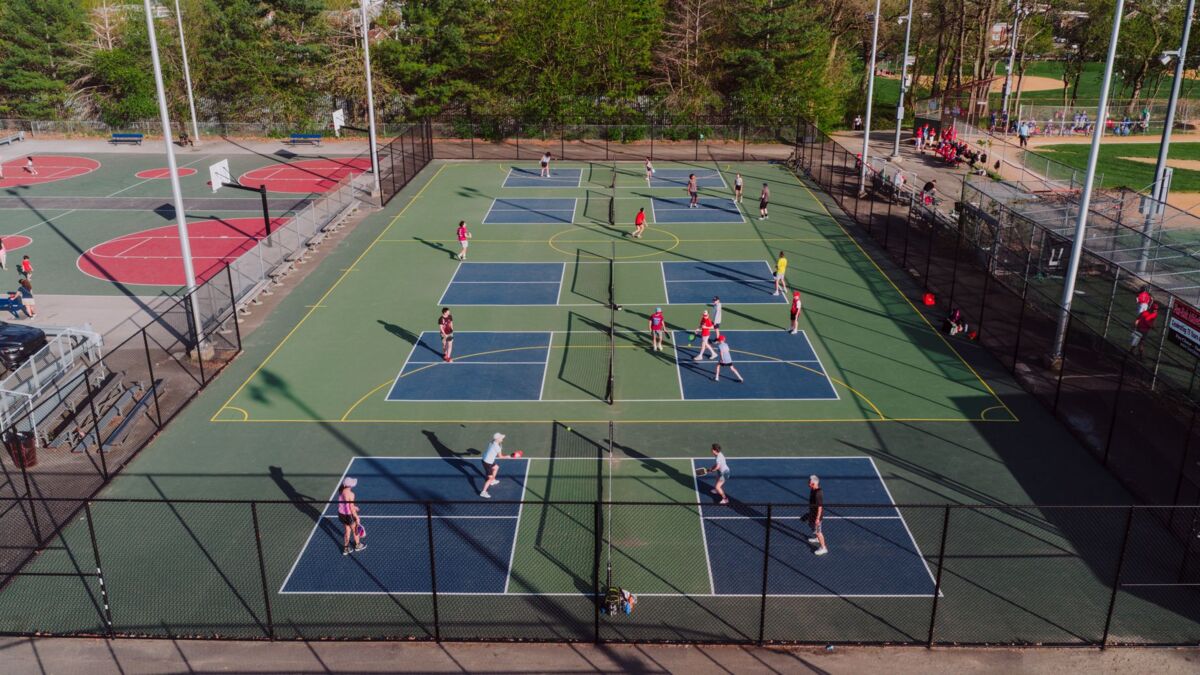
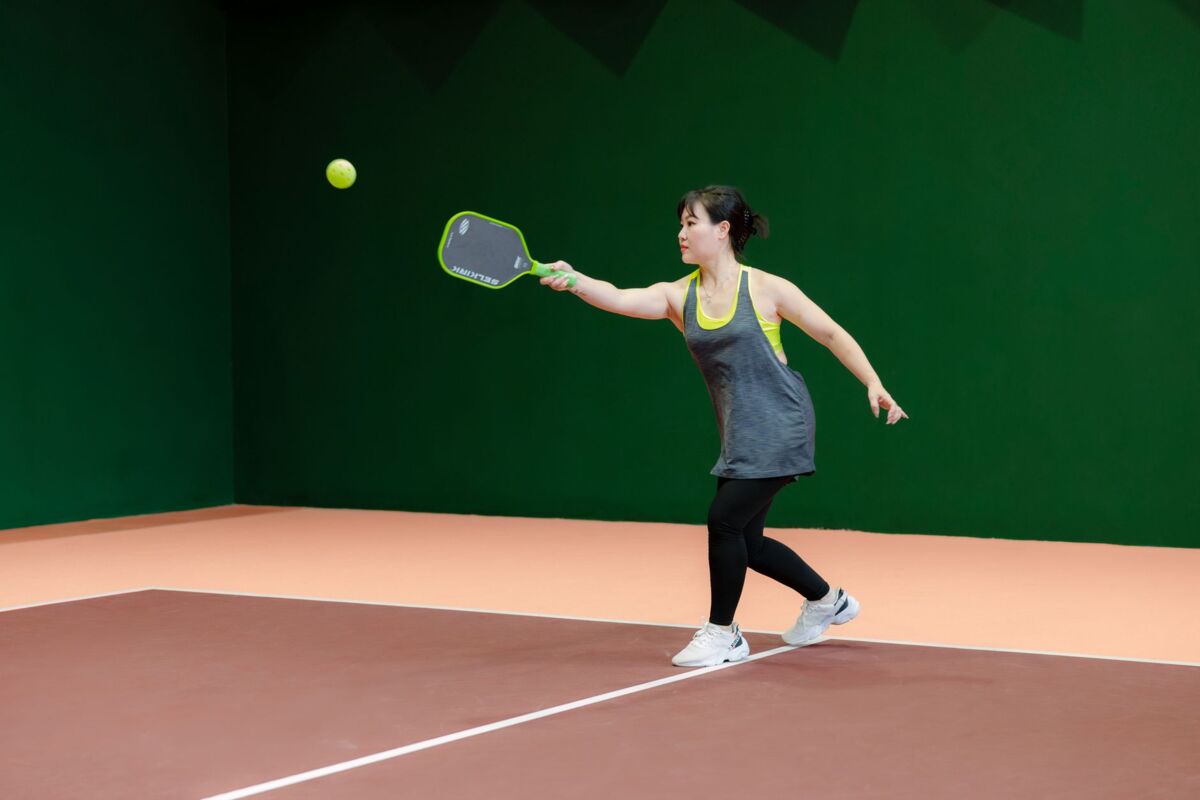
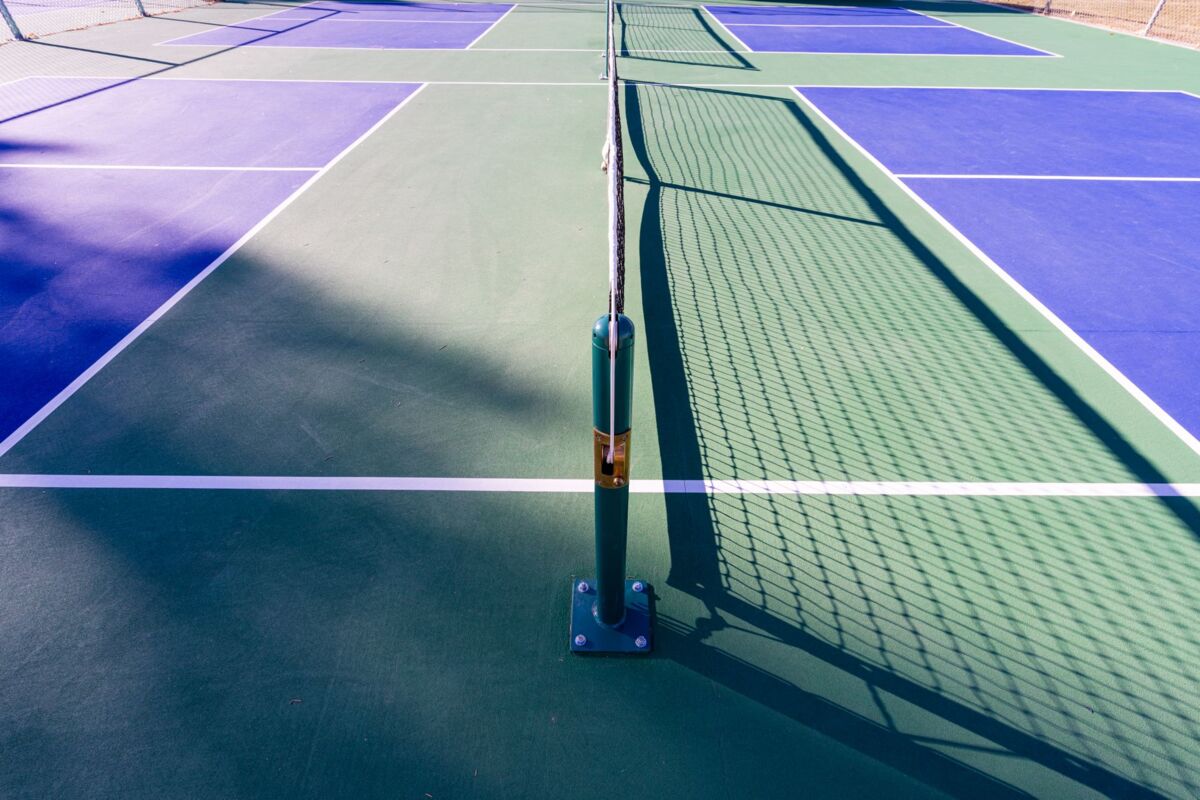
Pickleball is a paddle sport that blends bits of tennis, badminton and table tennis. You hit a light, perforated plastic ball (think of a wiffle ball with holes) using a solid paddle that sits between a table-tennis bat and a tennis racket in size. The court is roughly the dimensions of a badminton court, with the net set a touch lower than a tennis net. Because the ball is slow and the court compact, beginners are not run ragged chasing shots, which is why first-timers keep a rally going within minutes. Most casual games are doubles, which spreads the running around and makes it sociable, and a forgiving ball plus a partner to share the work is what makes it feel approachable from the very first hit.
Why pickleball works so well for families
Plenty of activities claim to be family-friendly. Pickleball earns it, for a few practical reasons:
- Genuinely easy to learn: the slower ball and smaller court mean your first hour is spent playing real rallies, not retrieving balls.
- Low-impact: far less sprinting and pounding than tennis or running, so it is kinder on knees and growing joints.
- Truly mixed-age: placement and timing matter more than raw power, so a child, a parent and a grandparent can play a real game together rather than one person carrying it.
- Builds good habits: doubles rewards talking to your partner, calling shots and sportsmanship.
- Affordable to try: public and community courts cost little, and a basic paddle set is cheap, so you can test it before committing.
The basic rules, in plain English
You do not need a rulebook to start. A few quirks are worth knowing so the first session runs smoothly, and kids usually pick these up within a single visit:
- The serve is underhand and diagonal. You hit the ball below waist height, sending it across to the service box diagonally opposite. No overhead serve to master.
- The two-bounce rule. After the serve, the ball must bounce once on each side before anyone can hit it out of the air. This slows the start of each point and gives beginners time to get into position.
- Stay out of the kitchen. There is a non-volley zone next to the net, nicknamed the kitchen, where you cannot volley (hit the ball before it bounces). It stops players smashing everything at the net.
- Keep it in and off the net. The ball must land inside the lines, and touching the net loses the point.
Scoring is usually played to 11 points, win by 2, and in traditional scoring only the serving side can score. You will also meet rally-scoring variants where a point is awarded on every rally, often used to keep social and beginner games moving. For a relaxed family hit, agree on a format before you start and adjust as the kids find their feet.
Where families can play in Singapore
There are now options all over the island at a range of price points. Rather than memorising a venue list that changes constantly, think in three broad tiers. There are free public courts as well as paid indoor and sheltered courts, and hourly rates vary, so book through the venue or ActiveSG and confirm current pricing and availability before you head out.
ActiveSG courts (book through the app)
ActiveSG has added pickleball courts at sports centres around Singapore as part of a wider push to expand multipurpose badminton and pickleball facilities. These are subsidised and well kept, with a mix of sheltered, indoor and outdoor options. To book, download the official MyActiveSG+ app, log in with Singpass, and look for pickleball under facility booking. As a general pattern, peak slots are often balloted in advance while off-peak slots tend to be first-come, first-served, but prices and timings change, so confirm current details on the official ActiveSG site before you plan.
Private and academy courts
A growing number of private operators and academies, including dedicated venues such as Play! Pickle, run open play and structured lessons, many with kids and family classes. These cost more than public courts, but are worth it for proper coaching, guaranteed court time, borrowable equipment, or air-conditioned comfort on a sticky afternoon. Check the operator's site or social channels for current schedules, class ages and prices.
Free neighbourhood and community courts
You will also find community and outdoor courts around HDB estates, sometimes marked out beside existing badminton or basketball courts, free to use on a turn-up basis. onePA and community clubs run introductory pickleball activities in some areas too. Free courts are ideal for a casual hit, but they get busy at peak times, you may need to bring your own net, and you should keep noise down late in the evening for residents nearby.
What age can kids start, and how to begin
There is no single magic age, but most children can have a genuine go from around primary-school age, when they can track the ball, hold a paddle and follow simple rules. Younger kids of about five or six often enjoy relaxed family sessions where the goal is to make contact and have fun rather than keep score. The slow, light ball is far more forgiving for little ones than fast racket sports.
The easiest on-ramp is a beginner or family class, where a coach covers the essentials: grip, clean contact, the underhand serve and a couple of basic shots. Some community programmes offer free or low-cost introductory sessions too, a low-pressure way to see whether your child takes to it before buying anything. If you would rather not commit to a class, turn up at a quiet court, keep rallies short, and play cooperatively before introducing scoring.
Pickleball slots nicely alongside other beginner-friendly outings. Kids who enjoy the hand-eye coordination often take to bowling with kids in Singapore on a rainy day, while more adventurous ones might enjoy bouldering and climbing for kids or archery as a family.
Beating the heat: weather, timing and safety
This is the angle most guides skip, and it matters as much as anything for a family session in Singapore. Outdoor pickleball in the midday sun is miserable for young children, so plan around the weather.
- Play at the cooler ends of the day. Early morning or after about 5pm outdoors is far more comfortable, and midday courts are often emptier if shade is not an option.
- Pick sheltered or indoor courts for your first few tries so heat and a sudden downpour cannot cut the session short.
- Hydrate before and during, not just after. Bring more water than you think you need and build in regular breaks for younger children even if they say they are fine.
- Mind the surface and footwear. Outdoor courts get hot and slick when damp; grippy non-marking shoes help, and tennis or badminton shoes work fine to start.
- Watch for heat signs. If a child goes very flushed, dizzy or unusually quiet, stop, get them into shade and cool them down. There is no prize for pushing through in this climate.
For families with a baby or toddler in tow, most courts have no nappy-change or nursing facilities, so an indoor venue inside a mall or sports centre with proper toilets is the safer bet, and you can rotate so one parent supervises the little ones while the other rallies.
What gear do you actually need?
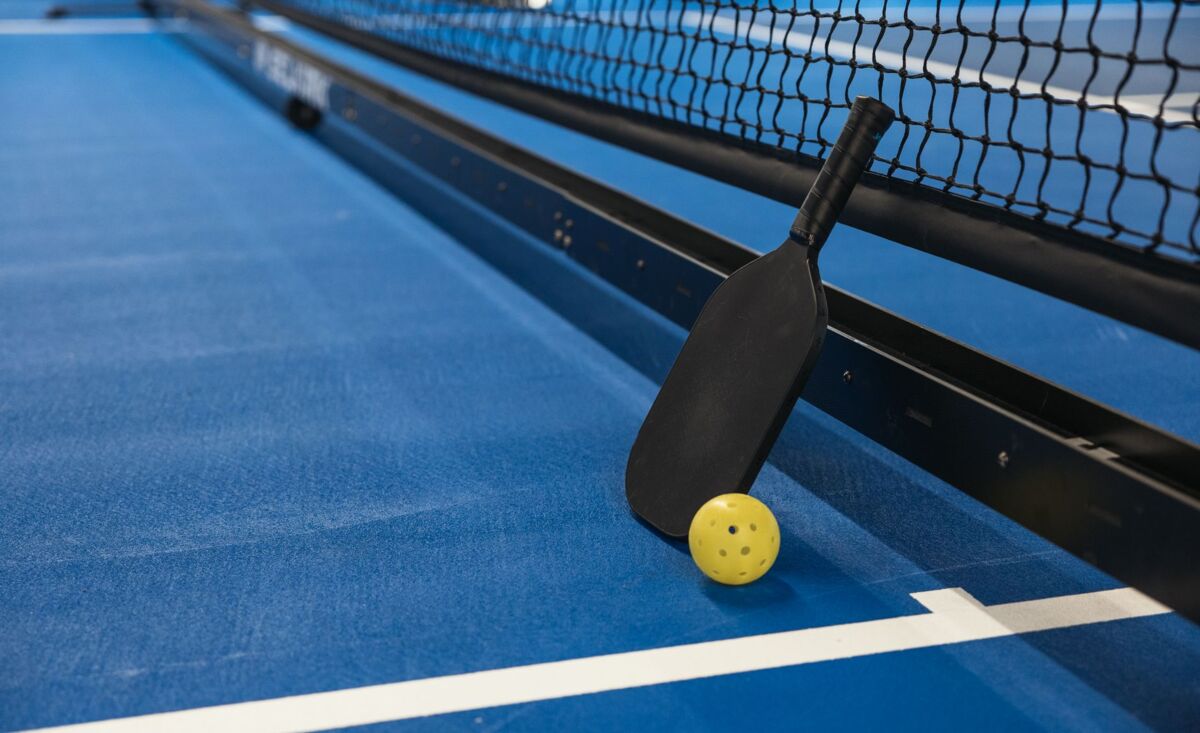
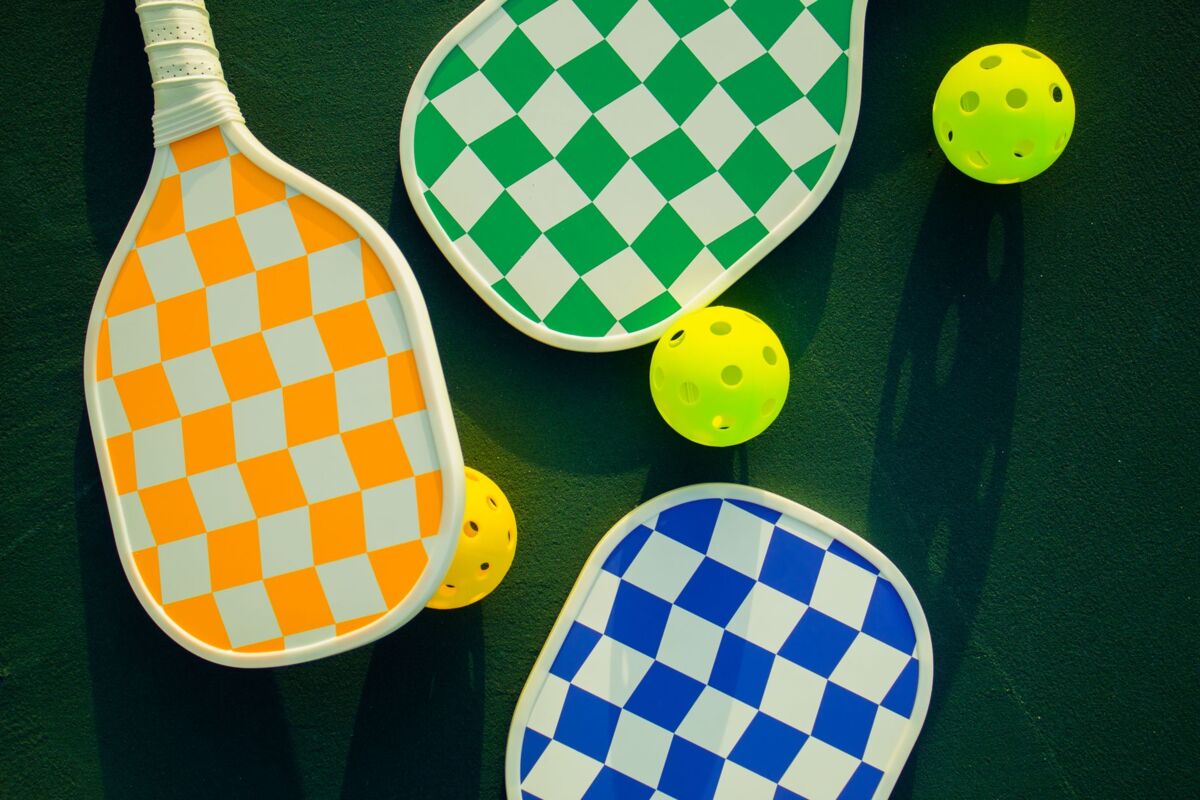
Refreshingly little, which is part of the appeal. To start, each player needs a paddle and you need a few perforated plastic balls between you. Beginner paddle-and-ball sets are widely available and inexpensive, so you can equip the family before you know whether everyone is hooked. Some venues also rent or lend paddles, the smartest move for a first try.
- Paddles: a basic, lighter paddle is easier for kids and beginners to control. No need for an expensive model on day one.
- Balls: cheap, and they come in indoor and outdoor versions with different hole patterns. Buy a few, because they crack eventually.
- Court shoes: grippy, non-marking shoes matter most for safe changes of direction. Badminton or tennis shoes are fine to begin with.
- Extras: water, sun protection for outdoor play, a towel, and a portable net only if your free court does not provide one.
Court etiquette and booking know-how
A little court courtesy goes a long way at shared and free courts, and it is a good thing to model for kids. Turn up on time, since other families are often waiting for the same slot, and at busy free courts ask who is next rather than assuming a court is open. Return stray balls, call your own lines honestly, and wrap up promptly when your booking ends. Plan ahead for weekend and evening peak slots, which go first, and reserve early for a family or holiday programme during school breaks.
Tips for a great first family session
- Start cooperative, not competitive. Before keeping score, see how long the family can keep one rally alive. It builds confidence and keeps younger kids engaged.
- Keep games short with frequent breaks; little legs do better with several short games than one long marathon.
- Pair a stronger player with a beginner in doubles so nobody feels stranded, and rotate partners so everyone gets a turn winning.
- End on a high while the kids still want one more game, and plan the food: a morning hit pairs perfectly with a hawker breakfast nearby.
Rainy-day and backup plans
Singapore weather has opinions, and an outdoor session can be rained off in minutes, so have a plan B. The simplest backup is to default to an indoor or sheltered pickleball court, which is why those are worth knowing in advance. If courts are full or the rain has set in, fold the day into another indoor activity; our guide to the best playgrounds in Singapore has covered options, and the play hub has more weekend ideas.
Frequently asked questions
What age can kids start playing pickleball?
Most children can have a real go from around primary-school age, and younger kids of about five or six often enjoy relaxed family sessions focused on fun rather than scoring. Minimum ages vary by class, so check with the specific academy or programme.
Is pickleball really easier than tennis for beginners?
For most first-timers, yes. The smaller court, slower ball, underhand serve and two-bounce rule mean you spend more time in rallies and less time chasing the ball, which keeps kids and parents engaged from the first session.
How much does it cost to play pickleball in Singapore?
It depends on where you play. There are free public and community courts, subsidised ActiveSG courts, and pricier private and academy venues with coaching and air-conditioning. Hourly rates and lesson fees vary, so book through ActiveSG or the venue and check current prices before you go.
Where can I play pickleball in Singapore as a family?
You have three broad options: ActiveSG courts booked through the MyActiveSG+ app with Singpass, private and academy venues that run family and kids classes, and free neighbourhood community courts on a turn-up basis. Sheltered or indoor courts are the most family-friendly given the heat and rain.
Indoor or outdoor courts for young children?
Indoor or sheltered courts are the safer choice with young children, removing the worry of midday heat and sudden downpours and usually sitting near proper toilets. Outdoor and free community courts are great for casual play in the cooler morning or evening hours.
Do we need our own equipment to start?
Not necessarily. An affordable beginner paddle-and-ball set is enough, and some venues rent or lend paddles, ideal for a first try. Add grippy non-marking court shoes, water and sun protection, and you are set. Upgrade paddles only once the family is hooked.
The bottom line
Pickleball ticks an unusual number of boxes for Singapore families: cheap to try, fast to learn, gentle on bodies, and genuinely fun across generations. Keep the first outing simple. Book a sheltered court at a cooler time of day, borrow or buy an affordable paddle set, start with cooperative rallies before scoring, and bring plenty of water. Get the basics right, and pickleball may well become your family's new weekend fixture.

Admiralty Park Family Guide: Singapore's Playground With the Most Slides
Family guide to Admiralty Park, the Singapore playground with the most slides. Play zones by age, inclusive swings, mang...
11 min read
Archery in Singapore: A Family Guide to Beginner Sessions for Kids
Archery in Singapore for families: how beginner sessions work, suitable ages for kids, indoor vs outdoor ranges, safety ...
9 min read
ArtScience Museum Family Guide: Future World, Tickets and Tips for Singapore Parents
A Singapore parent's guide to the ArtScience Museum: Future World with kids, tickets, the Family Friday free-child deal,...
9 min read